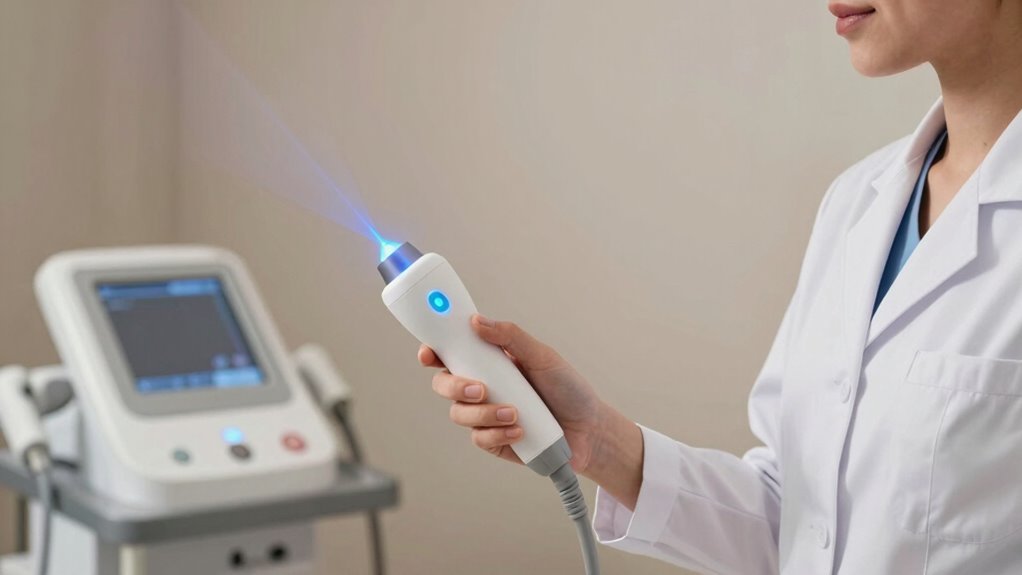

Laser and IPL hair removal both target hair follicles with light, but lasers use a focused, specific wavelength while IPL emits a broad spectrum. Laser treatments are more precise and often better for darker hair and skin, while IPL covers larger areas and can require more sessions. Costs and side effects vary, so your choice depends on your skin type and goals. Keep exploring to find out which option suits you best.

Get gifts for the two of you delivered free with Prime
- Fast, free delivery on millions of items
- Prime Video, Amazon Music and more included
- Member-only deals all year
Key Takeaways
- Laser uses a specific wavelength targeting melanin, offering more precise and effective results, especially for darker hair and skin types.
- IPL emits broad-spectrum light, covering multiple wavelengths, making it less targeted and potentially requiring more sessions.
- Laser treatments tend to be more expensive but often need fewer sessions, while IPL is less costly per session but may need more treatments.
- Both methods are effective for long-term hair reduction; suitability depends on skin type, hair color, and individual goals.
- Proper assessment and professional guidance minimize risks like burns or pigmentation issues, ensuring safe and optimal results.
Laser hair removal device for home
As an affiliate, we earn on qualifying purchases.
As an affiliate, we earn on qualifying purchases.
How Do Laser and IPL Hair Removal Work Differently?
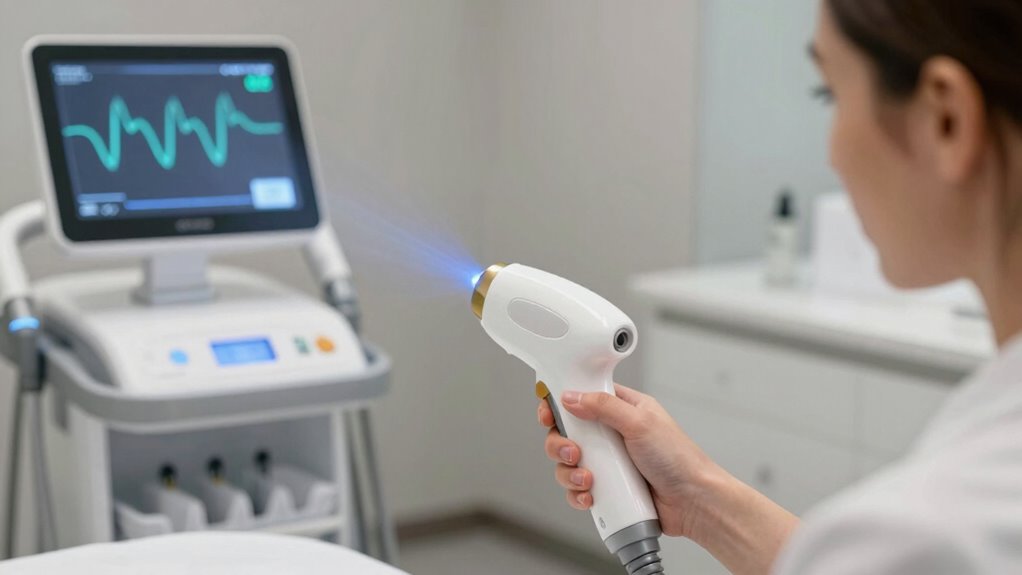
Although both laser and IPL hair removal target hair follicles to reduce unwanted hair, they operate using different technologies. Laser treatments use a single, focused wavelength of light that is absorbed specifically by melanin in the hair. This light absorption heats the follicle, damaging it to inhibit future growth. IPL, or Intense Pulsed Light, emits a broad spectrum of light that covers multiple wavelengths. The light targets melanin too, but because of its wider range, it’s less precise. This means IPL covers a larger area but may be less effective on darker hair or lighter skin. While both methods aim to damage hair follicles through melanin targeting, laser’s focused light offers more precision, making it generally more effective for targeted hair removal. Additionally, understanding the technology differences can help individuals choose the most suitable treatment for their skin and hair type.
IPL hair removal system for face and body
As an affiliate, we earn on qualifying purchases.
As an affiliate, we earn on qualifying purchases.
Which Skin Types Are Best Suited for Laser or IPL Treatments?
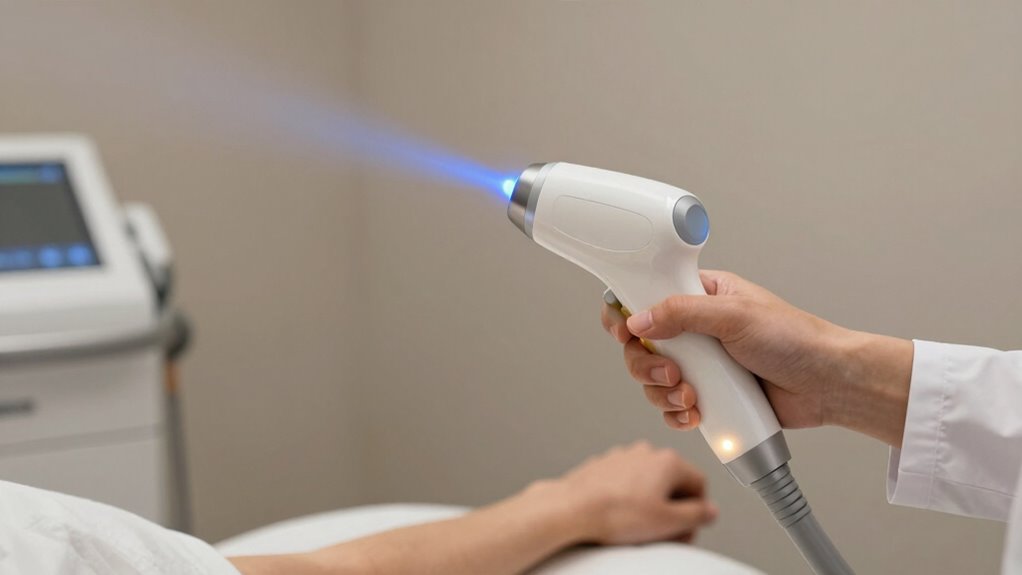
Laser and IPL treatments work best on specific skin and hair combinations, influencing their effectiveness and safety. Generally, lighter skin with darker hair responds better. Ethnic skin, with more melanin, can be more challenging; it increases the risk of burns or pigmentation changes, especially if there’s recent sun exposure. For ideal results, avoid sun exposure before treatment, as tanned skin heightens risks. Additionally, understanding indoor air quality can contribute to overall skin health, as pollutants may impact skin condition and healing. Maintaining good skincare routines can further improve treatment outcomes and skin recovery. Being aware of skin melanin levels can help determine the most suitable treatment options and reduce potential side effects. Moreover, professional consultation ensures personalized advice based on individual skin and hair types for optimal safety and results.
Professional laser hair removal kit
As an affiliate, we earn on qualifying purchases.
As an affiliate, we earn on qualifying purchases.
How Effective Are Laser and IPL for Permanent Hair Reduction?
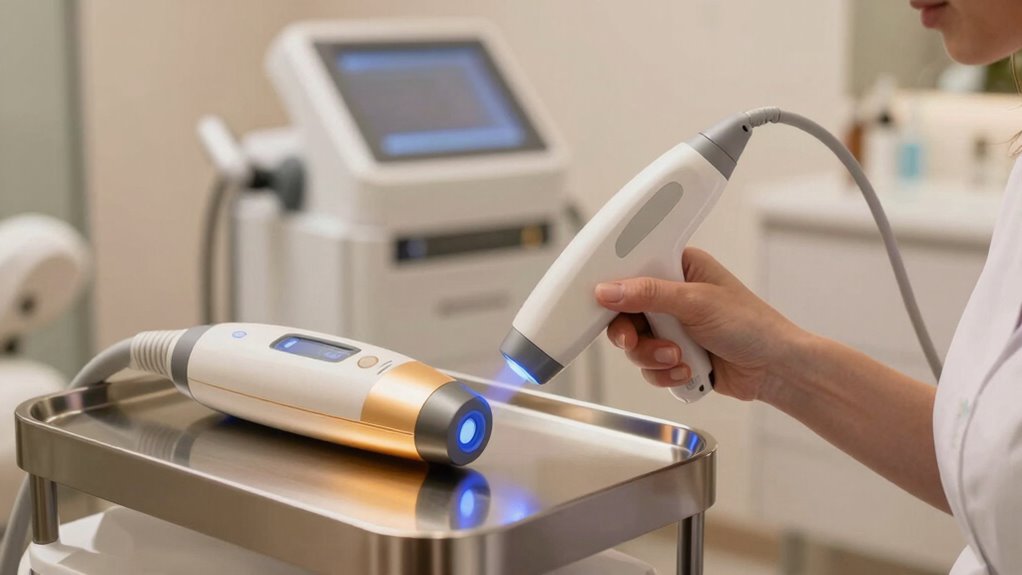
Laser and IPL treatments are highly effective for achieving long-term hair reduction when performed correctly. Both methods target hair follicles to inhibit future growth, often resulting in significant permanent hair reduction after multiple sessions. The effectiveness can vary based on individual factors, but generally, laser treatments tend to offer more precise results thanks to their focused wavelength, especially for darker hair and skin types. IPL, using broad-spectrum light, is more versatile but may require more sessions for similar results. When considering cost comparison, laser treatments can be more expensive upfront but may need fewer sessions. Technology differences influence longevity and effectiveness, making it essential to choose the right method for your skin and hair type for ideal, lasting results. Additionally, device technology plays a crucial role in the overall success and safety of hair removal treatments, and advancements in laser technology continue to improve outcomes and reduce side effects.
At-home IPL hair removal machine
As an affiliate, we earn on qualifying purchases.
As an affiliate, we earn on qualifying purchases.
What Are the Typical Costs and Number of Sessions?
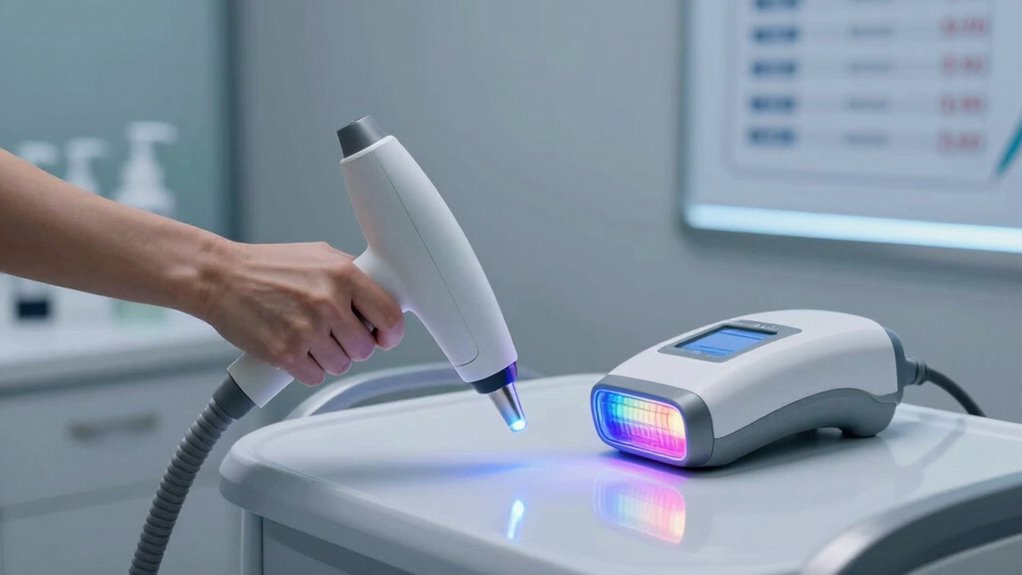
The costs and number of sessions required for laser and IPL hair removal can vary widely depending on factors like treatment area, provider, and geographic location. Pricing strategies differ between clinics, with laser treatments often costing more per session but potentially requiring fewer visits. IPL sessions tend to be less expensive individually but may need more treatments to achieve similar results. Typically, laser hair removal for larger areas like legs or back involves about 6 to 8 sessions, spaced 4 to 6 weeks apart, with treatment duration averaging 30 to 60 minutes. IPL may require similar or slightly more sessions, depending on hair color and skin type. Ultimately, your total costs depend on the number of sessions needed and the pricing strategies employed by your chosen provider. Additionally, technological integration in clinics can influence treatment efficiency and outcomes, affecting overall costs and session requirements. It’s also important to consider patient suitability factors, as individual skin and hair characteristics can significantly impact treatment success and the number of sessions needed. Moreover, treatment customization based on individual needs can help optimize results and potentially reduce costs over time. Furthermore, understanding treatment effectiveness can help set realistic expectations and guide your decision-making process.
What Are the Common Side Effects and Risks of Laser vs IPL?
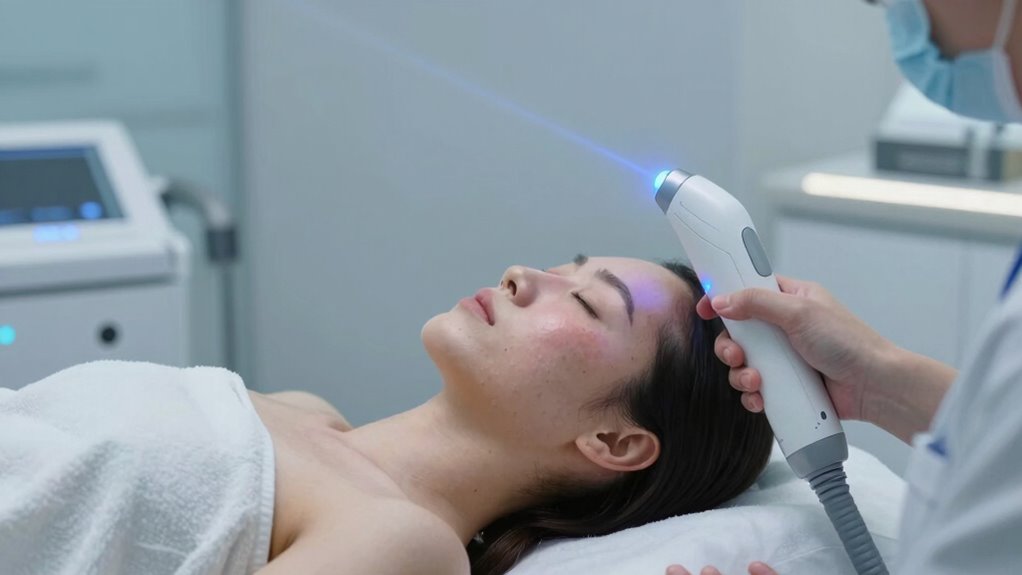
Both laser and IPL treatments are generally safe when performed by trained professionals, but they do carry potential side effects and risks. You might experience skin irritation, such as redness or swelling, which usually subsides quickly. Eye safety is essential; protective eyewear should be worn during procedures to prevent eye injury from intense light. Less common risks include burns or pigment changes, particularly if the treatment isn’t tailored to your skin type. Here’s a quick comparison:
| Side Effect/Risk | Laser Hair Removal | IPL Hair Removal | Additional Notes |
|---|---|---|---|
| Skin irritation | Possible, temporary | Possible, temporary | Use cooling gels |
| Eye safety | Critical, protective eyewear needed | Critical, protective eyewear needed | Always wear goggles |
| Burns | Rare, if misused | Rare, if misused | Follow professional advice |
| Pigment changes | Less common | Slightly more common | Monitor skin response |
| Scarring | Very rare | Very rare | Seek experienced providers |
Furthermore, proper skin assessment can help minimize these risks and ensure the most effective treatment for your skin type. Additionally, understanding individual skin responses can help tailor treatments to reduce adverse effects and improve results.
How Do I Decide Between Laser and IPL for My Hair Removal Goals?
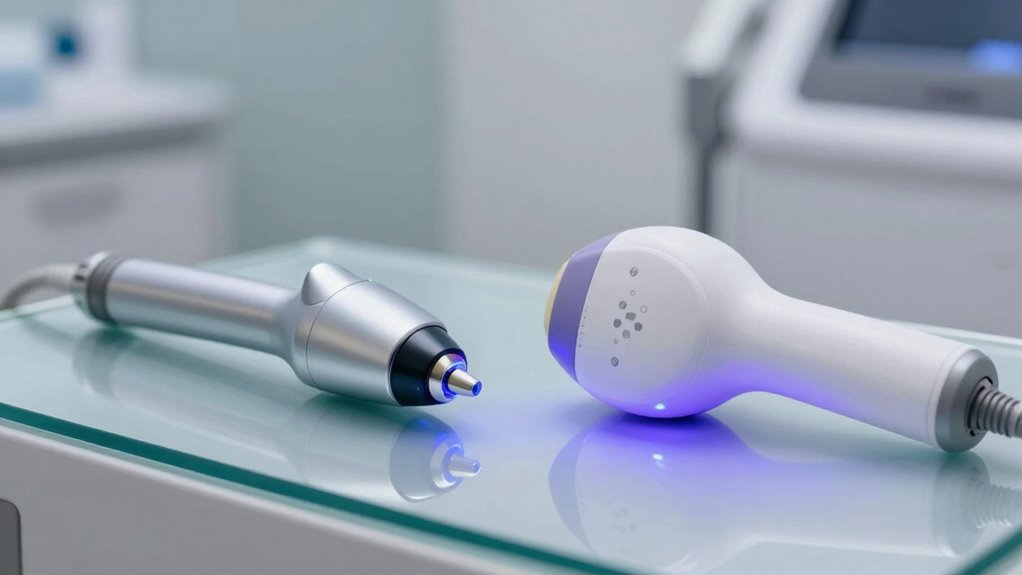
Choosing between laser and IPL hair removal depends on your specific goals, skin type, and budget. Consider hair color compatibility; laser treatments work best on dark hair, while IPL may be less effective if your hair color isn’t ideal. If you’re aiming for faster results, laser typically offers a shorter treatment duration with fewer sessions. IPL treatments often require more sessions over a longer period, which can impact your schedule and cost. Assess your skin tone as well—laser tends to be more precise for fair to medium skin. Additionally, understanding the contrast ratio of the technology can influence the effectiveness of your treatment. The cost-effectiveness of each option can vary depending on the number of sessions needed and the clinic’s pricing. It’s also helpful to consider the technology’s safety profile to ensure a comfortable and risk-free experience. Ultimately, your choice should balance these factors, aligning with your hair removal goals, comfort level, and budget constraints. Consulting a specialist can help you determine the best option for your needs.
Frequently Asked Questions
Can Laser or IPL Treatments Be Used on All Body Areas?
Yes, laser and IPL treatments can be used on most body areas, but body suitability depends on your hair density and skin type. For darker skin, IPL might be less effective, while laser treatments can target dense hair better. Always consult with a professional to determine the best option for your specific body areas, ensuring safe and effective results tailored to your hair and skin characteristics.
Which Treatment Is Faster: Laser or IPL?
Laser treatments are generally faster than IPL because they cover larger areas with each pulse, reducing treatment duration. While laser sessions often take less time due to precise targeting, IPL requires more sessions with shorter intervals because of its broader, less focused approach. So, if speed matters, laser offers quicker results with fewer sessions, making it ideal when you want a faster, more efficient hair removal process.
Are There Any Age Restrictions for Laser or IPL Hair Removal?
You should be aware that age limits for laser or IPL hair removal typically require clients to be at least 18, though some clinics might consider teens with parental consent for certain areas. These treatments aren’t usually recommended for very young teens, but older teens might explore options as part of teen hair removal solutions. Always consult with a professional to determine if you meet the age requirements and suitable options for your age.
How Do I Prepare My Skin Before Treatment?
You should start by practicing good pre-treatment skincare, like cleansing and avoiding harsh products. It’s a common myth that sun exposure doesn’t matter, but you need to limit it before your session to reduce risks. Make sure to shave the treatment area 24 hours prior, and avoid plucking or waxing. Following these steps helps your skin prepare, ensuring a smoother, safer hair removal process.
Can Laser or IPL Be Used on Tanned Skin?
You should avoid laser or IPL hair removal on tanned skin because of tanning risks and concerns about skin pigmentation changes. Tanning increases melanin, which can cause uneven results or burns during treatment. It’s best to wait until your skin has fully healed from tanning to guarantee safety and effectiveness. Always consult your specialist to determine the right timing and avoid potential skin damage.
Conclusion
Ultimately, choosing between laser and IPL comes down to understanding your skin, your goals, and your budget. Consider what suits your skin type, what results you desire, and what risks you’re willing to take. Weigh the costs against the benefits, the sessions against the outcomes, and the risks against the safety. By making an informed choice, by balancing your needs and expectations, you can confidently select the hair removal method that’s right for you.
Fall Picks
fall essentials
As an affiliate, we earn on qualifying purchases.