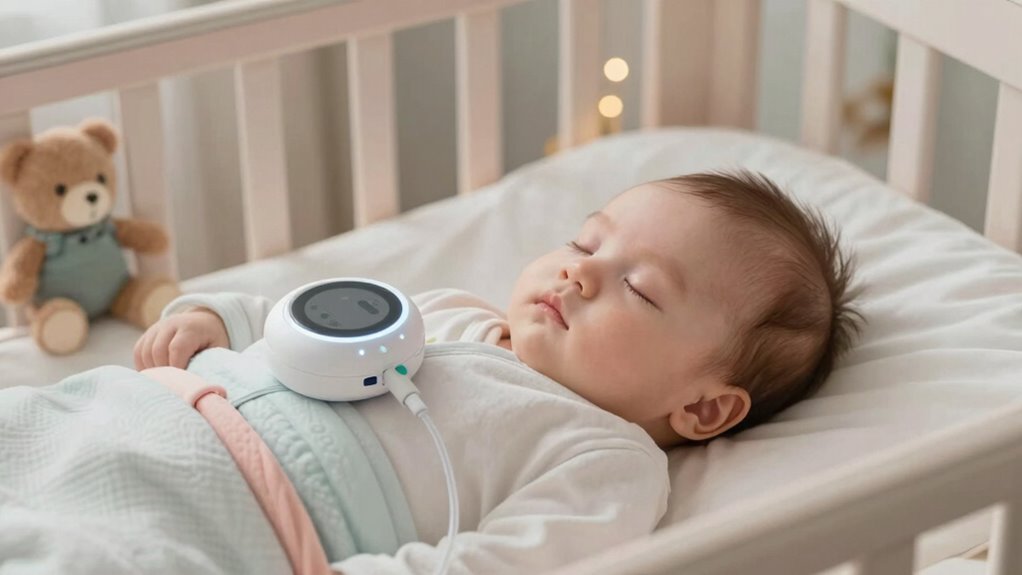

Wearable baby monitors can give you helpful data like heart rate and sleep patterns, but they can’t tell you everything about your baby’s comfort or emotional state. They may miss cues like fussiness, facial expressions, or environmental factors affecting your baby. Relying solely on sensors might cause you to overlook important signals or misinterpret data. If you want a full picture of your baby’s well-being, understanding how to combine technology with your senses will help you respond more confidently.

Get gifts for the two of you delivered free with Prime
- Fast, free delivery on millions of items
- Prime Video, Amazon Music and more included
- Member-only deals all year
Key Takeaways
- Wearable monitors can’t accurately detect a baby’s emotional state, discomfort, or cues like fussiness or crying.
- Data on vital signs and movements may be inconsistent or affected by external factors, limiting reliability.
- Sleep patterns alone do not reveal signs of illness, distress, or environmental discomfort.
- Environmental cues such as facial expressions, body language, noise, and temperature provide critical context.
- Parental instincts and direct observation remain essential to interpret signals beyond what devices can measure.
wearable baby monitor with heart rate tracking
As an affiliate, we earn on qualifying purchases.
As an affiliate, we earn on qualifying purchases.
Why Parents Use Wearable Baby Monitors and What They Hope to Achieve
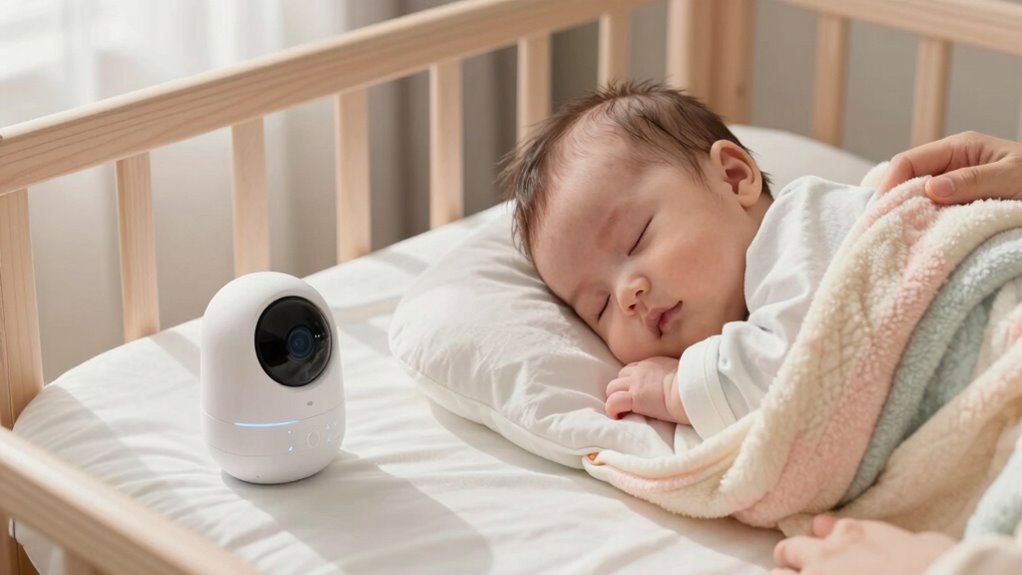
Parents use wearable baby monitors to keep a close eye on their infants’ well-being, even when they’re in different rooms or outside the house. These devices help reassure you, reducing parental anxiety by providing real-time updates on your baby’s essential signs and movements. Many parents hope that these monitors will strengthen infant bonding, allowing them to respond quickly and attentively to their baby’s needs. By staying connected, you can feel more confident about your child’s safety, especially during naps or overnight sleep. While the primary goal is peace of mind, wearable monitors also encourage more attentive caregiving, fostering a stronger emotional connection with your little one. Additionally, understanding emotional needs can guide parents in providing nurturing care that supports their baby’s development. Recognizing free floating concerns can help parents address underlying anxieties that may not be immediately apparent. These devices serve as tools to support your confidence and enhance your bond with your baby, especially when combined with home safety practices to create a secure environment. For example, monitoring sleep patterns can inform better routines that promote healthy development. Moreover, they can be valuable in identifying early warning signs of health issues before they become more serious.
baby sleep and temperature monitor
As an affiliate, we earn on qualifying purchases.
As an affiliate, we earn on qualifying purchases.
What Baby Monitor Data Can and Can’t Tell You
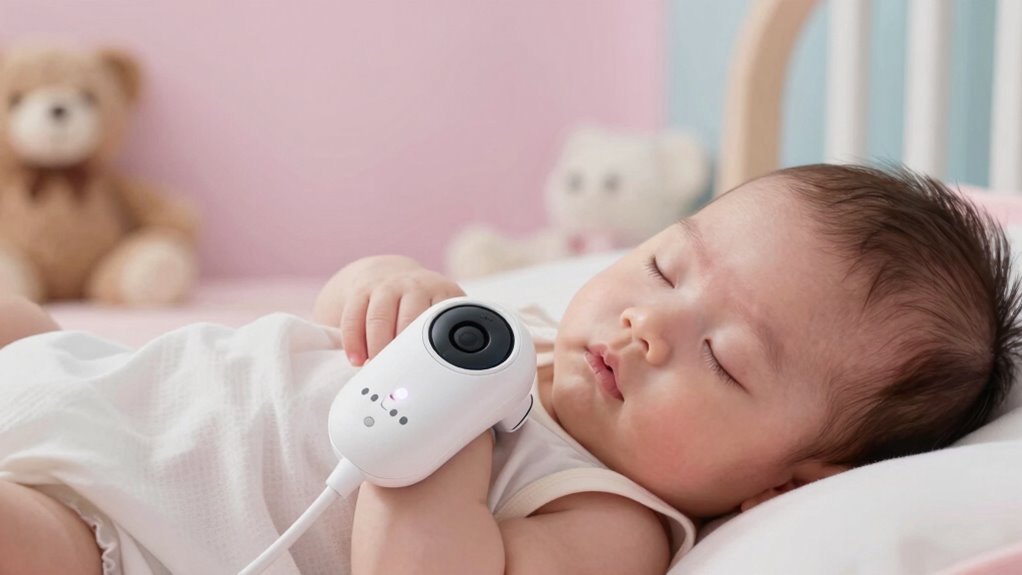
Wearable baby monitors provide a range of data that can help you keep track of your child’s well-being, but it’s important to understand what this information truly tells you. While they can monitor heart rate, movement, and temperature, sensor limitations mean not all data is perfectly accurate or complete. Misinterpreting data can lead to false alarms or unnecessary worry. For example, movement sensors might register subtle movements as discomfort, but don’t assume your baby is unhappy. Use the following table to understand the key points:
| What Data Tells You | Sensor Limitations | What It Can’t Tell You |
|---|---|---|
| Heart rate fluctuations | Inconsistent readings possible | Emotional state or comfort level |
| Movement patterns | Sensitive to placement | Sleep quality or stress |
| Temperature changes | External factors affect data | Underlying health issues |
Always interpret data carefully and don’t rely solely on monitors. A good understanding of sensor limitations helps prevent misinterpretation of the data. Additionally, user privacy preferences should be considered when sharing or analyzing data from these devices. It is also important to consider device calibration to ensure data accuracy over time. Moreover, understanding the data accuracy and potential discrepancies can save parents from unnecessary concern. Recognizing the holistic wellness of your child involves considering both technological data and intuitive caregiving approaches to support their overall health.
As an affiliate, we earn on qualifying purchases.
What Sleep Patterns Don’t Reveal About Your Baby’s Comfort and Health
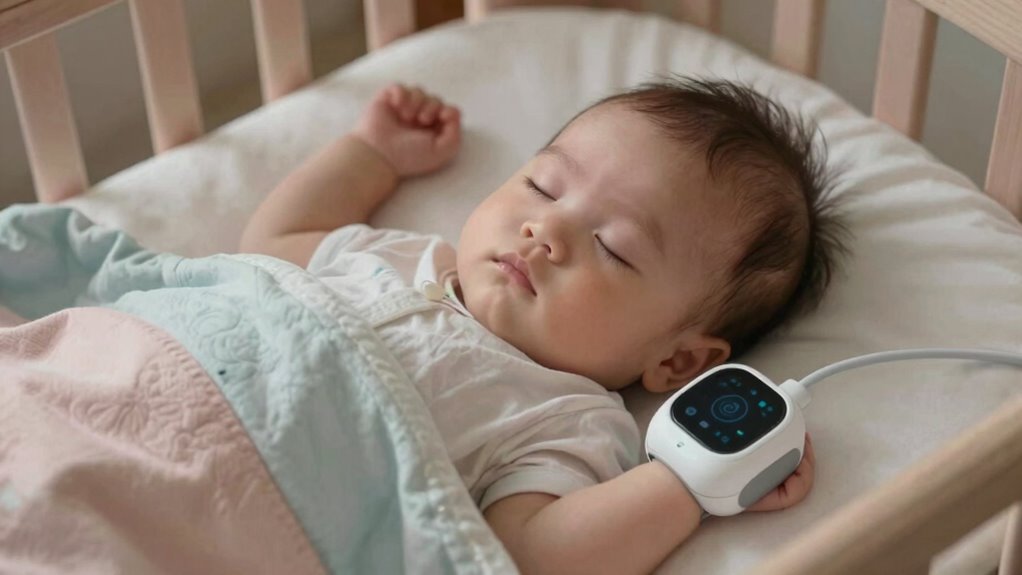
While tracking your baby’s sleep patterns can provide useful insights, they don’t reveal everything about your child’s comfort or health. For example, your baby may sleep soundly but still be uncomfortable. Emotional cues like fussiness or crying can signal distress that sleep data misses. Additionally, skin temperature offers clues about their comfort—if it’s too hot or cold, your baby might be restless or unwell. Monitoring home safety features such as temperature regulation can help maintain a comfortable environment for your baby. Being attentive to their skin condition can also reveal signs of irritation or illness not apparent through sleep patterns. For instance, water quality in your baby’s bathing area can impact skin health and overall comfort. Regularly observing behavioral cues outside of sleep data can provide a more comprehensive understanding of your baby’s well-being. Recognizing thermal comfort is essential in ensuring your baby remains safe and comfortable, as it influences their overall health. Here are three things sleep patterns don’t show you: 1. Emotional cues that indicate discomfort or frustration 2. Changes in skin temperature that suggest overheating or chills 3. Subtle signs of distress or illness not reflected in sleep duration or quality Relying solely on sleep data can overlook these essential signs of well-being.
baby monitor with environmental sensors
As an affiliate, we earn on qualifying purchases.
As an affiliate, we earn on qualifying purchases.
How to Recognize Baby Discomfort That Monitors Might Miss
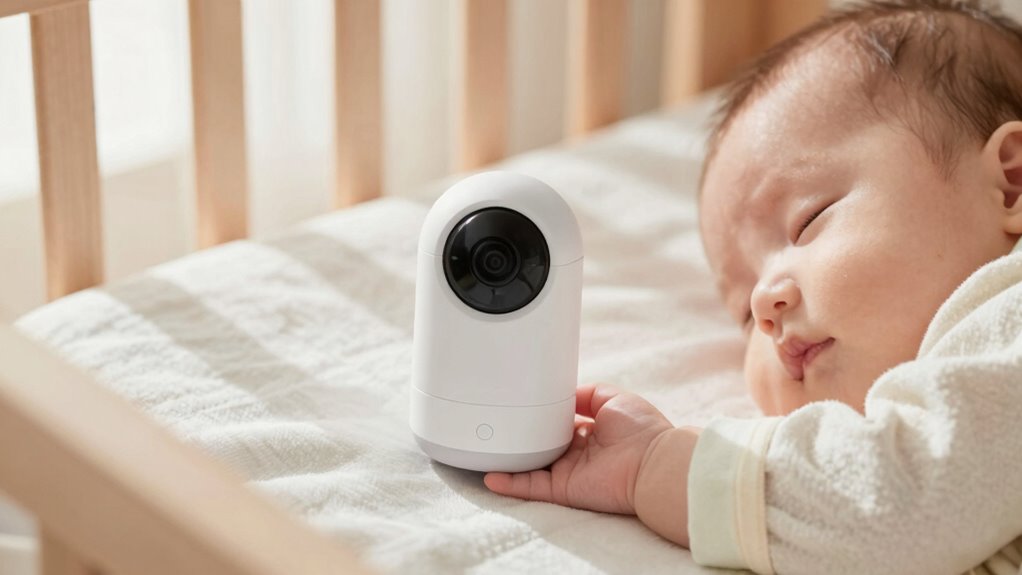
Even if your baby’s sleep looks perfect on monitors, they might still be experiencing discomfort that isn’t immediately visible. Trusting your parental intuition and observing infant cues can help you spot signs monitors might miss. Look for subtle changes in facial expressions, such as frowning or grimacing, or body language like tense limbs or fussiness. Listen for unusual sounds or whimpering, which could indicate discomfort. Keep an eye on breathing patterns—irregular or rapid breaths can be signs of distress. Remember, your instinct often picks up on cues that devices overlook. Being attentive to these signals allows you to respond promptly, ensuring your baby feels secure and comfortable, even when technology doesn’t register their discomfort. Utilizing accessibility features on devices can also enhance your ability to monitor and respond effectively. Additionally, understanding infant cues can improve your responsiveness and help you better interpret your baby’s needs. Developing a responsive caregiving approach grounded in observation can further support your ability to detect subtle signs of discomfort that monitors might miss. Incorporating parental instincts alongside technological tools can provide a more comprehensive understanding of your baby’s well-being. Recognizing that baby behavior can vary significantly is crucial in accurately assessing their comfort level.
Why Environmental Cues and Context Are Key in Baby Care
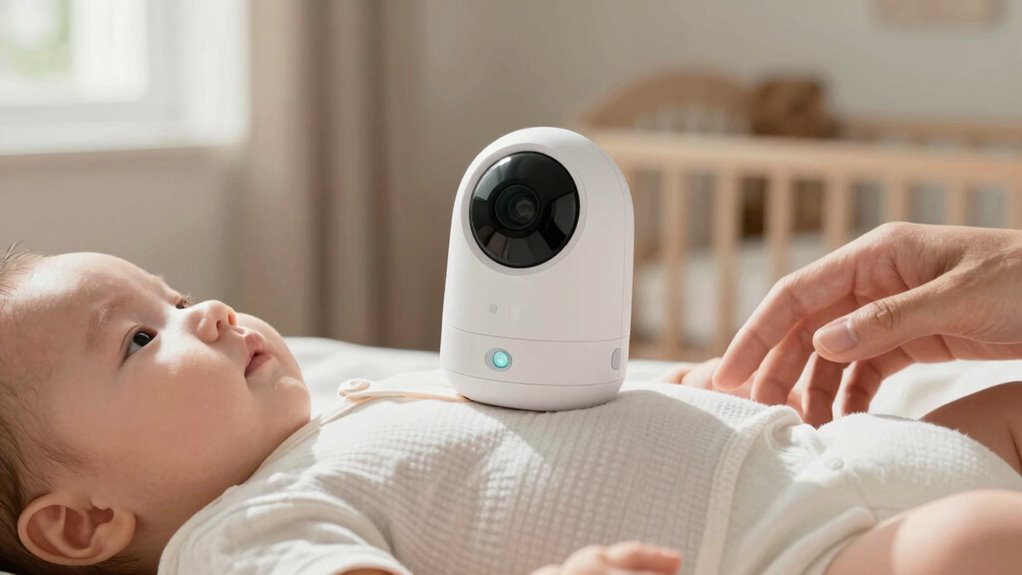
You’ll find that environmental factors influence your baby’s behavior more than you might expect. Paying attention to the surroundings helps you understand what your baby needs or feels. When you consider the context, interpreting their cues becomes much clearer. Just as drone bees rely on hive stability and environmental cues to maintain colony health, being attentive to your baby’s environmental signals can help you better support their well-being.
Environmental Factors Impact Behavior
Environmental cues and context play a crucial role in shaping a baby’s behavior because they help infants interpret their surroundings and respond appropriately. Changes in ambient temperature and noise levels can greatly influence how your baby feels and acts. For example, you might notice that:
- A warm, cozy room encourages calmness and sleep.
- Loud noises may startle or upset your baby, leading to fussiness.
- A cool environment might make your baby restless or uncomfortable.
- Proper calibration of environmental factors ensures consistent and accurate responses to these cues.
Additionally, understanding how sensory processing influences a baby’s reactions can help caregivers better interpret their child’s needs. Recognizing the importance of environmental consistency can further support your baby’s comfort and development.
Context Enhances Interpretation
Understanding the context around your baby is essential because it helps you interpret their behavior more accurately. When you consider environmental cues, like noise levels or lighting, you gain insight into why your baby might be fussing or sleepy. Recognizing infant milestones, such as teething or learning to crawl, can also clarify their needs. Context prevents you from misreading signals and eases parenting challenges by showing whether they’re hungry, tired, or overwhelmed. Using wearable monitors alongside environmental awareness allows you to see patterns and respond appropriately. Without considering the bigger picture, you might mistake a normal developmental phase for a problem. Ultimately, understanding your baby’s context helps you make better decisions, fostering a more confident and responsive approach to their care.
The Risks of Relying Too Much on Baby Monitor Alerts
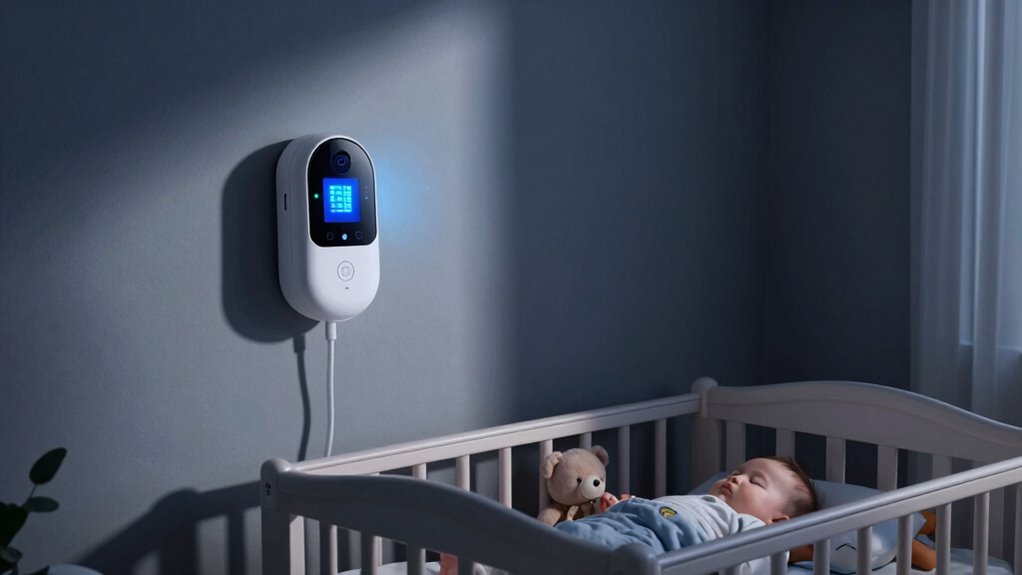
Relying too heavily on baby monitor alerts can create a false sense of security, causing you to become less attentive to your child’s actual needs. Sensor limitations mean that alerts may trigger falsely or miss critical signals. Misinterpreting data can lead to unnecessary worry or delayed responses. Imagine these scenarios:
- An alert sounds because a sensor picks up minor movements, but your baby is perfectly fine.
- You ignore subtle signs of discomfort because you trust the monitor’s false reassurance.
- An important change in breathing patterns goes unnoticed due to inaccurate data interpretation.
These issues can lead you to overreact or underreact, risking your child’s safety. Remember, technology is a helpful tool but shouldn’t replace your awareness of your baby’s real-time cues.
How to Use Your Senses and Observations Alongside Technology

While baby monitors provide helpful alerts, your own senses and observations are essential in ensuring your child’s well-being. Developing sensory awareness helps you pick up subtle cues that technology might miss, like a change in breathing or a slight fussiness. Trust your intuitive observation—notice how your baby looks, feels, and reacts in different situations. These natural instincts often alert you to discomfort or needs before an alarm sounds. Use your senses actively; listen for unusual sounds, observe your baby’s movements, and feel for temperature or tension. Combining this awareness with monitor data creates a more complete picture of your baby’s state. Relying solely on technology can lead to missed signals, so stay attentive to your child’s unique cues and behaviors.
Making Smart Decisions: Balancing Data and Parental Instincts
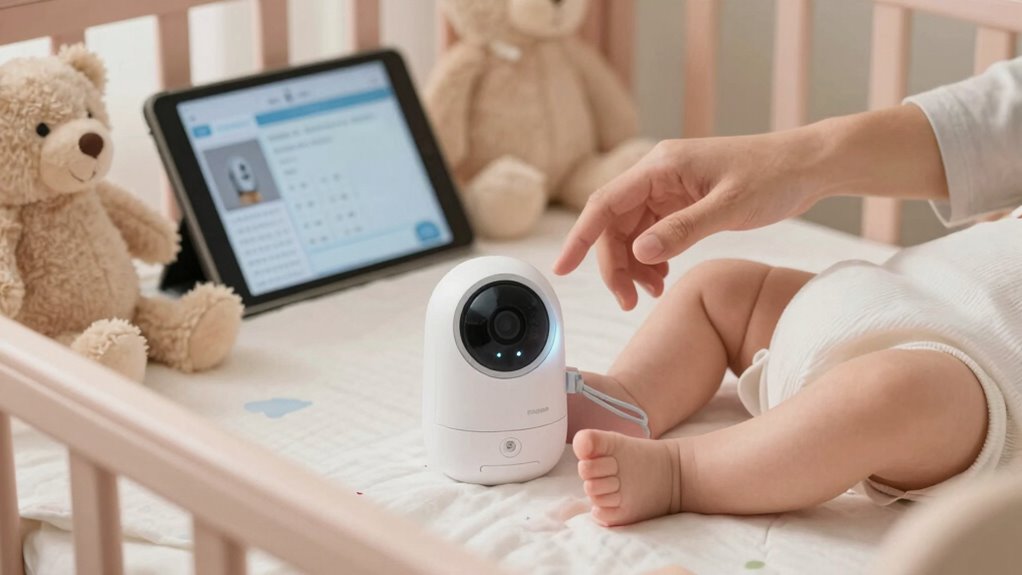
Balancing data from wearable baby monitors with your parental instincts is key to making informed decisions about your child’s care. Trusting your instincts helps foster emotional bonding, which technology alone can’t replace. To do this effectively, consider these steps:
Trust your instincts alongside monitor data to nurture emotional bonds and make confident parenting choices.
- Observe your baby’s cues—cries, facial expressions, and body language—to confirm or question monitor readings.
- Reflect on your feelings—if something feels off, prioritize your intuition over data.
- Use monitor data as a tool to support your parenting confidence, not replace it, ensuring you stay connected emotionally.
Frequently Asked Questions
Can Wearable Monitors Replace Traditional In-Person Baby Care?
Wearable monitors can’t fully replace traditional in-person baby care. While they provide useful data on sleep quality and developmental milestones, they lack the personal touch and instinctive judgment caregivers need. You still need to observe your baby’s overall behavior and comfort, as technology can’t interpret emotional cues or respond to unexpected situations. Trust your instincts and combine wearable insights with hands-on care for the best support your baby needs.
How Do Monitors Affect Parental Bonding and Interaction?
Wearable baby monitors can impact your emotional connection and sensory experience by creating a sense of distance during interactions. You might focus more on data than on your baby’s cues, which can hinder bonding. To maintain strong interaction, use monitors as a supplementary tool, not a replacement. Prioritize eye contact, touch, and responsive communication to nurture a deeper emotional connection with your baby.
Are There Privacy Concerns With Wearable Baby Monitors?
Yes, there are privacy concerns with wearable baby monitors. You need to be cautious about data security, ensuring your personal and your baby’s information isn’t vulnerable to hacking or unauthorized access. Parental surveillance features can sometimes lead to over-monitoring, affecting your privacy. Always choose monitors with strong encryption and update software regularly to protect sensitive data and maintain your privacy while keeping your baby safe.
What Are the Long-Term Health Impacts of Wearable Devices on Babies?
Think of wearable devices as tiny seeds planted in your baby’s future; their long-term health and developmental effects depend on careful nurturing. Currently, research hasn’t shown clear risks, but prolonged exposure to devices’ electromagnetic fields or unnecessary monitoring might impact sleep or development over time. You should stay informed, monitor your baby’s reactions, and consult healthcare providers to guarantee these devices support healthy growth without unintended consequences.
How Reliable Are Wearable Monitors Across Different Brands and Models?
You might find that wearable monitors vary in reliability due to brand differences and sensor accuracy. Some brands prioritize high-quality sensors, making their data more dependable, while others may cut costs, leading to inconsistencies. Always research specific models and read reviews to gauge reliability. Keep in mind, no monitor is perfect, so cross-check important data with manual observation or professional advice to make certain your baby’s safety.
Conclusion
Remember to trust your instincts, read your baby’s cues, and observe their comfort. Don’t rely solely on data or alerts—listen to their cries, watch their movements, and feel their skin. Balance technology with your senses, and combine information with intuition. By doing so, you’ll make smarter decisions, foster a stronger bond, and ensure your baby’s well-being. Ultimately, blending data and instinct helps you care more confidently and connect more deeply.
Halloween Picks
halloween
As an affiliate, we earn on qualifying purchases.