
Using high heat settings during blowouts can quickly damage your hair by causing moisture loss, breaking down keratin, and leading to dryness, frizz, and breakage. Temperatures above 430°F are especially risky, and frequent exposure accelerates damage. Lower or moderate temperatures between 300°F and 350°F are safer choices, especially if you use heat protectants. If you keep damaging your hair with excessive heat, it won’t stay healthy or beautiful for long—so look deeper to protect your strands.
Key Takeaways
- Temperatures above 430°F (221°C) cause rapid moisture loss and severe hair damage.
- High heat settings (above 375°F) accelerate keratin breakdown and increase brittleness.
- Excessive heat causes cuticle lifting, frizz, and dullness, leading to faster hair deterioration.
- Constant exposure to high heat without protection intensifies damage and weakens hair over time.
- Using the highest heat setting on thick or damaged hair causes the fastest frying and long-term harm.

OGX Protecting + Silk Blowout Quick Drying Thermal Protection Spray, Heat Protectant Spray Shields Hair up to 450°F For Soft, Shiny Hair and Big, Beautiful Blowouts, Light Hold, 6 fl. oz
HEAT PROTECTION: 6-fluid ounces of OGX Protecting + Silk Blowout Quick Drying Thermal Spray delivers quick-dry heat protection…
As an affiliate, we earn on qualifying purchases.
As an affiliate, we earn on qualifying purchases.
How Does Heat Affect Hair During Blowouts?
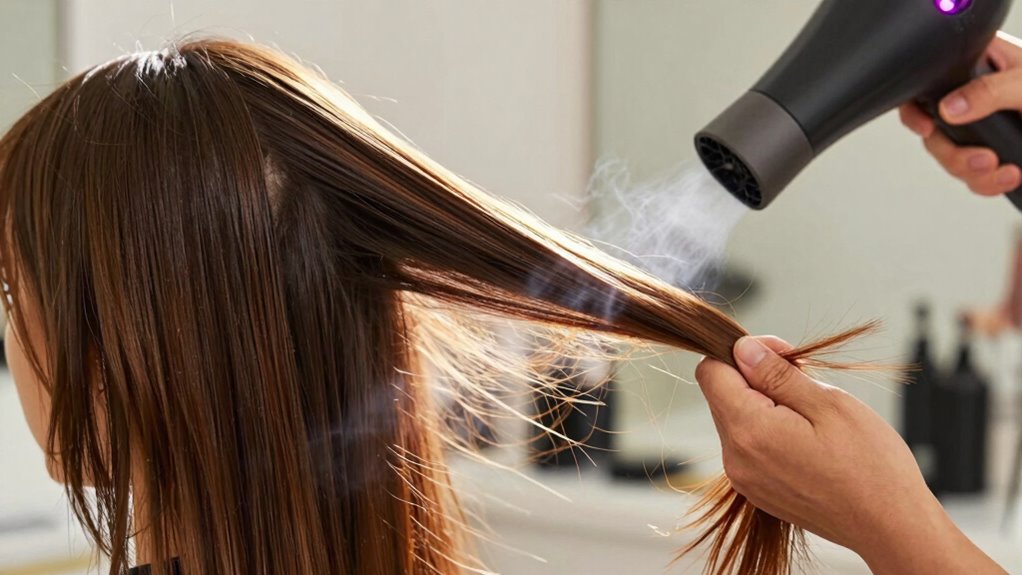
Heat plays a crucial role in shaping your hairstyle during a blowout, but it can also cause damage if not used carefully. When you apply heat, your hair absorbs it through heat absorption, which helps set your style. However, excessive heat can accelerate moisture loss, leaving your strands dry and brittle. As moisture escapes, your hair becomes more vulnerable to breakage and split ends. The key is understanding that high heat speeds up the drying process but also strips away essential hydration. Balancing heat application ensures your hair stays healthy while achieving the style you want. Knowing how heat affects moisture levels helps you prevent damage and maintain vibrant, resilient hair. Additionally, incorporating gentle hair care practices can help mitigate heat damage and promote healthier hair over time. Being mindful of heat settings and using protective products can further safeguard your strands from harm. Using the right temperature settings can also prevent thermal damage and preserve your hair’s natural strength. Employing proper blow-drying techniques can further minimize heat-related stress on your hair strands. Incorporating heat protectant sprays creates an additional barrier to reduce direct heat exposure and preserve moisture.
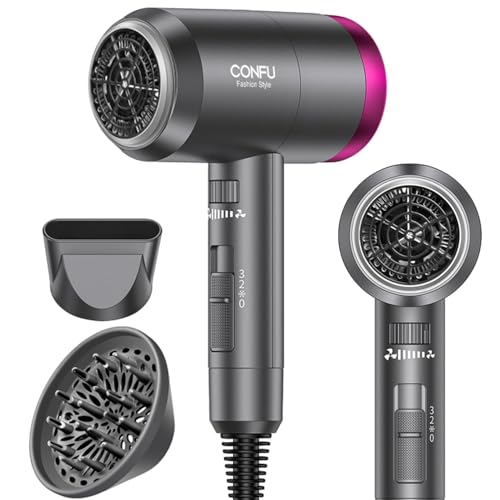
CONFU Ionic Blow Dryer 1600W, Portable Lightweight Fast Drying Negative Ion Hairdryer Blowdryer, 3 Heat Settings & Infinity Speed, with Diffuser and Concentrator Nozzle for Home & Travel
1600W Premium Motor Hair Dryer: Our ionic hair dryer delivers stronger wind for drying in less time compared…
As an affiliate, we earn on qualifying purchases.
As an affiliate, we earn on qualifying purchases.
What Are the Safe Heat Levels for Blow-Drying?
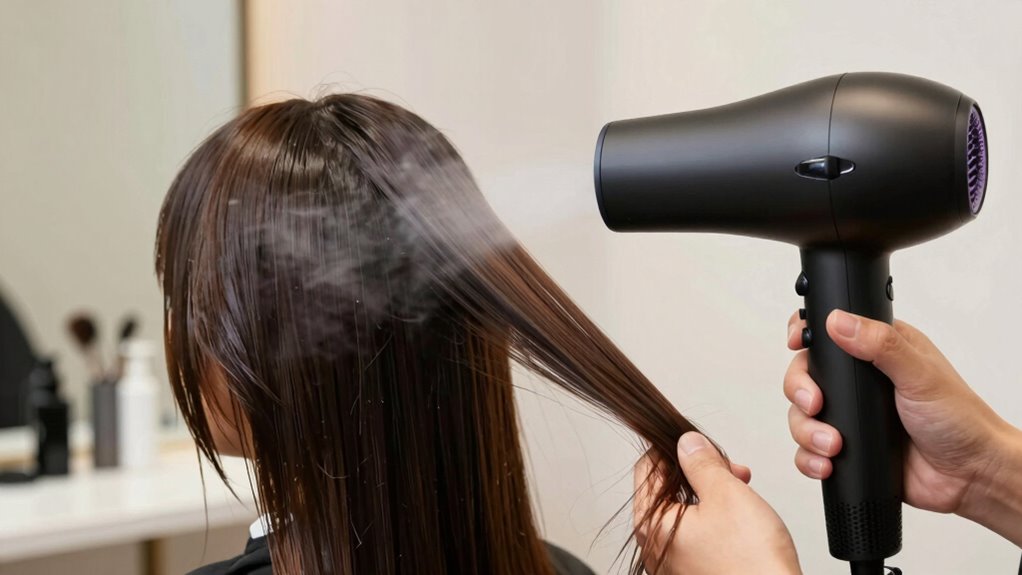
To protect your hair, it’s important to keep your blow-dryer’s heat within safe temperature ranges. Generally, staying between 250°F and 350°F helps prevent damage while still styling effectively. Using the right heat level and applying heat protectant can make a big difference in keeping your hair healthy. Additionally, being mindful of microplastics in dust and indoor air quality can contribute to overall hair and scalp health. Incorporating proper hair care routines and understanding safe heat settings can further enhance your styling results. Monitoring your hair’s response and adjusting heat accordingly can help prevent hair damage and maintain its strength, especially since excessive heat exposure can accelerate hair damage from environmental pollutants. Being aware of indoor air quality and minimizing exposure to pollutants can further support healthy hair.
Recommended Temperature Ranges
Using the right temperature during blow-drying is essential to prevent damage and maintain healthy hair. Generally, safe temperature ranges stay between 300°F to 350°F (150°C to 180°C). For fine or damaged hair, keep it closer to 300°F to reduce the risk of hair damage. Thicker or coarser hair can tolerate higher temperatures up to 350°F, but it’s still best to avoid exceeding this range regularly. Proper heat regulation helps protect your hair from unnecessary stress and breakage. Additionally, heat distribution plays a vital role in achieving even drying and minimizing hotspots that can cause damage. Remember, a lower temperature with longer drying time can be just as effective as higher heat, minimizing damage. Always test your tools and adjust the heat as needed to suit your hair type, ensuring ideal results without compromising hair health. Proper heat regulation is crucial for maintaining hair integrity and preventing long-term damage.
Heat Damage Prevention
Maintaining safe heat levels during blow-drying is key to preventing damage and preserving healthy hair. To guarantee effective heat styling without risking damage, keep your dryer between 250°F and 300°F. Higher temperatures accelerate damage, so avoid exceeding this range. Here are three tips for damage prevention:
- Use the lowest effective heat setting to style your hair efficiently.
- Keep the dryer moving constantly to distribute heat evenly.
- Always apply a heat protectant prior to blow-drying to shield your strands.

Large Heat Resistant Mat for Curling Irons, Hair Straightener, Flat Irons and Hair Styling Tools 11" x 7.5", Grey
Bigger Wrap & Holder – New, Larger 11 in x 7.5 in Lessmon Silicone Mat! Our mat can…
As an affiliate, we earn on qualifying purchases.
As an affiliate, we earn on qualifying purchases.
Which Temperatures Damage Hair the Fastest?
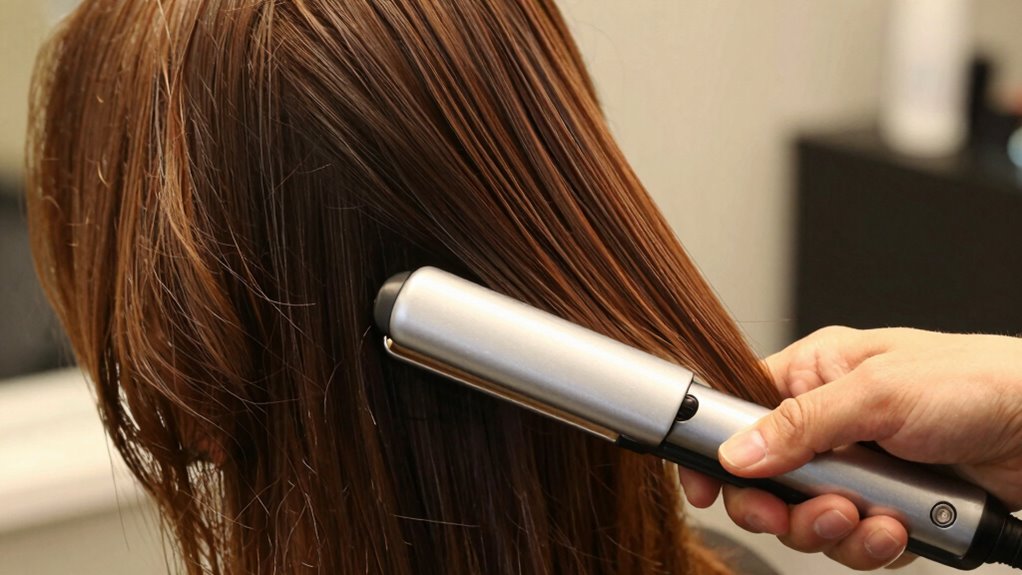
When you use high heat on your hair, you’re risking serious damage in a short amount of time. Excessive heat breaks the bonds that keep your hair strong and healthy, leading to weakened strands. If you overheat, it can cause frizz and make your hair look dull and unhealthy. Using the right temperature settings can help protect your hair from damage caused by outdoor cooling fans and usage tips. Being aware of passive voice detection techniques can also improve your writing clarity and impact. To prevent damage, always choose the appropriate heat level for your hair type and avoid prolonged exposure to high temperatures. Additionally, utilizing proper hair protection accessories can further minimize heat-related harm. Understanding hair strength and resilience can also guide you in selecting the best heat settings for your specific hair type.
High Temperatures Cause Damage
High temperatures can quickly weaken hair’s structure, causing significant damage in a short amount of time. When heat concentration reaches extreme levels, it targets the hair’s cortex, breaking down keratin proteins. Frequent temperature fluctuations intensify this damage, as rapid changes cause stress on hair strands. The fastest damage occurs at:
- Temperatures above 430°F (221°C), which cause immediate moisture loss and brittleness.
- Continuous use of high heat settings, leading to cumulative weakening.
- Sudden shifts between low and high temperatures, damaging cuticles and leading to split ends. Additionally, understanding the environmental factors that influence heat damage can help you better protect your hair during styling. Managing heat distribution effectively can also reduce the risk of uneven damage and preserve hair integrity. Using protective styling products can further shield hair from extreme heat exposure. Being aware of heat-related damage mechanisms allows you to make smarter styling choices and extend the lifespan of your hair health.
Understanding how heat concentration and temperature fluctuations impact your hair helps you avoid the most damaging heat levels. Keeping your heat tools at moderate settings reduces damage and preserves your hair’s health over time. Proper heat management is essential for minimizing damage and maintaining healthy hair.
Excessive Heat Breaks Bonds
Exposing your hair to excessive heat at very high temperatures can quickly break the internal bonds that give your strands strength and flexibility. When these bonds undergo disruption, the hair’s structure weakens, leading to strand weakening and increased fragility. High heat causes rapid bond disruption, which means the keratin proteins that hold your hair together break apart faster. This damage isn’t just superficial; it compromises the hair’s internal framework, making it more prone to breakage and split ends. The more extreme the temperature, the faster these bonds break down, accelerating damage. To protect your hair’s integrity, avoid pushing your heat tools beyond safe temperature ranges, especially if you want to maintain healthy, resilient hair.
Overheating Leads to Frizz
Using excessive heat not only weakens internal bonds but also triggers visible damage like frizz. When heat exposure is too high, your hair’s cuticles lift, leading to frizz formation. To prevent this, avoid the hottest settings, as they accelerate damage. Keep in mind:
- Temperatures above 375°F cause rapid moisture loss, increasing frizz.
- Constant heat exposure at high settings weakens the cortex, making hair more prone to flyaways.
- Overheating causes uneven drying, resulting in a rough, frizzy texture.
- Using lower heat settings can help maintain color accuracy and overall hair health. Staying within a moderate heat range minimizes damage and maintains smoothness. Remember, too much heat can undo all your styling efforts by creating frizz and compromising hair health. Controlling heat exposure is essential for a sleek, polished blowout.
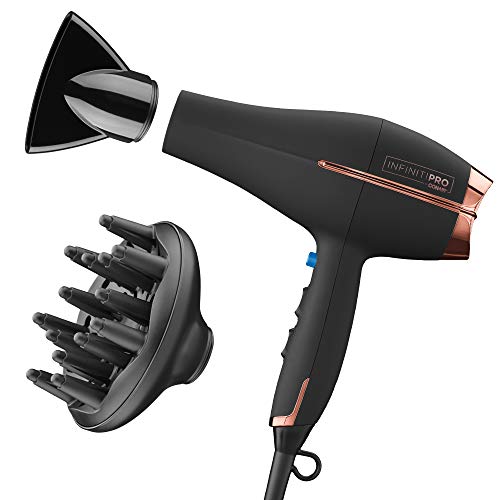
INFINITI PRO by CONAIR Hair Dryer, 1875W Blow Dryer with Diffuser and Concentrator, Ceramic Technology, 3 Heat & 2 Speed Settings, Cold Shot Button, Black
Professional Hair Dryer: This dryer features an 1875 watt AC motor that delivers powerful airflow for faster drying…
As an affiliate, we earn on qualifying purchases.
As an affiliate, we earn on qualifying purchases.
How Do Different Hair Types Respond to Heat?
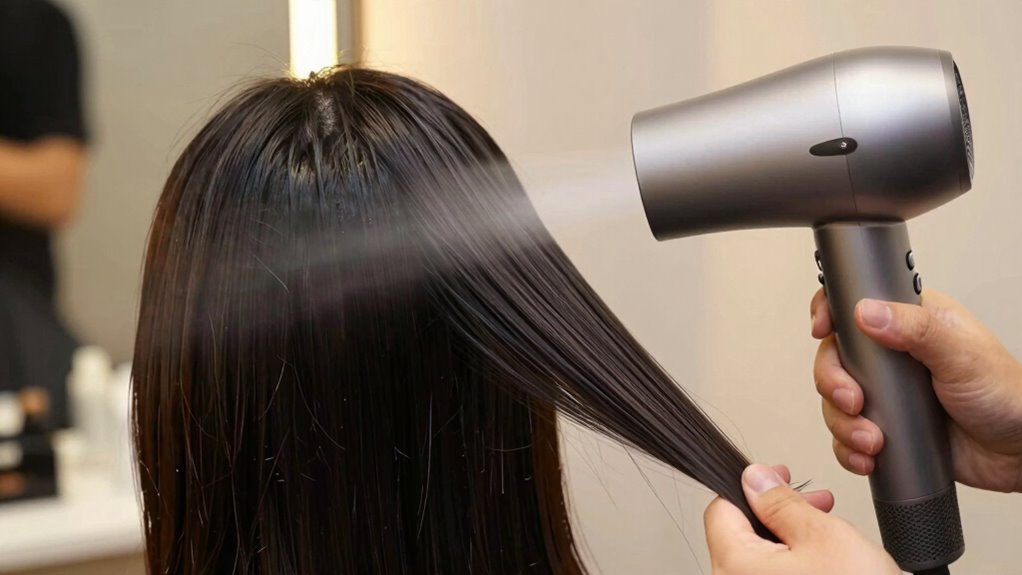
Have you ever wondered why your hair reacts differently to heat compared to someone else’s? It all comes down to factors like hair porosity and scalp sensitivity. High-porosity hair tends to absorb heat quickly, making it more prone to damage and frizz if you use too much heat. Low-porosity hair, on the other hand, resists heat absorption, so it may need a higher setting to achieve a smooth blowout without causing harm. Scalp sensitivity also plays a role: sensitive scalps can become irritated or inflamed from excessive heat, leading to discomfort or damage. Understanding your hair type helps you choose the right heat setting, reducing the risk of over-processing and ensuring healthier, shinier hair after every blowout.
Why Is Using Too Much Heat Risky for Your Hair?
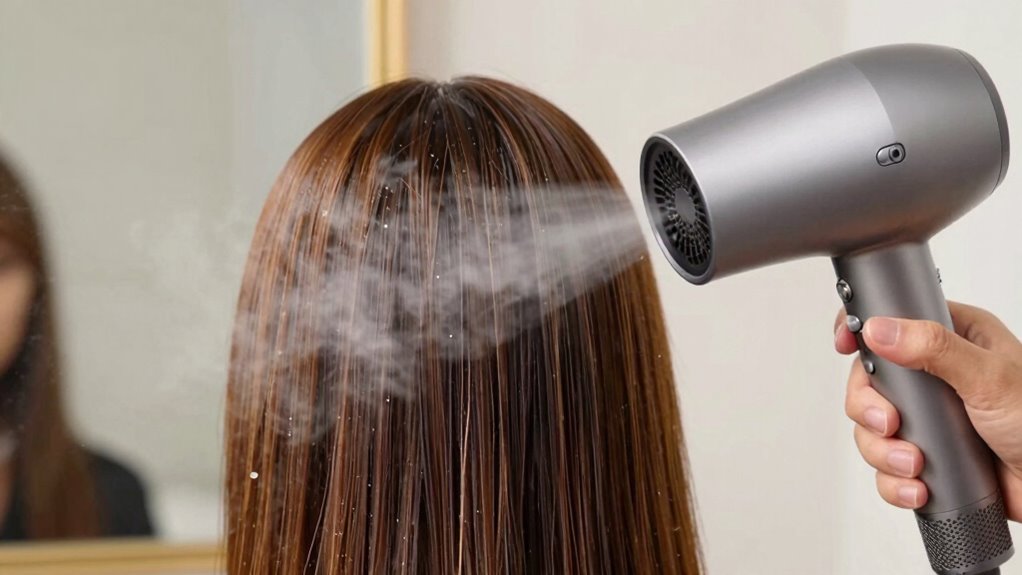
Applying too much heat during a blowout can cause serious damage to your hair’s structure. Excessive heat breaks down keratin, leading to brittle, dry strands. This also hampers your hair’s ability to retain moisture, leaving it dull and prone to breakage. When you use high heat settings, you risk:
- Damaging the cuticle, which exposes inner fibers and causes frizz.
- Reducing moisture retention, resulting in dry, brittle hair.
- Weakening hair integrity, making strands more susceptible to split ends and breakage.
Over time, frequent heat styling without proper precautions accelerates damage, making your hair less resilient. To keep your hair healthy and shiny, it’s vital to limit heat exposure and prioritize gentle styling techniques that preserve moisture retention.
What Are the Best Heat Settings for a Safe, Long-Lasting Blowout?

To achieve a safe, long-lasting blowout, selecting the right heat settings is essential. Start with your styling tools on a low or medium heat—around 300°F to 350°F—especially if your hair is fine or damaged. Always apply a heat protectant before using any hot tools; it creates a barrier that reduces moisture loss and prevents damage. For thick or coarse hair, you might need slightly higher settings, but avoid exceeding 400°F. Use the lowest effective temperature to style, and work in small sections for even results. Remember, the goal is to create a sleek look without frying your hair. Proper heat settings combined with heat protectants ensure your blowout lasts longer and stays healthier.
How Can You Spot and Prevent Heat Damage in Your Hair?
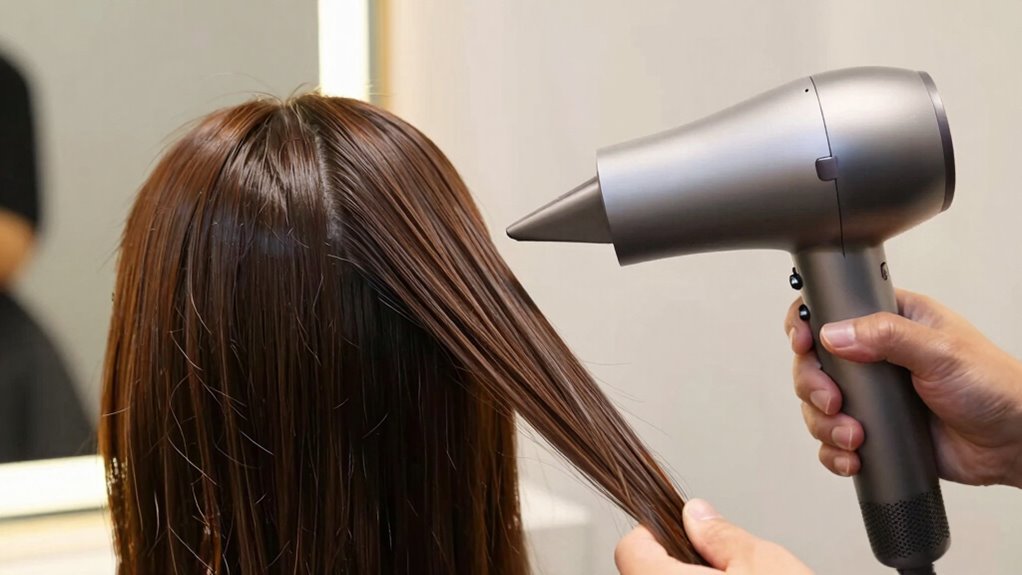
Paying attention to signs of heat damage can save your hair from long-term harm. Look for dullness, split ends, or excessive breakage—these are clear indicators your hair health is suffering. To prevent damage, follow these styling tips:
Watch for dullness, split ends, or breakage to prevent long-term heat damage to your hair.
- Use a heat protectant spray every time you heat style.
- Keep your tools on the lowest effective temperature, especially for fine or damaged hair.
- Limit heat styling sessions to reduce cumulative damage and maintain hair health.
Frequently Asked Questions
Can Using High Heat Cause Permanent Hair Damage?
Yes, using high heat can cause permanent hair damage. When you regularly expose your hair to intense heat, it leads to heat damage, weakening hair strands and causing breakage. This impacts your hair health over time, making your hair appear dull and brittle. To protect your hair, always use a heat protectant and keep the heat setting at a moderate level, preventing long-term damage and maintaining healthy, shiny hair.
How Often Should I Give My Hair a Heat Break?
Think of your hair as a delicate garden; it needs time to rest after each storm of heat. You should give your hair a heat break every 2-3 days to prevent heat damage and maintain its health. Reducing styling frequency allows your strands to recover and stay strong. Skipping heat styling occasionally, like watering your garden, helps keep your hair vibrant and resilient over time.
Are Ceramic or Tourmaline Tools Safer for Heat Styling?
You’ll find ceramic and tourmaline tools are both safe options for heat styling. Ceramic safety means they distribute heat evenly, reducing hot spots that can damage hair. Tourmaline benefits include emitting negative ions, which help lock in moisture and add shine. Using these tools at the right temperature, along with heat protectant, keeps your hair healthier, so choose based on your styling needs and enjoy safer, smoother results.
What Are Signs That My Hair Has Been Overheated?
If your hair feels brittle, looks dull, or becomes frizzy and difficult to manage, it’s a sign of overheated damage. You might notice increased split ends or a rough texture, indicating compromised hair health. Excessive heat can weaken strands, leading to breakage. Pay attention to these signs, reduce heat exposure, and always use a heat protectant to prevent ongoing heat damage and preserve your hair’s overall health and shine.
Does Hair Thickness Influence the Ideal Heat Setting?
Ironically, thicker hair isn’t always the best indicator for higher heat settings, since hair density and scalp sensitivity matter more. If you have dense or coarse hair, you might need slightly higher heat, but if your scalp is sensitive, go lower regardless of thickness. You want to balance styling power with hair health, so adjust your heat to suit your hair’s texture and your scalp’s comfort, not just thickness.
Conclusion
Remember, while higher heat settings may speed up your blowout, they also increase the risk of damage. Some believe that reaching the maximum heat instantly is safest for quick styling, but in reality, moderate temperatures often protect your hair better in the long run. By understanding your hair type and using the right heat, you can achieve a flawless look without sacrificing its health. Don’t fall for the myth that hotter is always better—your hair will thank you.