
To understand skin barriers, recognize that they defend against environmental damage while keeping moisture in. Your skin’s acid mantle and lipid layer work together to prevent infections, irritation, and dryness. Protect and repair your barrier by using gentle cleansers, moisturizers with ceramides or hyaluronic acid, and daily sun protection. Avoid harsh scrubbing or over-washing to prevent damage. Caring for your skin’s barrier is key, and if you want to learn more, you’re in the right place.
Key Takeaways
- The skin barrier, consisting of the acid mantle and lipid layer, protects against environmental damage and prevents moisture loss.
- Disruption of the barrier increases skin sensitivity, dryness, irritation, and susceptibility to infections.
- Use gentle cleansers, ceramide-rich products, and avoid over-exfoliation to repair and strengthen the skin barrier.
- Incorporate soothing ingredients like niacinamide and hyaluronic acid to support barrier health and hydration.
- Maintain overall skin health through hydration, sun protection, and a balanced diet to promote natural repair processes.
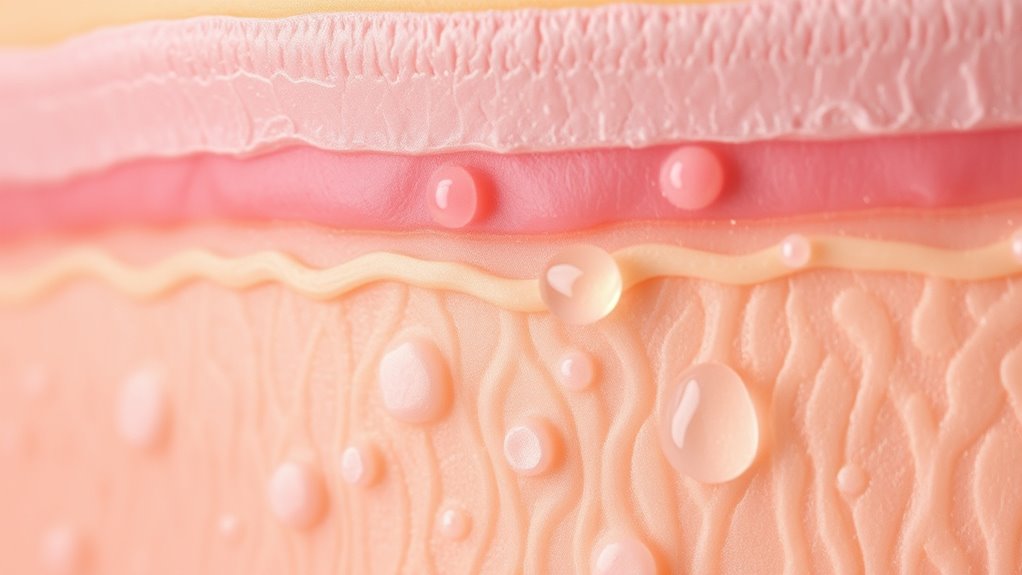
Your skin barrier is your body’s first line of defense, protecting you from environmental damage, pollutants, and bacteria. It acts as a shield to keep harmful elements out while retaining essential moisture inside. Central to this barrier is the acid mantle, a thin film on the skin’s surface composed of sebum, sweat, and natural oils. This layer maintains a slightly acidic pH, typically around 4.5 to 5.5, which creates an inhospitable environment for bacteria and fungi. When the acid mantle is intact, it helps prevent infections and keeps your skin healthy. However, numerous factors like harsh cleansers, over-exfoliation, and environmental stress can disrupt this delicate balance.
Your skin’s first defense is the acid mantle, protecting against bacteria and environmental damage.
Beneath the acid mantle lies the lipid layer, a vital component of your skin’s barrier. This lipid layer is made up of ceramides, fatty acids, and cholesterol, forming a protective film that seals in moisture and prevents water loss. Think of it as a waterproof barrier that keeps hydration in and irritants out. When the lipid layer is compromised, your skin becomes more susceptible to dryness, irritation, and sensitivity. You might notice your skin feeling tight, flaky, or dull. Restoring and maintaining this layer is essential for healthy skin, especially if you experience frequent redness or dehydration.
To keep your skin barrier strong, you need to support both the acid mantle and the lipid layer. Use gentle cleansers that don’t strip away natural oils or disrupt the pH balance. Look for products that contain ceramides, fatty acids, and humectants like glycerin or hyaluronic acid, which help replenish moisture and reinforce the lipid barrier. Avoid over-washing or scrubbing, as this can damage these protective layers. Incorporate soothing ingredients such as niacinamide or aloe vera, which help calm inflammation and repair skin. Wearing sun protection daily also shields your barrier from UV damage, which can weaken it over time.
In addition, pay attention to your lifestyle. Hydrate well, eat a nutrient-rich diet, and get enough sleep to support your skin’s natural repair processes. Ensuring your skincare routine includes products with skin barrier repair ingredients can further enhance your skin’s resilience. If your skin feels compromised or shows signs of sensitivity, consider consulting a dermatologist for tailored advice. Remember, a healthy skin barrier isn’t built overnight; it’s a continuous effort to nurture your skin’s natural defenses. When you prioritize gentle care and hydration, you help your acid mantle and lipid layer do their jobs effectively, ensuring your skin remains resilient, radiant, and protected against daily stressors.

COSRX Ceramide Skin Barrier Moisturizer for Face with 7 Ceramides, Hyaluronic Acid & Panthenol for All Skin Types, 2.7 fl.oz, Korean Skin Care
200+hrs of Deep Hydration: Lock in moisture for 200+ hours with 1 use. Experience moisturized soothed, and stronger…
As an affiliate, we earn on qualifying purchases.
As an affiliate, we earn on qualifying purchases.
Frequently Asked Questions
How Do I Know if My Skin Barrier Is Damaged?
If your skin feels unusually sensitive, dry, or irritated, your skin barrier might be damaged. You’ll notice increased moisture loss, leading to flaky or rough patches. You may also experience redness, itching, or a stinging sensation after skincare or exposure to the environment. These signs indicate your skin’s protective function is compromised. To confirm, observe if simple products cause more irritation than usual and consider consulting a dermatologist for proper assessment.
Can Diet Affect My Skin Barrier Health?
Yes, your diet can affect your skin barrier health. When you eat nutrient-rich foods, you enhance nutrient absorption, supporting your skin’s repair and protection. Conversely, poor diets can disrupt the gut-skin connection, leading to inflammation and weakened barriers. To keep your skin resilient, focus on balanced meals with vitamins, minerals, and antioxidants. A healthy diet nourishes your skin from the inside out, strengthening your barrier and promoting overall skin health.
Are Natural Remedies Effective for Repairing Skin Barriers?
Natural remedies like herbal remedies and topical oils can be effective for repairing your skin barrier. Herbal remedies often contain antioxidants and anti-inflammatory properties that soothe and heal damaged skin. Topical oils, such as jojoba or argan oil, help lock in moisture and restore the skin’s protective layer. Consistently using these remedies can support your skin’s natural healing process, but it’s best to combine them with a healthy skincare routine for ideal results.
How Long Does It Take to Restore a Damaged Skin Barrier?
It typically takes about 2 to 4 weeks for your skin to start showing noticeable signs of barrier recovery, but complete skin renewal can take up to 6 weeks or longer. Factors like your skincare routine, hydration, and avoiding irritants influence this process. Consistently moisturize and protect your skin to support barrier recovery, and be patient, as restoring a damaged skin barrier is a gradual process that requires ongoing care.
Can Environmental Factors Permanently Harm My Skin Barrier?
Pollution effects and UV damage can cause lasting harm to your skin barrier, much like erosion shaping a landscape. While some damage might seem permanent, your skin has remarkable healing abilities. By consistently protecting it with sunscreen, avoiding harsh pollutants, and maintaining a gentle skincare routine, you can repair and restore its health. Though environmental factors challenge your skin, proper care helps prevent permanent harm and promotes resilience over time.
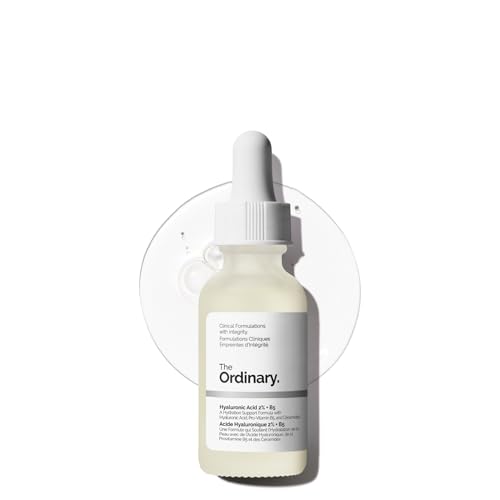
The Ordinary Hyaluronic Acid 2% + B5 (with Ceramides), Multi-Depth Hydration Serum for Plumper, Smoother Skin, 1 Fl Oz
INSTANT HYDRATION: Provides immediate, long-lasting hydration for smoother, plumper, and healthier-looking skin.
As an affiliate, we earn on qualifying purchases.
As an affiliate, we earn on qualifying purchases.
Conclusion
Now that you understand how your skin barrier works, you’ll start noticing small signs when it needs care. Sometimes, a simple change—like switching to a gentler cleanser or moisturizing more—can make a big difference. It’s funny how just paying attention to your skin’s signals can prevent bigger issues down the line. So, keep an eye out, nurture your skin daily, and you might be surprised at how resilient and vibrant your skin can become—almost like magic.

Vanicream Gentle Facial Cleaner, 2.5 Fl Oz, Formulated without Common Irritants for Sensitive Skin, Removes Makeup, Dirt & Excess Oils, Non-Comedogenic, pH-Balanced Face Wash
Gentle Cleansing for Sensitive Skin: Vanicream is the #1 dermatologist-recommended Brand for Sensitive Skin*. This face wash helps…
As an affiliate, we earn on qualifying purchases.
As an affiliate, we earn on qualifying purchases.

Eucerin Daily Hydration Broad Spectrum SPF 30 Sunscreen Body Cream for Dry Skin, Fragrance Free Sunscreen Moisturizer, 8 Oz Tube
2-in-1 Formula: This Eucerin body cream is a 2-in-1 formula that moisturizes dry skin while helping protect from…
As an affiliate, we earn on qualifying purchases.
As an affiliate, we earn on qualifying purchases.