
To cultivate genuine connections in 2025, focus on moving beyond passive online interactions by engaging actively in groups or local events that match your interests. Build trust through authentic conversations, support others, and foster inclusivity within your community. Balance digital and face-to-face meetings to strengthen bonds. Patience and effort are key, as relationships evolve over time. Keep exploring ways to deepen your connections, and you’ll find meaningful community can help combat loneliness more than ever before.
Key Takeaways
- Prioritize active engagement by joining interest groups and initiating meaningful conversations beyond surface-level interactions.
- Foster authentic relationships through genuine interest, active listening, and consistent support, both online and offline.
- Create inclusive spaces and organize community activities to promote a sense of belonging and mutual trust.
- Transition virtual connections into real-world meetups to strengthen social bonds and deepen relationships.
- Practice patience and ongoing effort to nurture connections, recognizing their role in combating loneliness and building resilience.

Have you ever felt that loneliness can strike even when you’re surrounded by others? It’s a common experience in today’s world, where digital connections often replace face-to-face interactions. Despite being constantly connected through social media and messaging apps, many people still grapple with feelings of isolation. The paradox is that virtual friendships, while convenient, can sometimes leave you feeling more alone if they lack depth or genuine connection. That’s why community building remains essential, even in a digital age. Cultivating meaningful relationships involves more than just scrolling through profiles or exchanging quick messages. It’s about creating spaces where you feel seen, heard, and valued.
Loneliness persists despite digital connections; genuine community requires effort, depth, and authentic relationships.
To foster true community, you need to move beyond passive interactions and actively engage with others. Whether online or offline, building a sense of belonging requires effort. This could mean joining interest-based groups, participating in local events, or even initiating conversations that go beyond small talk. Virtual friendships can serve as a valuable starting point—they allow you to connect with like-minded individuals across distances you never thought possible. But they shouldn’t be an end in themselves. Instead, think of them as a bridge to deeper, real-world connections. For example, after forming a bond online, you might suggest meeting up in person or collaborating on shared projects. This shift from virtual to physical strengthens your community ties, making your social circle more resilient and fulfilling.
Community building isn’t just about increasing your social network; it’s about creating a support system where everyone feels included. You can do this by actively listening to others, showing genuine interest, and offering help when needed. Small gestures—like welcoming new members, organizing group activities, or simply checking in—can markedly enhance the sense of belonging. Remember, the goal isn’t to be popular but to cultivate authentic relationships rooted in trust and mutual respect. In today’s world, digital platforms provide tools to connect, but it’s your intentional efforts that turn those connections into a supportive community. By fostering both virtual friendships and real-world interactions, you’re building a network that can help combat loneliness and promote well-being.
As you continue to nurture these connections, keep in mind that community building is an ongoing process. It requires patience, openness, and a genuine desire to connect. Over time, these relationships can evolve into a source of comfort, inspiration, and resilience. In 2025, your ability to bridge the gap between virtual and real-world communities will be key to overcoming loneliness and creating a richer, more connected life. Recognizing the importance of color accuracy in digital displays can help you better appreciate the significance of authentic, true-to-life connections—whether visual or social.

Social Work Practice with Groups, Communities, and Organizations: Evidence-Based Assessments and Interventions
Used Book in Good Condition
As an affiliate, we earn on qualifying purchases.
As an affiliate, we earn on qualifying purchases.
Frequently Asked Questions
How Does Technology Influence Community Building in 2025?
Technology shapes community building in 2025 by enabling virtual interactions that foster real connections. You can join digital neighborhoods where shared interests bring people together, breaking geographical barriers. These platforms allow you to engage actively, creating a sense of belonging even from afar. As a result, technology helps you cultivate meaningful relationships, strengthening community bonds through accessible, constant virtual interactions that keep you connected with others.
What Role Do Workplaces Play in Reducing Loneliness?
You might be surprised, but workplaces play a vital role in reducing loneliness by fostering genuine workplace camaraderie and prioritizing office wellness. When you engage in team activities and promote open communication, you build stronger bonds. These efforts create a supportive environment where you feel connected and valued, ultimately combating loneliness. Emphasizing community within the office transforms it into a space that nurtures both your professional and personal well-being.
How Can Rural Areas Foster Stronger Social Connections?
You can foster stronger social connections in rural areas by actively participating in rural social networks and attending community events. Encourage neighbors to organize gatherings, support local festivals, and create online groups that connect residents. By engaging regularly, you build trust, share resources, and strengthen bonds. Your involvement helps reduce isolation, making your community more welcoming and connected for everyone.
What Are Effective Strategies for Vulnerable Populations?
To support vulnerable populations, you should prioritize mental health support and inclusive outreach. You can create safe spaces where they feel valued and heard, and tailor programs to meet their unique needs. Engage community leaders and organizations to foster trust, ensuring accessibility for all. By actively listening and providing consistent support, you help build a stronger, more connected community where everyone feels empowered to participate and thrive.
How Will Societal Changes Impact Future Community Initiatives?
Societal shifts will reshape your community efforts like a river carving new paths. Digital neighborhoods will become the bridges connecting isolated individuals, while urban renewal projects breathe new life into neglected spaces. You’ll find yourself steering these changes, fostering stronger bonds amid evolving landscapes. Embracing technology and revitalization efforts, you’ll help transform communities into vibrant hubs where everyone feels rooted and valued, despite the ever-changing social currents.

THE ART OF MEETING MANAGEMENT: A Comprehensive Guide to Manage Professional Meetings, Virtual Meetings, Events, Conventions, and Expositions
As an affiliate, we earn on qualifying purchases.
As an affiliate, we earn on qualifying purchases.
Conclusion
As you nurture genuine connections, remember that building community is like tending a delicate garden—you must water it with kindness and patience. In 2025, your efforts to reach out can transform loneliness into a vibrant tapestry of shared moments. Embrace the power of small gestures and open hearts, for together, you can turn the quiet ache of solitude into a symphony of belonging. Your actions are the seeds that blossom into lasting bonds.
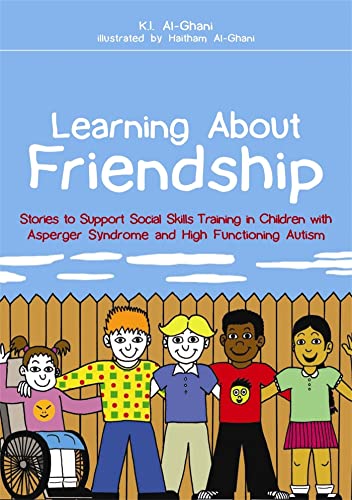
Learning About Friendship: Stories to Support Social Skills Training in Children with Asperger Syndrome and High Functioning Autism
Used Book in Good Condition
As an affiliate, we earn on qualifying purchases.
As an affiliate, we earn on qualifying purchases.
face-to-face meetup organizer
As an affiliate, we earn on qualifying purchases.
As an affiliate, we earn on qualifying purchases.