

An ESA letter is proof from a licensed mental health professional that your animal provides emotional support and is legally allowed to accompany you in housing and travel. This letter helps you access housing without discrimination and can ease travel restrictions. It confirms your animal’s role in supporting your mental health. Knowing what an ESA letter entails and how it protects you can make your experience smoother—there’s more to understand about how these letters work and their benefits.
Key Takeaways
- An ESA letter from a licensed mental health professional confirms the need for emotional support animals.
- ESA letters are essential for legal protections in housing and travel accommodations.
- The letter must specify that the animal provides emotional support related to your mental health condition.
- Proper ESA documentation helps prevent eviction or denial of housing due to the animal.
- ESA letters do not grant public access rights like service animals but support specific legal protections.

Emotional support animals (ESAs) have become a popular way for people to find comfort and relief from mental health challenges. They provide companionship and help ease symptoms of conditions like anxiety, depression, and PTSD. But understanding what legal rights you have with an ESA and what training requirements are necessary is essential to making the most of this support.
When it comes to legal rights, ESAs are protected primarily under the Fair Housing Act and the Air Carrier Access Act. This means you generally cannot be evicted from your housing or denied housing accommodations because of your ESA, as long as you make a proper request and provide an ESA letter from a licensed mental health professional. However, unlike service animals, ESAs do not have unlimited public access rights. They are not allowed in all public places, such as restaurants or shopping malls, unless explicitly permitted by law. Recognizing these distinctions helps you understand where and when your ESA can accompany you, ensuring you’re not caught off guard in any situation.
Training requirements for ESAs are often misunderstood. Unlike service animals, which require extensive training to perform specific tasks, ESAs don’t need specialized training to assist with a disability. However, they should be well-behaved, house-trained, and socialized to prevent issues in housing or during travel. Basic obedience training is recommended to ensure your ESA can coexist comfortably in various environments. This level of training helps maintain harmony in shared spaces and ensures your animal doesn’t cause disruptions. While you don’t need to enroll your ESA in advanced training programs, demonstrating that it’s calm, non-aggressive, and responsive can strengthen your case for the legal protections you seek. Additionally, understanding the training standards that support your ESA’s well-being can be beneficial.

Registered Emotional Support Animal Certificate – Personalized ESA Certificate with Embossed Foil Seal, ESA Handout Cards, Duplicate Copy & Folder – Lifetime Registration – Made in USA
✅ Personalized ESA Certificate – Includes your name, your animal’s name, registration date, and certificate number for a…
As an affiliate, we earn on qualifying purchases.
As an affiliate, we earn on qualifying purchases.
Frequently Asked Questions
How Do I Qualify for an ESA Letter Legally?
You qualify for an ESA letter legally by meeting the mental health professional’s criteria, which involves a certification process. You need to consult a licensed mental health provider who will assess your emotional or psychological condition. If they determine an ESA is necessary for your well-being, they’ll provide a legitimate ESA letter. Guarantee the provider’s credentials are valid, and the letter meets legal requirements for housing and travel accommodations.
Can ESAS Travel With Me Internationally?
Yes, ESAs can travel with you internationally, but you need to verify the specific travel regulations and international requirements. Airlines and countries have different rules for emotional support animals, including documentation like an ESA letter, health records, and proof of vaccinations. Always confirm with your airline and destination country’s regulations ahead of time to ensure a smooth journey. Proper preparation helps avoid issues at airports or border crossings.
Are ESAS Allowed in All Housing Types?
You might think ESAs are permitted everywhere, but that’s not always true. Housing regulations vary, and pet policies differ by landlord or complex. Many places accept ESAs under the Fair Housing Act, but some properties have restrictions or require valid ESA letters. Check your specific housing’s pet policies and local regulations beforehand. Always communicate openly with your landlord to confirm your ESA is permitted in your housing.
What Are the Costs Associated With Obtaining an ESA Letter?
The costs associated with obtaining an ESA letter typically range from $100 to $450, depending on the provider. Consider cost considerations carefully, as prices vary widely. Some mental health professionals offer sliding scale fees or financial assistance options, making it easier to afford an ESA letter. Remember, investing in a legitimate letter can markedly improve your access to housing and emotional support, so weigh costs against the benefits.
How Often Do I Need to Renew My ESA Documentation?
Think of renewing your ESA documentation like maintaining a garden; regular care keeps everything thriving. Typically, you need to renew your ESA letter annually, guaranteeing your pet therapy and emotional bonding remain recognized. This renewal process helps your mental health provider confirm your ongoing need for support. Staying on top of these renewals ensures your emotional support animal continues to be an essential part of your well-being.
well-behaved ESA training aids
As an affiliate, we earn on qualifying purchases.
As an affiliate, we earn on qualifying purchases.
Conclusion
Having an emotional support animal can crucially improve your quality of life, providing comfort and stability when you need it most. Did you know that nearly 70% of ESAs help reduce feelings of loneliness and anxiety? With the right ESA letter, you can access these benefits more easily, ensuring your furry friend is recognized as a essential part of your mental health journey. Embrace the support they offer and take confident steps toward emotional well-being.

OUT! PetCare Go Here Attractant Dog and Puppy Potty Training Spray, Safe & Effective Puppy Pee Spray, Dog Housebreaking Supplies, Indoor and Outdoor House Training Tool, 32 oz
GO HERE SPRAY: Protect your floors and lawn with OUT Attractant Spray for Dogs; Simply spray where you…
As an affiliate, we earn on qualifying purchases.
As an affiliate, we earn on qualifying purchases.
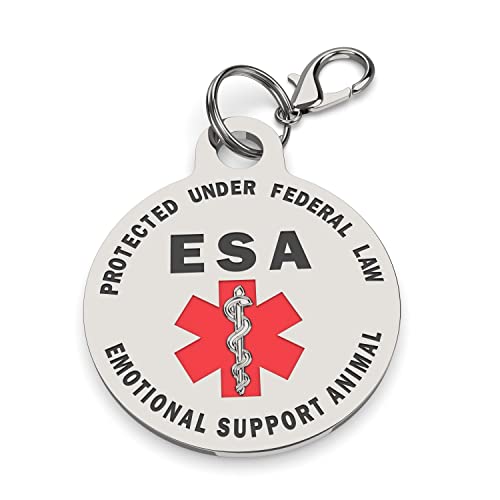
Double Sided Small Breed Emotional Support Animal ESA Tag Red Medical Alert Symbol and Protected by Federal Law .999 inch ID Tag. Easily Switch Between Collars Harness and Vest.
⭐【𝗥𝗘𝗟𝗜𝗔𝗕𝗟𝗘 𝗤𝗨𝗔𝗟𝗜𝗧𝗬】: Experience the lasting durability of our Personalized Service Dog Tag. Crafted from high-quality stainless steel, this…
As an affiliate, we earn on qualifying purchases.
As an affiliate, we earn on qualifying purchases.