

Expressive writing allows you to process complex emotions by putting your thoughts into words, offering a safe space for healing. It helps you release feelings like anger, sadness, and anxiety, reducing their intensity over time. Writing also clears mental fog, improves focus, and develops self-awareness. As you confront your emotions honestly, you’ll build resilience and gain clarity. Exploring this practice further can discover more ways to support your emotional well-being and personal growth.
Key Takeaways
- Writing about emotions provides a safe outlet, reducing mental burden and preventing unresolved feelings from worsening mental health.
- Expressive writing clarifies thoughts, revealing patterns and connections that aid in understanding and problem-solving.
- Regular writing enhances emotional resilience, self-awareness, and promotes a positive outlook during stressful times.
- The process fosters self-acceptance, promotes healing, and supports ongoing personal growth through honest reflection.
- Incorporating supportive habits like nourishing nutrients and establishing routines strengthens emotional coping and overall well-being.

Have you ever noticed how putting your thoughts into words can lighten a heavy mind? When you sit down to write about your feelings, you might be surprised at how quickly a weight lifts from your shoulders. This act of expressive writing isn’t just about jotting down random thoughts; it’s a powerful tool for emotional release. By putting your inner turmoil into words, you create a safe space to process complex emotions, helping you let go of anger, sadness, or anxiety that might otherwise simmer beneath the surface. As you write, you might find that the intensity of your feelings diminishes, and clarity begins to emerge. This emotional release is essential for healing because it prevents unresolved feelings from festering and affecting your mental health. When you don’t suppress what you feel, you make room for understanding and acceptance, which are key to emotional well-being.
Writing about your experiences can also bring about mental clarity—an important benefit that many overlook. As you articulate your thoughts, you start to see patterns or connections that weren’t obvious before. It’s like clearing a foggy window; suddenly, your mind becomes sharper and more focused. When emotions are bottled up, your brain can become overwhelmed, making it hard to concentrate or think rationally. Expressive writing cuts through that clutter, allowing you to organize your thoughts in a coherent way. This process not only helps you understand your feelings better but also enables you to develop solutions or new perspectives. Over time, you’ll notice that your mind feels less chaotic and more centered, giving you a sense of control that’s often missing during stressful periods. Incorporating beneficial nutrients and antioxidants from natural sources like honey can enhance your overall mental health and resilience.
Furthermore, engaging in regular expressive writing can strengthen your emotional resilience. It trains you to confront tough feelings rather than avoiding them, fostering a healthier relationship with your emotions. This habit can also serve as a form of self-care, giving you a moment to pause and reflect amidst life’s chaos. The act of writing encourages honesty and vulnerability, which are essential for genuine emotional release and mental clarity. As you continue, you’ll discover that your thoughts become more organized, your feelings more manageable, and your overall outlook more positive. By embracing expressive writing, you empower yourself to navigate life’s challenges with greater ease, turning your words into a pathway for healing and self-discovery.

Expressive Writing for Healing: A 60-Day Guided Journal Inspired by Dr. James W. Pennebaker
As an affiliate, we earn on qualifying purchases.
As an affiliate, we earn on qualifying purchases.
Frequently Asked Questions
Can Expressive Writing Replace Traditional Therapy?
Expressive writing can’t fully replace traditional therapy, but it offers emotional catharsis and promotes self-discovery. When you write honestly about your feelings, you process emotions more effectively and gain insight into yourself. However, therapy provides professional guidance and support that writing alone can’t match. Combining both can enhance your healing journey, giving you a safe space for reflection while benefiting from expert advice and tailored interventions.
How Long Should Each Writing Session Last?
Ever wonder how long your writing sessions should last? Ideally, you should aim for 15 to 20 minutes per session. This writing duration allows you to dive deep without feeling overwhelmed. Keep your session length consistent, but listen to your intuition—if you need more or less time, adjust accordingly. Remember, quality matters more than quantity, so focus on expressing yourself authentically during each session.
Is There an Ideal Frequency for Expressive Writing?
You should aim for consistent writing sessions, ideally several times a week, to build momentum and benefit from expressive writing. Keep each session manageable, around 15 to 20 minutes, focusing on maintaining writing consistency. Regular practice helps you process emotions effectively and makes it easier to develop a habit. Stick to this routine, and over time, you’ll notice improved emotional clarity and healing through your dedicated expressive writing.
Can Expressive Writing Help With Specific Mental Health Conditions?
Think of expressive writing as a bridge guiding you over turbulent waters. It can help with mental health conditions by aiding emotion regulation and trauma processing. When you pour your feelings onto paper, you untangle complex emotions, making them easier to understand and manage. This process fosters healing and resilience, helping you regain control and clarity amid emotional storms. So, by regularly writing, you nurture your mental well-being and find calm within chaos.
Are There Any Risks Associated With Expressive Writing?
Yes, there are some risks with expressive writing. You might experience emotional release that brings up intense feelings or memories, which can be overwhelming. Additionally, writing fatigue could occur if you overdo it, leading to frustration or emotional exhaustion. To minimize these risks, take breaks, set boundaries, and seek support if feelings become too intense. Always listen to your emotional needs during the process.

NEGIGA It is Okay to Feel Mental Health Feelings and Emotions Chart Lined Spiral Journal Notebook 8.3×5.5 Inches Hardcover College Ruled Notebook Journal for Work Note Taking Journaling
CONVENIENT SIZE: Our 8.3" x 5.5" spiral bound notebooks with 82 sheets /164pages and the weighs about 300…
As an affiliate, we earn on qualifying purchases.
As an affiliate, we earn on qualifying purchases.
Conclusion
Now that you’ve embraced expressive writing, you’ve unlocked a powerful tool to heal and grow. Think of your words as tiny seeds planted in the soil of your soul—each one has the potential to blossom into clarity, strength, and peace. Keep writing honestly and openly, and watch how your feelings transform from stormy clouds into clear skies. Your words are your wings, ready to lift you toward healing and new beginnings.

SOULVIA Guided Journal for Self-Discovery – 180 Undated Prompts for Gratitude, Healing, Personal Growth & Mindfulness – Wellness Journal for Emotional Clarity, Self Care & Mental Health Gift for Women & Men
180 GUIDED PROMPTS: 180 thoughtful prompts for intention, healing, gratitude, and growth—this guided daily journal with prompts helps…
As an affiliate, we earn on qualifying purchases.
As an affiliate, we earn on qualifying purchases.
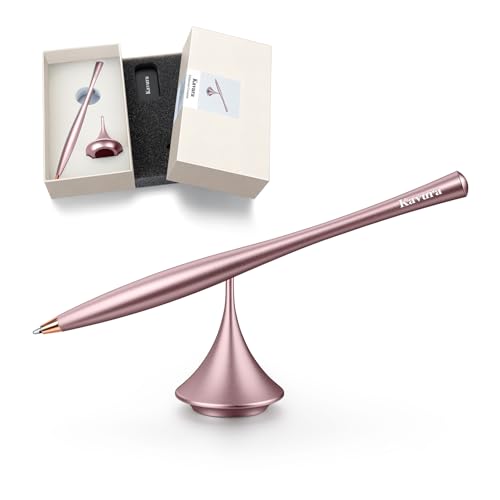
Kavura Pink Metal Gravity Spinner Pen for Women – Aesthetic Balanced Desk Pen with Smooth Rotating Design – Stress Relief Writing Tool with Japanese Precision Finish – Elegant Gift for Her
【Elegant Gift for Women】Designed with a refined pink anodized finish and minimalist gravity-balanced form, this aesthetic desk pen…
As an affiliate, we earn on qualifying purchases.
As an affiliate, we earn on qualifying purchases.