
During menopause, hormonal shifts can cause mood swings, anxiety, and persistent sadness, making emotional management challenging. These fluctuations affect brain chemistry and sleep patterns, often amplifying feelings of overwhelm and tearfulness. Applying strategies like regular exercise, a balanced diet, and stress reduction can help you cope better. If these emotions become overwhelming or persistent, seeking support from professionals or loved ones can make a significant difference. To understand how to navigate these changes effectively, explore the insights that follow.
Key Takeaways
- Hormonal shifts during menopause can cause mood swings, irritability, anxiety, and depression.
- Sleep disruptions linked to hormonal changes worsen emotional instability during menopause.
- Recognizing symptoms as common helps reduce stress and manage expectations effectively.
- Lifestyle strategies like exercise, healthy diet, and stress management support emotional well-being.
- Seeking professional support, therapy, or medications can alleviate severe or persistent mental health issues.

Menopause is a natural phase in a woman’s life that often brings about significant mental health challenges. During this time, your body undergoes hormonal fluctuations that can directly impact your emotional well-being. These changes in your hormone levels, especially the decline in estrogen and progesterone, can lead to mood disorders, making you feel more irritable, anxious, or depressed than usual. It’s important to recognize that these feelings are common and rooted in biological shifts, not personal failures or weaknesses.
As your hormones fluctuate, you might notice sudden shifts in your mood or persistent feelings of sadness. These emotional changes aren’t just in your head—they’re linked to the chemistry of your brain adjusting to new hormonal levels. You may find yourself feeling overwhelmed or experiencing bouts of tearfulness without a clear reason. These mood disorders can also affect your sleep, leading to a cycle where poor rest worsens your emotional state, creating a challenging feedback loop. Understanding that hormonal fluctuations are at the core can help you approach these feelings with more compassion and patience. Engaging in mental health support can be particularly beneficial during this transition.
It’s essential to stay proactive about managing these mental health changes. Regular physical activity, a healthy diet, and stress-reduction techniques can help stabilize your mood. Exercise, in particular, releases endorphins that boost your overall emotional resilience. Additionally, talking to trusted friends, family, or mental health professionals can provide support and validation. If mood disorders become severe or persistent, don’t hesitate to seek medical advice. There are therapies and medications that can help balance your hormones or address symptoms directly, easing your emotional burden.
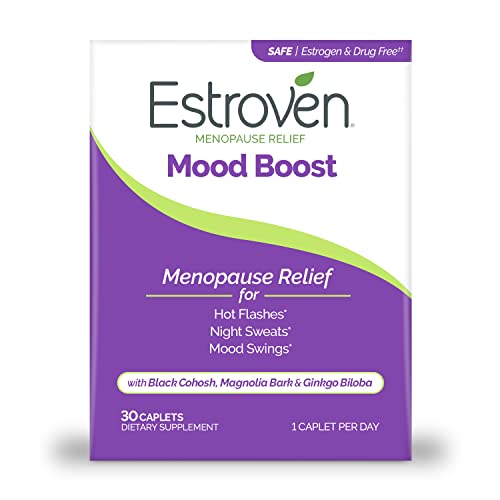
Estroven Mood Boost for Menopause Relief, Helps Reduce Hot Flashes & Night Sweats, Helps Manage Mood Swings, 30 Count
HELPS MANAGE MOOD, MEMORY and STRESS: Stress and irritability are common symptoms of menopause, but are very manageable;…
As an affiliate, we earn on qualifying purchases.
As an affiliate, we earn on qualifying purchases.
Frequently Asked Questions
Can Menopause Cause Long-Term Depression?
Menopause can contribute to long-term depression due to hormonal fluctuations that affect your mood and emotional resilience. These changes may increase the risk of persistent feelings of sadness or hopelessness. While not everyone experiences long-term depression, it is crucial to recognize the signs early. You should seek support from healthcare professionals to manage emotional changes effectively and maintain your mental well-being during this period.
Are There Specific Therapies for Menopause-Related Anxiety?
Yes, there are specific therapies for menopause-related anxiety. Mindfulness therapy helps you manage stress and emotional fluctuations by promoting relaxation and present-moment awareness. Additionally, hormone balancing treatments can reduce symptoms by addressing hormonal imbalances contributing to anxiety. Combining these approaches often provides the most effective relief, empowering you to navigate emotional changes confidently and improve your overall well-being during menopause.
How Does Menopause Affect Cognitive Function?
During menopause, you might experience cognitive decline and memory lapses, which can make it harder to focus or recall information. Hormonal changes affect neurotransmitters, impacting your brain’s function. You may notice these symptoms vary in intensity and duration. To cope, stay active mentally and physically, get enough sleep, and manage stress. Consulting a healthcare professional can help you find strategies to support your cognitive health during this changeover.
Can Lifestyle Changes Improve Mood During Menopause?
Yes, lifestyle modifications can improve your mood during menopause. As hormonal fluctuations impact your emotional well-being, adopting healthy habits like regular exercise, balanced nutrition, and stress management techniques can make a difference. These lifestyle changes help stabilize your mood, boost energy, and reduce symptoms. By actively engaging in self-care and making positive adjustments, you support your mental health and navigate menopause more comfortably.
Is It Safe to Use Antidepressants During Menopause?
Yes, it’s generally safe to use antidepressants during menopause, but you should consult your healthcare provider first. They might consider hormone therapy or herbal remedies to complement your treatment. Antidepressants can effectively manage mood swings, but your doctor will evaluate your overall health and any potential interactions with other menopause treatments. Always follow medical advice to guarantee safe and effective management of your mental health during this change.
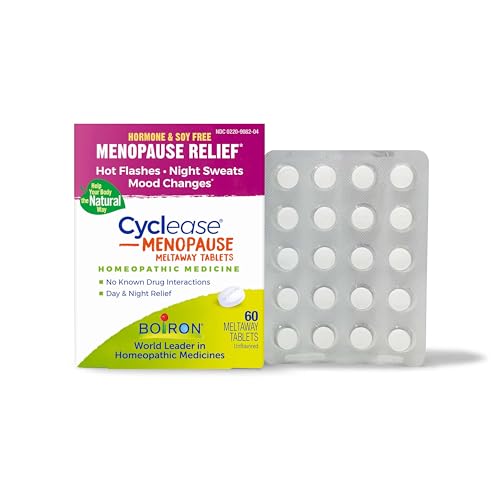
Boiron Cyclease Menopause Tablets for Relief of Hot Flashes, Night Sweats, Irritability, and Mood Swings – 60 Count
[MULTI-SYMPTOM RELIEF FOR SYMPTOMS OF PERIMENOPAUSE AND MENOPAUSE: HOT FLASHES, NIGHT SWEATS, MOOD CHANGES] Soy-free and hormone-free Cyclease…
As an affiliate, we earn on qualifying purchases.
As an affiliate, we earn on qualifying purchases.
Conclusion
Guiding menopause might feel like riding a wild rollercoaster, but remember, you’re stronger than any emotional storm. Embrace the changes, seek support, and prioritize self-care—your mental health is the anchor in this tumultuous journey. With patience and compassion, you can turn these challenges into powerful moments of growth. Trust that, like the dawn after night, brighter days await, shining with renewed strength and resilience you never knew you had.

Menopause Supplements for Women – Natural Hormone Balance – Hot Flashes, Night Sweats, Sleep & Mood Support. with Sensoril® Ashwagandha, DIM, Chaste Berry & Black Cohosh Root – 60 Count
HOT FLASH & NIGHT SWEATS – With Black Cohosh, Chasteberry, Red Clover & DIM our menopause supplement helps…
As an affiliate, we earn on qualifying purchases.
As an affiliate, we earn on qualifying purchases.

Estroven Sleep Cool for Menopause Relief, 30 Ct, Sleep Support Supplement With Clinically Proven Ingredients to Relieve Menopause Symptoms plus Night Sweats & Hot Flash Relief, Drug-No & Gluten-No
NIGHTLY RELIEF: Take Estroven Sleep Cool as a part of your nightly regimen to help with occasional sleeplessness;…
As an affiliate, we earn on qualifying purchases.
As an affiliate, we earn on qualifying purchases.