
To build workplace wellness, focus on creating a positive environment that promotes both physical and mental health. Offer flexible policies, encourage movement through standing desks or walking breaks, and establish relaxation areas. Promote open communication and mental health awareness, and support employees in incorporating wellness routines into their daily lives. Small consistent efforts from both employers and staff can lead to significant improvements. Stay engaged to discover more strategies that can transform your work culture.
Key Takeaways
- Implement flexible work policies and designated relaxation or quiet zones to support mental health and reduce stress.
- Promote physical activity through initiatives like walking meetings, on-site fitness classes, or standing desks.
- Encourage regular breaks and mindfulness practices to enhance emotional resilience and prevent burnout.
- Foster a supportive culture with open communication, mental health awareness, and peer support networks.
- Provide resources and education on healthy habits, including movement, stress management, and work-life balance strategies.
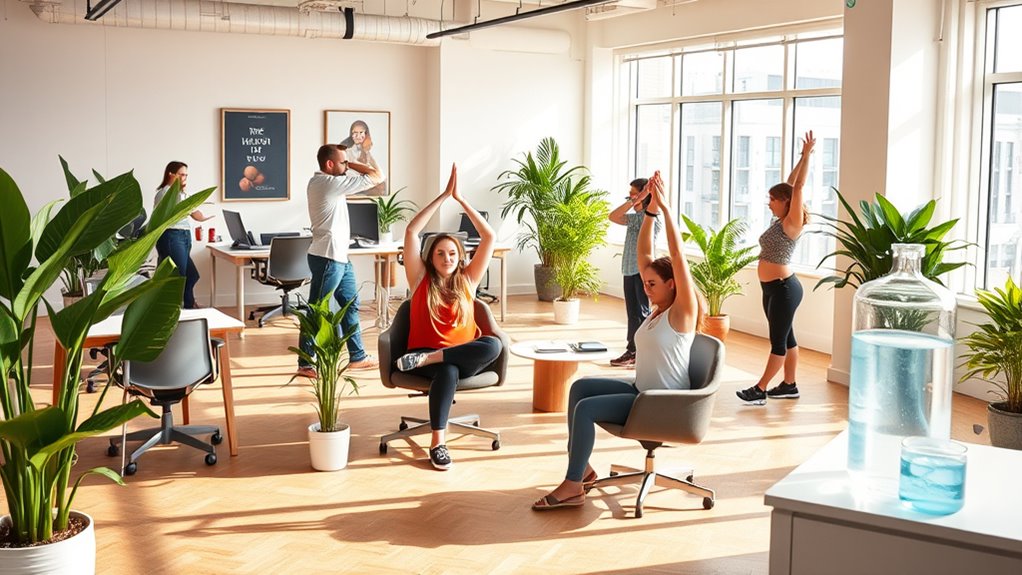
Creating a healthy workplace environment is essential for boosting employee productivity and overall well-being. When you prioritize mental health, you’re not only supporting your employees’ emotional resilience but also enhancing their focus and motivation. A positive mental health climate reduces stress, prevents burnout, and encourages open communication, making it easier for everyone to collaborate effectively. One effective way to promote mental health is by encouraging regular physical activity. When you provide opportunities for employees to move during the day, you help alleviate stress, improve mood, and increase energy levels. Simple initiatives like standing desks, walking meetings, or on-site fitness classes can make a momentous difference. By integrating physical activity into your workplace routines, you foster a culture that values health and well-being, which in turn boosts morale and reduces absenteeism.
Prioritizing mental health and physical activity creates a thriving, resilient workplace culture.
As an employer, you can implement policies that support mental health and physical activity without disrupting productivity. For example, offering flexible work hours allows employees to carve out time for exercise or mental health practices, like meditation or therapy sessions. Creating quiet spaces or relaxation zones within the office can give employees a refuge to decompress during busy days. Encouraging regular breaks and discouraging a culture of constant overwork also play vital roles in maintaining mental health. When employees feel they have the freedom to step away when needed, they’re less likely to experience burnout and more likely to return refreshed and engaged. Incorporating mental health awareness initiatives can further reduce stigma and promote understanding within the workplace.
For employees, taking proactive steps to prioritize mental health and physical activity can lead to a more balanced and satisfying work experience. Incorporate small habits like stretching or brief walks into your daily routine to break up long periods of sitting. Practice mindfulness or deep breathing exercises during stressful moments to regain focus and calm. Don’t hesitate to speak up if you feel overwhelmed; seeking support from supervisors or mental health resources is a sign of strength, not weakness. Additionally, making time for physical activity outside of work hours can appreciably improve your mental clarity and emotional stability. Whether it’s hitting the gym, jogging in the park, or attending a dance class, moving your body helps release endorphins that naturally lift your mood and reduce anxiety.
Ultimately, building a workplace that values mental health and physical activity requires ongoing effort from both employers and employees. When everyone commits to fostering a supportive environment, you create a space where individuals can thrive physically, emotionally, and professionally. The benefits are clear: increased productivity, happier employees, and a workplace culture rooted in health and respect. Every small step toward promoting mental well-being and physical activity contributes to a more resilient and effective organization.
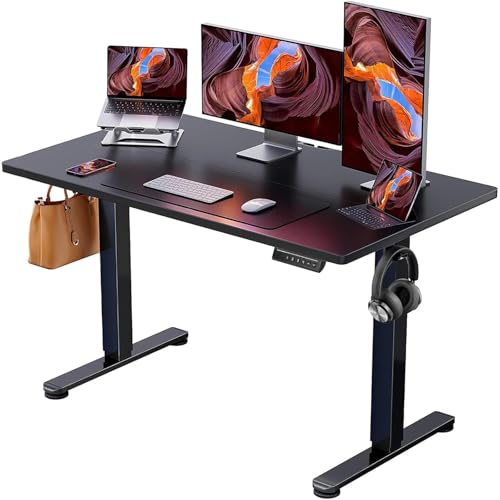
ErGear Height Adjustable Electric Standing Desk, 48 x 24 Inches Sit Stand up Desk, Memory Computer Home Office Desk, Black
Electric Height Adjustable Standing Desk for Comfortable Work – Switch effortlessly between sitting and standing with this electric…
As an affiliate, we earn on qualifying purchases.
As an affiliate, we earn on qualifying purchases.
Frequently Asked Questions
How Can Small Businesses Implement Effective Wellness Programs?
You can implement effective wellness programs by prioritizing mental health support and promoting healthy habits. Offer resources like counseling or mental health days, and encourage open conversations. Incorporate nutrition plans by providing healthy snacks or hosting wellness workshops. Keep programs simple and accessible, and gather feedback to tailor initiatives. Small steps like these can boost employee well-being, increase engagement, and create a healthier, more productive workplace.
What Are Cost-Effective Wellness Initiatives for Startups?
You can boost wellness on a budget by offering affordable fitness options like walking groups or online workout challenges, which require minimal investment but promote activity. Additionally, prioritize mental health initiatives such as peer support networks or mindfulness sessions that foster a supportive environment without breaking the bank. These simple, cost-effective strategies help your startup cultivate a healthier, more engaged team while keeping expenses in check.
How Do Wellness Strategies Impact Employee Productivity Long-Term?
Wellness strategies boost your long-term productivity by improving mental health and increasing job satisfaction. When you prioritize mental well-being, you’re more focused, motivated, and resilient to stress. As your job satisfaction rises, you’re likely to stay engaged and committed, reducing turnover and absenteeism. Over time, these initiatives create a healthier work environment, helping you perform better and sustain your productivity levels, benefiting both you and your organization.
What Legal Considerations Exist for Workplace Wellness Programs?
Think of legal considerations as the compass guiding your wellness journey. You must guarantee legal compliance to avoid rocky waters, especially with privacy concerns that act like delicate glass—you don’t want to shatter trust. Protect employee data, stay updated on laws like HIPAA and ADA, and clearly communicate program policies. Steering through these legal currents keeps your wellness program safe, respectful, and effective, fostering a healthier, more engaged workplace.
How Can Remote Teams Participate in Wellness Activities?
You can encourage remote teams to participate in wellness activities through virtual participation and digital engagement. Use video calls, online challenges, and wellness apps to create inclusive experiences. Schedule flexible times for activities, ensuring everyone can join. Share resources and motivate team members with regular updates. By fostering a virtual community, you make wellness accessible, helping remote employees stay connected, active, and engaged in their health and well-being.

URLLUAE Mental Health Tapestry, Therapy Office Decor, What Zone are You in Feelings Chart Wall Tapestry Backdrop for Therapist Counselor Office Classroom Decoration, 50×60 Inch
Comfortable Size: Measures about 50 x 60 inches, suitable for hanging on walls, draping over beds or sofas,…
As an affiliate, we earn on qualifying purchases.
As an affiliate, we earn on qualifying purchases.
Conclusion
By implementing these workplace wellness strategies, you’ll create a healthier, happier environment where everyone can thrive. Remember, Rome wasn’t built in a day, so be patient and consistent. Small steps lead to big changes, and your efforts will pay off in boosted morale, productivity, and overall well-being. Keep pushing forward, and you’ll see that a little effort now can make a world of difference down the road. Your workplace’s best days are just ahead!

BISINNA Collapsible Trekking Hiking Poles- 2 Pack Folding Aluminum Walking Sticks with Quick Lock System 4 Seasons Accessories,Telescopic, Adjustable, Lightweight for Men Women
【WELL DESIGNED AND DURABLE】BISINNA always put the quality in the first place, every detail is what we value!!…
As an affiliate, we earn on qualifying purchases.
As an affiliate, we earn on qualifying purchases.

Matrix Fitness R50 Recumbent Bike with XUR | 22" Touchscreen (WiFi+BT+HDMI) | Club-Quality Dual Form Frame, Comfort Arc Seat | Quiet Exact Force Induction Brake | Recovery Rides, Low-Impact Workouts
Club-Quality Design for Home Use – Built with the same durable components found in premium gym equipment, engineered…
As an affiliate, we earn on qualifying purchases.
As an affiliate, we earn on qualifying purchases.