
To understand and improve your credit score, regularly review your credit report for errors and disputing inaccuracies. Keep your credit utilization below 30%, and pay all bills on time to boost your payment history. Maintain older accounts to extend your credit history and avoid unnecessary new accounts that cause hard inquiries. Consistent responsible habits and industry awareness help steady your score over time. Continue exploring these strategies to take control of your financial future.
Key Takeaways
- Regularly review your credit report for errors and dispute inaccuracies to ensure it accurately reflects your credit behavior.
- Keep credit utilization below 30% by paying down balances and spreading spending across multiple accounts.
- Make consistent, on-time payments to build a positive payment history that boosts your credit score.
- Maintain old credit accounts open to increase credit age and demonstrate responsible credit management.
- Limit new credit applications and stay informed about industry changes to avoid unnecessary inquiries and score dips.

Your credit score plays a essential role in your financial life, affecting your ability to get loans, secure favorable interest rates, and even rent an apartment. To understand how to improve it, you first need to grasp what influences your score. A key component is your credit report, which is a detailed record of your borrowing history and payment behavior. Regularly reviewing your credit report helps you spot errors or outdated information that could unfairly lower your score. Disputing inaccuracies ensures your report accurately reflects your financial habits, making it easier for lenders to assess your creditworthiness.
Your credit report is vital for understanding and improving your credit score.
Another critical factor impacting your credit score is credit utilization, which refers to the percentage of your available credit that you’re currently using. Keep your credit utilization ratio low—ideally below 30%—to demonstrate responsible credit management. For example, if your total credit limit across all accounts is $10,000, try to keep your balances under $3,000. High credit utilization suggests to lenders that you might be overextending yourself, which can hurt your score. Paying down balances regularly and spreading out your spending across multiple accounts can help keep this ratio in check.
You should also be mindful of your payment history, as timely payments greatly boost your credit score. Late or missed payments stay on your credit report for up to seven years, so establishing a consistent payment pattern is essential. Setting up automatic payments or reminders ensures you never miss a due date, which reflects positively on your credit report and score over time.
Additionally, the age of your credit accounts influences your credit score. Older accounts show a longer track record of responsible borrowing, which can work in your favor. Avoid closing old credit accounts, especially if they have no annual fee, as this can shorten your credit history and potentially lower your score. Instead, keep them open and active by making small purchases that you pay off promptly.
Furthermore, staying informed about industry transformations can help you adapt your credit behaviors to changing financial environments, such as shifts caused by technological advancements or economic trends. Finally, be cautious about opening new credit accounts unless necessary. Each new account can temporarily lower your score due to a hard inquiry, and too many new accounts in a short period can signal financial instability to lenders. Focus on maintaining good habits—such as keeping your credit utilization low, paying bills on time, and reviewing your credit report regularly—and your credit score will gradually improve. Remember, building and maintaining a strong credit score is a marathon, not a sprint, and consistent responsible behavior is your best strategy.
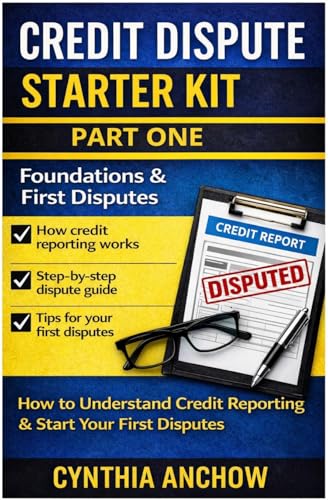
Credit Dispute Starter Kit: A Step-by-Step Guide to Disputing Errors, Collections, and Inaccurate Credit Reporting
As an affiliate, we earn on qualifying purchases.
As an affiliate, we earn on qualifying purchases.
Frequently Asked Questions
How Often Should I Check My Credit Report for Errors?
You should check your credit report at least once a year to guarantee credit report accuracy. Regularly reviewing your report helps you catch errors early and understand your credit standing. If you find mistakes, follow the error resolution process promptly to dispute inaccuracies. Staying proactive keeps your credit profile accurate, which can positively impact your credit score. Consider checking more often if you’re applying for new credit or suspect fraud.
Can Paying off Debt Immediately Improve My Credit Score?
Think of your credit score like a garden that needs tending. Paying off debt immediately can boost your score, especially if it reduces your credit utilization ratio, much like pruning back overgrown branches. Debt consolidation helps streamline payments, making it easier to pay off debt quickly. As you clear debts faster, your score benefits, showing lenders you’re responsible. Just remember, timely payments and lower utilization are key to nurturing your credit garden.
Do All Types of Debt Impact My Credit Score Equally?
Not all debt types impact your credit score equally. For example, credit card debt and auto loans directly influence your credit impact, while medical bills often don’t affect your score as much. Student loans are considered installment debt, which can also affect your score differently. Paying down revolving debt, like credit cards, can boost your score more quickly, but understanding how each debt type influences your credit impact helps you manage your finances better.
How Long Does Negative Information Stay on My Credit Report?
Negative information stays on your credit report for a specific credit report duration, which varies depending on the type of data. Most late payments remain for about seven years, while bankruptcies can stay up to ten years. The negative information lifespan impacts your score until it naturally drops off. Regularly checking your report helps you understand what’s still affecting your credit and when it will fall off.
Does Closing a Credit Card Account Affect My Credit Score?
You might think closing a credit card hurts your score, but it depends. If you keep your credit utilization low and don’t close your oldest account, your score stays healthier. Closing a card can reduce your overall available credit, increasing your utilization rate and lowering your score. However, if it’s your oldest account, it might shorten your account age, which could slightly impact your credit standing.

1Pc 8 Digit Silver and Black Ultra Thin Solar Power Calculator with Touch Screen Credit Card Design Portable for Business School Basic Office Calculators,Mini Calculator
Ultra-Thin Design: This calculator features a sleek, credit card-sized design, making it ultra-portable and convenient for on-the-go use.
As an affiliate, we earn on qualifying purchases.
As an affiliate, we earn on qualifying purchases.
Conclusion
By paying close attention to your credit habits, you gently steer your financial future toward brighter days. Remember, your credit score is like a delicate garden—tend to it with care, patience, and consistency. Small, positive actions can help it flourish over time, opening doors to better opportunities. With a mindful approach, you’ll find yourself gradually turning the tide in your favor, making your financial journey smoother and more rewarding.

PONNOR AL-135 Counterfeit Bill Detector Money Checker Machine Automatic 4-Way Orientation & Pass/Fail Indicator Portable Fake Currency Reader with UV, Magnetic, Infrared
【EASY TO USE】Ultra-clear √/× display instantly shows genuine (√) or fake (×) bills, making verification faster and simpler…
As an affiliate, we earn on qualifying purchases.
As an affiliate, we earn on qualifying purchases.

Credit Magic with AI: The Smart Path to a Stellar Score : Unlock Your Financial Potential with Cutting-Edge AI Tools
As an affiliate, we earn on qualifying purchases.
As an affiliate, we earn on qualifying purchases.