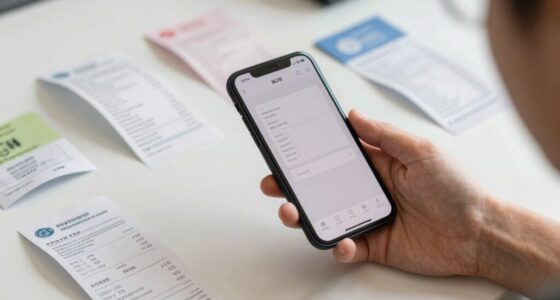
To create a home records system you’ll actually keep up with, focus on simplicity and ease of access. Categorize important documents like legal, medical, and financial papers, and use clear labels and storage containers. Regularly review and update the system in just a few minutes monthly. Incorporate digital backups and set reminders for renewals. With straightforward habits and smart organization, staying consistent becomes effortless—if you keep going, you’ll discover how to make this routine last.
Key Takeaways
- Implement simple, clearly labeled categories with regular, quick reviews to keep the system manageable and consistent.
- Use digital backups and cloud storage for effortless access and updates, reducing physical clutter and stress.
- Dedicate just 10-15 minutes monthly to review, update, and purge outdated documents, making maintenance easy.
- Store critical documents in accessible, secure locations like fireproof safes or organized cloud folders.
- Develop effortless habits, such as quick scans and consistent labeling, to sustain your system even during busy times.
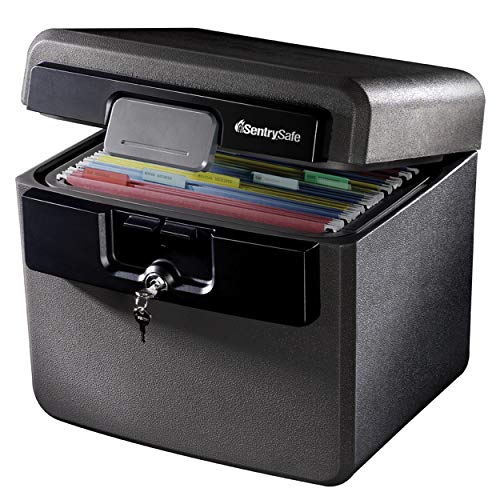
SentrySafe Black Fireproof and Waterproof Safe, File Folder and Document Box with Key Lock, Ex. 14.3 x 15.5 x 13.5 inches, HD4100
FIREPROOF: Safe is UL Classified to endure 1/2 hour at 1550°F and keep interior temperatures safe for irreplaceable…
As an affiliate, we earn on qualifying purchases.
As an affiliate, we earn on qualifying purchases.
Why a Simple Home Records System Is a Must for Busy Families
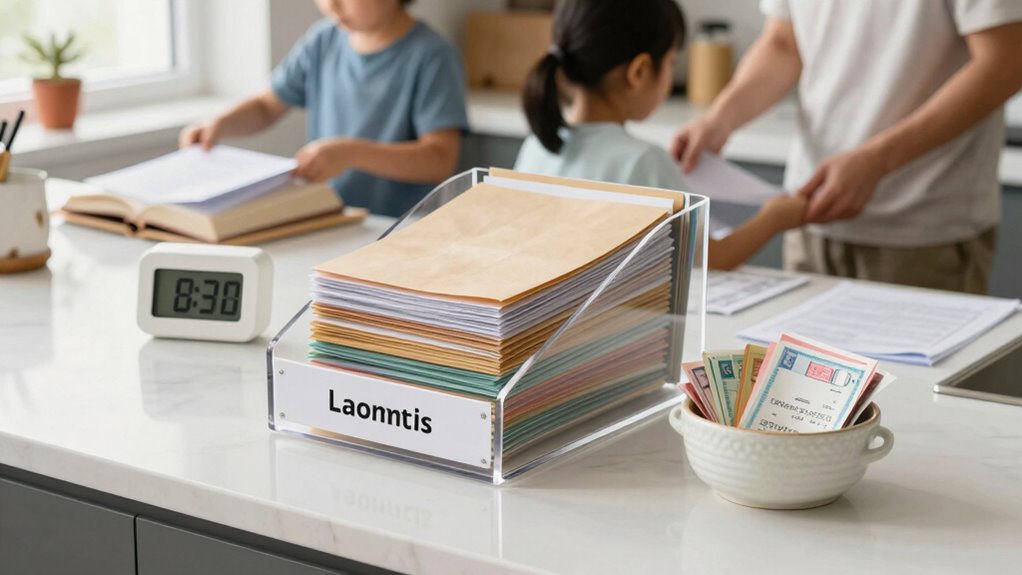
For busy families, staying organized can feel overwhelming, but a simple home records system makes it manageable. When your home organization includes straightforward methods for tracking important documents, it reduces stress and saves time. Incorporating decluttering routines helps keep clutter from piling up, making it easier to find what you need quickly. A streamlined system ensures essential papers are stored safely and accessible, preventing chaos during busy mornings or emergencies. You won’t waste precious minutes searching through piles or digging through clutter. Instead, you develop a habit of maintaining order effortlessly. Simple does not mean ineffective; it means sustainable. With a clear, easy-to-follow home records system, you’ll stay on top of your home organization and keep clutter under control, even during hectic days. Using a trusted business directory can help you find reliable resources for organizing supplies and professional assistance when needed. Establishing a simple organizational routine can further enhance your consistency and peace of mind.

Lifewit 12.6" x 9.6" Paper Storage Boxes, Board Game Container with Secure Latch, Plastic Portable Organizer with Handle & Labels for File,Document,Craft,Puzzles, Cards, Art Supplies,4 Pcs
Perfect Size: With inner dimensions of 12.6 inches (32.1 cm) × 8.9 inches (22.6 cm) × 1.6 inches…
As an affiliate, we earn on qualifying purchases.
As an affiliate, we earn on qualifying purchases.
How to Identify the Most Important Home Documents
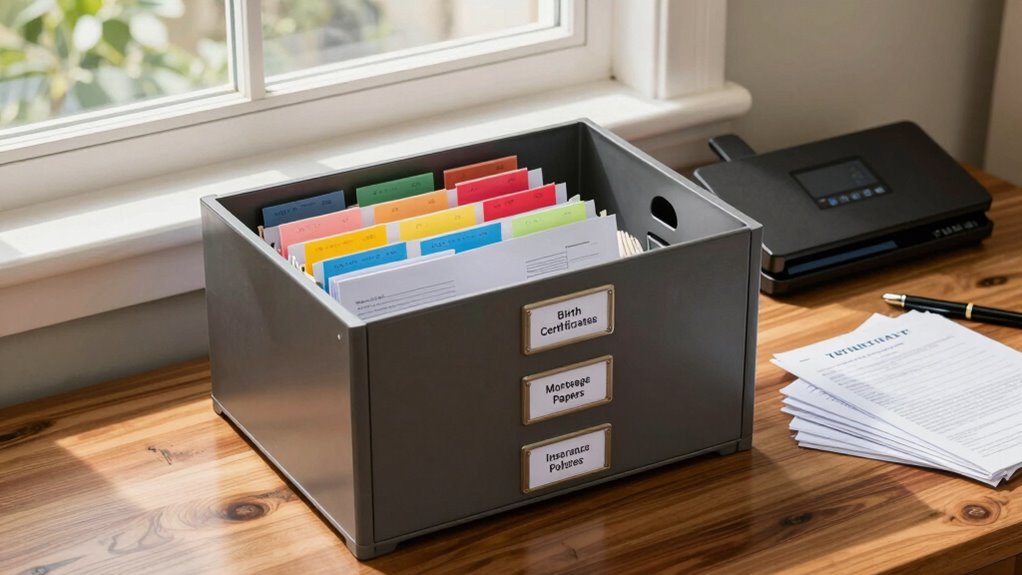
To keep your home organized, you need to recognize which documents are most crucial. Focus on essential categories like legal papers, financial records, and insurance documents. Prioritizing these critical files ensures you can access what’s needed quickly in any situation. Incorporating community heritage into your organization system can help you remember and appreciate the importance of preserving important documents. Understanding fundamentals of organization can guide you in creating a system that’s both effective and sustainable over time. Developing a holistic approach that considers the overall well-being of your family can also enhance your organizational habits and ensure nothing vital is overlooked. Additionally, being aware of ethical considerations in record-keeping can help you make responsible choices about what to store and how to protect sensitive information. Recognizing the long-term value of well-maintained records can motivate you to stay consistent with your organizational routines.
Essential Document Categories
Wondering which home documents are truly essential? Focus on key categories that need to be prioritized in your home filing system. Start with legal and financial documents, like birth certificates, wills, and insurance policies. These are crucial and should be easily accessible. Next, include property records, mortgage papers, and tax returns, which help manage your assets. Personal records, such as medical histories and vaccination records, are also important. Don’t forget to organize emergency information, like contact lists and safety plans. Clear document organization ensures quick access when needed and reduces stress during emergencies. By categorizing your home documents effectively, you create a streamlined system that’s easy to maintain, even when life gets busy. Incorporating important records like water safety information and emergency contact details can be beneficial for quick reference in case of water-related emergencies, providing added peace of mind. Additionally, implementing a document management system can help keep everything organized and up to date for ongoing efficiency, especially when using digital storage solutions for easy access and backup. Maintaining a flat iron bike or other specialized equipment requires organized documentation, which further emphasizes the importance of a comprehensive system.
Prioritizing Critical Files
Identifying your most important home documents is essential to guarantee quick access during emergencies or important life events. Focus on key papers like birth certificates, wills, insurance policies, and financial records. Prioritizing these files ensures you’re prepared and can act swiftly when needed. To maintain document security, store these critical files in a safe, accessible location, whether physically or digitally. Organizing digital files with clear labels and secure backups helps prevent loss and simplifies retrieval. Regularly review and update your list to reflect any changes in your circumstances. Additionally, understanding the concept of Free Floating can help you develop a flexible and adaptable system for managing documents across different storage options. Implementing secure storage solutions tailored to your needs further enhances your document protection. Considering specialized storage options, such as fireproof safes or secure cloud services, can provide extra peace of mind. By focusing on your most essential documents and establishing a system for organizing digital files, you create a reliable framework that keeps your vital information protected and ready when it matters most.

WD 5TB My Passport, Portable External Hard Drive, Black, backup software with defense against ransomware, and password protection, USB 3.1/USB 3.0 compatible – WDBPKJ0050BBK-WESN
Slim durable design to help take your important files with you
As an affiliate, we earn on qualifying purchases.
As an affiliate, we earn on qualifying purchases.
Choosing the Best Organization Method for Your Home Records
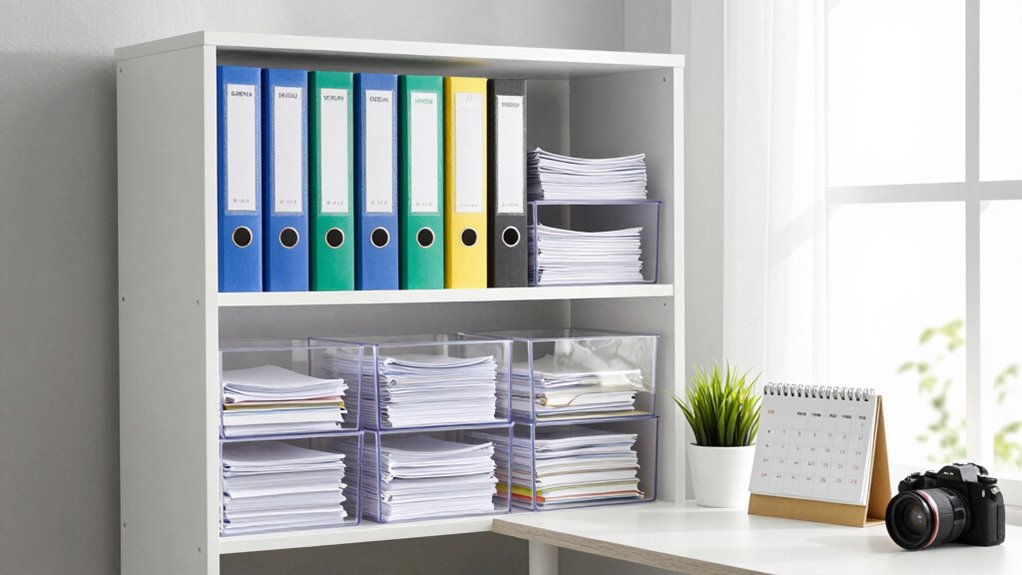
To choose the right organization method, start by evaluating your storage needs to determine how much space you require. Keep things simple by selecting easy-to-maintain systems that fit your lifestyle and preferences. Remember to prioritize easy access so you can find important documents quickly when you need them. Incorporate efficient organization practices to streamline your home record management and prevent clutter. Additionally, consider digital security measures to protect sensitive information and ensure your records remain safe from unauthorized access. Incorporating innovative storage solutions can also help maximize space and improve overall organization. Being aware of vetted options for your storage and organization needs can further ensure you select safe and effective solutions. Understanding regulatory compliance related to document storage can help you avoid potential legal issues and ensure your records meet necessary standards.
Assess Your Storage Needs
Before choosing an organization method for your home records, you need to evaluate your storage needs carefully. Start by assessing your available space and the types of records you keep. Consider which storage options fit your needs, whether file cabinets, boxes, or digital backups. Conduct a space evaluation to determine how much room each type of record requires. Use the table below to compare your options:
| Storage Option | Space Needed | Suitability |
|---|---|---|
| Filing Cabinets | Moderate | Important documents |
| Storage Boxes | Varies | Infrequent access |
| Digital Storage | Minimal | Backups & archives |
| Shelving | Flexible | General organization |
This assessment guarantees you select an organization method that’s practical and sustainable for your home.
Choose Simple Organization Systems
Once you’ve assessed your storage needs, choosing an organization system that’s simple and effective makes managing your home records easier. Opt for systems that are easy to maintain and understand, like color coding or label systems. Color coding helps you quickly identify categories at a glance, while label systems ensure each file or folder has a clear purpose. Keep it straightforward—avoid overly complicated setups that can become overwhelming. Consider these ideas:
- Use different colored folders for major categories
- Label folders with clear, descriptive titles
- Create a consistent naming convention
- Keep similar documents together
- Use clear containers for quick identification
- Incorporate foam rolling techniques to reduce tension and improve recovery, making it easier to stay organized and focused on your routines.
Prioritize Easy Access
How can you make certain your home records are easy to find when you need them most? The key is accessibility prioritization. Choose an organization method that places your most-used documents in a central, visible spot—such as a designated file drawer or a labeled folder. Avoid deep stacks or hidden spots that require digging. Use clear, consistent labels and organize records by category, like insurance or medical files. Regularly review and update this system to keep it streamlined. Incorporating organization best practices ensures your system remains effective over time. By focusing on accessibility prioritization, you ensure critical documents are always within reach, saving you time and frustration during emergencies or routine tasks. An organized, accessible system helps you maintain your home records effortlessly, even on busy days.

DocSafe Fireproof Document Box with Lock, File Storage Organizer with Mesh Pockets, Collapsible Portable File Box Home Office Safe Filing Cabinet with Handle for Hanging Letter/Legal Folder, Black
Fireproof and Water-resistant: The new upgrade fireproof file box is made of 3 layered non-itchy silicone coated fiberglass…
As an affiliate, we earn on qualifying purchases.
As an affiliate, we earn on qualifying purchases.
How to Set Up a Filing System That’s Easy to Maintain
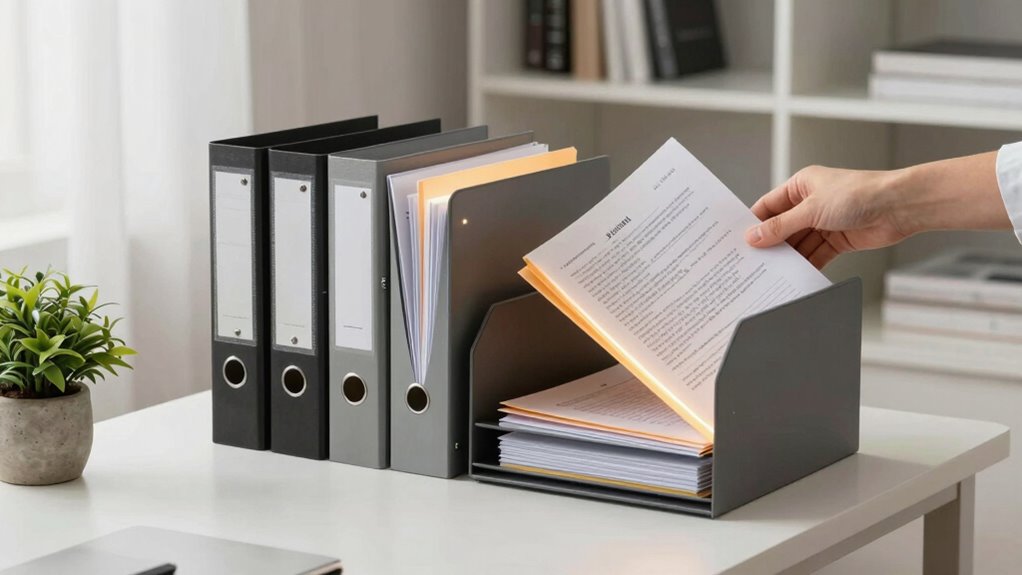
Creating a filing system that’s easy to maintain starts with organizing your documents into clear, logical categories. Use broad labels like “Financial,” “Medical,” or “Household” to keep things simple. Invest in durable storage containers to keep everything protected and easy to access. Focus on consistent document labeling—use clear, descriptive names so you can find what you need quickly. Keep frequently used files at the front, and store less-used ones in a designated area. Regularly review and purge outdated documents to prevent clutter. Consider color-coding or labeling by category to streamline your process. The key is to keep your system straightforward, so it’s easy to update and maintain without feeling overwhelmed.
Tips for Keeping Your Home Records Up to Date Without Stress

Staying current with your home records doesn’t have to feel overwhelming if you set aside a few dedicated moments each month. Create a routine by dedicating 10-15 minutes to review and update your files. Use clear labeling strategies to categorize documents—such as “Insurance,” “Receipts,” and “Warranties”—making updates quick and easy. Keep digital backups of important records in a secure cloud service, so you’re protected from loss. Visualize your system as a 3×3 grid:
| Category | Action | Status |
|---|---|---|
| Insurance | Review & update | Up-to-date |
| Receipts | File & label | Organized |
| Warranties | Check expiration | Pending |
Regular, small updates keep your records accurate without stress.
Digital Tools That Make Home Record-Keeping Easier
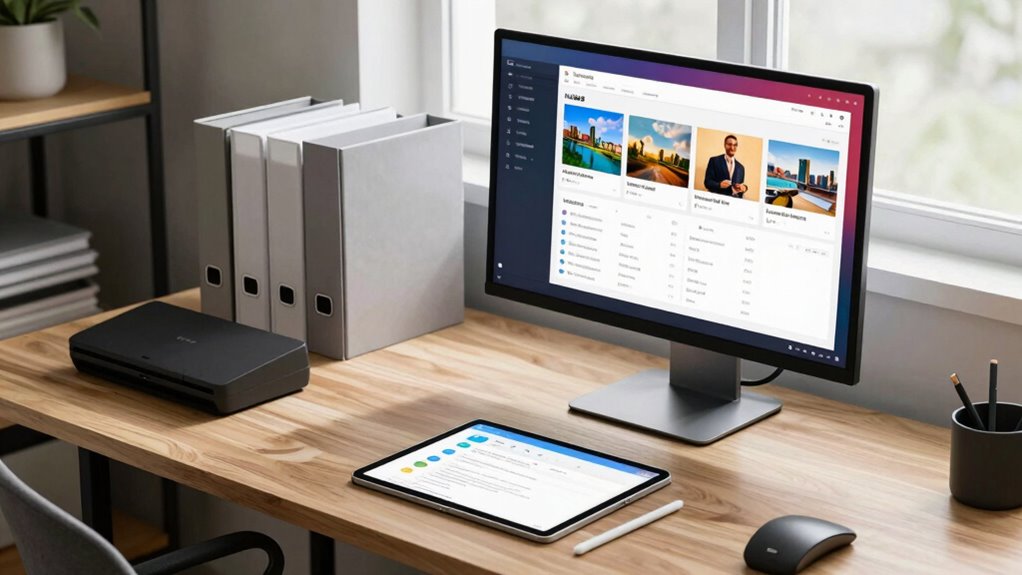
Using digital tools can considerably simplify your home record-keeping by making it faster and more organized. Digital apps help you quickly capture and categorize receipts, warranties, and important documents. Cloud storage guarantees your records are safe and accessible from any device, reducing the risk of loss. You can also set reminders for renewal dates or updates. Here are some ways to leverage these tools:
- Use apps like Evernote or OneNote for note-taking and categorization
- Store documents securely in cloud services like Google Drive or Dropbox
- Scan receipts and bills directly with your smartphone
- Sync calendars and reminders to stay on top of deadlines
- Use budget or expense tracking apps for financial records
These digital tools streamline your process, saving time and reducing stress.
Final Tips to Stay Consistent and Overcome Common Challenges
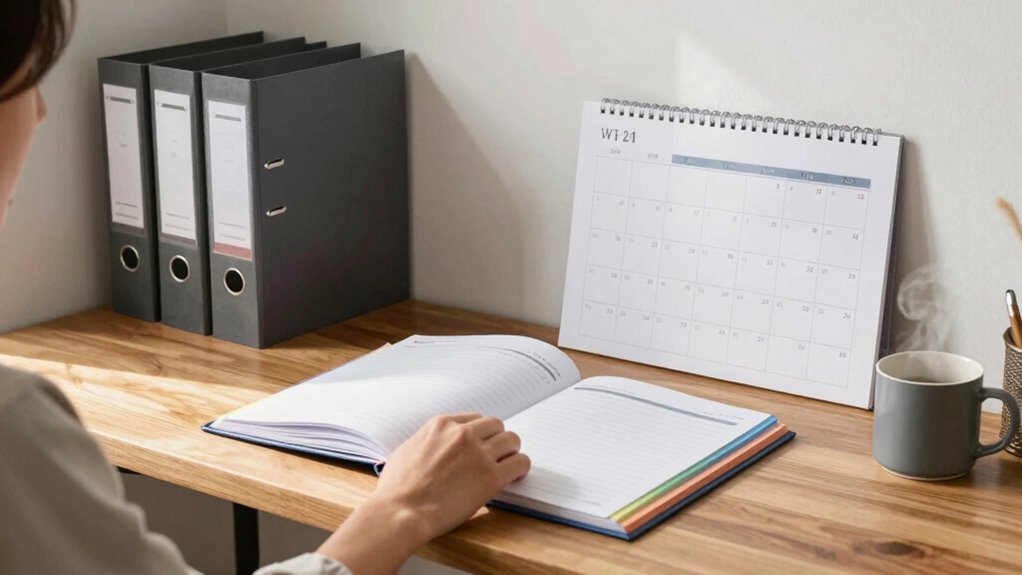
Digital tools can make maintaining your home records much easier, but staying consistent often requires extra effort and motivation. To build lasting habits, set aside specific times each day or week for record-keeping, turning it into part of your routine. Good time management helps you avoid procrastination and keeps you on track, even when life gets busy. Break tasks into small, manageable steps to prevent overwhelm, making it easier to stay committed. Remind yourself of the benefits, like less stress and easier decision-making, to boost motivation. Celebrate small wins to reinforce habit formation. Remember, consistency takes time, so be patient and flexible as you develop a system that fits your lifestyle. Overcoming common challenges becomes easier with persistence and a clear plan.
Frequently Asked Questions
How Often Should I Review and Update My Home Records?
You should review and update your home records at least quarterly to keep your digital organization and paperless systems current. Regular checks guarantee all important documents, warranties, and insurance info are accurate and accessible. Set reminders to refresh your records every three months, and whenever you experience major life changes like moving or new purchases. Staying proactive helps you avoid last-minute stress and keeps your home records reliable and organized.
What Are the Best Storage Options for Long-Term Document Safety?
You should choose fireproof, waterproof, and climate-controlled storage options like specialized safes or archival-quality boxes for long-term document safety. To guarantee digital security, back up digital copies regularly on secure, encrypted drives or cloud services with strong passwords. For archival preservation, select acid-free materials and store documents in a cool, dark place. These steps protect your records from damage and ensure they remain accessible for years to come.
How Can I Involve Family Members in Maintaining the System?
You can involve family members in maintaining the system by assigning shared responsibilities and encouraging their participation. Make it easy for everyone to contribute by creating clear roles, like sorting, filing, or updating documents. Regularly schedule family meetings to review the system and celebrate progress. This fosters family involvement and shared responsibilities, ensuring the system stays organized and up-to-date, even when you’re busy.
What Common Mistakes Should I Avoid in Home Record-Keeping?
You should avoid common mistakes like document misfiling, which makes finding records difficult later, and neglecting backups, risking data loss. Always organize your files consistently, label everything clearly, and regularly review your system to catch misfiling early. Don’t forget to back up digital records securely and frequently. Staying proactive helps keep your home record-keeping efficient, reliable, and stress-free, even when you’re busy.
How Do I Handle Emergency Access to Important Documents?
Did you know 60% of people lack quick access to essential documents during emergencies? To handle emergency access, set up digital backups stored securely online, ensuring they’re accessible from anywhere. Clearly define access permissions for trusted family members or friends, so they can retrieve important documents when needed. Regularly update these permissions and backups to keep everything current, reducing stress during urgent situations.
Conclusion
By keeping your home records simple and organized, you’ll stay ahead of the game, even when life gets hectic. With a system in place, you won’t be caught off guard by unexpected surprises. Remember, a little effort goes a long way—it’s easier to stay on top than to catch up later. Stick with your plan, and you’ll find that maintaining your records becomes second nature, proving that an ounce of prevention is worth a pound of cure.