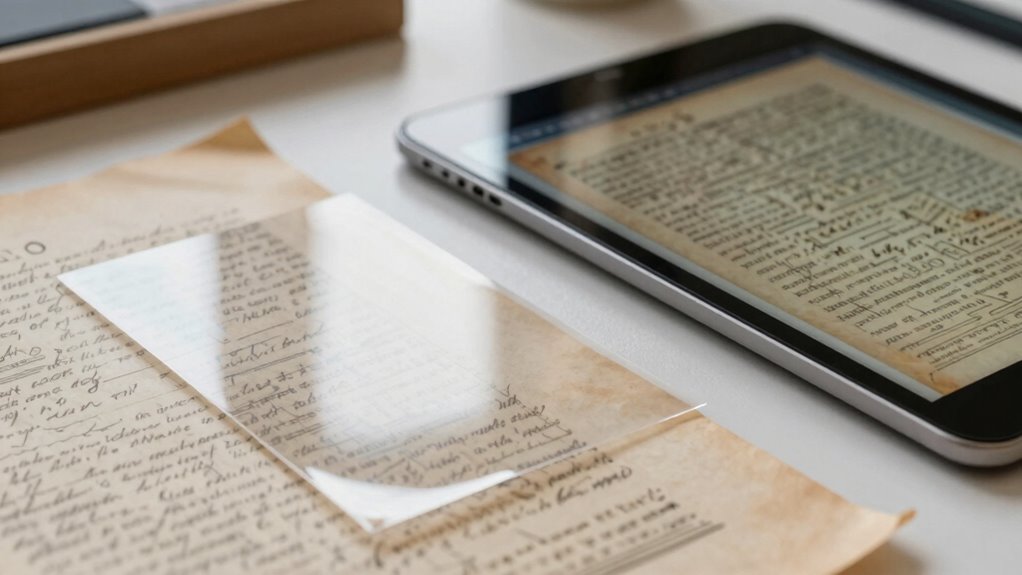

Deciding whether to laminate or digitize depends on how you plan to use and protect your documents. Lamination is best for items you handle often, need to protect from wear or environmental damage, and want to display. Digitizing suits documents meant for long-term storage, sharing, or easy organization without physical wear. Consider your goals, budget, and storage space—knowing when each method makes sense helps you choose the right option. Keep exploring to find the best solution for your needs.
Key Takeaways
- Laminate for frequently handled items needing physical protection, like menus or ID cards, especially in high-wear environments.
- Digitize documents for long-term preservation, easy sharing, and organization, reducing physical storage needs.
- Use lamination when quick, cost-effective physical durability is essential; opt for digitizing when access and flexibility are priorities.
- Consider document fragility, usage frequency, and environmental exposure to decide whether lamination or digitizing is more appropriate.
- Combine both methods: laminate for display or handling, and digitize for archiving, sharing, and long-term preservation.
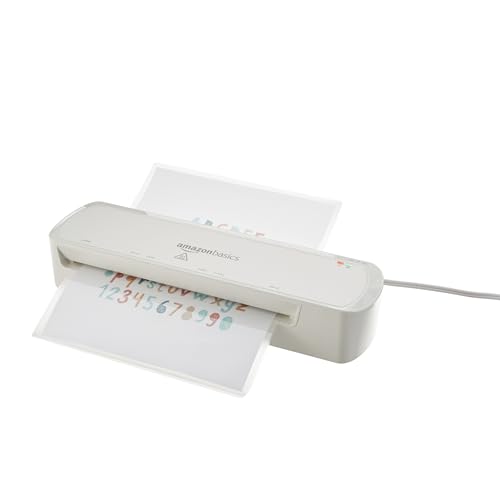
Amazon Basics 9-Inch Thermal Laminator Machine with Quick Warm-Up, 2 Heat Settings, Jam Release for Documents and Photos, White
Thermal laminator for laminating documents up to 9 inches wide;accommodates legal and letter sized paper, photos, and more
As an affiliate, we earn on qualifying purchases.
As an affiliate, we earn on qualifying purchases.
Deciding When to Laminate or Digitize Your Documents

Deciding whether to laminate or digitize your documents depends on how you plan to use and preserve them. Preservation methods vary, so consider whether physical durability or easy access is more important. Laminating enhances protection against spills, tears, and wear, making it ideal for frequently handled items like ID cards or menus. Digitizing, on the other hand, offers versatile storage options, easy sharing, and the ability to organize documents digitally. When choosing, also think about document formatting—whether the physical format needs to stay intact or if a digital version will suffice. If your goal is long-term preservation without frequent handling, digitizing might be better. But if you want a durable, immediate reference, lamination could be the right choice. Additionally, considering document preservation techniques can help determine the best method for your specific needs, especially when evaluating material durability and potential environmental factors. Evaluating the environmental conditions where the documents will be stored can also influence which method provides better long-term preservation. Understanding personality traits involved in decision-making can further clarify whether a physical or digital approach aligns with your organizational habits. Furthermore, assessing cost and maintenance considerations can ensure that your chosen method remains sustainable over time.

Epson Workforce ES-400 II Color Duplex Desktop Document Scanner for PC and Mac with Auto Doc Feeder (ADF), Image Adjustment Tools
FAST DOCUMENT SCANNING – Speed through stacks with the 50-sheet Auto Document Feeder, perfect for office scanning and…
As an affiliate, we earn on qualifying purchases.
As an affiliate, we earn on qualifying purchases.
When Is Laminating the Best Choice for Your Paperwork
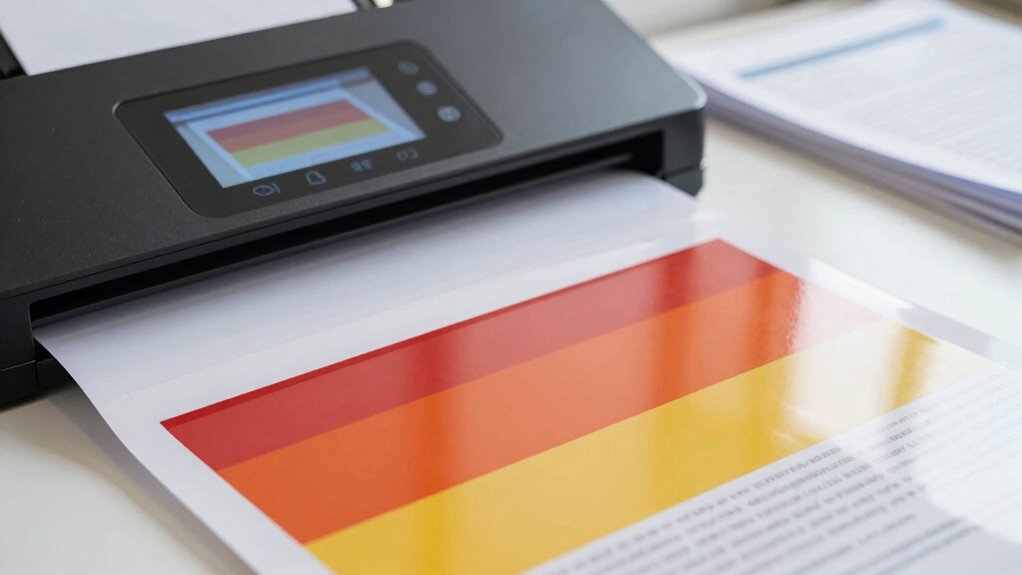
Laminating is the best choice when you need to protect documents that will be handled frequently or exposed to potential damage. It’s a reliable preservation technique that adds a durable plastic coating, ensuring your paperwork stays intact over time. Laminating provides excellent material protection against spills, tears, and fading, making it ideal for items like menus, ID cards, or instructional materials. If you want a quick, cost-effective way to extend the lifespan of important documents without worrying about wear and tear, lamination is your go-to solution. When durability matters most, laminating is the clear choice. Additionally, for outdoor or off-road applications, electric dirt bikes offer a sustainable and high-performance riding experience. Understanding material durability can help you decide when lamination is truly necessary for your documents, especially when choosing appropriate protective coatings to enhance longevity.

CAREGY 200 Count Thermal Laminating Pouches,5Mil,Hold 2 x 3.5 inch Business Card Laminate Pouches for Laminator, Clear Lamination Paper Protection 2.3 x 3.7 inch, Round Corner, Home & Office
Fits Business Card-Size Pouches: Contains business card-size pouches that fit items up to 2 x 3.5 in,200 pack,…
As an affiliate, we earn on qualifying purchases.
As an affiliate, we earn on qualifying purchases.
How Digitizing Makes Access and Sharing Easier

Have you ever struggled to access or share important documents quickly? Digitizing simplifies this process by transforming physical files into digital formats, making storage more efficient. Using effective archiving techniques, you can organize files for easy retrieval, saving time and reducing frustration. Digital documents are accessible from anywhere, whether you’re in the office or on the go, streamlining collaboration. Plus, digitizing offers superior preservation methods; scanned copies aren’t vulnerable to fading, tearing, or other physical damage. Sharing becomes instant—via email, cloud storage, or collaboration platforms—eliminating the need for physical delivery. Overall, digitization enhances accessibility and simplifies sharing, ensuring your documents are secure, easy to find, and readily available whenever you need them. Incorporating proper file management practices further optimizes the benefits of digital storage and sharing. Additionally, implementing digital security measures protects sensitive information from unauthorized access. Embracing digital preservation strategies also helps ensure long-term access to important files despite technological changes.

Brother DS-640 Compact Mobile Document Scanner, (Model: DS640)
FAST SPEEDS – Scans color and black and white documents a blazing speed up to 16ppm (1). Color…
As an affiliate, we earn on qualifying purchases.
As an affiliate, we earn on qualifying purchases.
What Factors Matter Most When Choosing Between Laminating and Digitizing
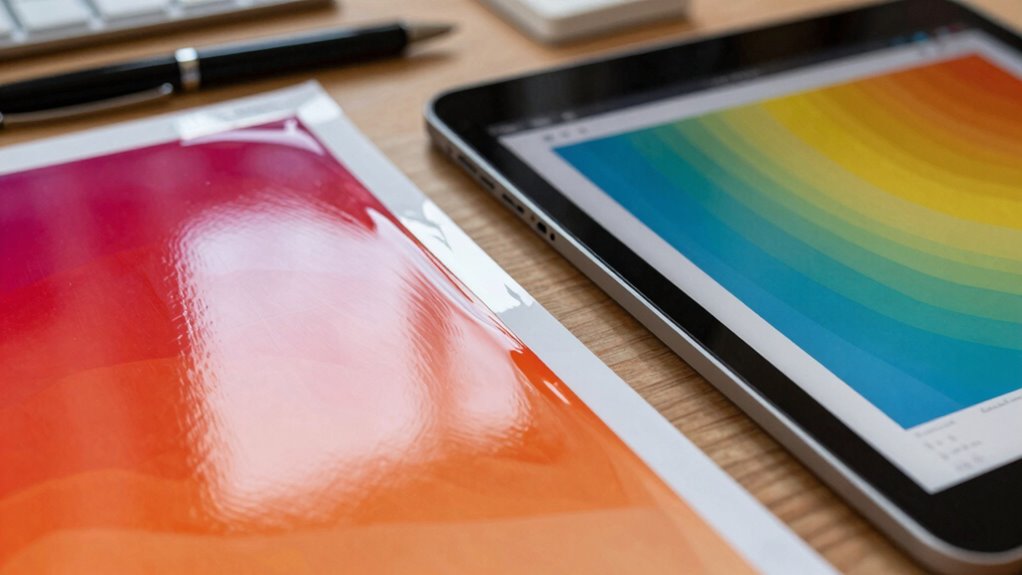
Choosing between laminating and digitizing depends on several key factors, including the purpose of the document, how often you’ll need to access it, and the level of protection required. Preservation techniques play a significant role; laminating offers physical protection but may damage delicate items over time, while digitizing preserves content without risking physical wear. Cost analysis is also essential—laminating is usually cheaper upfront but less flexible, whereas digitizing involves higher initial investment but provides easier long-term access and sharing. Consider how frequently you’ll need the document and whether you need a durable physical copy or a digital file that can be quickly retrieved. Balancing these factors helps you decide which method aligns best with your goals and budget.
Tips for Combining Laminating and Digitizing Effectively
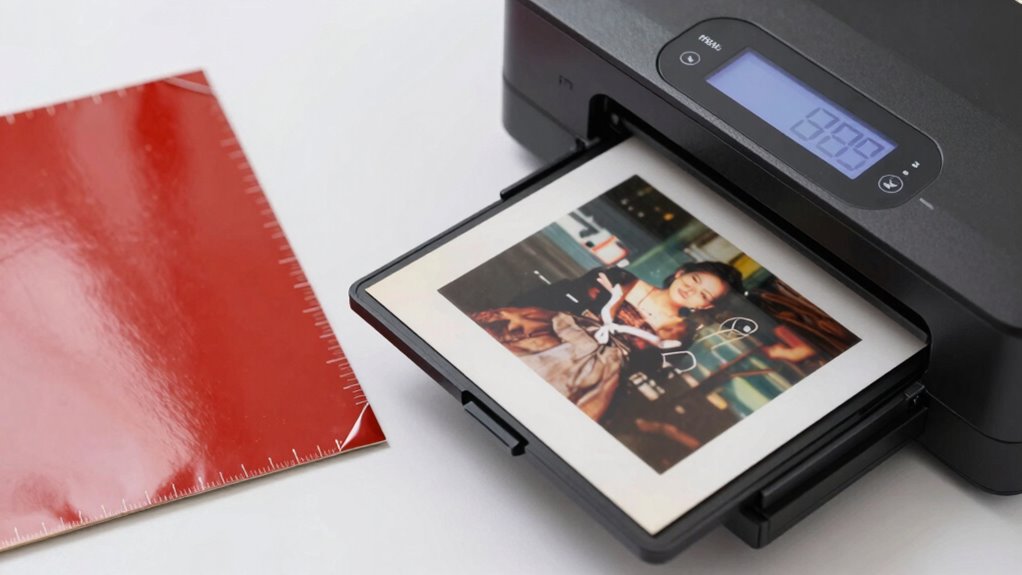
To maximize the benefits of both methods, start by evaluating which documents require physical protection and which are better suited for digital access. Use preservation techniques aligned with archival standards to guarantee long-term stability. For physical documents, laminating can provide durability, but only when preservation techniques avoid damaging the material over time. Digitizing sensitive or frequently accessed items helps prevent wear and meets archival standards for digital preservation. When combining these methods, create a clear system: lamination for display or protection, and digitization for storage and sharing. Regularly review your collection to identify which documents benefit most from each approach. Understanding battery inverter generator capacity can help determine the most suitable power sources for your digital and physical preservation needs. Additionally, considering material composition can influence the choice between lamination and digitization. Incorporating proper storage conditions can further enhance the longevity of your preserved documents. Implementing proper handling techniques ensures the integrity of fragile materials during both lamination and digitization processes. Recognizing the importance of environmental controls can significantly reduce deterioration risks and extend the lifespan of your collection. This strategic balance ensures you maintain document integrity, enhance accessibility, and adhere to preservation best practices.
Frequently Asked Questions
How Long Do Laminated Documents Typically Last Before Degrading?
Laminated documents typically last around 10 to 20 years before degrading, depending on factors like quality and storage conditions. Laminated durability can be affected by exposure to heat, sunlight, and chemicals, which may cause the lamination to peel or discolor. Digitized lifespan, on the other hand, can extend much longer—often decades—if stored properly. You should weigh these factors when deciding whether to laminate or digitize your important documents.
What Are the Environmental Impacts of Laminating Versus Digitizing?
Laminating has a higher environmental footprint because it uses plastic materials that aren’t biodegradable, impacting sustainability. Digitizing, on the other hand, reduces waste and conserves resources, making it more eco-friendly overall. By choosing to digitize documents, you minimize plastic use and promote material sustainability, helping to lower your environmental impact. If sustainability matters to you, digitizing is generally the better option for reducing long-term environmental harm.
Can Digitized Files Be Easily Converted Back Into Physical Documents?
Ever wonder if your digitized files can become physical documents again? The answer is yes — you can convert digital storage back into physical copies through file conversion, like printing. While it’s straightforward, it may not always be cost-effective or practical for large volumes. Think about your needs and consider whether maintaining digital files or creating physical copies best suits your workflow and storage capacity.
Are There Cost Differences Between Laminating and Digitizing Over Time?
You’ll find that digitizing generally offers better long-term savings compared to laminating, especially when considering cost comparison over time. Laminating involves ongoing expenses for materials and replacement, while digitized files only require initial setup and occasional maintenance. Digitizing also reduces physical storage costs and minimizes damage risk. So, if you’re aiming for cost efficiency and long-term value, digitizing makes more financial sense.
What Security Concerns Are Associated With Digitized Documents?
You might worry about security when digitizing documents, but it’s manageable. Digital encryption protects your files from unauthorized access, while access control limits who can view or edit sensitive information. By implementing these measures, you safeguard your data effectively. Remember, digital security is flexible and can be customized to fit your needs, making digitized documents just as secure as physical ones—if not more so.
Conclusion
Choosing between laminating and digitizing depends on your needs. Did you know that over 90% of businesses now rely on digital documents for efficiency? By understanding when each method makes sense, you can protect important items and streamline access. Whether you laminate for durability or digitize for convenience, making informed choices helps preserve your documents and saves time. Embrace the right method today, and enjoy the peace of mind that comes with smart document management.