

When choosing a vet, ask about their familiarity with pet insurance, emergency protocols, and after-hours care. Observe how staff interact with both you and your pet, ensuring they handle animals gently and communicate clearly. Find out if they have experience with your pet’s breed and health needs, and inquire about diagnostic tools and transparency on costs. Doing these checks helps you find a vet who meets all your pet’s needs—keep going to learn more.
Key Takeaways
- Inquire about the clinic’s emergency protocols, after-hours care, and referral systems for urgent situations.
- Ask about the staff’s experience with your pet’s specific breed, age, or health conditions.
- Confirm their familiarity with pet insurance options and claims processes to reduce stress during emergencies.
- Observe staff communication, animal handling, and their ability to make you and your pet comfortable.
- Ensure transparency about diagnostic tools, costs, and billing practices for routine and emergency care.

Finding the right veterinarian is essential for ensuring your pet’s health and well-being. When selecting a vet, you want someone who not only provides quality care but also makes you feel confident in their expertise. One of the first things to consider is whether the veterinarian offers pet insurance options or at least understands different plans. Pet insurance can help you manage unexpected medical expenses, so ask if they have partnerships with insurance providers or if they’re familiar with the claims process. Having a vet who can guide you through insurance options can save you time and stress during emergencies.
Speaking of emergencies, understanding the clinic’s emergency protocols is vital. Find out if they offer after-hours care or have a reliable referral system to emergency specialists. Knowing what to do in urgent situations can make all the difference in your pet’s outcome. Ask about their response times, how they handle critical cases, and whether they have designated emergency days. The more transparent they are about their protocols, the more confident you’ll feel that your pet will receive prompt care when needed.
Beyond logistics, pay attention to how the veterinary staff interacts with you and your pet. Do they communicate clearly? Are they patient when answering your questions? During your visit, observe their approach to handling animals—are they gentle and respectful? These small details can reveal a lot about the quality of care they provide and how comfortable your pet will be during visits. Remember, choosing a vet isn’t just about their technical skills but also their bedside manner and your comfort level.
It’s also wise to ask about their experience with specific breeds or health issues your pet may have. If your pet has a chronic condition or special needs, you want a vet who’s knowledgeable about those concerns. In addition, inquire about their preventive care practices, such as vaccinations and routine screenings. Prevention is often the best way to avoid costly emergencies, so a proactive approach can save you both time and money down the line.
Finally, consider their use of high-quality diagnostic tools, which can significantly impact the accuracy of diagnoses and the effectiveness of treatments. Clarify the costs involved. Understand the pricing structure for routine visits, diagnostics, and emergency procedures. While price shouldn’t be the sole factor, transparency helps you plan financially. In sum, finding a vet who’s communicative, experienced, and prepared—especially regarding pet insurance and emergency protocols—will give you peace of mind knowing your furry friend is in good hands.

Vetnology: Pet Insurance (Plans, Costs & Alternatives)
As an affiliate, we earn on qualifying purchases.
As an affiliate, we earn on qualifying purchases.
Frequently Asked Questions
How Often Should I Schedule Routine Check-Ups for My Pet?
You should schedule routine check-ups for your pet annually, which helps keep their vaccinations up to date and guarantees they receive proper dental care. Regular visits allow your vet to catch any health issues early and maintain overall wellness. If your pet has specific health concerns or is older, more frequent visits might be necessary. Stay proactive in your pet’s health by sticking to these recommended check-up intervals.
What Are the Signs That My Pet Needs Emergency Care?
Your pet’s health can be a ticking time bomb; watch for symptoms like difficulty breathing, bleeding, persistent vomiting, or seizures. These signals scream for emergency care. Trust your symptom recognition skills—if something feels off, don’t wait. Be emergency prepared by knowing your vet’s contact info and nearby emergency clinics. Acting swiftly can be the difference between a crisis and a comeback, keeping your furry friend safe and sound.
How Do I Handle Pet Health Insurance Questions With the Vet?
When your vet asks about pet health insurance, ask about insurance options and coverage details. Be clear about what’s included, like accidents, illnesses, or preventive care. Don’t hesitate to discuss any concerns, such as deductibles or claims process. Being informed helps you compare plans and choose the best coverage for your pet’s needs, ensuring you’re prepared for unexpected expenses and can make confident decisions about your pet’s health care.
Can the Vet Recommend Specific Diets or Supplements?
Think of your vet as a knowledgeable compass guiding your pet’s health journey. They can indeed recommend specific diets or supplements tailored for ideal pet nutrition. When you ask about supplement recommendations, your vet evaluates your pet’s unique needs, ensuring that any suggested additions support their well-being. Trust their expertise to steer you toward safe, effective options that complement your pet’s diet and keep them thriving.
What Should I Do if I Disagree With the Vet’s Treatment Plan?
If you disagree with the vet’s treatment plan, first, address any communication barriers by calmly discussing your concerns. Ask about alternative treatments or options that align with your preferences. It is crucial to stay respectful and open-minded, ensuring both you and the vet understand each other. If disagreements persist, consider seeking a second opinion or consulting a specialist to find the best care plan for your pet.

ARCA PET Cat & Dog First Aid Kit for Car – Pet Emergency Kit for Home Office Travel – Dog Camping Essentials with Digital Thermometer, Muzzle & Mini First Aid Pouch
ENSURE PET SAFETY ON THE GO with our dog travel accessories, dog must haves in pet travel. Our…
As an affiliate, we earn on qualifying purchases.
As an affiliate, we earn on qualifying purchases.
Conclusion
Choosing the right vet is like finding a trusted compass for your pet’s health journey. When you ask the right questions and know what to expect, you’ll navigate with confidence, ensuring your furry friend gets the care they deserve. Trust your instincts and don’t rush the process—after all, this relationship is the anchor that keeps your pet’s happiness and well-being steady through life’s ups and downs.

Cat/Dog Silhouette Veterinary Supply Bag, 9X12, 100 Bags
Convenient: 9×12 inch size is perfect for holding patient supplies at veterinary offices.
As an affiliate, we earn on qualifying purchases.
As an affiliate, we earn on qualifying purchases.
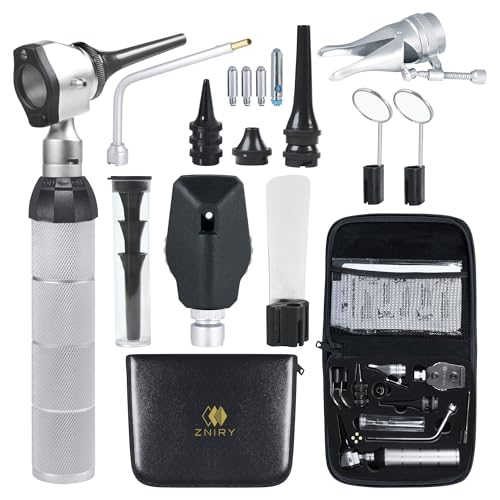
Zniry Veterinary LED ENT Otoscope Diagnostic Set, with 12 Various Diagnostic Instruments
✅ 3-IN-1 DIAGNOSTIC SET: Comprehensive tools for ear, nose, and throat examinations, ideal for veterinary dog cat and…
As an affiliate, we earn on qualifying purchases.
As an affiliate, we earn on qualifying purchases.