
To manage pet allergies, start by ensuring your pets stay up to date on vaccinations, which can reduce skin issues and shedding. Regular grooming in well-ventilated areas, bathing with hypoallergenic shampoos, and using allergen-reducing brushes help limit dander. Incorporate air purifiers with HEPA filters, wash pet bedding frequently, and create pet-free zones to improve air quality. Consistently applying these strategies can make a noticeable difference—you’ll find useful tips for happier coexistence ahead.
Key Takeaways
- Maintain up-to-date vaccination schedules to reduce skin infections and parasites that worsen allergies.
- Regularly groom pets outside or in well-ventilated areas using allergen-reducing tools and shampoos.
- Use HEPA air purifiers, wash pet bedding frequently, and create pet-free zones to minimize airborne allergens.
- Practice good hygiene, like handwashing after handling pets and avoiding face contact, to limit allergen transfer.
- Combine environmental controls, grooming, and vaccination to effectively lower pet allergens and improve indoor air quality.

Dealing with pet allergies can be challenging, especially if you love animals but find yourself sneezing, itchy, or having difficulty breathing around them. Fortunately, there are practical steps you can take to minimize your allergic reactions while still enjoying the companionship of pets. One effective approach involves paying close attention to your pet’s vaccination protocols. While vaccinations primarily focus on preventing diseases, some vaccines can reduce the amount of allergens your pet sheds by keeping them healthier overall. For example, certain vaccines can lessen skin infections or parasites that cause your pet to scratch excessively, which in turn reduces the amount of dander and hair particles released into your environment. Keeping up with your pet’s vaccination schedule isn’t just about health; it’s also a tool to control allergen levels in your home.
Maintaining your pet’s vaccinations helps reduce allergens and keeps your home healthier.
Grooming routines are equally essential. Regular grooming helps reduce the amount of loose fur, dander, and skin flakes your pet sheds. You might consider brushing your pet outside or in a well-ventilated area to prevent allergens from spreading throughout your home. Using a high-quality, allergen-reducing brush can trap more dander and loose hair, decreasing their presence in your living space. Bathing your pet regularly with a hypoallergenic or medicated shampoo can also markedly lower allergen levels. Be sure to consult your veterinarian about the best grooming products suited for your pet’s breed and skin type, as some shampoos can irritate sensitive skin or cause additional shedding. Establishing a consistent grooming routine isn’t just about hygiene; it’s a proactive way to make your environment more allergy-friendly.
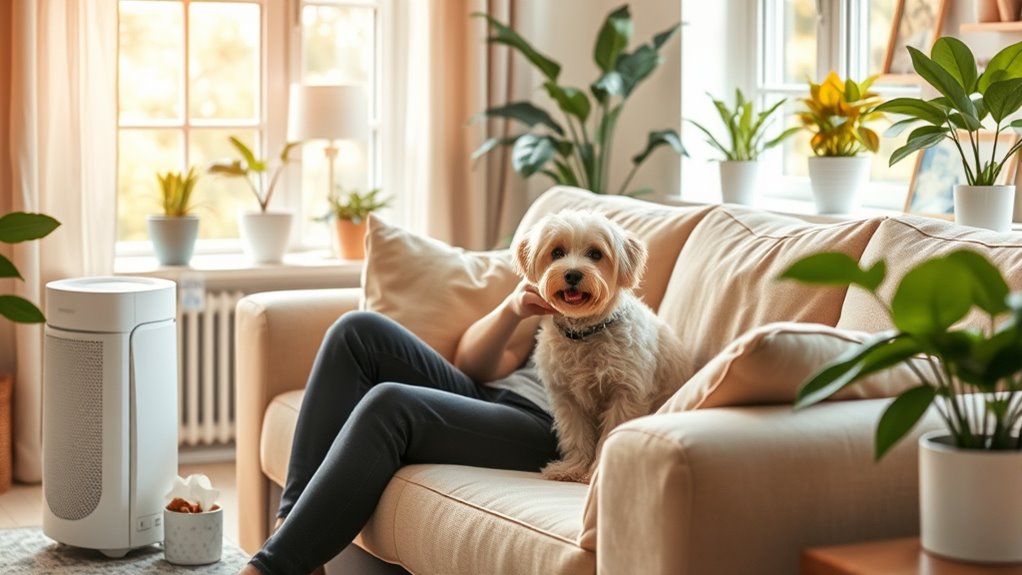
In addition to grooming, consider other preventative measures like using air purifiers with HEPA filters, which can trap pet dander and other airborne allergens. Regularly washing your pet’s bedding, toys, and any fabric items they frequently contact also helps reduce allergen buildup. Creating designated pet-free zones, especially in your bedroom, allows you to have a space where you can breathe easier at night. When you’re around your pet, try to avoid rubbing your face or touching your eyes, as this can transfer allergens. Frequent handwashing after handling your pet is a simple yet effective habit. Additionally, mindful exposure to your pet can help your immune system gradually adapt and potentially lessen allergic reactions over time.
Ultimately, managing pet allergies requires a combination of strategies, including maintaining good vaccination protocols and consistent grooming routines. These steps lower the amount of allergens circulating in your home, helping you breathe easier while still sharing your life with your beloved animals. With patience and diligence, you can find a balance that keeps both you and your pet happy and healthy.

LEVOIT Air Purifiers for Home Large Room Up to 1875 Ft² with Washable Pre-Filter, AHAM VERIFIDE, Air Quality Monitor, HEPA Sleep Mode for Allergies, Pet Hair in Bedroom, Vital 200S-P, White
𝐖𝐇𝐘 𝐂𝐇𝐎𝐎𝐒𝐄 𝐀𝐇𝐀𝐌 𝐕𝐄𝐑𝐈𝐅𝐈𝐃𝐄 𝐏𝐑𝐎𝐃𝐔𝐂𝐓𝐒: AHAM (Association of Home Appliance Manufacturers) is an ANSI-accredited organization that sets strict…
As an affiliate, we earn on qualifying purchases.
As an affiliate, we earn on qualifying purchases.
Frequently Asked Questions
Can Pet Allergies Develop Suddenly in Adults?
Yes, pet allergies can develop suddenly in adults. You might have been around pets without issues before, but allergy development can happen at any age due to changes in your immune system or exposure levels. Pets and allergies often become more noticeable over time, so if you start experiencing sneezing, itchy eyes, or asthma symptoms, it’s worth considering allergy testing. Don’t ignore these signs; managing pet allergies early helps improve your comfort.
Are There Specific Breeds Less Likely to Trigger Allergies?
You’re in luck if you’re looking for less allergenic pets. Certain hypoallergenic breeds, like Poodles and Bichon Frises, are less likely to trigger allergies. Think of it as finding a needle in a haystack. Regular grooming techniques, like bathing and brushing, help reduce allergens further. Choosing these breeds and maintaining a consistent grooming routine can make living with pets more comfortable and keep allergy symptoms at bay.
How Do Pet Allergies Affect Asthma Symptoms?
Pet allergies can worsen your asthma symptoms by increasing airway inflammation. When you’re exposed to pet dander, it triggers your immune response, making breathing harder and causing wheezing or coughing. To manage this, focus on pet dander management by frequent cleaning and air purifiers. Implement asthma control strategies like medication and avoiding allergen exposure. Staying proactive helps reduce allergy flare-ups and keeps your asthma under better control.
Can Allergy Shots Improve Pet Allergy Symptoms?
It turns out allergy shots can markedly improve pet allergy symptoms if you stick with the treatment. The efficacy varies, but many find relief through allergy shot therapy, enhancing pet allergy management. As you receive regular injections, your immune system gradually builds tolerance, reducing allergic reactions. While not a cure, allergy shots can make daily life more comfortable, allowing you to enjoy your pets without constant allergy flare-ups.
What Are Natural Remedies for Pet Allergy Relief?
You can try herbal solutions like butterbur or quercetin to reduce allergy symptoms naturally. Dietary adjustments also help—incorporate anti-inflammatory foods such as omega-3-rich fish and avoid allergenic items like processed foods. Regularly cleaning your living space, using HEPA filters, and maintaining good pet hygiene can complement these remedies. Always consult a healthcare provider before starting any new herbal or dietary regimen to guarantee safety and effectiveness.

Veterinary Formula Clinical Care Hypoallergenic Shampoo for Dogs and Cats, 16 oz – No Harsh Ingredients – Fragrance-Free Pet Shampoo for Allergies and Sensitive Skin, Promotes Healthy Skin and Coat
NON-IRRITATING CLEANSER – Scientifically formulated hypoallergenic dog shampoo with gentle coconut-based cleansers and no harsh ingredients, dyes, or…
As an affiliate, we earn on qualifying purchases.
As an affiliate, we earn on qualifying purchases.
Conclusion
Remember, managing pet allergies is like tending a delicate garden—you must nurture patience and understanding. Each effort you make plants seeds of harmony, transforming your space into a sanctuary where both you and your pet can thrive. Though challenges may arise like unpredictable weather, your commitment acts as a guiding light, illuminating the path toward coexistence. With love and persistence, you turn the symbol of allergy into an emblem of resilience and hope.

BURT'S BEES FOR PETS Cat Dander Reducing Spray with Colloidal Oat Flour and Honey, Waterless Cat Grooming Spray for Dry Skin and Dandruff Control, Cat Dander Remover for Allergy Support, 10 Fl Oz
CAT DANDER CONTROL SPRAY: Waterless cat grooming spray designed to help reduce visible cat dander and dandruff between…
As an affiliate, we earn on qualifying purchases.
As an affiliate, we earn on qualifying purchases.

AUXSOUL 1 Pack Pet Laundry Bag, Stops Pet Hair Blocking The Washing Machine, Big Size Pet Washing Bag Ideal for Dog Cat Horse Guinea,Hair Remover Safely, 25.8 x 27.8 Inch / 65 x 70 cm, Lake Blue
Reliable Material: Our pet laundry bag is Crafted from terylene fabric to prevent hair shedding, clogging, and color…
As an affiliate, we earn on qualifying purchases.
As an affiliate, we earn on qualifying purchases.