If you’re unsure whether your pet drinks enough, watch for signs like dry gums, sunken eyes, or dull coat. Notice if your pet shows less enthusiasm, gets lethargic, or has very few bathroom trips. Keep an eye on their water intake, especially during hot weather or activity. Small changes can signal dehydration. Staying aware of these clues helps prevent health issues—continue exploring to learn how to spot and prevent dehydration early.
Key Takeaways
- Monitor your pet’s water intake daily; significant decreases or increases may indicate dehydration or health issues.
- Look for dry gums, sunken eyes, and skin that remains tented when pinched as signs of dehydration.
- Observe your pet’s activity level; lethargy or dull coat can signal insufficient hydration.
- Ensure fresh, clean water is always available and regularly refresh bowls to encourage drinking.
- Use hydration tools or treats with high moisture content to support and monitor your pet’s hydration levels.
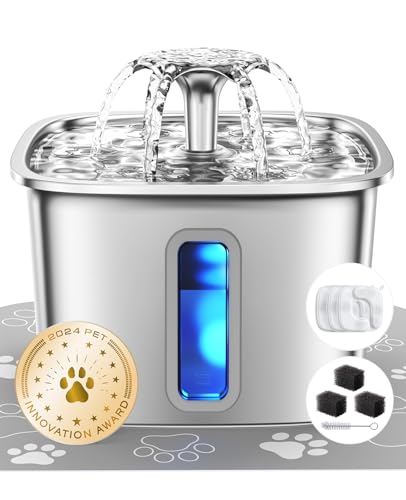
Veken Innovation Award Winner Stainless Steel Cat Water Fountain, 108oz/3.2L Automatic Pet Fountain Dog Water Dispenser with 3 Replacement Filters & Silicone Mat, Gifts for Cats, Dogs (Silver)
Premium 304 Stainless Steel & Easy Maintenance. Crafted from high-quality 304 stainless steel, this pet fountain offers a…
As an affiliate, we earn on qualifying purchases.
As an affiliate, we earn on qualifying purchases.
Why Is Hydration So Important for Your Pet’s Health?
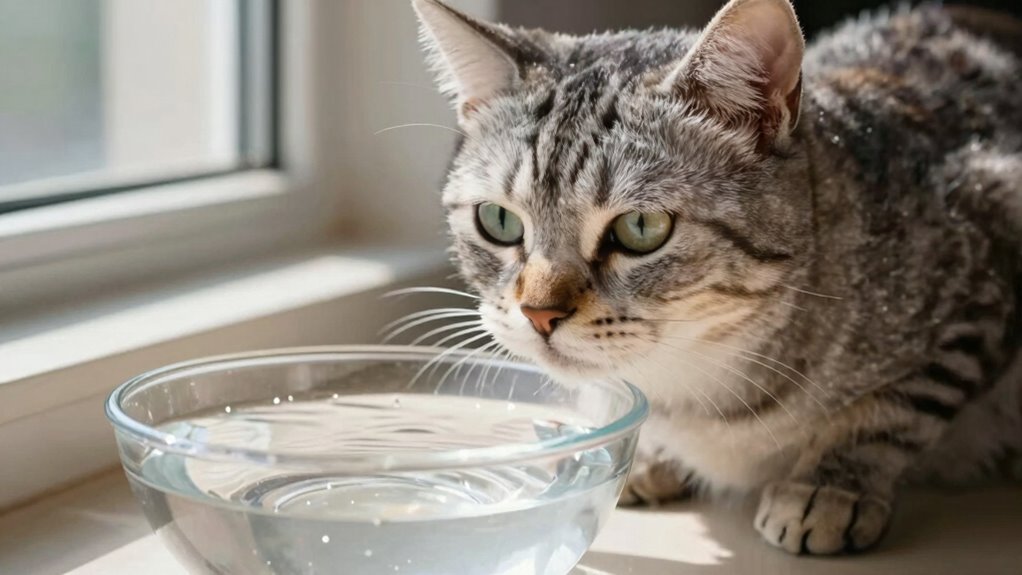
Proper hydration is essential for your pet’s overall health because water keeps their body functioning smoothly. When your pet maintains adequate pet water intake, their organs operate efficiently, and toxins are flushed out. Hydration balance is crucial; too little water can lead to dehydration, causing lethargy, dry gums, and even more serious issues. Adequate water intake supports digestion, circulation, and temperature regulation. Without enough water, your pet’s immune system weakens, increasing illness risk. Ensuring they drink enough helps sustain energy levels and promotes healthy skin and coat. Additionally, proper hydration can help mitigate the effects of indoor air quality issues that may introduce microplastics or dust particles affecting respiratory health. Recognizing the importance of hydration encourages you to monitor water availability and consumption. Maintaining proper hydration is also vital in supporting your pet’s ability to detoxify harmful substances and reduce toxins buildup in their system. Regular hydration also supports organ function, which is fundamental for overall health. Staying attentive to water intake can prevent dehydration symptoms and ensure your pet remains energetic and vibrant. Keeping your pet well-hydrated is a simple yet vital step in maintaining their overall wellbeing.
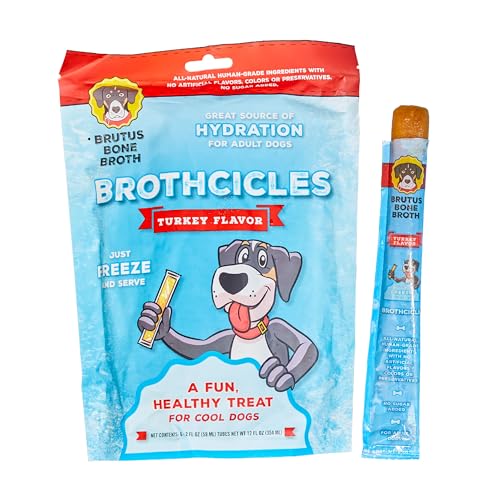
Brutus Brothcicles Frozen Dog Treats – Turkey Flavor Dog Popsicle Snack, Hydrating Frozen Enrichment Treat with Superfoods,12 Fl Oz Pack of 1 (2 oz per Stick)
FROZEN TREATS DOGS LOVE: A refreshing frozen treat that your dog will enjoy licking, or serve as a…
As an affiliate, we earn on qualifying purchases.
As an affiliate, we earn on qualifying purchases.
How Much Water Should Your Pet Drink Each Day?
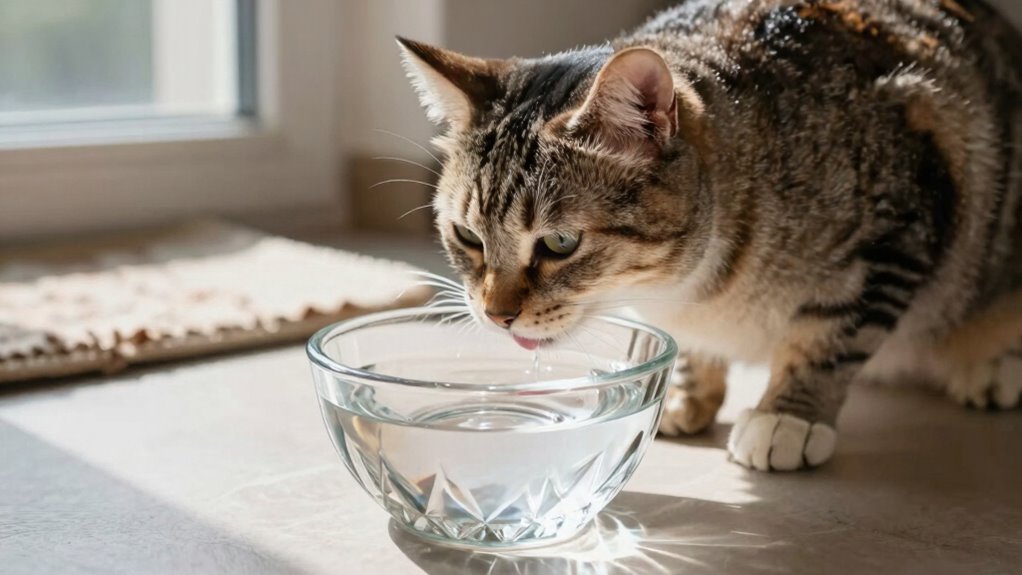
Understanding how much water your pet needs each day is essential for keeping them healthy. Pet water intake varies based on factors like age, size, activity level, and environment. Generally, dogs require about ½ to 1 ounce of water per pound of body weight daily, while cats need around 4 to 6 ounces. Following hydration guidelines helps guarantee your pet stays properly hydrated. Keep in mind that if your pet is very active, in hot weather, or pregnant, they may need more water. Regularly monitor their water bowl to confirm they’re drinking enough. If you notice they’re consistently drinking less or more than usual, consult your veterinarian. Proper hydration supports vital bodily functions and overall well-being. Conversion tools can help pet owners understand their pet’s water needs in different units, especially when managing large quantities of water intake.
Additionally, being aware of hydration needs can prevent dehydration-related health issues. Ensuring your pet’s water intake aligns with their daily requirements is key to maintaining their health and preventing complications.

PAWGETHER® Gravity Automatic Pet Water Dispenser with 1 Filter for Cats and Small Dogs 1 Gallon/3.5L Auto Cat Waterer Dog Water Dispenser, Easy to Fill
𝗔𝗹𝘄𝗮𝘆𝘀 𝗙𝘂𝗹𝗹, 𝗔𝗹𝘄𝗮𝘆𝘀 𝗙𝗿𝗲𝘀𝗵 – 𝗬𝗼𝘂𝗿 𝗣𝗲𝘁 𝗡𝗲𝘃𝗲𝗿 𝗚𝗼𝗲𝘀 𝗧𝗵𝗶𝗿𝘀𝘁𝘆! Our gravity design automatically refills the bowl as…
As an affiliate, we earn on qualifying purchases.
As an affiliate, we earn on qualifying purchases.
What Are the Signs That Your Pet Might Be Dehydrated?
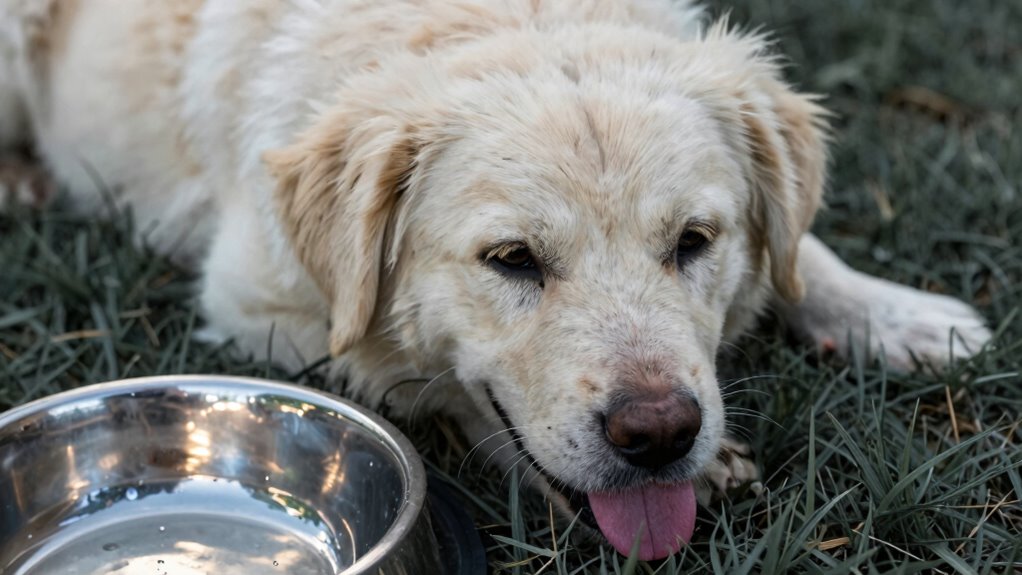
Dehydration can develop quickly in pets, and recognizing the early signs is essential to prevent serious health issues. Look for obvious dehydration symptoms such as dry gums, lethargy, and sunken eyes. Your pet’s skin may also lose elasticity, remaining tented when gently pinched. Accessible features can assist pet owners in monitoring their animals more effectively. Monitoring these signs helps you act swiftly. If your pet shows multiple dehydration symptoms, increase water access and consult your veterinarian immediately to avoid complications. Being aware of vetted health information can further guide you in providing proper care. Ensuring your pet stays properly hydrated at all times is key to their well-being. Regularly checking your pet’s hydration status is an important part of pet health maintenance, and understanding signs of dehydration can help you respond quickly.

Ayawiss Room Thermometer Indoor Hygrometer Humidity Meter Gauge Digital Temperature and Humidity Sensor Monitor for Home Office House Pets Plants – AAA Battery Included
This small room thermometer helps monitoring temperature and humidity condition in real time. According to the air conditions,…
As an affiliate, we earn on qualifying purchases.
As an affiliate, we earn on qualifying purchases.
How Can You Tell If Your Pet Is Not Drinking Enough?

If your pet isn’t drinking enough water, you may notice subtle changes in their behavior and appearance. Signs of dehydration include lethargy, dry gums, sunken eyes, and decreased skin elasticity. To catch these early, it’s essential to track water intake regularly. Staying informed about hydration needs can help you better understand your pet’s individual requirements. Look for these clues:
- Reduced enthusiasm during walks or play
- Dry, sticky gums or a dull coat
- Sunken tissues around the eyes
- Skin that doesn’t bounce back quickly when gently pinched
Monitoring water intake helps you spot patterns and ensures your pet stays well-hydrated. Additionally, understanding breed-specific hydration requirements can optimize your pet’s health and prevent dehydration. Recognizing early signs of dehydration is crucial for prompt intervention and can save your pet from serious health complications. Being aware of common causes of dehydration can also help you address potential issues before they become severe. Regularly observing water consumption habits is an effective way to maintain your pet’s health. If you notice these signs or see your pet drinking less than usual, it’s time to take action and consult your veterinarian. Staying vigilant can prevent more serious health issues.
What Habits Help Keep Your Pet Well-Hydrated?
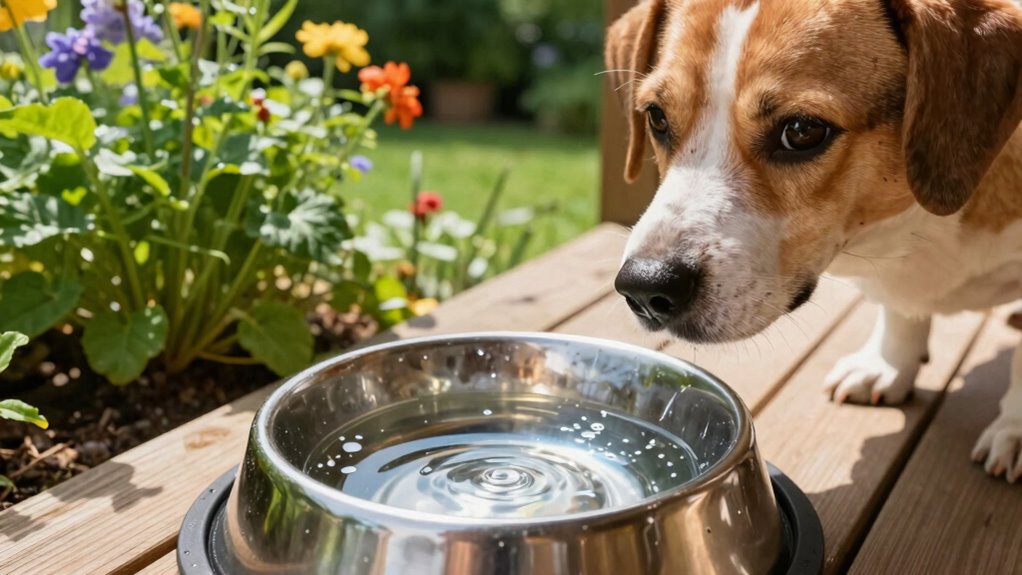
Establishing consistent hydration habits is key to ensuring your pet stays well-watered throughout the day. First, provide fresh water daily and clean the bowl regularly to prevent bacteria buildup. Avoid hydration myths that suggest pets don’t need much water; their needs vary by age, breed, and activity level. Water quality matters too—filtered or bottled water can be better if tap water has a strong taste or contaminants. Incorporate routine watering times, like after meals or play, to develop habits. Keep multiple water sources around your home, especially in high-traffic areas, so your pet always has access. Additionally, understanding piercing care and hygiene and safety tips can help you create a safe environment that encourages hydration through activity. By maintaining these habits, you’ll support your pet’s hydration and overall health, reducing the risk of dehydration-related issues.
How Can You Encourage Your Pet to Drink More Water?
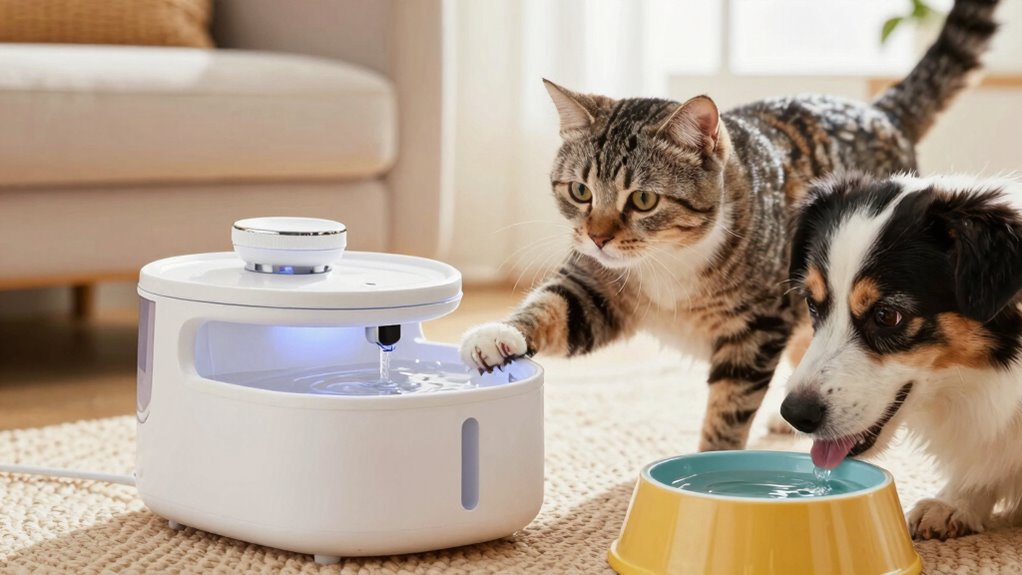
To encourage your pet to drink more, consider using hydration-friendly water bowls that appeal to them. You can also add flavor enhancements to make the water more enticing or incorporate playful activities that promote drinking. These simple tricks can make hydration fun and effective for your furry friend. Additionally, understanding battery inverter generators can help ensure secure financial transactions if you need to send funds for pet care or supplies.
Hydration-Friendly Water Bowls
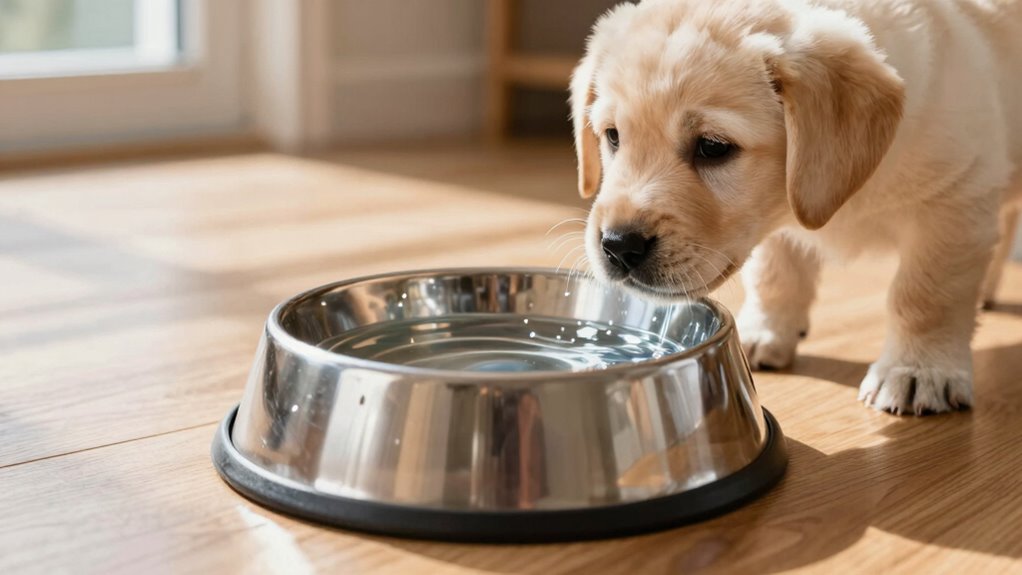
Choosing the right water bowl can make a big difference in encouraging your pet to stay hydrated. Hydration-friendly water bowls are designed to appeal to your pet’s preferences and make drinking easier. Look for bowls made from non-slip materials or those with wide bases to prevent spills. Some pet water sources include elevated bowls or slow-drip fountains that keep water fresh and enticing. Consider using hydration accessories like bowls with built-in filters or textured surfaces that stimulate drinking. Visualize your pet comfortably reaching for water from a shallow, stable dish, or avidly sipping from a continuous flow fountain. These options can turn hydration into a pleasant routine, making it easier for your pet to drink more consistently and stay properly hydrated throughout the day.
Flavor Enhancements for Water
Adding flavor to your pet’s water can markedly boost their interest in drinking more. Flavor infusions or water flavoring products are simple ways to make water more appealing. You can try adding a splash of low-sodium chicken or beef broth, or use commercially available water flavoring designed for pets. These options mask the plain taste of water and make it more enticing, especially for picky drinkers. Just ensure any flavorings are safe and free from artificial ingredients or additives harmful to your pet. Experimenting with different subtle flavors can help identify what your pet prefers. Keep in mind that the goal is to encourage consistent hydration, so use flavor enhancements as a supplement, not a replacement for fresh water. With the right approach, you’ll see your pet drinking more happily.
Playful Drinking Activities
Engaging your pet in playful drinking activities can make hydration more fun and effective. Incorporate fun water games that turn drinking into an enjoyable experience. For example, you can use floating toys or drip fountains to entice your pet to interact with water actively. Setting up a playful hydration station with different bowls or spray bottles can stimulate their curiosity. You might also hide treats near water bowls to encourage sniffing and pawing at the water. These playful hydration methods keep your pet engaged and promote regular water intake. The key is to create positive associations with drinking, making it a game rather than a chore. By incorporating fun water games into their routine, you help ensure your pet stays well-hydrated and healthy.
How Do Food and Treats Affect Your Pet’s Hydration?
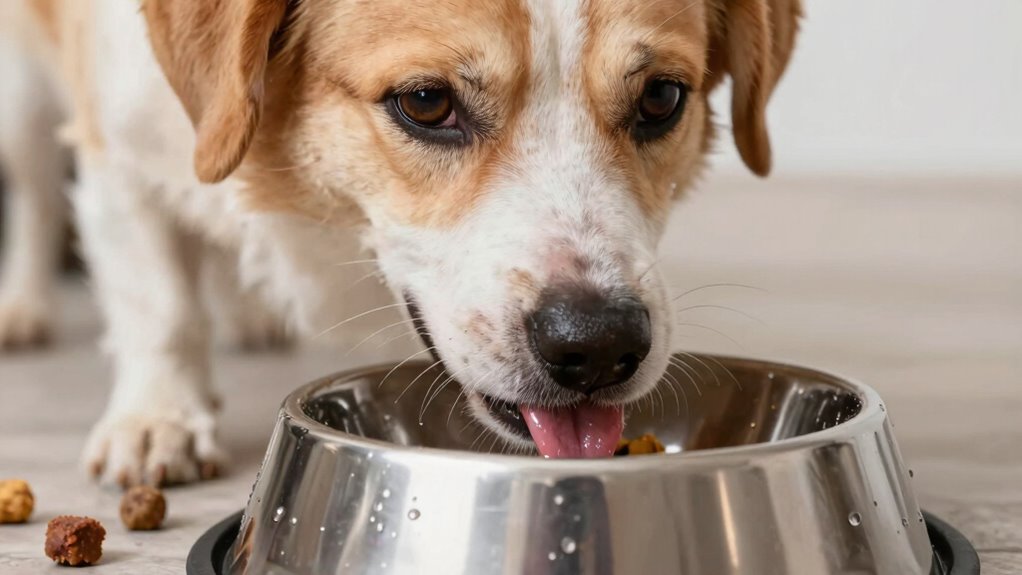
Food and treats play a significant role in your pet’s hydration levels, especially since many of these items contain moisture that can contribute to their overall fluid intake. Pet food, especially wet varieties, provides a substantial source of treats hydration, reducing the need for constant drinking. Even treats like jerky or dental chews often have moisture content that helps keep your pet hydrated. However, relying solely on food and treats for hydration isn’t enough; they should complement fresh water intake. Be mindful of the type and amount of treats you give, as overly salty or dry treats can lead to dehydration. Ensuring a balanced diet with moisture-rich pet food and treats helps maintain proper hydration and supports your pet’s overall health.
When Should You Talk to the Vet About Your Pet’s Water Intake?
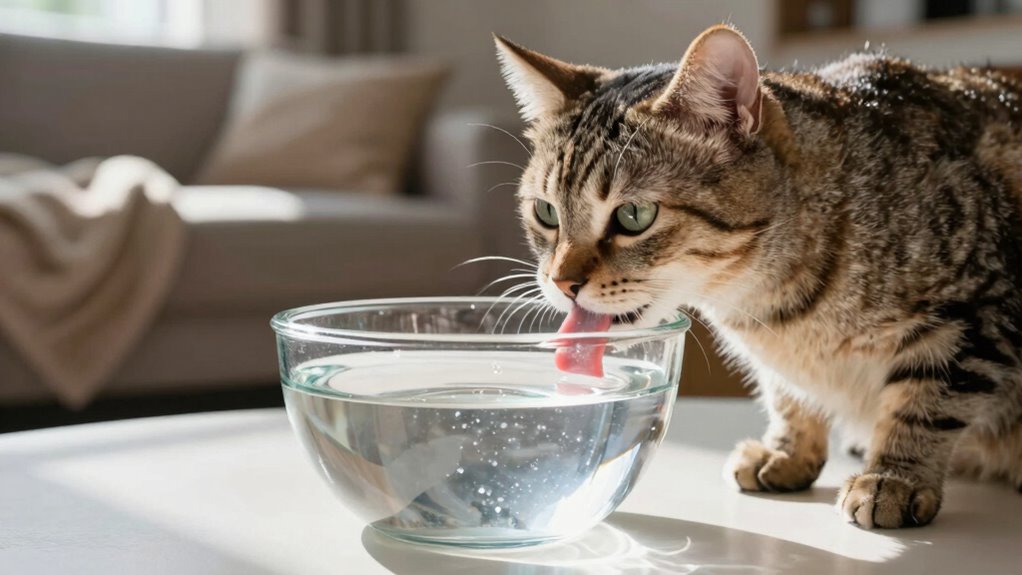
You should talk to the vet about your pet’s water intake if you notice persistent changes, such as drinking considerably more or less than usual. Sudden shifts can signal health issues like kidney problems or diabetes, risking pet water safety. Be alert for signs like:
- Excessive water drinking with frequent urination, possibly indicating dehydration or infection
- Very little water intake, leading to lethargy or dry gums
- Drinking water only from certain sources, raising concerns about environmental factors
- Drinking more in hot weather or after activity, which is normal, but should be monitored
Understanding hydration myths and recognizing when your pet’s behavior deviates from normal helps ensure their well-being. Don’t ignore these signs—timely vet consultation can prevent serious health complications.
What Tools and Devices Can Help Monitor Your Pet’s Hydration?
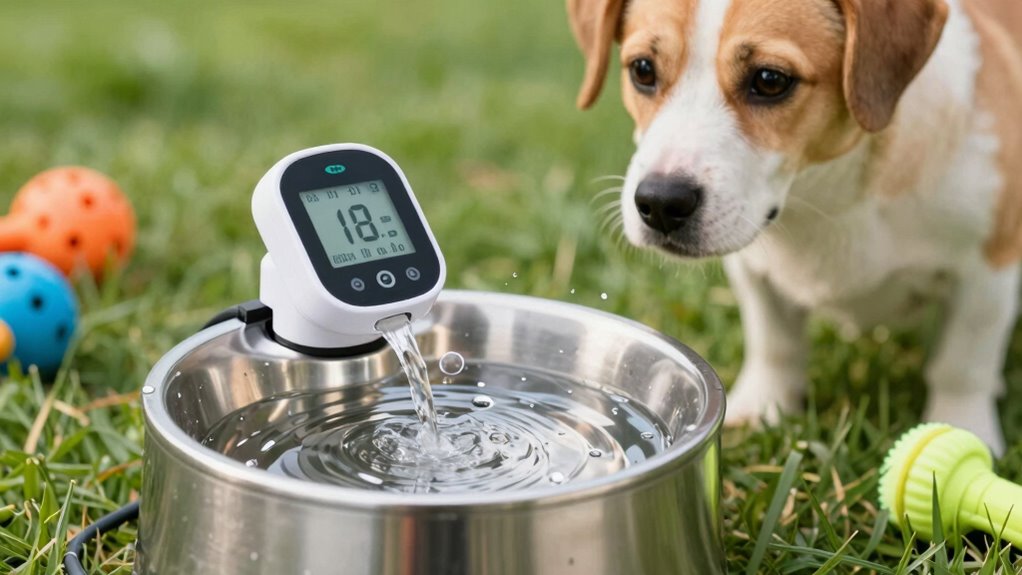
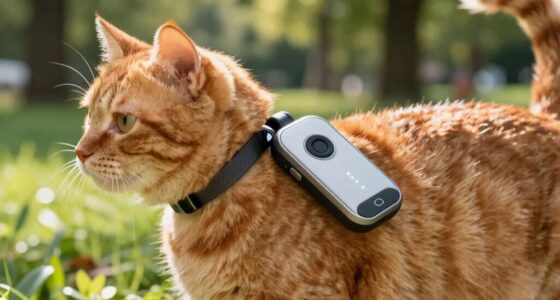
Monitoring your pet’s hydration levels can be made easier with a variety of tools and devices designed specifically for this purpose. Smart pet devices, such as water dispensers with built-in sensors, can track how much your pet drinks each day. Hydration monitoring gadgets may include wearable collars or tags that assess hydration status through changes in activity or body metrics. These tools often sync with your smartphone, providing real-time updates and alerts if your pet’s water intake falls below healthy levels. By using hydration monitoring devices, you gain a clearer understanding of your pet’s hydration habits without constant guesswork. These smart tools help catch dehydration early, giving you peace of mind and ensuring your pet stays properly hydrated.
What Practical Tips Can Help Maintain Your Pet’s Long-Term Hydration?
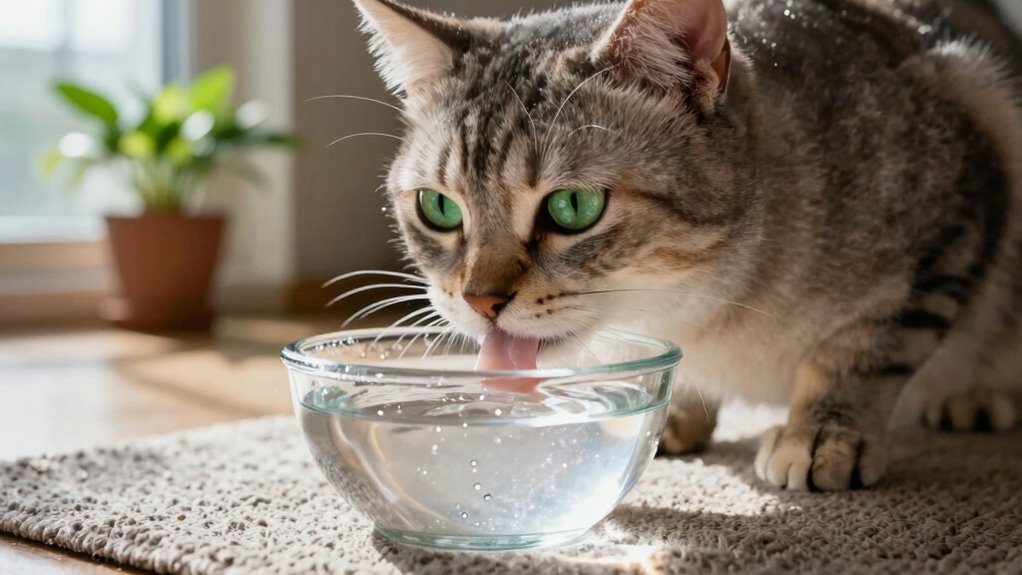
To guarantee your pet stays properly hydrated over the long term, establishing consistent daily routines is vital. Offer fresh, clean water daily and make certain the water quality is high—filtered or bottled water can make a difference. Be aware of hydration myths; some believe wet food alone suffices, but water intake is still essential. Keep water bowls in accessible, shaded spots to encourage drinking. Regularly clean bowls to prevent bacteria buildup, and consider adding ice cubes on hot days to entice your pet. Monitoring water intake and adjusting for activity levels or weather changes helps maintain hydration. These simple tips ensure your pet stays well-hydrated, supporting their health and longevity.
Frequently Asked Questions
Can Certain Breeds Be More Prone to Dehydration?
Certain breeds can be more prone to dehydration due to breed predispositions and hydration differences. For example, brachycephalic breeds like Bulldogs and Pugs tend to have difficulty breathing, which can lead to faster dehydration. Sighthounds such as Greyhounds also have a lower body fat percentage and higher metabolism, making them more vulnerable. Knowing these breed-specific traits helps you monitor your pet’s hydration carefully and guarantee they stay healthy.
Does Activity Level Influence How Much Water My Pet Needs?
Like a marathon runner, your pet’s activity level directly impacts their water needs. When they engage in vigorous exercise routines, they lose more fluids through panting and sweating, increasing their water consumption. You should monitor their activity and make certain they have constant access to fresh water, especially after playtime. By adjusting water intake to match their activity, you help keep your pet properly hydrated and healthy.
Are There Specific Signs of Dehydration in Different Pets?
You’ll notice signs of dehydration in your pet such as dry gums, lethargy, sunken eyes, and loss of skin elasticity. Watch for pet hydration cues like excessive panting, reduced appetite, or a dry nose. Different pets may show these signs differently; for example, cats may hide or become less active, while dogs might be more vocal. Regularly check your pet’s condition to prevent dehydration and keep them healthy.
How Does Age Affect a Pet’s Hydration Requirements?
Ever wonder how age impacts your pet’s hydration needs? As your pet ages, their age-related health can influence hydration in seniors, often requiring more attention. Older pets tend to drink less, risking dehydration, so you should monitor their water intake closely. Younger pets usually stay well-hydrated naturally, but seniors need encouragement and regular hydration checks to stay healthy. Are you making sure your aging pet gets enough fluids?
Can Weather Changes Impact My Pet’s Water Intake Needs?
Weather fluctuations can definitely impact your pet’s water intake needs. During hot, humid days, your pet may need more water to stay hydrated, while cooler seasons might reduce their thirst. Seasonal hydration is key, so always monitor their water bowl and encourage drinking during weather changes. Keep fresh water available, especially in extreme temperatures, to guarantee your pet stays properly hydrated regardless of the season or weather fluctuations.
Conclusion
Ensuring your pet stays well-hydrated isn’t just about providing water; it’s about understanding their needs and watching for subtle signs of dehydration. Many believe pets naturally regulate their intake, but research shows they often don’t. By staying attentive and proactive, you can prevent health issues before they start. Remember, consistent hydration supports a happier, healthier life—so trust your observations and seek vet advice when in doubt. Your pet’s well-being depends on it.