

To build trust and emotional safety in your relationship, prioritize honest communication and active listening. Share your feelings gradually, and encourage your partner to do the same, creating a safe space for vulnerability. Respond with empathy and validation to show understanding, avoiding judgment. Consistent effort, patience, and mutual openness strengthen emotional bonds over time. If you keep exploring ways to nurture your connection, you’ll discover more strategies to deepen your relationship’s trust and safety.
Key Takeaways
- Foster open, honest communication and active listening to create a safe environment for sharing feelings.
- Gradually increase vulnerability by sharing authentic emotions, building mutual trust over time.
- Respond with empathy and validation to reinforce emotional safety and encourage continued openness.
- Identify and address barriers like misunderstandings and assumptions to strengthen trust.
- Use consistent effort and feedback to recognize emotional patterns and deepen mutual understanding.

Building trust and emotional safety are essential foundations for any healthy relationship. When you’re committed to creating a space where both you and your partner feel secure, you start by addressing common challenges like communication barriers. These barriers can include misunderstandings, assumptions, or even unspoken expectations that build walls instead of bridges. Recognizing these obstacles is the first step toward breaking them down. You need to be intentional about listening actively, asking open-ended questions, and clarifying your partner’s feelings and perspectives. When you do this consistently, you foster an environment where honest dialogue can flourish, making it easier for both of you to express yourselves without fear of judgment or rejection.
As you work on improving communication, vulnerability development becomes a key component. Vulnerability is often seen as a risk, but it’s actually the bridge that leads to deeper trust. When you share your authentic feelings and fears, you invite your partner to do the same. It’s important to remember that vulnerability isn’t about oversharing or exposing everything all at once; instead, it’s about gradually opening up in ways that feel safe and genuine. This process requires patience and courage, but it’s essential for building emotional safety. When your partner sees you willing to be open, they’re more likely to reciprocate and share their own feelings, which strengthens your connection.
Creating emotional safety also involves showing empathy and understanding. When your partner expresses vulnerability, respond with kindness and validation, not judgment or dismissiveness. This reinforces that your relationship is a safe space where feelings are respected. Be mindful of your reactions—sometimes, unconscious communication barriers like defensiveness or dismissiveness can undermine this safety. By staying calm and empathetic, you encourage your partner to continue opening up, knowing they won’t be criticized or misunderstood. Additionally, leveraging AI-driven feedback can help identify non-verbal cues and emotional patterns, further enhancing your understanding of each other’s needs. Over time, this consistent effort helps both of you develop a shared sense of trust and emotional security.

Heartfelt Communication Skills for Couples: A Life Changing Path to Deeper Intimacy and Profound Emotional Intelligence by Turning Conflict into Connection through Active Listening
As an affiliate, we earn on qualifying purchases.
As an affiliate, we earn on qualifying purchases.
Frequently Asked Questions
How Can I Rebuild Trust After Betrayal?
To rebuild trust after betrayal, start by practicing forgiveness strategies, which help release resentment and open the door to healing. Be honest and transparent about your feelings, showing your commitment to rebuilding intimacy. Consistently demonstrate reliability and patience, allowing time to mend wounds. By actively working together and prioritizing emotional safety, you create a foundation for renewed trust and a stronger, more connected relationship.
What Are the Signs of Emotional Safety in a Relationship?
You recognize emotional safety through trust indicators like open communication, consistent actions, and mutual respect. Safety signals include feeling heard, not judged, and comfortable sharing your feelings without fear of rejection. When your partner shows empathy and respects boundaries, it strengthens the sense of safety. These signs help you feel secure and valued, fostering deeper connection and trust in the relationship.
How Do I Communicate My Needs Effectively?
Master meaningful communication by making your needs clear and concise. Use expressive listening to truly understand your partner’s perspective, and be brave in setting clear boundaries that protect your emotional space. Speak honestly, calmly, and confidently, avoiding blame or blame-shifting. When you communicate your needs effectively, you foster trust and mutual respect, creating a solid foundation for a healthy, harmonious relationship that respects both your feelings and theirs.
Can Trust Be Restored if One Partner Refuses to Change?
Trust repair becomes difficult if one partner refuses to change, but emotional healing can still happen through honest conversations and setting boundaries. You can’t force someone to rebuild trust, but you can focus on your own growth and well-being. If they’re unwilling to change, consider whether the relationship still serves your emotional needs. Prioritize your safety and happiness, and seek support if needed during this process.
How Long Does It Typically Take to Feel Emotionally Safe Again?
You might think feeling emotionally safe takes no time at all, but trust recovery often varies wildly. Ironically, it’s when you’re most willing to be emotionally vulnerable that safety begins to rebuild. Usually, it takes months of consistent effort, honest communication, and patience. You’ll notice small signs of trust returning, but don’t rush—true emotional safety requires time, persistence, and genuine willingness to heal and reconnect.
empathy and validation training for couples
As an affiliate, we earn on qualifying purchases.
As an affiliate, we earn on qualifying purchases.
Conclusion
Building trust and emotional safety takes effort, patience, and consistency. It’s about being honest, being reliable, and being present. It’s about listening deeply, understanding fully, and supporting unconditionally. When you commit to these actions, you create a foundation of respect, a space of vulnerability, and a bond of genuine connection. Keep nurturing trust, keep fostering safety, and watch your relationship grow stronger, richer, and more resilient with each passing day.
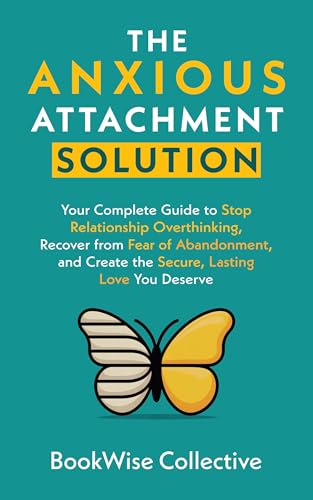
The Anxious Attachment Solution: Your Complete Guide to Stop Relationship Overthinking, Recover from Fear of Abandonment, and Create the Secure, Lasting Love You Deserve (The LoveWise Collection)
As an affiliate, we earn on qualifying purchases.
As an affiliate, we earn on qualifying purchases.
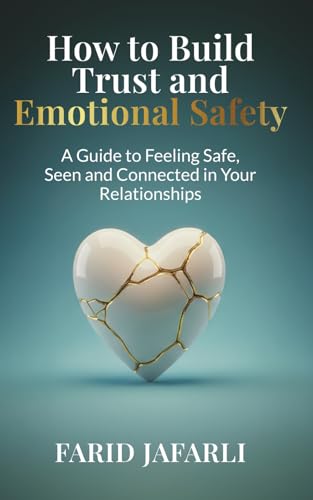
How to Build Trust and Emotional Safety: A Guide to Feeling Safe, Seen and Connected in Your Relationships (The Essential Life Mastery Series or How to Live this Life)
As an affiliate, we earn on qualifying purchases.
As an affiliate, we earn on qualifying purchases.