

To protect your child’s digital footprint, set clear boundaries around what you share online. Focus on important milestones and avoid revealing personal details like their location, full name, or school. Limit posting frequency and use private settings or trusted groups. Think carefully before posting, and prioritize their privacy over daily updates. Establish family media rules to foster responsible sharing habits. Keep these strategies in mind, and you’ll discover how to balance sharing and safeguarding their future privacy.
Key Takeaways
- Set clear boundaries by sharing only significant milestones and avoiding daily updates or personal details.
- Limit sharing of sensitive information like full name, location, school, or birthdate to protect privacy.
- Use private groups or privacy settings to control who sees your child’s content.
- Collaborate with family members and caregivers to establish consistent sharenting rules.
- Focus on discretion and thoughtful posting to reduce overexposure and safeguard your child’s digital footprint.

In today’s digital age, sharing moments of your child’s life online can seem harmless, but excessive sharenting raises privacy concerns and potential risks. While it’s natural to want to document your child’s milestones and share your pride, overdoing it can compromise their future privacy and safety. Your child isn’t old enough to consent to the digital trail you’re creating for them, and once an image or detail is online, it’s often impossible to fully remove. That’s why establishing clear parental boundaries around sharenting is essential. You need to ask yourself: How much do I really need to share? Which moments are important enough to broadcast, and which should stay private? Setting these boundaries isn’t about hiding your child’s life, but about protecting their digital footprint and respecting their future autonomy.
Establish clear boundaries around sharenting to protect your child’s privacy and future autonomy.
To address privacy concerns, start by limiting the amount of personal information you post. Avoid sharing details like your child’s full name, birthdate, school, or location. These pieces of information, when combined, can create a detailed profile that might be exploited. Instead, focus on sharing general milestones or adorable moments without revealing identifying details. Be cautious about tagging locations or frequently posting about your child’s whereabouts, as this can make it easier for strangers to track their routines. Remember, what seems like a harmless post today could be used maliciously tomorrow. Protecting your child’s privacy means thinking ahead and assuming that once shared, the content could be out there indefinitely. Additionally, understanding the importance of high refresh rates and low input lag in digital content can help you appreciate the value of clear, crisp visuals, which parallels the need for clarity and precision in online sharing.
In addition to controlling what you share, it’s crucial to set boundaries on how often you post. Constantly updating family and friends with every detail can desensitize you to the potential risks. Establish limits—perhaps only sharing special milestones or significant achievements rather than daily updates. This helps prevent overexposure and encourages you to consider the importance of each post. It also models healthy digital habits for your child, emphasizing the value of privacy and discretion.
Creating a family media plan can help you uphold these boundaries consistently. Sit down with your partner or other caregivers and agree on rules about sharenting—what’s acceptable and what’s off-limits. Decide on privacy settings for your social media accounts, and consider using private groups for sharing with trusted friends and family rather than public profiles. Teaching yourself and others to think critically before posting fosters a safer online environment. Ultimately, by respecting your child’s right to privacy now, you’re laying the groundwork for a healthier relationship with technology in the future. Protecting their digital footprint today ensures they’ll have more control over their online presence tomorrow.

Ywlake Photo Album 4×6 500 Pockets Photo, Extra Large Capacity Family Wedding Picture Albums Holds 500 Horizontal and Vertical Photos Black
Large Capacity Photo Picture Album: holds 500 4×6 photos pictures, totally 50 sheets / 100 pages, each pages…
As an affiliate, we earn on qualifying purchases.
As an affiliate, we earn on qualifying purchases.
Frequently Asked Questions
How Can I Balance Sharing With Privacy?
To balance sharing with privacy, set clear privacy boundaries and only share what you’re comfortable with. Always get family consent before posting about your child, respecting their right to privacy. Limit the amount of personal information you share and avoid revealing details that could compromise your child’s safety. By being mindful and respectful, you protect their digital footprint while still sharing special moments responsibly.
Are There Legal Restrictions on Sharenting?
Think of legal restrictions on sharenting as guardrails on a winding road—you need to stay within them. You should know that privacy regulations and legal considerations vary by location, and sharing too much may infringe on your child’s rights or violate laws like consent requirements. Always check local laws and think carefully about what’s appropriate, ensuring you respect your child’s privacy while sharing your joyful moments responsibly.
How Does Sharenting Impact a Child’s Future Digital Reputation?
Sharenting can greatly impact your child’s future digital reputation and online identity. When you share personal details or photos, it becomes part of their digital footprint, which they might not control later. This exposure can lead to misunderstandings, cyberbullying, or difficulty establishing a positive online identity. By being mindful of what you post, you help protect your child’s reputation and ensure they have a healthy online presence as they grow.
When Should I Stop Posting About My Child Online?
You should stop posting about your child online when you feel it crosses your digital boundaries or affects their privacy. Setting clear boundaries helps protect their future digital reputation. Consider discussing with your child and establishing rules about what’s appropriate to share. Recognize their growing independence and comfort level. By respecting their preferences, you safeguard their digital footprint and foster trust, ensuring you’re mindful of their privacy as they mature.
What Are Some Alternative Ways to Share Without Oversharing?
Think of sharing as walking a tightrope—you want balance. Instead of oversharing, set clear privacy boundaries and focus on respectful sharing. Share stories that highlight your child’s achievements or milestones without revealing personal details. Use private messages or photo albums for close friends and family. This way, you honor your child’s privacy while still celebrating their growth, creating a safe space for your family’s digital footprint.

Utag GPS Tracker for Kids,4pcs Key Finder Works with Apple Find My (iOS only),Privacy Protection, Lost Mode, Waterproof,Bluetooth Tracker for Children, Seniors, Pets, Backpack (Black)
1
As an affiliate, we earn on qualifying purchases.
As an affiliate, we earn on qualifying purchases.
Conclusion
By being mindful of what you share online, you help protect your child’s future and their digital footprint. Think of it as safeguarding a precious manuscript, not just a bygone relic. Limit oversharing, respect their privacy, and teach them early about responsible digital habits. Remember, every post is like a stone in their personal mosaic—choose wisely. In this digital age, your mindful actions today will guarantee their privacy remains intact, even if the world seems to have gone full steam ahead.

Bark Phone Pro – Safest Phone for Kids & Teens – High Performance, Ultra Durable – Monitor Texts, Social Media – Tamper Proof Parental Controls – GPS Tracking – Unlimited Talk/Text A36
ACTIVATION REQUIRED: After purchase, users will select a monthly data plan. Starter plan: $29/mo. Wi-Fi only: $39/mo. 4GB:…
As an affiliate, we earn on qualifying purchases.
As an affiliate, we earn on qualifying purchases.
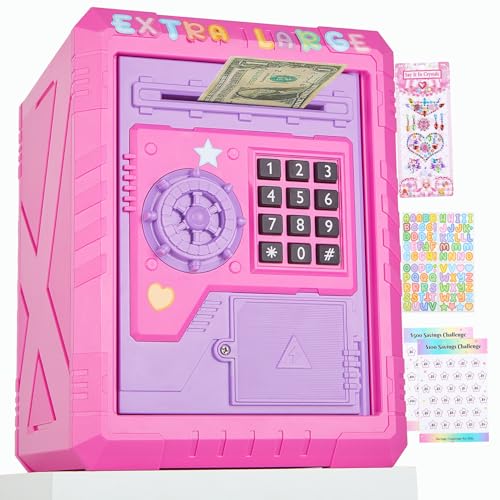
Large ATM Piggy Bank for Kids Electronic Bank with Password Lock, Safe Coin Bank for Boys and Girls Cash Savings Box for Children, Pink
Upgraded Large Capacity Bank: With double the capacity, this money saving box can hold up to 1,100 coins…
As an affiliate, we earn on qualifying purchases.
As an affiliate, we earn on qualifying purchases.