

To manage relationship anxiety caused by uncertainty and insecurity, focus on building trust through honesty, reliability, and open communication. Practice self-soothing techniques like mindfulness to calm your nerves and challenge negative thoughts. Express your feelings honestly without demanding guarantees, and seek reassurance from your partner in a gentle way. Developing patience and resilience helps you feel more secure over time. If you want to learn more about creating a healthy, confident connection, keep exploring how these strategies can work for you.
Key Takeaways
- Develop trust through consistent honesty, reliability, and open communication to create a sense of security.
- Practice emotional reassurance by expressing feelings honestly and requesting support calmly from your partner.
- Utilize mindfulness and grounding techniques to manage anxiety spikes and stay present.
- Recognize natural relationship uncertainties to reduce undue stress and build resilience over time.
- Foster patience and ongoing effort in communication and trust-building to strengthen emotional stability.

Have you ever felt your heart race or your stomach tighten at the thought of losing your partner? That surge of anxiety can feel overwhelming, but understanding how to manage these feelings is essential for maintaining a healthy relationship. One of the most effective ways to combat relationship anxiety is through trust building. When you focus on developing trust with your partner, you start to feel more secure and less uncertain about their intentions. Trust isn’t built overnight; it’s cultivated through consistent honesty, reliability, and openness. When your partner follows through on promises and communicates transparently, you begin to see that they’re committed to the relationship. This, in turn, reduces the space for doubts and insecurities to grow. Trust building isn’t about controlling the other person or demanding constant reassurance; it’s about creating a safe space where both of you feel valued and understood.
Alongside trust building, emotional reassurance plays a crucial role in managing relationship anxiety. When you’re feeling insecure, it’s natural to seek validation from your partner, but it’s equally important to communicate your needs effectively. Instead of demanding constant guarantees, try expressing your feelings honestly. For example, explaining that certain moments trigger your anxiety and asking for reassurance in a gentle, non-accusatory way can foster understanding. Remember, emotional reassurance is a two-way street. When your partner offers comfort and listens empathetically, it helps you feel more grounded and less vulnerable to doubts. Over time, these interactions strengthen your emotional connection and build a foundation of mutual support. Incorporating healthy coping strategies, such as practicing mindfulness or grounding exercises, can also help manage symptoms of anxiety and promote emotional stability.
You might also find it helpful to develop your own coping strategies alongside trust building and emotional reassurance. Practicing mindfulness or grounding exercises can help calm your mind when anxiety spikes. Reminding yourself of your worth and focusing on positive experiences with your partner can shift your perspective from worry to appreciation. Recognize that some uncertainty is natural in any relationship, but it doesn’t have to dominate your thoughts. Consistently working on trust and openly sharing your feelings can gradually diminish your anxiety, helping you feel more confident and secure.
Ultimately, managing relationship anxiety involves a combination of trust building, emotional reassurance, and self-awareness. By nurturing these aspects, you create a more resilient emotional environment where doubts are less likely to take hold. Remember, it’s a process—patience and consistent effort are key. When you prioritize honest communication and mutual support, you empower yourself to face uncertainty with greater confidence, fostering a relationship grounded in security and genuine connection. Developing an understanding of effective relationship strategies can further strengthen your emotional resilience and contribute to long-term relationship health.

Mindfulness Meditations for Anxiety: 100 Simple Practices to Find Peace Right Now
As an affiliate, we earn on qualifying purchases.
As an affiliate, we earn on qualifying purchases.
Frequently Asked Questions
How Can I Tell if My Anxiety Is Affecting My Relationship?
You can tell if your anxiety affects your relationship by noticing changes in emotional awareness, like feeling overly insecure or suspicious without cause. It might lead you to doubt your partner’s trust-building efforts or become overly clingy. If you find yourself constantly seeking reassurance or feeling anxious during interactions, it’s a sign your anxiety is impacting your connection. Recognizing these patterns helps you address them and strengthen trust with your partner.
Are There Specific Triggers That Worsen My Insecurity?
Triggers and insecurities often ignite emotional flare-ups that leave you feeling vulnerable and unsure. For you, questions about loyalty or past mistakes can worsen your insecurity, making doubts spiral. These triggers might be small, like a missed call, or big, like unresolved conflicts. Recognizing what sparks these emotional flare-ups helps you better manage them, so you can stay grounded and build trust instead of succumbing to doubt and fear.
How Long Does It Take to Overcome Relationship Anxiety?
Overcoming relationship anxiety varies for everyone, but with consistent trust building and emotional resilience, you can see progress in a few months. It’s important to focus on understanding your fears and practicing open communication. Remember, healing isn’t linear; some days will be better than others. Stay patient, keep working on trust building, and your emotional resilience will strengthen, helping you feel more secure in your relationship over time.
Can Professional Therapy Help With Managing Relationship Insecurity?
Did you know that 75% of people find therapy effective for relationship issues? Yes, professional therapy can definitely help with managing relationship insecurity. Through therapeutic techniques, you gain tools to understand your feelings and build confidence. Plus, emotional support from a therapist helps you feel heard and validated, making it easier to navigate uncertainty. With consistent effort, therapy can considerably improve your sense of security and strengthen your relationship.
What Are Quick Coping Strategies for Sudden Anxiety Attacks?
When a sudden anxiety attack hits, try focusing on your breathing by taking slow, deep breaths to calm your mind. Grounding techniques, like pressing your feet into the floor or holding onto a textured object, help anchor you in the present moment. These quick coping strategies can reduce your anxiety fast, giving you some relief and helping you regain control when feelings of insecurity or uncertainty surge unexpectedly.

Rebuilding Trust: Guided Therapy Techniques and Activities to Restore Love, Trust, and Intimacy in Your Relationship
As an affiliate, we earn on qualifying purchases.
As an affiliate, we earn on qualifying purchases.
Conclusion
Remember, facing relationship anxiety is like weathering a storm—you may feel overwhelmed, but brighter days lie ahead. Embrace patience, communicate openly, and trust in your strength. Just as storms give way to sunshine, your insecurities can give way to confidence and love. Don’t let fear anchor you; instead, let hope be your guiding star. You have the power to transform uncertainty into growth—your future together is worth the courage it takes to endure today’s doubts.
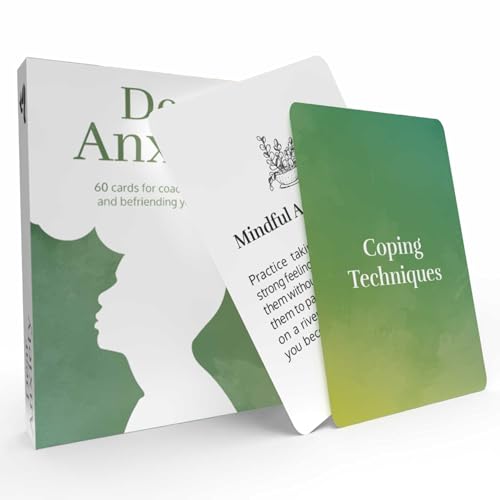
metaFox Dear Anxiety — Therapy and Coaching Tool for Mindfulness, Emotion Coaching & Difficult Conversations | 60 Feelings & Self Reflection Cards for Anxiety Relief, Emotional Intelligence & Stress
Therapist-Designed Coaching Cards: 60 thoughtfully designed coaching cards guide therapists and coaches by clearly highlighting anxious thoughts and…
As an affiliate, we earn on qualifying purchases.
As an affiliate, we earn on qualifying purchases.

Grounding Cards & Anxiety Stickers Set, Therapy Games for Teens & Adults, 23 Coping Skills for Stress Relief with Explanations, Mindfulness Tools for Trauma, PTSD, BPD | Mental Health Self Care Gift
UNLOCK THE ‘WHY’ BEHIND YOUR CALM: Go beyond simple instructions. Each of our 23 grounding cards features a…
As an affiliate, we earn on qualifying purchases.
As an affiliate, we earn on qualifying purchases.