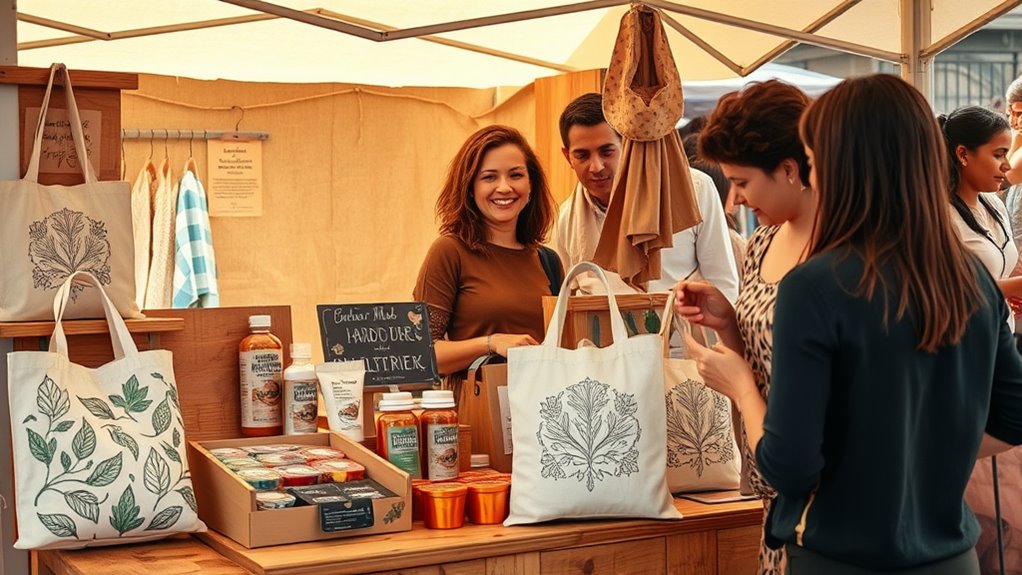

By choosing brands that prioritize ethical practices and social responsibility, you directly support fair wages, safe working conditions, and sustainable development. Your conscious purchases send powerful signals to companies to adopt greener and more ethical standards, encouraging positive industry-wide change. Every time you buy something that aligns with your values, you help promote transparency and eco-friendly solutions. Keep exploring how your choices can make a bigger impact and shape a more sustainable world.
Key Takeaways
- Making informed choices about products encourages brands to adopt ethical and sustainable practices.
- Supporting Fair Trade certified products ensures fair wages and safe conditions for producers.
- Choosing eco-friendly packaging reduces environmental pollution and promotes waste reduction.
- Conscious consumers drive industry standards by prioritizing brands aligned with social responsibility.
- Small everyday purchases collectively influence market trends toward more ethical and sustainable practices.
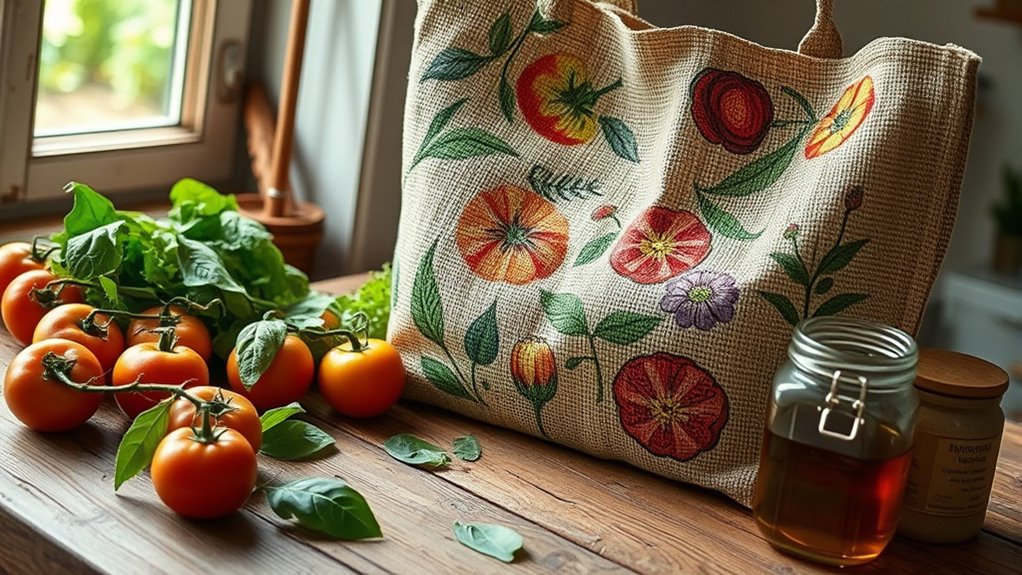
Have you ever stopped to contemplate how your everyday purchases impact the world around you? When you choose products, you’re not just selecting items for immediate use—you’re also making a statement about the values you support. Supporting brands that prioritize ethical practices can create a ripple effect, encouraging positive change across industries. Two key ways brands demonstrate their commitment to ethical standards are through Fair Trade certification and sustainable packaging. These choices reflect a company’s dedication to social responsibility and environmental stewardship, and your conscious purchasing decisions can make a real difference.
Fair Trade is more than just a label; it’s a movement that guarantees producers in developing countries receive fair wages and work under safe conditions. When you opt for Fair Trade products, you ensure that farmers and artisans are paid fairly for their hard work, helping lift communities out of poverty. Fair Trade also promotes transparency and ethical labor practices, reducing exploitation and fostering sustainable development. By prioritizing these products, you support a system that values human dignity over profit margins, creating a more equitable global economy. Your choice to buy Fair Trade items encourages more brands to adopt these standards, further expanding the reach of this ethical movement.
Choosing Fair Trade products supports fair wages, safe working conditions, and sustainable development worldwide.
Sustainable packaging is another essential aspect of ethical consumerism. Traditional packaging often contributes greatly to environmental pollution, with many materials ending up in landfills or oceans. When you support brands that use sustainable packaging, you’re helping reduce waste and conserve natural resources. These companies often opt for biodegradable, recyclable, or compostable materials, minimizing their ecological footprint. Choosing products with sustainable packaging also sends a message to manufacturers that consumers care about the planet. It pushes brands to innovate and adopt greener practices, creating a market where eco-friendly options become the norm rather than the exception.
Your conscious choices extend beyond just the product itself; they encompass the entire lifecycle, including packaging and production practices. By seeking out brands that prioritize Fair Trade and sustainable packaging, you align your spending with your values. This not only empowers companies to remain committed to ethical standards but also fosters a more transparent and responsible marketplace. Small actions, like selecting products with these certifications, accumulate over time, shaping a future where ethical practices are standard rather than exceptional. Remember, your purchasing power is a potent tool—use it to support brands that genuinely care about people and the planet. Each choice you make echoes outward, contributing to a more sustainable and just world.
A key component of ethical consumerism is understanding the importance of sustainable packaging and its impact on the environment and society.

Kicking Horse Coffee, Three Sisters, Medium Roast, Whole Bean, 2.2 Pound – Certified Organic, Fairtrade, Kosher Coffee
TASTING NOTES: Well-rounded and complex with notes of stone fruit and cocoa.
As an affiliate, we earn on qualifying purchases.
As an affiliate, we earn on qualifying purchases.
Frequently Asked Questions
How Can I Verify if a Brand’s Claims Are Genuine?
You can verify if a brand’s claims are genuine by checking their supply chain transparency and looking for third-party audits. Research the company’s website for detailed reports or certifications that prove ethical practices. Also, read reviews and third-party evaluations to see if they align with their claims. Don’t hesitate to contact the brand directly to ask for more information—transparency is key to trusting their authenticity.
Do Ethical Brands Cost More Than Conventional Brands?
Think of ethical brands like a well-tended garden—initially, they might seem pricier, but their transparency about sourcing and fair wages adds value. Usually, ethical brands cost more because of higher-quality materials and fair labor practices. When you compare prices and check brand transparency, you’ll see that paying a bit more supports sustainable practices and workers’ rights, making your purchase more meaningful and aligned with your values.
What Certifications Indicate Ethical Manufacturing Practices?
You should look for certifications like Fair Trade, B Corp, and Global Organic Textile Standard (GOTS) that indicate ethical manufacturing practices. These certifications guarantee brands prioritize sustainable sourcing and fair labor conditions. When you see these labels, you can trust that the company commits to ethical standards, supporting workers’ rights and environmentally friendly practices. Choosing products with these certifications helps promote responsible manufacturing and aligns with your values.
How to Balance Quality and Price When Choosing Ethical Products?
Balancing quality and price is like walking a tightrope, but it’s doable. First, prioritize products with sustainable packaging and fair trade sourcing, ensuring your money supports ethical practices. Look for sales or bulk discounts to save costs without sacrificing quality. Research brands with transparent manufacturing processes, so you get the best value. Remember, investing a little more upfront can lead to longer-lasting, ethically-made products that save you money in the long run.
Are There Ethical Options in Fast Fashion?
Yes, you can find ethical options in fast fashion. Look for brands that use sustainable materials and guarantee fair labor practices. Many fast fashion retailers are starting to adopt eco-friendly fabrics and transparent supply chains. By researching brands and choosing those committed to ethical standards, you support sustainable fashion even within a fast-paced industry. Your conscious choices can make a difference, encouraging brands to prioritize ethical practices and environmental responsibility.

Prime Line Packaging Reusable T Shirt Tote Bags, Fabric Thank You Bags with Handles for Small Business, Shopping, Merchandise, Retail Store Use, Bulk, 12x7x21, 50 Pack
REUSABLE DESIGN – Prime Line Packaging’s white reusable small to go bags are made from a tough, PP…
As an affiliate, we earn on qualifying purchases.
As an affiliate, we earn on qualifying purchases.
Conclusion
By choosing brands with ethical practices, you’re not just making a purchase—you’re making a difference. Did you know that 70% of consumers now prefer brands committed to social responsibility? When you support conscious companies, you help promote fair labor, sustainability, and transparency. Every small decision adds up, creating a ripple effect that encourages more brands to prioritize ethics. So, next time you shop, remember: your choices have the power to shape a better, more responsible world.

EcoTools Dry Body Brush, Cruelty-Free Bristles Exfoliate & Smooth Skin, Dry Brushing Removes Flaky Skin, May Help Improve Circulation & Tone, Eco-Friendly Skincare Tool, Vegan & Cruelty-Free, 1 Count
Includes (1) dry brush
As an affiliate, we earn on qualifying purchases.
As an affiliate, we earn on qualifying purchases.

Tony’s Chocolonely Assorted Chocolate Candy Pieces, Belgian Milk & Dark Chocolate, Caramel Sea Salt, Almond Sea Salt, Honey Almond Nougat, Pretzel Toffee, Quality Fairtrade Cocoa, 36 Count, 11.28 Oz
OUR MISSION TO END EXPLOITATION IN THE COCOA INDUSTRY: Tony’s Chocolonely exists to address the systemic issues in…
As an affiliate, we earn on qualifying purchases.
As an affiliate, we earn on qualifying purchases.