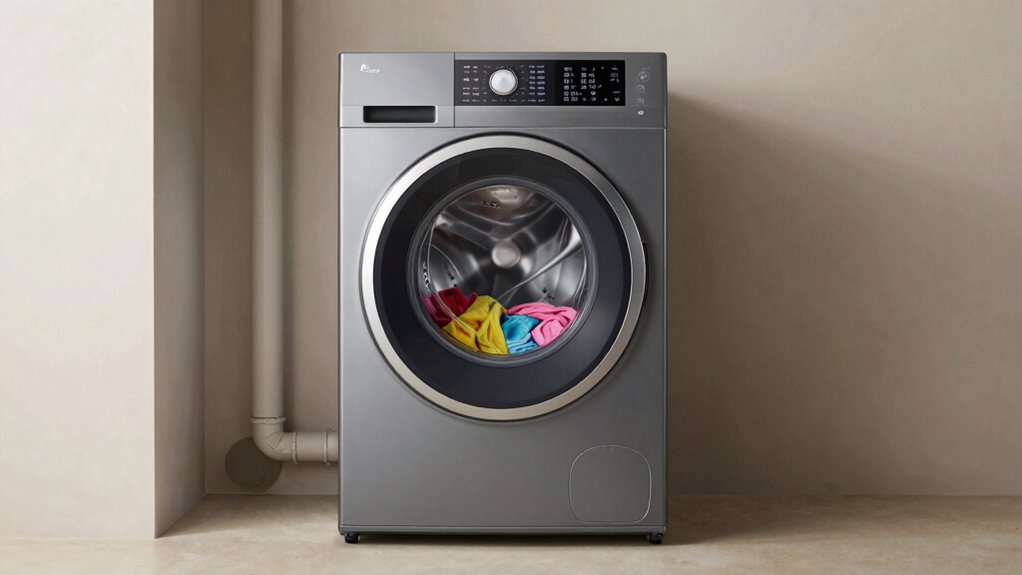
Heat pump dryers stand out from traditional models because they recycle heat and moisture, making them much more energy-efficient and eco-friendly. They use less power, operate quietly, and are gentler on clothes, especially delicate fabrics. Proper installation, program selection, and regular maintenance help them perform at their best. Curious to learn how to maximize their benefits and ensure long-lasting performance? Keep exploring to discover expert tips and ways to make the most of your heat pump dryer.
Key Takeaways
- Heat pump dryers recycle heat from the air, making them more energy-efficient than traditional vented dryers.
- They operate in a closed system, condensing moisture and reusing heat, which reduces electricity consumption.
- Proper installation, including correct venting and filter maintenance, is essential for optimal performance.
- Suitable for delicate fabrics, they dry clothes gently, extending garment lifespan and preventing damage.
- Regular upkeep and selecting appropriate drying programs ensure the dryer functions efficiently and lasts longer.

Samsung 4.0 Cu Ft Heat Pump Dryer, Compact Clothes Drying Machine, Stackable for Small Spaces w/Sensor Dry, 12 Preset Cycles, 40 Minute Express Dry, DV25B6900HW/A2, White
HEAT PUMP TECHNOLOGY: Samsung Heat Pump Dryer offers a more energy-efficient, cost-effective, and gentle way to dry your…
As an affiliate, we earn on qualifying purchases.
As an affiliate, we earn on qualifying purchases.
What Is a Heat Pump Dryer and How Is It Different From Traditional Models
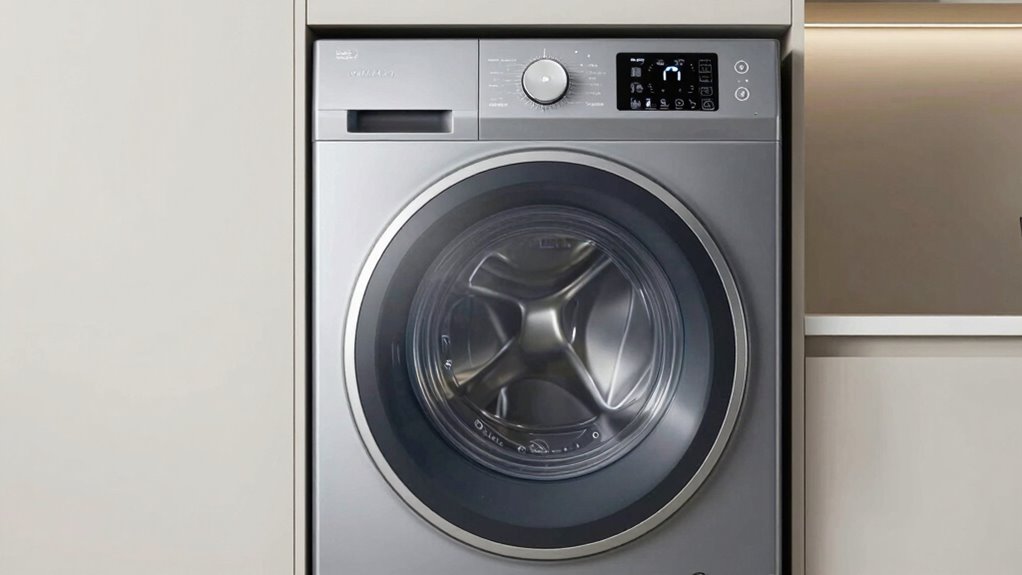
Have you ever wondered how heat pump dryers work and how they differ from traditional tumble dryers? These innovative appliances use a heat pump system to dry clothes more efficiently. Unlike conventional dryers that blow hot air and release moisture outside, heat pump dryers recycle the air, leading to significant energy savings. You’ll notice they consume much less electricity, which means lower utility bills. Additionally, heat pump dryers tend to operate more quietly, reducing noise levels in your home. This makes them ideal for use in apartments or homes where noise can be a concern. By using less energy and generating less noise, heat pump dryers offer a more eco-friendly and peaceful laundry experience compared to traditional models. Incorporating energy-efficient technology in your laundry routine can also support your efforts to manage household expenses and reduce environmental impact. Furthermore, the recycling system within these dryers contributes to their overall efficiency and sustainability.
Samsung 4.0 Cu Ft Heat Pump Dryer, Compact Clothes Drying Machine, Stackable for Small Spaces w/Sensor Dry, 12 Preset Cycles, 40 Minute Express Dry, DV25B6900HW/A2, White
HEAT PUMP TECHNOLOGY: Samsung Heat Pump Dryer offers a more energy-efficient, cost-effective, and gentle way to dry your…
As an affiliate, we earn on qualifying purchases.
As an affiliate, we earn on qualifying purchases.
How Heat Pump Technology Works and Its Key Benefits
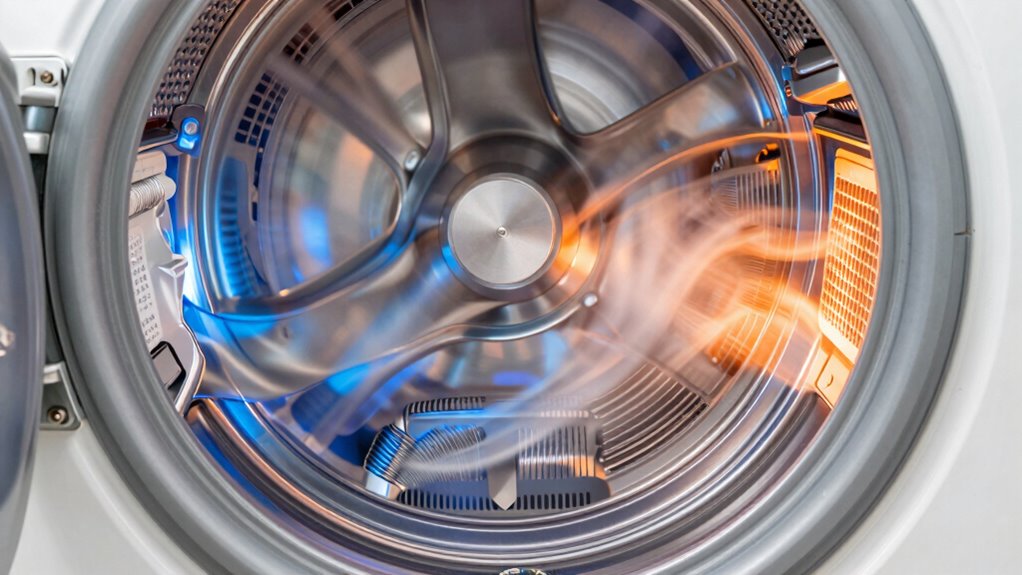
Heat pump technology works by efficiently extracting heat from the surrounding air and using it to dry your clothes. This process allows your dryer to operate with considerably less energy compared to traditional models, leading to notable energy savings. It’s an eco-friendly technology because it recycles heat instead of constantly generating new heat, reducing your household’s carbon footprint. The system condenses moisture from your clothes and then reuses the heat to continue drying, making it highly efficient. Because of this, your dryer consumes less electricity while still delivering effective drying performance. This energy-efficient process not only helps lower your utility bills but also minimizes environmental impact. Additionally, proper maintenance ensures your heat pump dryer continues to operate efficiently and prolongs its lifespan. Regular cleaning of filters and vents optimizes the system’s performance and maintains its energy-saving benefits. Overall, heat pump dryers offer a smarter, more sustainable way to dry your laundry without sacrificing convenience or performance.

Heat Gun Kit 1500W with Dual-Temperature 5 Nozzles,Hot Air Gun 122ᵒF-1022ᵒF Heating in Seconds for DIY Shrink PVC Tubing/Wrapping/Crafts,Stripping Paint (1500W 2 Gears Temp Setting)
◆【ATTENTION】:The heat gun will emit white smoke in a short time after starting up,which is a normal phenomenon.It…
As an affiliate, we earn on qualifying purchases.
As an affiliate, we earn on qualifying purchases.
How to Install and Set Up Your Heat Pump Dryer Correctly
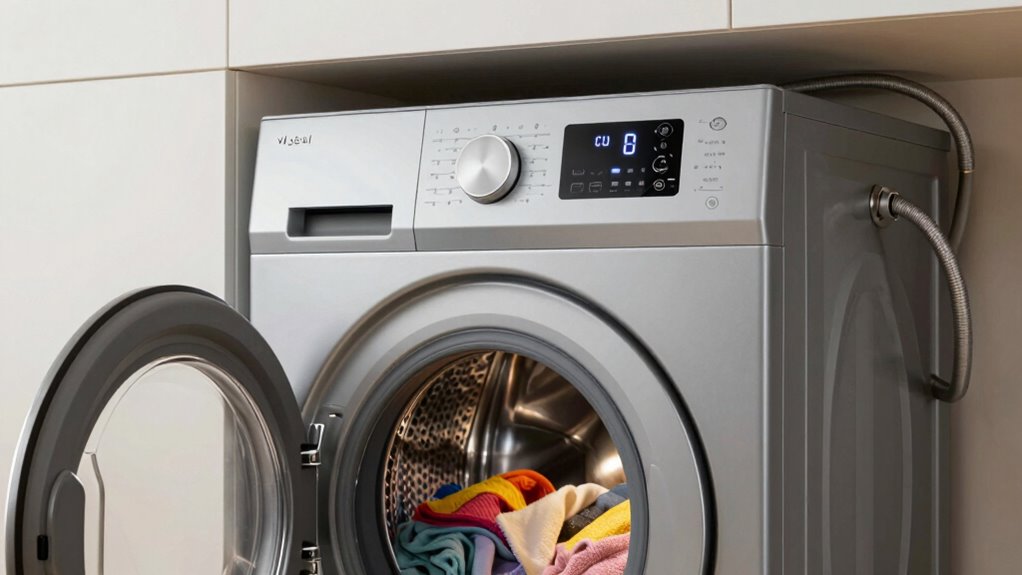
To guarantee your heat pump dryer works efficiently, start by setting up proper ventilation to prevent moisture buildup. Next, choose the correct program settings based on your fabric types and drying needs. Following these steps will help you get the best performance and longevity from your dryer. Additionally, ensure that your installation area is free of flammable materials to maintain safety during operation. Proper ventilation not only improves drying performance but also reduces the risk of microplastics accumulating in dust, which can impact indoor air quality. Being aware of Free Floating concepts can also help in optimizing airflow and energy use during drying cycles. Incorporating eco-friendly gardening tips around your home can further enhance your living space and promote sustainability.
Proper Ventilation Setup
Proper ventilation is essential for ensuring your heat pump dryer operates efficiently and safely. When setting up your dryer, consider ventilation considerations carefully. Ensure the exhaust system is free of obstructions and uses appropriately rated ducting to prevent heat buildup. Proper airflow optimization helps the dryer run smoothly, reducing energy consumption and prolonging its lifespan. Position the dryer near a venting outlet that allows for easy, direct airflow outside. Avoid long or tangled duct runs, as they can trap moisture and hinder performance. Regularly check and clean filters and vents to maintain optimal airflow. Using extension cord standards and weatherproofing techniques for outdoor venting can further enhance safety and reliability in your installation. Additionally, proper ducting materials play a crucial role in preventing heat and fumes from escaping into unwanted areas. Ensuring the ducting is made of materials resistant to heat and corrosion can improve durability and safety. By paying attention to ventilation setup, you guarantee your heat pump dryer functions effectively, minimizes moisture issues indoors, and maintains safety during operation.
Correct Program Selection
Selecting the right program on your heat pump dryer guarantees your clothes are dried efficiently and gently. Proper program selection assures cycle optimization, saving energy and preventing damage. To choose correctly, consider fabric type, load size, and desired dryness level. Use delicate cycles for fragile items and heavier cycles for bulky fabrics. Adjust settings if available, such as humidity sensors or temperature controls, for better results. Here’s a quick guide:
| Fabric Type | Recommended Program |
|---|---|
| Cotton | Heavy or Normal Drying |
| Synthetics | Delicate or Low Heat |
| Wool | Wool or Hand Wash Cycle |
| Jeans | Heavy Duty |
| Mixed Loads | Mixed or Eco Mode |
Understanding the drying cycle features helps optimize performance and extend the lifespan of your dryer. Additionally, familiarizing yourself with cycle options can help you tailor settings for specific fabrics and achieve optimal results.

all Fabric Softener Dryer Sheets for Sensitive Skin, Free Clear, 195 Count
From the makers of all free clear, laundry detergent brand recommended by Dermatologists
As an affiliate, we earn on qualifying purchases.
As an affiliate, we earn on qualifying purchases.
Tips for Operating Your Heat Pump Dryer Efficiently
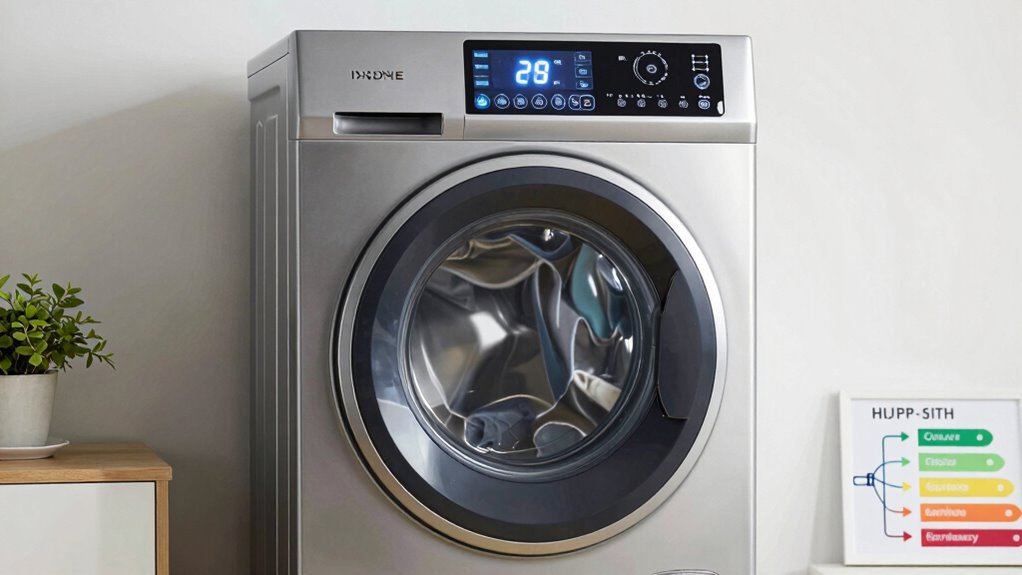
Operating your heat pump dryer efficiently starts with understanding how to optimize its settings and maintenance. To save energy, use eco or low-temperature cycles whenever possible, and avoid over-drying clothes. Proper maintenance routines, like regularly cleaning the lint filter and condenser, help keep the dryer running smoothly and efficiently. Confirm you’re not overloading the drum, which can hinder airflow and extend drying times. Dry full loads at the right time, and consider using sensor drying programs that automatically stop when clothes are dry. Keep the venting system clear and free of obstructions to improve airflow. Additionally, being aware of dryer technology can help you better understand how these appliances operate and how to maximize their efficiency. Understanding energy efficiency features can further enhance your drying process and reduce utility costs. Recognizing how heat pump systems operate enables you to tailor settings for different fabric types, improving drying performance. By following these energy saving tips and maintaining your dryer correctly, you’ll maximize efficiency, reduce energy bills, and prolong the appliance’s lifespan.
Essential Maintenance Tasks to Keep Your Dryer Running Smoothly
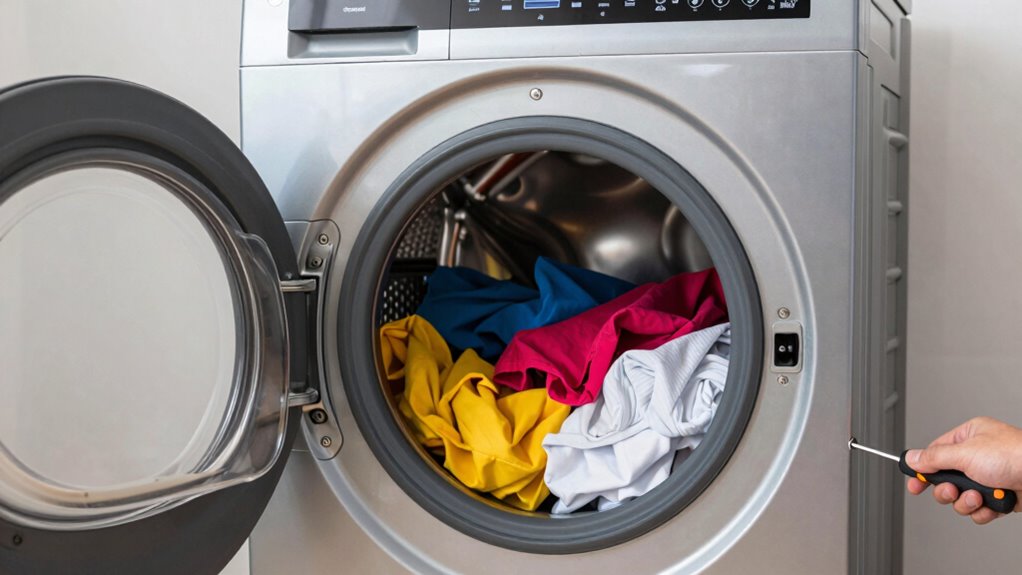
Regular maintenance is essential to keeping your heat pump dryer functioning efficiently and preventing costly repairs. One key task is regularly cleaning the lint filter, which boosts energy savings by ensuring proper airflow. Check and clear the condenser coils to maintain ideal heat transfer and prevent overheating. This also helps reduce noise, making your dryer operate more quietly. Inspect door seals and gaskets for wear, replacing them if necessary, to keep moist air out and improve efficiency. Keep the vent hose free of obstructions to enhance airflow and energy use. Being aware of air flow patterns can help you identify potential issues early. Additionally, understanding filtration and suction basics can help you better troubleshoot your appliance and optimize its performance. Paying attention to ventilation and airflow helps maintain consistent drying times and prevents damage. By staying on top of these tasks, you’ll not only save energy but also minimize noise and extend your dryer’s lifespan. Consistent upkeep ensures your dryer runs smoothly and efficiently for years to come.
Common Problems With Heat Pump Dryers and How to Fix Them
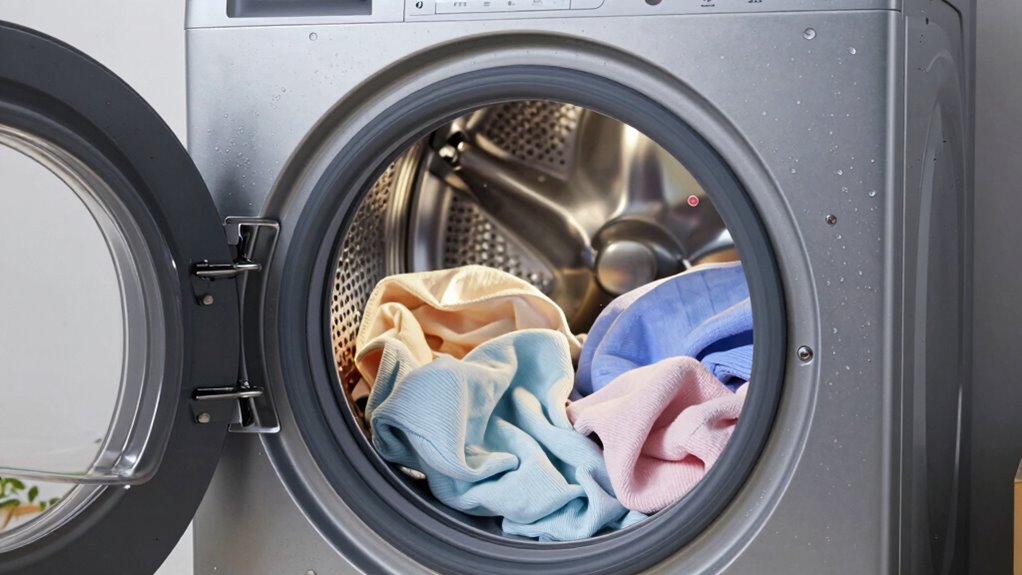
Despite their energy efficiency, heat pump dryers can experience specific problems that disrupt their performance. One common issue is sensor errors, which can cause the dryer to stop prematurely or fail to detect when clothes are dry. To fix this, check the sensors for dirt or damage and clean or replace them as needed. Condensation issues are another frequent problem, leading to excess moisture buildup or water leaks. Ensure the drainage system is clear and that the filters are clean to prevent condensation from accumulating inside the dryer. Additionally, verify that the venting is unobstructed and that the drain pan isn’t full. Regular maintenance and prompt troubleshooting can help you address these problems quickly and keep your heat pump dryer functioning efficiently. Smart lock technology can also be integrated into your laundry room for added security and convenience.
Are Heat Pump Dryers More Energy-Efficient? A Comparison
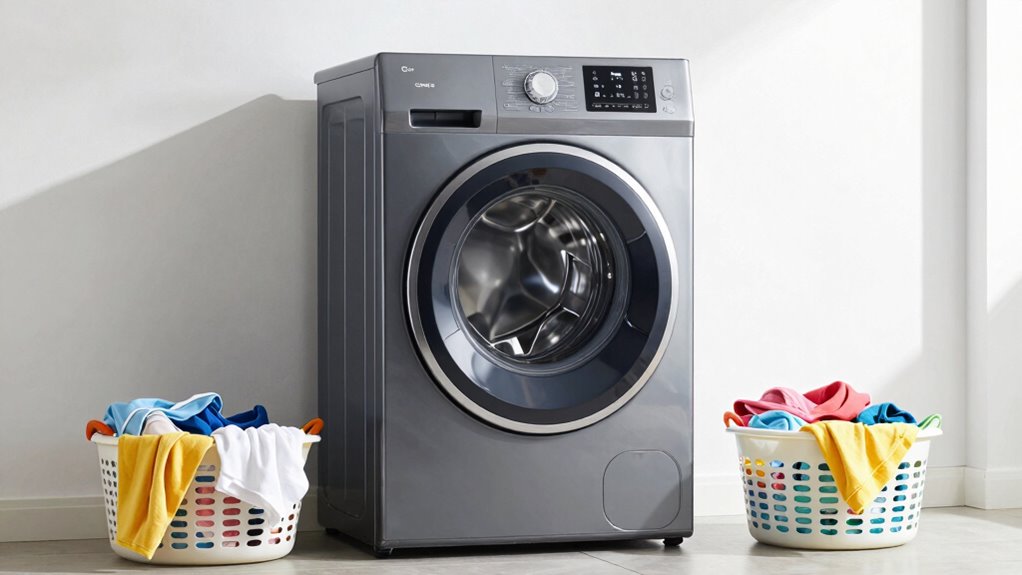
Heat pump dryers stand out for their energy-saving capabilities compared to traditional vented or condenser dryers. They use less electricity by recycling heat, which means you’ll see noticeable energy savings on your utility bills. Because they consume less power, they also have a lower environmental impact, helping reduce your carbon footprint. Unlike conventional dryers that vent hot air outside, heat pump models operate efficiently in a closed system. This not only conserves energy but also minimizes heat loss. Over time, the energy efficiency of heat pump dryers makes them a smarter, eco-friendlier choice. While they may take longer to dry clothes, the savings on energy and the positive impact on the environment make them worth considering for your laundry routine.
Which Clothes and Fabrics Are Best Suited for Heat Pump Drying
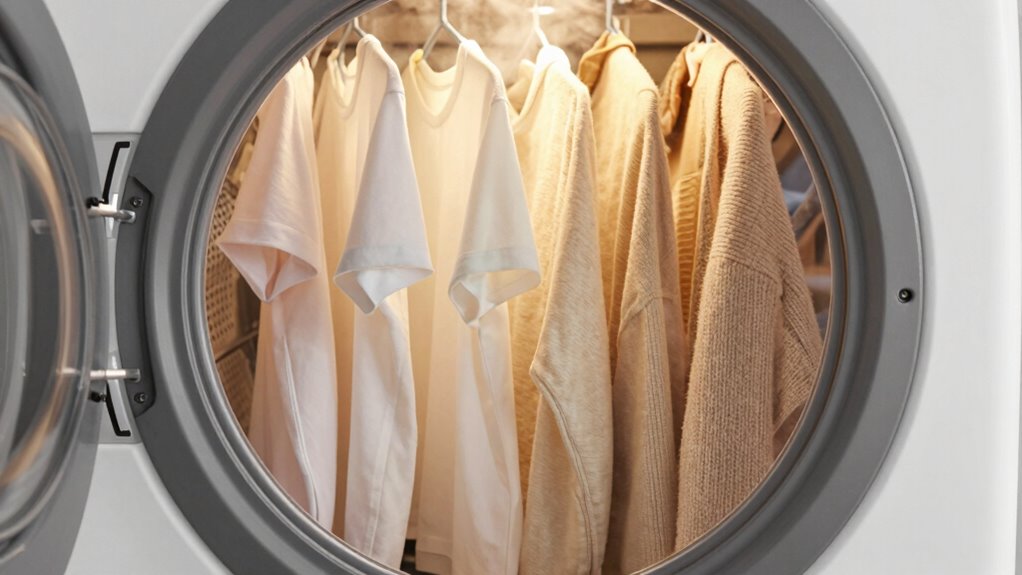
Since heat pump dryers operate at lower temperatures than traditional models, they’re best suited for delicate fabrics that can be damaged by high heat. Fabric types like wool, silk, and lace benefit from this gentle drying process, helping maintain their shape and texture. Suitable clothing includes activewear, synthetics, and cottons that you want to keep soft and in good condition. These dryers are also ideal for items with embellishments or delicate finishes that could melt or fray with intense heat. By choosing the right fabric types and suitable clothing, you extend the lifespan of your wardrobe. Heat pump drying provides a safe, energy-efficient way to care for your most delicate garments without risking damage from high temperatures.
Is a Heat Pump Dryer a Good Investment for Your Home? Costs and Savings
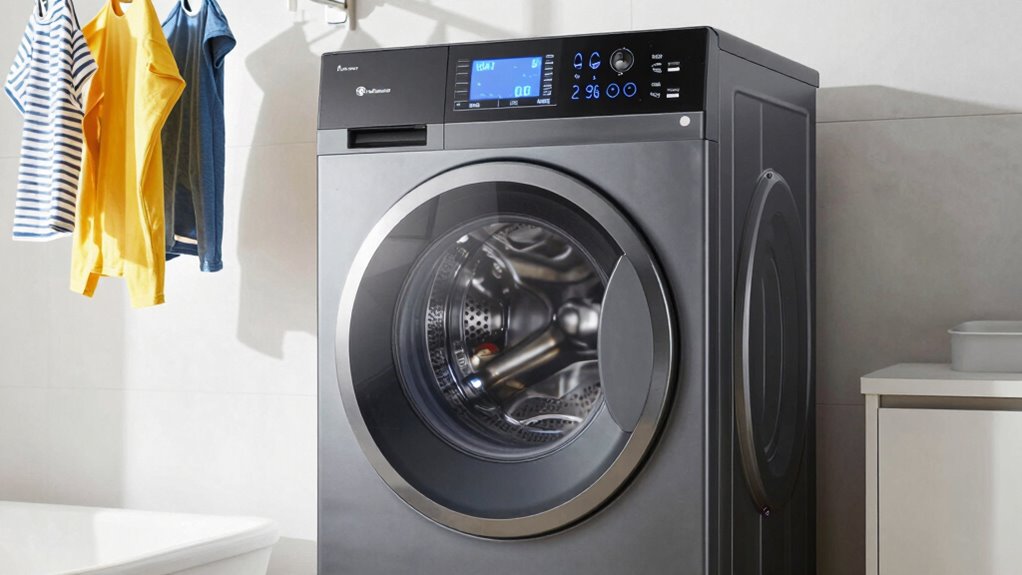
Investing in a heat pump dryer can offer significant benefits for your household, especially if you’re looking to save money and reduce energy consumption. While the initial installation costs are higher than traditional dryers, the energy savings over time can make up for the expense. Heat pump dryers use less electricity by recycling heat, which means lower utility bills month after month. Plus, they’re gentler on your clothes, extending their lifespan. Although the upfront investment might seem steep, the long-term savings and environmental benefits can make this a smart choice. If you plan to stay in your home for several years, a heat pump dryer can be a wise financial decision that pays off through reduced energy costs and improved performance.
Expert Advice to Maximize Your Heat Pump Dryer’s Longevity and Performance
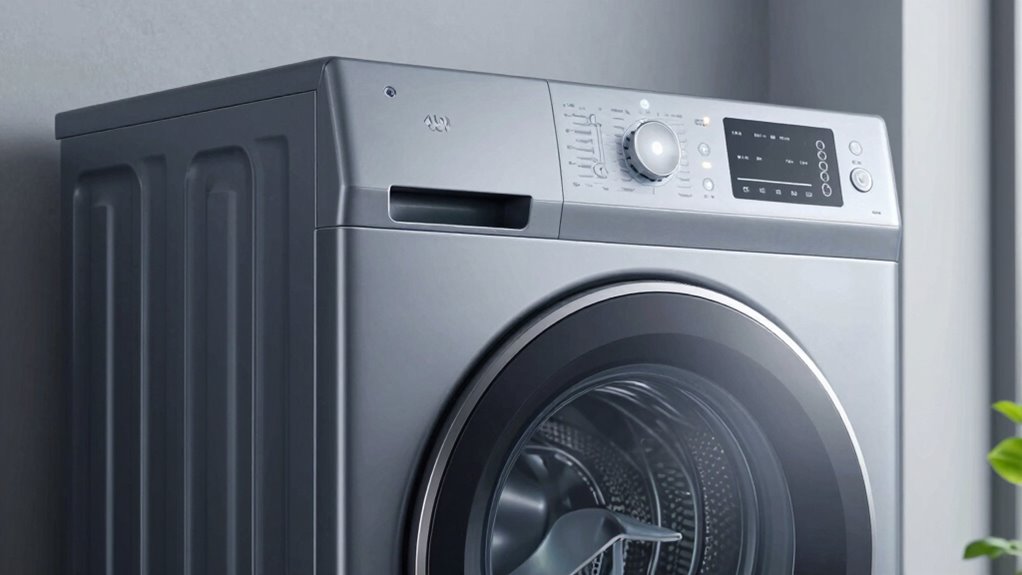
To keep your heat pump dryer running smoothly, you should regularly clean the filters to prevent clogs. Make sure your ventilation setup is proper to improve airflow and efficiency. Additionally, choosing the right drying cycle helps protect your clothes and extends the appliance’s lifespan.
Regular Filter Cleaning
Regularly cleaning the filter is one of the simplest yet most effective ways to keep your heat pump dryer running smoothly. Proper filter maintenance guarantees ideal airflow efficiency, which directly impacts drying performance and energy use. To maximize your dryer’s lifespan, follow these steps:
- Remove the filter after each cycle and clear lint buildup with a soft brush or vacuum.
- Wash the filter with warm water and mild detergent monthly, then let it dry completely before reinstalling.
- Check for any cracks or damage and replace the filter if necessary to prevent airflow restrictions.
Proper Ventilation Setup
Ensuring your heat pump dryer is properly vented is key to maintaining ideal performance and extending its lifespan. Start by following the manufacturer’s ventilation requirements, which specify the correct vent length, diameter, and materials. Proper airflow optimization prevents moisture buildup and reduces strain on the system. Avoid kinks, bends, or obstructions in the vent hose, as these can restrict airflow and decrease efficiency. Install the vent in a way that allows for easy cleaning and inspection, preventing lint buildup that can lead to blockages or fire hazards. Make certain the vent terminates outdoors in a well-ventilated area, not into attics or crawl spaces. A correctly set up ventilation system helps your heat pump dryer operate smoothly, saving energy and prolonging its longevity.
Optimal Drying Cycles
Did you know that choosing the right drying cycle can substantially extend your heat pump dryer’s lifespan and boost its efficiency? To optimize performance, focus on cycle customization and sensor accuracy. Here are three tips:
- Use sensor-based cycles for precise moisture detection, preventing over-drying.
- Adjust cycle settings based on fabric type to protect delicate clothes and save energy.
- Opt for eco-friendly cycles that balance drying effectiveness with longevity.
Frequently Asked Questions
How Does a Heat Pump Dryer Affect Fabric Longevity?
A heat pump dryer helps extend fabric longevity by providing gentle, consistent drying, which improves fabric care. Its lower temperatures reduce wear and tear, preventing shrinking or damage over time. Plus, the drying efficiency minimizes over-drying, keeping clothes looking newer longer. You’ll find your garments last more cycles, saving money and maintaining quality. Overall, this technology enhances fabric care while delivering efficient drying, making your laundry routine more effective and gentle.
Can Heat Pump Dryers Be Used in RVS or Small Spaces?
Yes, heat pump dryers can be used in RVs and small spaces. Their compact size makes them ideal for small space installation, and many models are designed with RV compatibility in mind. You’ll find that they operate efficiently without requiring venting, which is perfect for confined areas. Just make certain you choose a model suitable for your space, and follow installation instructions for maximum performance and safety.
What Is the Typical Lifespan of a Heat Pump Dryer?
Your heat pump dryer can last over 10 years with proper maintenance, outlasting traditional models by a mile! To boost its lifespan, follow simple maintenance tips like cleaning filters and vents regularly. Plus, enjoy unbeatable energy efficiency that keeps your utility bills low while your dryer stays in top shape. Think of it as an investment that pays off in durability and savings, making your laundry routine hassle-free for years to come!
Are There Specific Detergents Recommended for Heat Pump Dryers?
You should choose detergents compatible with heat pump dryers, ideally eco-friendly options. Look for detergents labeled as low-sudsing and suitable for sensitive or energy-efficient machines. These detergents help prevent residue buildup, ensuring your dryer operates efficiently and prolongs its lifespan. Avoid heavy-duty or high-alkaline detergents, as they can harm the system. Always follow the manufacturer’s recommendations for best results and to maintain your dryer’s performance.
How Do Noise Levels Compare Between Heat Pump and Traditional Dryers?
Think of noise levels like a whisper versus a shout. Heat pump dryers are generally quieter than traditional dryers, often operating at sound levels around 60 decibels, similar to a conversation. Traditional dryers can reach 70-80 decibels, akin to background noise in a busy cafe. So, if you value peaceful laundry days, a heat pump dryer’s quieter operation makes a noticeable difference, helping you avoid the loud clangs and roars of older models.
Conclusion
In the end, embracing a heat pump dryer can gently lead you toward a more energy-conscious routine. With a little care and patience, you’ll find it’s quite forgiving and rewarding. By understanding how it works and giving it the right attention, you’ll enjoy fresh, efficiently dried clothes without much fuss. It’s a quiet step forward that, over time, can make your laundry days a little brighter and a lot easier.