
Reverse osmosis wastewater is the leftover fluid that contains all the impurities filtered out during the process, like salts, minerals, and contaminants. It’s created as clean water passes through a semi-permeable membrane, leaving behind concentrated waste. This waste can harm the environment if not managed properly. By understanding what this wastewater really means, you’ll see how innovative techniques can reduce its impact and improve water sustainability—explore further to discover more.
Key Takeaways
- RO waste water is the leftover water containing impurities rejected during filtration, not clean drinking water.
- It includes salts, minerals, and contaminants removed from the source water to produce purified water.
- Wastewater volume typically ranges from 3 to 4 gallons per gallon of purified water produced.
- Proper management and treatment of RO waste water are essential to prevent environmental pollution.
- Innovations aim to recycle or reduce RO waste water, turning it into a useful resource and minimizing ecological impact.

Waterdrop G3P600 Reverse Osmosis System, 8 Stage Tankless Reverse Osmosis Water Filter, NSF/ANSI 42 & 53 & 58 & 372 Certified, Under Sink RO System, 2:1 Pure to Drain, Smart LED Faucet
𝐓𝐫𝐮𝐬𝐭𝐞𝐝 𝐜𝐞𝐫𝐭𝐢𝐟𝐢𝐜𝐚𝐭𝐢𝐨𝐧𝐬: Waterdrop G3P600 reverse osmosis system is certified against NSF/ANSI 58 for TDS reduction and NSF/ANSI 372…
As an affiliate, we earn on qualifying purchases.
As an affiliate, we earn on qualifying purchases.
What Is Reverse Osmosis Wastewater and Why Should You Care?
Reverse osmosis wastewater is the leftover water that results when a reverse osmosis system filters impurities from your drinking water. This wastewater contains contaminants that the system has removed, meaning it’s essential to understand how it impacts your water quality. If you ignore system maintenance, your RO unit may become less effective, leading to higher wastewater production and compromised water quality. Regularly checking and replacing filters guarantees your system runs efficiently, reducing waste and maintaining clean, safe drinking water. Being aware of the amount of wastewater generated also helps you manage water use better. Proper maintenance not only minimizes waste but also prolongs your system’s lifespan, ensuring you continue to enjoy high-quality water without unnecessary waste. Additionally, understanding the wastewater production rate can help you optimize your system’s performance and reduce environmental impact. Monitoring microplastics in dust is also important, as it can affect indoor air quality and overall health. Recognizing the role of water quality in system efficiency can guide you towards better water conservation practices. Regular assessment of system efficiency and wastewater output can contribute to more sustainable water use and better environmental stewardship. Paying attention to wastewater levels helps prevent system damage and ensures optimal operation over time.

RO Membrane Cleaning Cartridge | Acid Membrane Cleaner to Remove Mineral Scale, Hardness, Iron and Other Scaling | Loaded in Cartridge to fit 20” Big Blue Housing | Applied Membranes C-C4220-A11
Prolong Membrane Life and Reduce Downtime, Maintenance, and Operating Costs with Regular Membrane Cleaning.
As an affiliate, we earn on qualifying purchases.
As an affiliate, we earn on qualifying purchases.
How Is RO Wastewater Created During Filtration?
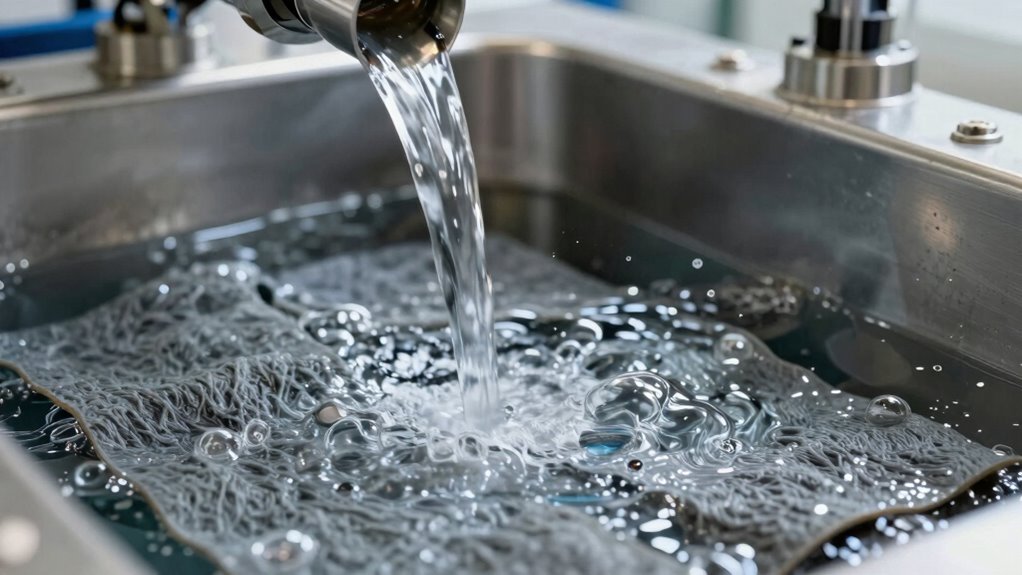
During the filtration process, impurities such as salts, minerals, and contaminants are separated from your water to guarantee purity. As water passes through the semi-permeable membrane, most clean water moves through, but some impurities are left behind. This concentrated waste, or RO wastewater, is pushed out as excess water. Over time, membrane fouling can occur when minerals and debris build up on the membrane surface, reducing efficiency. To combat fouling, system operators may need to increase cleaning cycles or pressure, which raises energy consumption. Additionally, higher energy use can result from the need to maintain ideal pressure levels to push water through the membrane, especially as fouling worsens. This process ensures purified water but produces wastewater as a byproduct of the filtration. membrane fouling can significantly decrease the lifespan and effectiveness of the filtration system, requiring maintenance to preserve performance. Proper maintenance and monitoring, including system cleaning, are essential to minimize energy consumption and extend the life of the RO system. Furthermore, understanding the composition of wastewater byproducts can aid in developing more sustainable filtration practices. Implementing advanced filtration technologies can also help reduce the volume of waste generated during the process.

iSpring RCC7AK, NSF Certified, 75 GPD, Alkaline 6-Stage Reverse Osmosis System, pH+ Remineralization RO Water Filter System Under Sink, Patented Top-Mounted Faucet Design for Easy Installation
PATENTED DESIGN – The top-mounted fastener allows for easy countertop installation entirely from above, eliminating the hassle of…
As an affiliate, we earn on qualifying purchases.
As an affiliate, we earn on qualifying purchases.
Debunking Common Myths About RO Wastewater
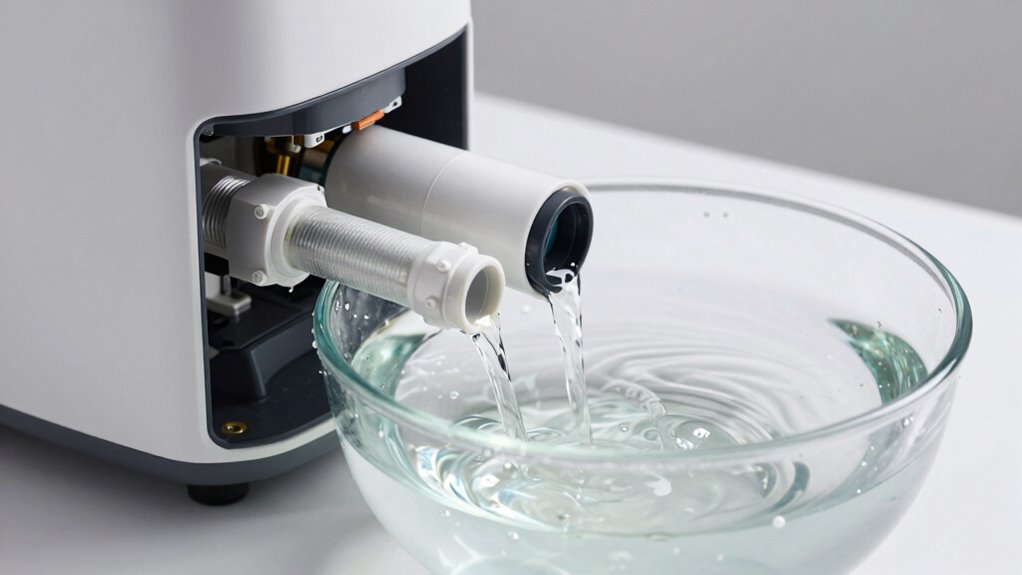
Many people believe that RO wastewater is simply unusable or wasteful, but this isn’t true. Through myth busting, you’ll see that these beliefs often stem from misconceptions. Here are four myths about RO wastewater:
Many assume RO wastewater is useless, but it’s often recyclable and manageable with proper practices.
- It’s pure pollution – In reality, RO wastewater contains concentrated impurities but isn’t necessarily polluting if managed properly. Proper wastewater management techniques can reduce environmental impact effectively. For example, innovative treatment methods can further diminish pollutants in the wastewater. Understanding the pollution potential of wastewater helps in developing sustainable disposal practices. Additionally, assessing the quality of wastewater is essential for determining appropriate reuse or disposal strategies.
- It’s completely useless – Some systems recycle or repurpose this water for gardening or cleaning.
- It harms the environment – Proper disposal methods minimize pollution concerns.
- It’s just waste – Advances in treatment reduce its environmental impact and potential reuse options. Additionally, understanding the capacity and management options of RO systems can help optimize wastewater reuse and reduce overall waste.
Understanding these facts helps you see that RO wastewater isn’t just waste; it’s manageable and often recyclable, dispelling common myths and alleviating pollution concerns.

Water Filter Housing Wrench Replacement for Apec RO Membrane Housing Wrench Fit for Reverse Osmosis Water Filter System Membrane Housing Ro Filter Canister Wrenchs, 2 Pack
【Compatibility】: This membrane housing wrench is compatible with RO MEMBRANE housings of APEC BRAND, fit for most industry…
As an affiliate, we earn on qualifying purchases.
As an affiliate, we earn on qualifying purchases.
What Are the Environmental Effects of Discharging RO Wastewater?
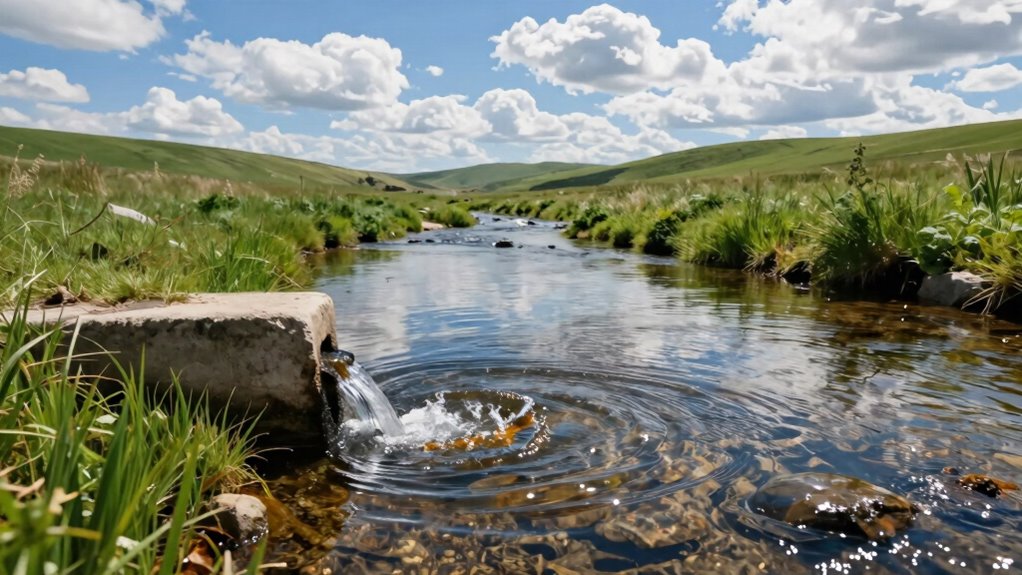
Discharging RO wastewater into the environment can have several effects if not managed properly. One major concern is marine pollution, which can harm aquatic ecosystems. The high salt concentration and chemical residues in the wastewater can disrupt the delicate balance of marine life, damaging habitats and threatening species. Elevated salinity levels can lead to dehydration and stress in aquatic organisms, reducing biodiversity. Additionally, harmful chemicals or contaminants in the wastewater may accumulate in the food chain, impacting both marine animals and humans who rely on these ecosystems. Without proper treatment or disposal, these discharges can cause long-term environmental damage, affecting water quality and ecosystem health. Implementing proper waste management practices is essential to minimize these adverse effects on our oceans and freshwater bodies. Proper disposal methods can help prevent ecological imbalance and protect aquatic habitats from contamination. Furthermore, increasing awareness of environmentally responsible disposal methods can promote more sustainable practices among industries discharging RO wastewater.
How Can You Reduce Wastewater in Reverse Osmosis Systems?
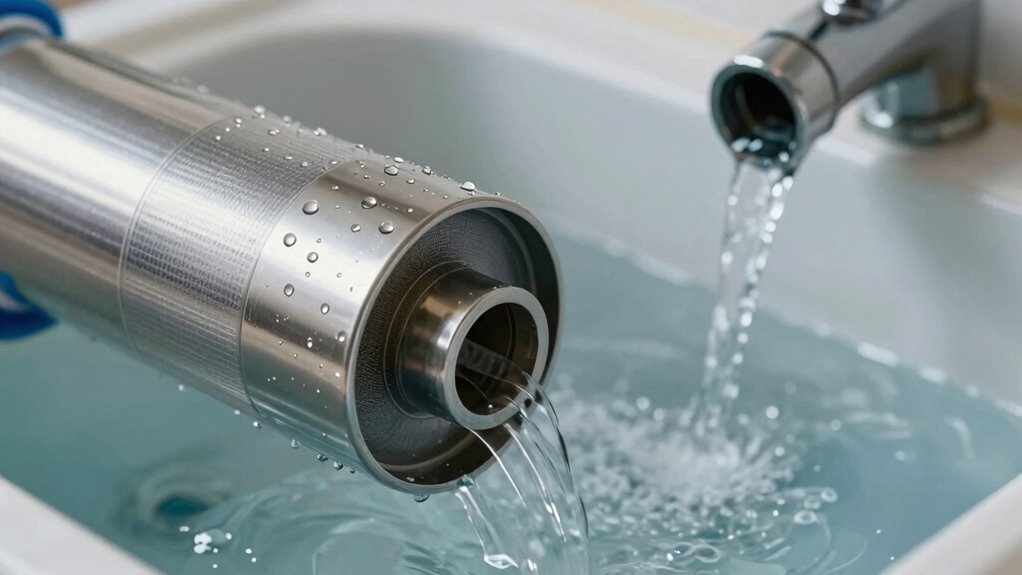
To reduce wastewater in reverse osmosis systems, you can optimize the process by adjusting operational parameters and implementing efficient recovery techniques. This approach boosts water conservation and enhances cost efficiency. Here are four effective strategies:
- Regularly maintain and clean membranes to prevent fouling and improve performance.
- Adjust recovery rates to find a balance between permeate production and wastewater.
- Use high-efficiency pre-treatment to reduce membrane scaling and extend lifespan.
- Incorporate energy recovery devices to maximize water reuse and minimize waste.
- Understanding membrane fouling helps in developing better cleaning schedules and maintaining system efficiency. Additionally, monitoring filtration/suction basics can help identify early signs of fouling or clogging, preventing excessive wastewater production. Being aware of system pressure fluctuations can also serve as an indicator of potential issues before they lead to increased waste. Regularly reviewing operational parameters can further optimize system performance and reduce waste generation. Implementing advanced monitoring techniques can provide real-time insights, enabling proactive adjustments to minimize wastewater output.
Applying these methods helps you conserve water resources, reduce waste, and lower operational costs. By fine-tuning your system, you ensure it runs more sustainably and economically, making the most of every drop.
What Are the Best Ways to Treat and Reuse RO Wastewater?

Treating and reusing RO wastewater effectively requires selecting appropriate methods that remove contaminants and make the water suitable for various applications. To maximize desalination efficiency, you should consider advanced filtration techniques like activated carbon or UV treatment, which target specific impurities. These methods help improve water quality while protecting membrane durability, ensuring your system remains efficient over time. Reusing wastewater for irrigation, industrial processes, or groundwater recharge depends on reducing salts, organic matter, and pollutants. Proper pretreatment can notably extend membrane lifespan and optimize overall system performance. By focusing on effective treatment strategies, you can transform what was once waste into a valuable resource, reducing environmental impact and enhancing sustainability.
Innovative Technologies for Recycling and Valorizing RO Wastewater
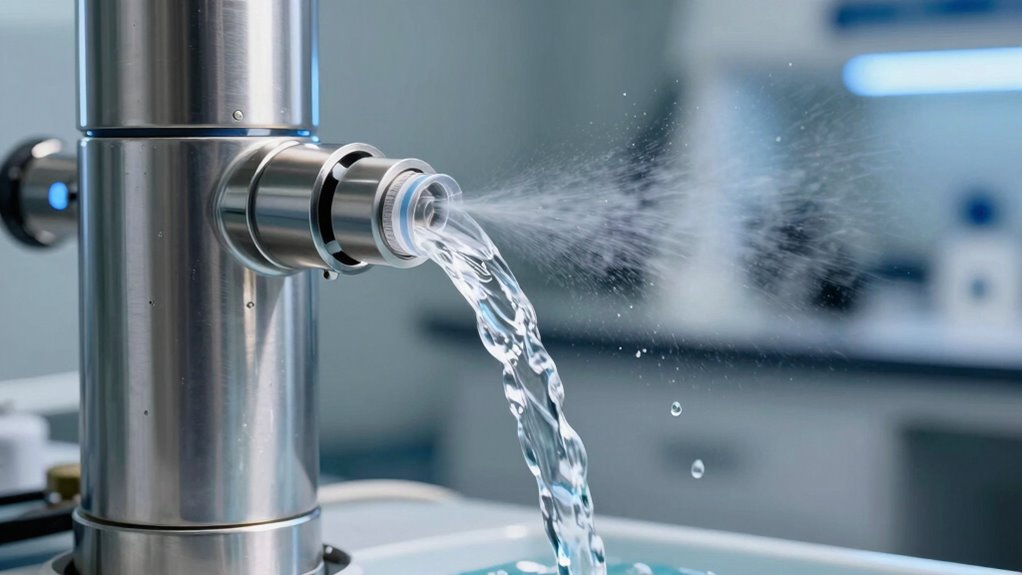
Advances in innovative technologies are opening new pathways to recycle and valorize RO wastewater, transforming what was once considered mere disposal into valuable resources. These methods tackle issues like membrane fouling and reduce energy consumption. Here are four key approaches:
- Advanced filtration techniques that minimize membrane fouling, prolonging membrane lifespan and improving efficiency.
- Hybrid treatment systems combining biological and physical processes to recover nutrients and produce clean water.
- Membrane distillation that operates at lower energy levels, lowering overall energy consumption.
- Electrochemical methods that remove contaminants and enable resource recovery, turning wastewater into useful byproducts.
How Can Wastewater Management Improve Sustainable Water Treatment?
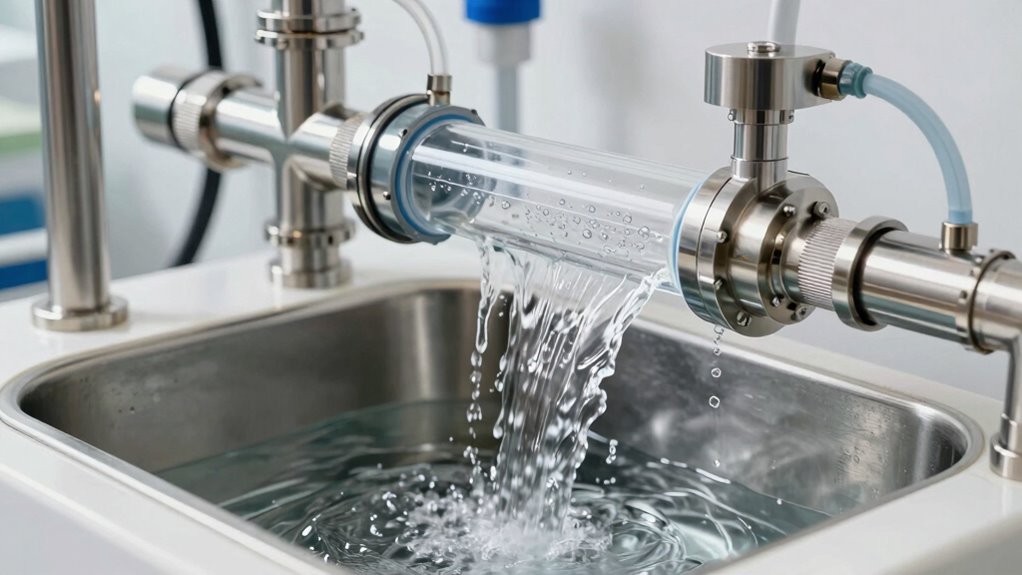
Effective wastewater management plays a pivotal role in enhancing sustainable water treatment by optimizing resource use and minimizing environmental impact. Addressing desalination challenges, such as high energy consumption and brine disposal, requires innovative management strategies that prioritize water conservation. By recycling and reusing wastewater, you reduce the strain on freshwater sources and lower the demand for energy-intensive processes. Implementing advanced filtration and treatment technologies ensures that wastewater is effectively cleaned and reused, supporting sustainable practices. Proper management also involves monitoring water quality and promoting conservation habits among consumers. These efforts help mitigate the environmental footprint of water treatment facilities while ensuring a reliable water supply. Ultimately, improved wastewater management is essential for balancing water demands with ecological preservation.
How Do Wastewater Outputs Compare Across Water Treatment Methods?
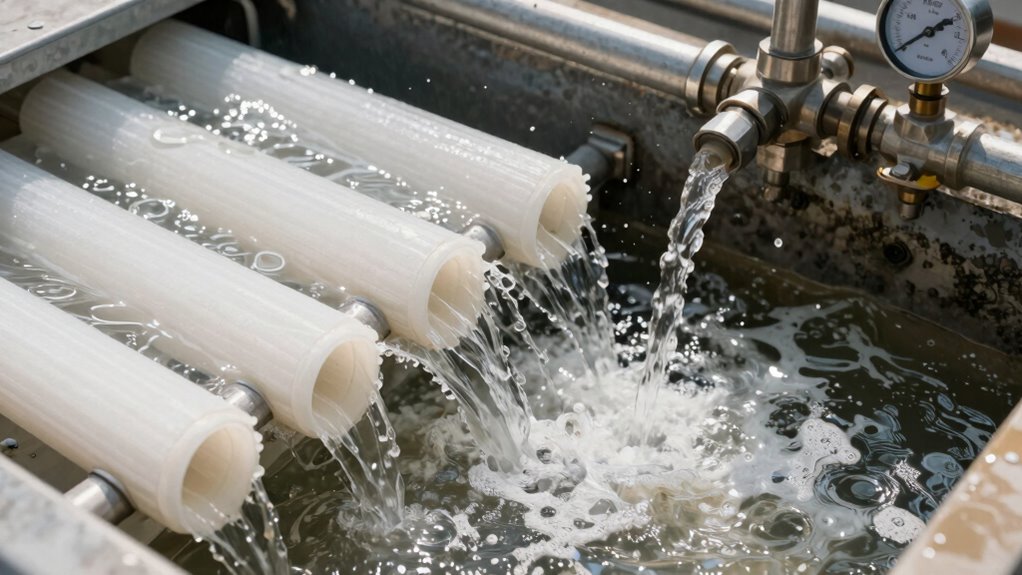
Different water treatment methods produce varying amounts of wastewater, affecting overall efficiency and resource use. You’ll notice that processes like reverse osmosis generate more waste compared to simpler methods, which can impact environmental sustainability. Understanding these wastewater ratios helps you compare their environmental footprints more accurately.
Wastewater Ratios Comparison
When comparing wastewater outputs across various water treatment methods, it becomes clear that each process produces a distinct volume of waste. You’ll notice that some methods generate minimal wastewater, helping with water conservation efforts, while others produce more, impacting pollution control. For example:
- Reverse osmosis (RO) typically wastes 3-4 gallons per gallon of purified water.
- Conventional filtration methods may produce less waste but might not remove all contaminants.
- Distillation often results in high wastewater ratios due to energy and water use.
4.UV treatment produces little to no wastewater but relies on pre-treatment steps.
Understanding these ratios helps you choose the most efficient method for your needs, balancing water conservation and pollution control benefits.
Environmental Impact Differences
The environmental impact of water treatment methods largely depends on their wastewater outputs, which directly influence pollution levels and resource use. Reverse osmosis produces concentrated brine that can harm aquatic ecosystems if improperly disposed of, increasing industrial pollution. In contrast, traditional methods like chlorination may generate less harmful waste but can still release chemicals into water sources.
| Method | Wastewater Characteristics |
|---|---|
| Reverse Osmosis | High salinity brine, potential industrial pollution |
| Chlorination | Chemical residuals, minimal volume |
| Sand Filtration | Minimal waste, primarily solid waste |
| UV Treatment | No liquid waste, energy consumption impacts environment |
Future Trends: Cutting Waste and Boosting Reuse in RO Systems

Advances in membrane technology and process optimization are driving significant changes in reverse osmosis (RO) systems, focusing on reducing waste and increasing reuse. To address desalination challenges and promote water conservation, innovative methods are emerging.
These include:
- Developing high-efficiency membranes that maximize water recovery.
- Implementing energy recovery devices to lower operational waste.
- Integrating advanced filtration to extend membrane lifespan.
- Exploring brine management techniques to minimize environmental impact.
Frequently Asked Questions
Can RO Wastewater Be Safely Used for Irrigation or Industrial Processes?
You can use RO wastewater for irrigation or industrial processes if you treat it properly. Incorporate rainwater harvesting techniques to supplement water needs, and make sure the wastewater undergoes additional filtration to remove contaminants. Using soil absorption methods helps prevent soil and water pollution. Always test the water quality first; untreated RO waste may contain minerals or chemicals that aren’t safe for plants or industrial use.
What Are the Cost Implications of Upgrading to Zero-Waste RO Systems?
Upgrading to zero-waste RO systems is like planting seeds for future savings but demands a hefty upfront investment. An economic analysis reveals significant costs, including advanced technology and retrofit challenges, which can turn your budget into a tightrope walk. While the long-term benefits of waste reduction pay off, you’ll need to weigh these initial expenses carefully, understanding that the journey to zero waste isn’t cheap but promises sustainability.
How Does Wastewater Volume Vary With Different Membrane Types?
You’ll notice wastewater volume varies with different membrane types because membrane efficiency impacts how much water is rejected during filtration. More efficient membranes typically produce less wastewater, reducing volume fluctuations. Conversely, less efficient membranes may generate higher wastewater volumes, leading to larger fluctuations. By selecting the right membrane type, you can better control wastewater output, optimize system performance, and minimize waste, ultimately saving costs and improving overall efficiency.
Are There Biological Treatment Options for RO Wastewater?
Yes, biological treatment options exist for RO wastewater. You can use processes like aerobic or anaerobic treatment to break down organic contaminants, making the water suitable for reuse. Implementing biological treatment reduces waste and promotes sustainable wastewater reuse practices. This approach is effective in minimizing environmental impact and can help you recycle water for irrigation, industrial processes, or groundwater recharge, turning waste into a valuable resource.
What Policies Govern the Disposal and Reuse of RO Wastewater Globally?
You need to be aware that policy frameworks and environmental regulations govern how you dispose of and reuse RO wastewater globally. These policies vary by country, often requiring treatment or reuse to prevent pollution. Regulations set limits on contaminant levels, promote sustainable practices, and sometimes incentivize reuse. Staying compliant means understanding local policies, implementing appropriate treatment methods, and aligning your practices with environmental standards to protect ecosystems and public health.
Conclusion
Now that you understand what reverse osmosis wastewater really means, you might wonder what’s next. Could new technologies unseal hidden potential in this often-overlooked byproduct? As innovation accelerates, the future of water treatment promises exciting possibilities—more reuse, less waste, and a healthier planet. Stay tuned, because the next breakthrough could change everything you thought you knew about wastewater. The question is, are you ready to be part of that transformation?