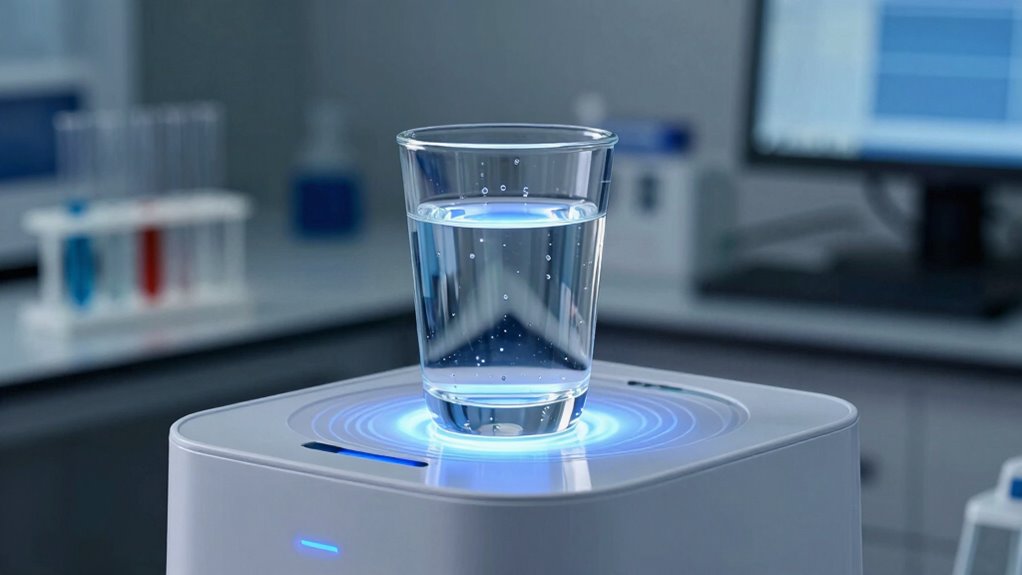

UV water purification works best when your water is clear, low in particles, and free from chemical contaminants, as the UV light inactivates bacteria and viruses effectively. It doesn’t remove heavy metals, pesticides, or other chemicals, so additional filtration may be necessary. The system must be well-maintained, with regular lamp replacements and clean quartz sleeves, to stay effective. If you want to understand when UV systems succeed or fail, keep exploring these key factors.
Key Takeaways
- UV water purification effectively in clear, low-turbidity water by inactivating bacteria, viruses, and some protozoa.
- It works best with proper maintenance, timely lamp replacement, and adequate water exposure to UV light.
- UV disinfection is less effective against resistant protozoa like Cryptosporidium and Giardia.
- It cannot remove chemical contaminants, heavy metals, or particles that shield microorganisms from UV exposure.
- Regular water testing and pre-treatment improve UV system performance and ensure safe, effective purification.

HQUA-TWS-12 Ultraviolet Water Purifier Filter for Whole House Water Purification,12GPM 120V, 1 Extra UV Lamp + 1 Extra Quartz Sleeve
12GPM 55W 21 inch long and 3.5 inch diameter. MNPT Inlet/Outlet: 3/4" Inch.
As an affiliate, we earn on qualifying purchases.
As an affiliate, we earn on qualifying purchases.
How Does UV Water Purification Work?
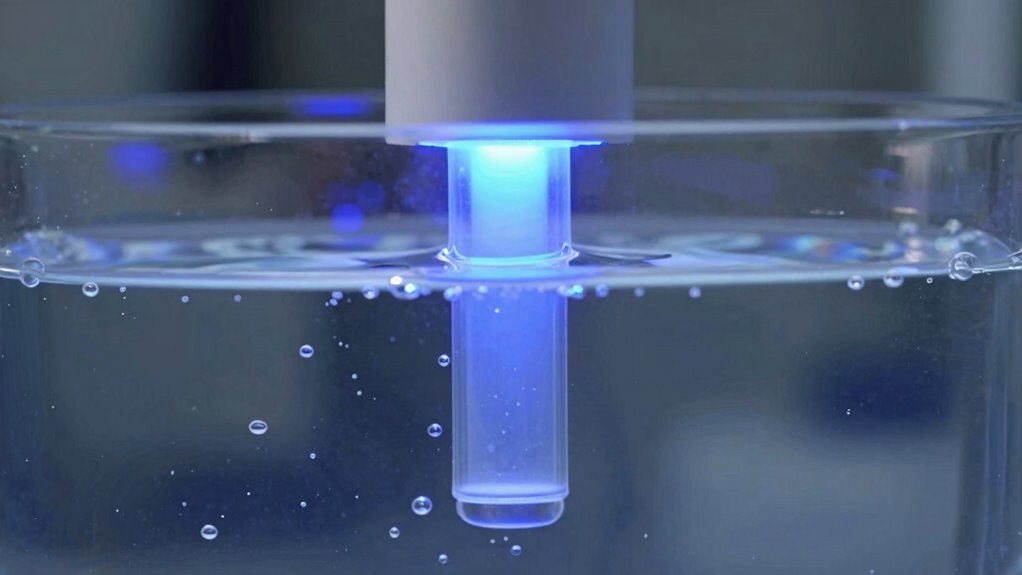
Ever wonder how UV water purification effectively kills harmful microorganisms? It all starts with a UV lamp that emits ultraviolet light to disrupt their DNA, rendering them inactive. The UV lamp lifespan is vital because a worn-out lamp loses its effectiveness, reducing purification quality. The UV systems are designed for longevity, often lasting about 9 to 12 months before replacement. Power consumption is quite efficient; these systems use minimal energy compared to other treatment methods. When you turn on a UV purifier, the water flows through a chamber where the UV light exposes every microorganism, destroying bacteria, viruses, and protozoa. Proper UV lamp longevity is essential for maintaining system efficiency and water safety. Regular system maintenance ensures optimal performance and prolongs the lifespan of your UV purifier. This process provides a chemical-free, eco-friendly way to make your water safe. Regular maintenance of UV water purifiers is essential to ensure consistent performance and water safety. Additionally, understanding the limitations of UV treatment helps in choosing the right water purification method for your needs.

APEC WATER UVBULB-SSV2 Replacement UV Ultra Violet Light Bulb for ROES-UV75-SS Reverse Osmosis Water Filter System
Replacement UV bulb ONLY for APEC ROES-UV75-SS with serial number AZ-UVSS-2500 and above or APEC ROES-PHUV75 with serial…
As an affiliate, we earn on qualifying purchases.
As an affiliate, we earn on qualifying purchases.
When Is UV Water Treatment Most Effective?
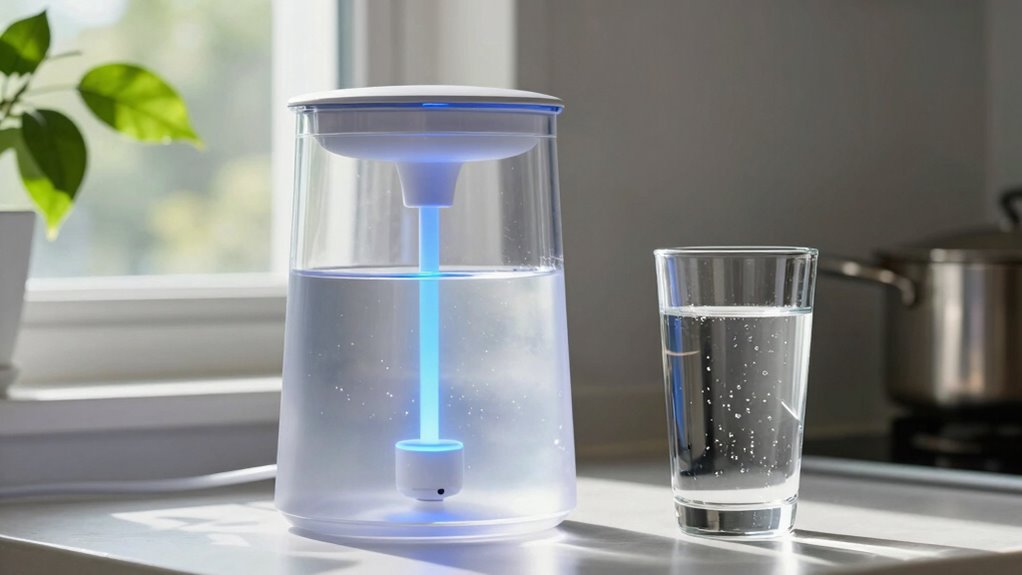
UV water treatment works best when your water has low turbidity and minimal particles that can block UV rays. It’s highly effective against bacteria, viruses, and some protozoa, but less so if the water quality is poor. You should consider UV treatment most effective when your water is clear and your main concern is microbial contamination. Proper battery inverter generator selection] can ensure your equipment operates reliably during water purification processes.
Water Quality Factors
Water quality plays a crucial role in determining how effectively UV water treatment works. Factors like pH levels and water hardness can impact UV disinfection efficiency. If the pH is too high or too low, it may reduce UV light penetration, decreasing its ability to neutralize microbes. Hard water, with high mineral content, can form a film on UV lamp sleeves, blocking UV rays and lowering effectiveness. To maximize results, consider these conditions:
- pH levels within neutral range (6.5-8.5)
- Low to moderate water hardness
- Clear water with minimal turbidity
- Absence of dissolved organic compounds
Additionally, understanding water treatment professionals’ recommendations can help optimize system performance and maintain water safety standards. Regular testing and monitoring are vital for sustained effectiveness and to address any fluctuations in water quality. Implementing appropriate pre-treatment methods can further improve UV disinfection efficiency, especially in challenging water conditions. Proper water testing for water quality parameters ensures the system functions optimally and prolongs equipment lifespan.
Pathogen Types Effected
UV water treatment is most effective when targeting microorganisms that are sensitive to ultraviolet light, such as bacteria, viruses, and certain protozoa. It works well against many bacterial strains, including E. coli and Salmonella, by disrupting their DNA and preventing replication. Viral pathogens like norovirus and hepatitis A are also highly susceptible to UV exposure, making it a reliable method for virus inactivation. However, some protozoa, like Cryptosporidium and Giardia, have more resistant cyst forms that require higher UV doses or additional treatment steps. To guarantee maximum effectiveness, it’s vital to understand the specific pathogen types present in your water source. Understanding pathogen susceptibility can help optimize UV system performance by identifying which contaminants are present in your water. UV treatment provides a quick, chemical-free solution for eliminating many bacterial strains and viral pathogens, but it may need to be combined with other methods for thorough protection. Additionally, understanding Free Floating microorganisms can help optimize UV system performance by identifying which contaminants are present in your water. Recognizing microbial resistance patterns is essential for selecting appropriate doses and ensuring comprehensive disinfection.
HQUA-TWS-12 Ultraviolet Water Purifier Filter for Whole House Water Purification,12GPM 120V, 1 Extra UV Lamp + 1 Extra Quartz Sleeve
12GPM 55W 21 inch long and 3.5 inch diameter. MNPT Inlet/Outlet: 3/4" Inch.
As an affiliate, we earn on qualifying purchases.
As an affiliate, we earn on qualifying purchases.
What Factors Affect UV Disinfection Performance?
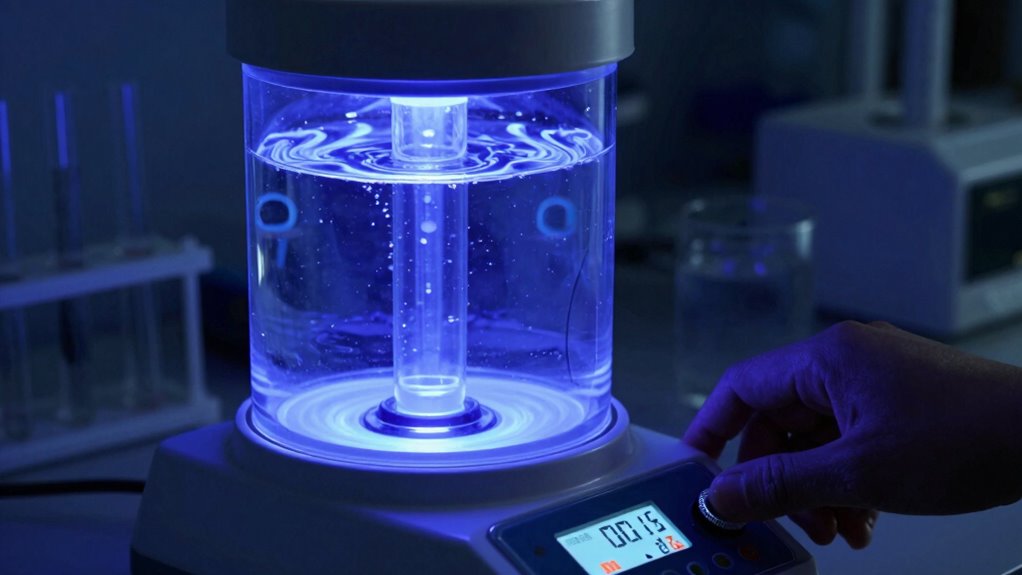
The effectiveness of UV disinfection relies heavily on several key factors that can influence its performance. Water turbidity is crucial; high levels of particles can shield microorganisms from UV light, reducing its effectiveness. Regularly replacing the UV lamp is essential, as the UV lamp lifespan diminishes the intensity of UV radiation over time, decreasing pathogen kill rates. Additionally, consistent water flow ensures proper exposure, and maintaining the correct UV dose is vital for optimal results. Monitoring UV system maintenance and adhering to manufacturer guidelines can further enhance disinfection outcomes. Ensuring proper water quality management can also help maintain the system’s efficacy over time. Moreover, understanding large number conversions can be helpful when assessing water quality data or system capacity in different regions. Proper disinfection protocols are also critical to achieving reliable pathogen elimination, and staying informed about charger settings can help optimize overall system performance.
HQUA-TWS-12 Ultraviolet Water Purifier Filter for Whole House Water Purification,12GPM 120V, 1 Extra UV Lamp + 1 Extra Quartz Sleeve
12GPM 55W 21 inch long and 3.5 inch diameter. MNPT Inlet/Outlet: 3/4" Inch.
As an affiliate, we earn on qualifying purchases.
As an affiliate, we earn on qualifying purchases.
What Can UV Water Purification Not Remove?
Have you ever wondered what UV water purification can’t handle? UV systems are excellent at destroying bacteria and viruses, but they don’t eliminate chemical contaminants or heavy metals. These substances can stay in your water even after UV treatment. Chemical contaminants, like pesticides or pharmaceuticals, require activated carbon filters or specialized treatments to be removed. Heavy metals such as lead, mercury, and arsenic aren’t affected by UV light at all; they need filtration methods like reverse osmosis or ion exchange. Relying solely on UV disinfection leaves these harmful substances in your water, which could pose health risks. To ensure your water is truly safe, combine UV treatment with other filtration systems that target chemicals and heavy metals effectively.
How to Recognize If Your UV System Isn’t Working Properly?
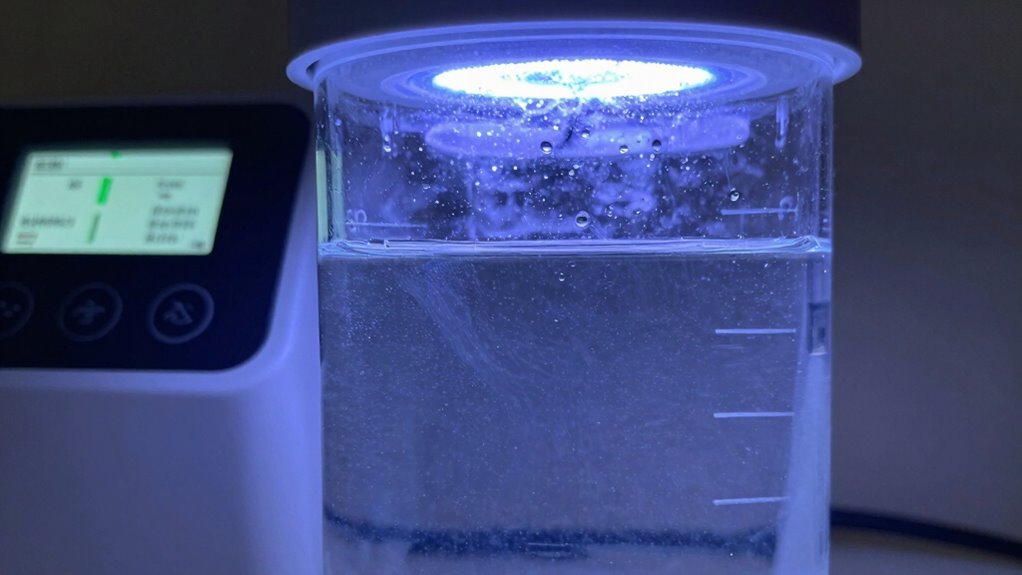
Even if your UV water purification system is installed correctly, it won’t work effectively if it’s not functioning properly. Signs your UV system isn’t operating as it should include a decline in water clarity or unusual odor. You should also monitor the UV bulb’s age, as the UV system lifespan typically ranges from 9 to 12 months; a bulb nearing this limit may reduce effectiveness. Power fluctuation can cause inconsistent UV output, leading to ineffective disinfection. Additionally, check for:
- Faded or burnt-out UV bulbs
- Reduced water flow rate
- Alarm indicators or error messages
- Debris or mineral buildup on the lamp or quartz sleeve
Regular maintenance and monitoring ensure your system works when you need it most.
Comparing UV Water Purification to Other Disinfection Methods
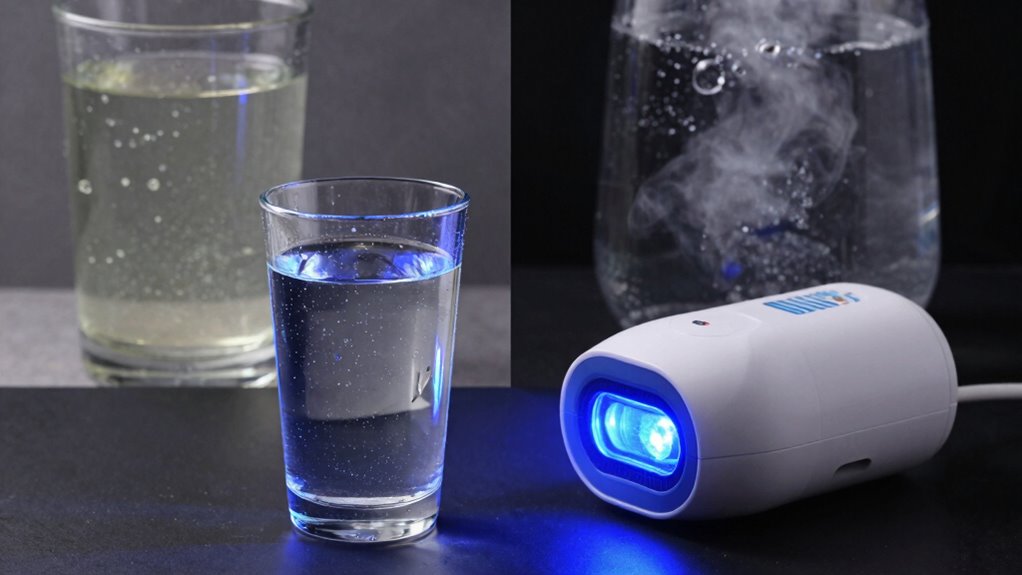
UV water purification stands out because it instantly destroys bacteria and viruses without adding chemicals or altering the water’s taste. Its UV reliability is high when the system is properly maintained, providing consistent disinfection without the need for chemicals like chlorine. Compared to chemical methods, UV treatment is faster and leaves no residual taste or odor. When you compare costs, UV systems often have a higher initial investment but lower ongoing expenses since they don’t require purchasing chemicals or replacing filters frequently. Other disinfection methods, such as boiling or chemical treatment, can be more time-consuming or less convenient for daily use. Additionally, system maintenance is crucial to ensure UV effectiveness over time. Properly maintaining the UV lamps and understanding disinfection efficiency can significantly impact the system’s performance. Regularly monitoring performance metrics can help optimize the UV system’s operation and longevity. Furthermore, advances in UV technology have improved the durability and energy efficiency of modern systems. Overall, UV water purification offers a reliable, eco-friendly, and cost-effective option, especially when you need quick, chemical-free disinfection. Incorporating emerging trends in digital publishing can also enhance the dissemination of information about UV technology and its benefits.
Best Practices for Safe and Effective UV Water Treatment
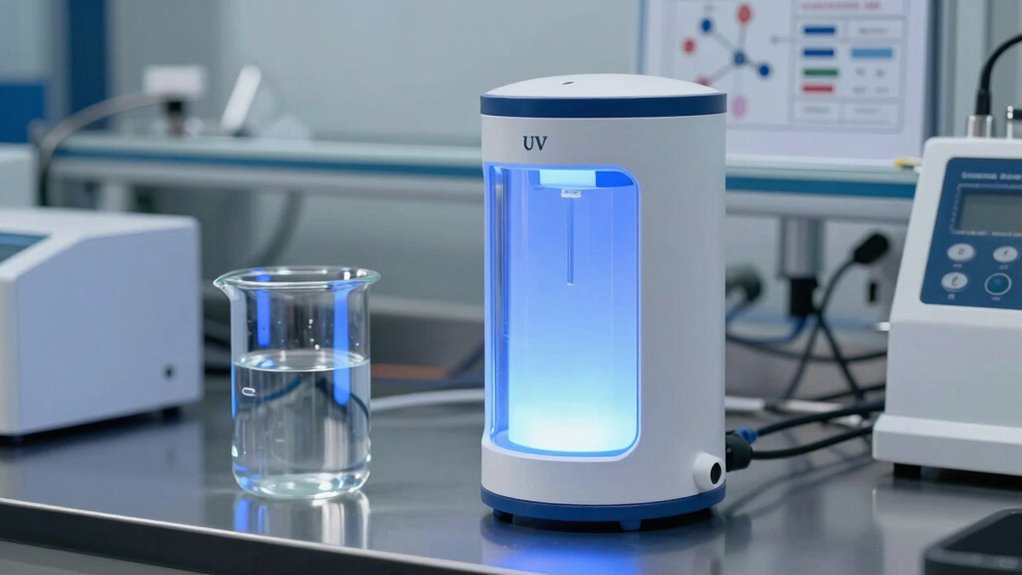
To guarantee your UV water treatment works safely and effectively, you need to follow some key practices. Regularly maintain your UV system, perform water quality tests, and apply the right UV dose for your specific needs. These steps help maximize disinfection and keep your water safe to drink.
Proper UV System Maintenance
Maintaining your UV water purification system is essential for ensuring it operates safely and effectively. Regular upkeep extends the UV system lifespan and guarantees peak disinfection. To keep your system in top shape, follow these best practices:
- Replace the UV bulb at recommended intervals, typically every 12 months, to maintain germicidal effectiveness.
- Clean the quartz sleeve regularly to prevent mineral buildup that can reduce UV transmission.
- Inspect the power supply and electrical connections for signs of wear or corrosion.
- Monitor system performance indicators and replace components as needed to avoid downtime.
Water Quality Testing Methods
Regular testing of water quality guarantees your UV water purification system continues to perform effectively and safely. One key method involves checking for color change in water samples, which can indicate the presence of contaminants or chemical reactions affecting water clarity. Additionally, monitoring taste alteration helps identify potential issues, as unwanted tastes may signal microbial or chemical problems that UV treatment alone can’t address. Regular testing includes using test kits or laboratory analysis to measure parameters like turbidity, residual chlorine, and microbial counts. These tests confirm your UV system effectively inactivates pathogens without causing undesirable changes. By consistently evaluating water quality, you can detect early signs of system inefficiency, maintain ideal performance, and ensure safe, clean water for everyday use.
Optimal UV Dose Application
Achieving effective water disinfection with UV treatment depends on applying the correct UV dose, which involves delivering the right amount of ultraviolet light to inactivate pathogens safely. To maximize this, consider the following best practices:
- Regularly monitor UV lamp lifespan to guarantee consistent output.
- Adjust power supply settings to maintain ideal UV intensity.
- Ensure proper water flow rates to prevent under- or overexposure.
- Perform routine maintenance and cleaning of the UV system for efficiency.
Frequently Asked Questions
Can UV Water Purification Remove Chemical Contaminants?
UV water purification cannot remove chemical contaminants effectively. It’s designed to target and destroy bacteria, viruses, and other microorganisms through UV light exposure, making it effective for biological contaminant removal. However, chemical removal isn’t its strength, as UV light doesn’t break down or filter out chemicals like pesticides or heavy metals. If chemical contaminants are your concern, you’ll need additional filtration methods alongside UV purification for all-encompassing water safety.
How Often Should UV Bulbs Be Replaced?
To keep your UV water purifier performing perfectly, replace the UV bulb regularly. Typically, you should follow the recommended replacement schedule, which is usually every 12 months, but check your manufacturer’s guidelines. UV bulb lifespan varies based on usage and water quality, so monitor for dimming or reduced effectiveness. Consistent changes guarantee continuous cleanliness, clarity, and confidence in your water’s safety—because proper prevention prevents problems.
Is UV Water Treatment Safe for All Water Sources?
UV water treatment is generally safe for most water sources, but you should consider water source suitability and safety considerations first. If your water contains high levels of turbidity, organic matter, or chemicals, UV light may not effectively disinfect it. Always test water quality and consult with experts to confirm UV purification will work safely. Proper maintenance, like replacing bulbs regularly, also ensures consistent safety and effectiveness.
What Are Common Signs of UV System Failure?
Think of your UV system as a vigilant guardian—its failure signs are clear. You might notice cloudy or discolored water, or a drop in flow rate. If your system’s UV lamp isn’t functioning properly, contaminant detection becomes unreliable. Regular UV system maintenance is vital; if the lamp flickers or doesn’t turn on, it’s time for a check-up. Stay alert to these signs to guarantee your water stays safe.
Does UV Purification Affect Water Taste or Odor?
UV purification typically doesn’t affect water taste or odor. You might notice a slight taste alteration or odor impact if the UV system isn’t functioning properly or if the water contains organic materials that react with UV light. Usually, UV treatment leaves water tasting and smelling the same, but if your water develops an unusual taste or smell, it could indicate a system issue or other water quality problems.
Conclusion
So, despite all the hype, UV water purification isn’t foolproof—just like any method, it has its limits. You’d think shining a light would zap everything, but it can’t remove chemicals or heavy metals. So, next time you trust your UV system blindly, remember, it’s not magic. Sometimes, a good old filter or chemical treatment might save the day. Irony: shining a light doesn’t always mean your water’s perfectly safe!