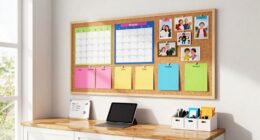

To build a home budget that leaves room for joy, start by balancing your income and essential expenses like housing and groceries. Allocate a specific amount for luxury or fun activities so you can enjoy them responsibly without guilt. Track your spending regularly to identify overspending and adjust as needed. Prioritize emergency savings and stay flexible for life’s changes. Learning about financial planning helps you make smarter choices—keep going to discover how to make your budget work for both stability and happiness.

Get gifts for the two of you delivered free with Prime
- Fast, free delivery on millions of items
- Prime Video, Amazon Music and more included
- Member-only deals all year
Key Takeaways
- Prioritize essential needs first, then allocate a specific, responsible amount for luxury and leisure expenses.
- Track spending regularly to identify overspending and adjust your budget accordingly.
- Automate savings for emergencies while keeping funds separate from daily expenses.
- Incorporate financial education to make informed decisions that balance savings and enjoyment.
- Maintain flexibility by reviewing and adjusting your budget as life circumstances and priorities change.

Have you ever wondered how to get a clear picture of your finances and take control of your spending? Building a home budget might seem overwhelming at first, but once you understand how to balance your income with your expenses, you’ll feel more confident managing your money. The key is to be intentional about your spending, especially when it comes to luxury expenses. These are tempting but often unnecessary splurges that can quickly eat into your budget if you’re not careful. Instead, prioritize your essential needs first—housing, utilities, groceries—and then see what’s left for those special treats. Incorporating luxury expenses into your budget allows you to enjoy life without guilt, but only if you plan for them responsibly. Allocating a specific amount each month prevents overspending and helps you maintain financial stability.
Prioritize essentials first, plan for luxury spending, and stay intentional to maintain financial stability and enjoy life responsibly.
Another vital part of your budget is building emergency savings. Life throws unexpected expenses your way, whether it’s a medical emergency, car repair, or sudden job loss. Without a safety net, these surprises can derail your financial progress and cause stress. Aim to set aside at least three to six months’ worth of living expenses. This doesn’t happen overnight; start small and be consistent. Automate your savings to make the process easier and less tempting to skip. Keeping emergency savings separate from your everyday spending money ensures you don’t dip into it when you’re not supposed to. Additionally, understanding how to manage financial literacy can help you make smarter decisions and stay on track with your goals. Learning about budgeting principles can further enhance your ability to allocate funds wisely and avoid unnecessary debt. Developing a financial plan can also guide your choices and keep you focused on your long-term objectives. Recognizing the importance of financial education is crucial in making informed decisions that support your financial health. Regularly reviewing your financial literacy helps you stay updated on best practices and adapt your strategies as needed.
Once you’ve established your safety net, it’s important to track your spending regularly. You can use apps, spreadsheets, or simple notebooks—whatever works best for you. Reviewing your expenses weekly or monthly helps you identify patterns and areas where you might be overspending, especially on luxury expenses. Adjust your budget as needed, making room for joys like dining out, hobbies, or vacations. The goal isn’t to deprive yourself but to find a sustainable balance that allows for both responsible saving and enjoyment. Remember, the more you understand about your financial habits, the better equipped you’ll be to make mindful decisions that align with your goals.
Lastly, remember that building a home budget is a dynamic process, not a one-time setup. Life changes, income fluctuates, and priorities shift. Be flexible and willing to revisit your budget often. By consciously managing your luxury expenses and diligently growing your emergency savings, you create a financial foundation that supports your goals and still leaves room for joy. With patience and discipline, you’ll find that managing your money becomes less of a chore and more of a tool for living the life you want.
As an affiliate, we earn on qualifying purchases.
Frequently Asked Questions
How Often Should I Review and Adjust My Home Budget?
You should review your home budget monthly to stay on track and maintain financial flexibility. Regular check-ins help you spot overspending and adjust for changes, ensuring your budget still supports your goals and joy. Use this time to analyze expenses, tweak categories if needed, and celebrate your progress. Monthly reviews keep you proactive, making it easier to balance saving, spending, and enjoying life without stress.
What Tools Can Help Me Track My Expenses Effectively?
A stitch in time saves nine, so start tracking your expenses today. Use budgeting apps like Mint or YNAB to monitor your spending across expense categories easily. These tools automate tracking, send alerts for overspending, and give you clear visuals of where your money goes. With these apps, you stay organized, make smarter decisions, and guarantee your budget leaves enough room for joy without sacrificing essentials.
How Can I Save for Unexpected Expenses Within My Budget?
To save for unexpected costs, prioritize building an emergency fund. Allocate a small percentage of your income each month specifically for unforeseen expenses, gradually increasing it over time. Keep this fund separate from your regular budget to prevent temptation. As your emergency fund grows, you’ll be better prepared for unexpected costs, giving you peace of mind and ensuring your budget stays balanced without sacrificing joy or essential spending.
What Are Some Tips for Sticking to My Budget Long-Term?
To stick to your budget long-term, prioritize emotional budgeting by understanding what truly brings you joy and avoiding impulse luxury spending. Set clear, realistic goals and review your progress regularly. Allow yourself small indulgences to stay motivated, but keep them within your planned expenses. Automate savings and expense tracking, and stay flexible to adapt as your circumstances change. Consistency and mindful spending help you maintain your budget without sacrificing happiness.
How Do I Balance Debt Repayment With Saving for Fun Activities?
Did you know that people who balance debt repayment with fun savings are 30% happier with their finances? You should prioritize your spending by setting clear financial goals and allocating a specific percentage for entertainment. Focus on balancing your debt repayment with fun activities so neither overwhelms your budget. By adjusting your spending priorities, you can enjoy leisure while still making progress toward your financial goals, creating a sustainable, joyful plan.
As an affiliate, we earn on qualifying purchases.
Conclusion
Remember, a balanced budget isn’t just about tightening your purse strings; it’s about making room for what matters most. By prioritizing your needs, tracking expenses, and leaving space for joy, you’ll create a plan that works for you. As the saying goes, “A penny saved is a penny earned,” but a budget that includes happiness is a life well-lived. Keep your goals in sight, and enjoy the journey.
financial literacy books for beginners
As an affiliate, we earn on qualifying purchases.
As an affiliate, we earn on qualifying purchases.
As an affiliate, we earn on qualifying purchases.
Halloween Picks
halloween
As an affiliate, we earn on qualifying purchases.