

A seasonal spending plan works better than a monthly one because it aligns your finances with natural buying patterns, helping you prepare for big expenses like holidays, back-to-school, or seasonal needs. It allows you to save ahead, avoid last-minute costs, and reduce financial stress. By understanding your seasonal habits, you can make smarter decisions, take advantage of discounts, and build better long-term habits. Keep exploring to see how this approach can transform your financial health.
Key Takeaways
- Aligns expenses with natural spending cycles, reducing last-minute financial stress during peak seasons.
- Allows proactive planning for seasonal needs and discounts, preventing impulsive purchases.
- Facilitates realistic goal setting for seasonal costs like holidays or school supplies.
- Promotes long-term financial habits by focusing on yearly patterns rather than monthly fluctuations.
- Encourages sustainable spending by considering seasonal demands and opportunities for eco-friendly choices.
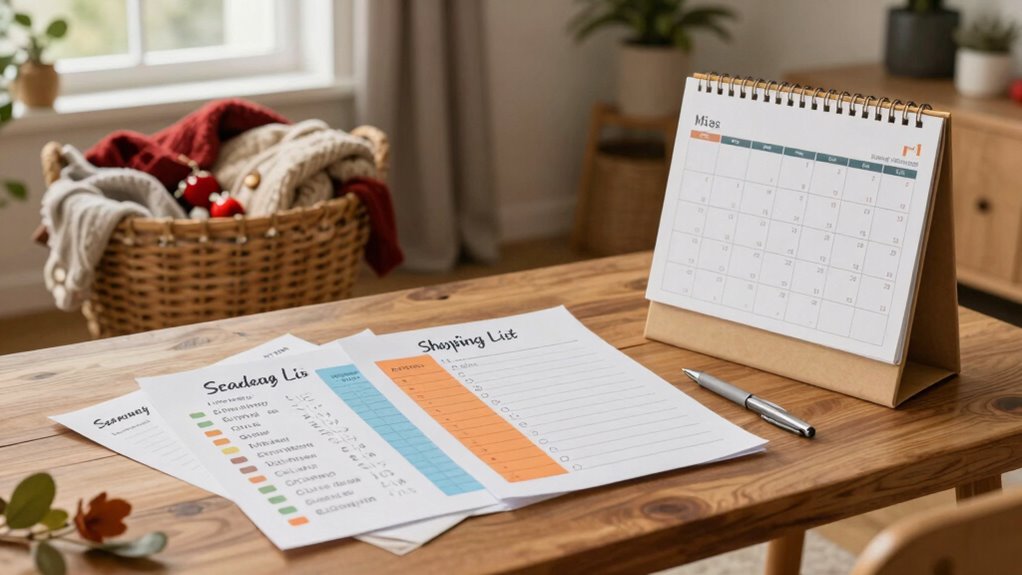
Creating a seasonal spending plan can markedly boost your financial stability by helping you manage expenses more effectively throughout the year. Instead of focusing on a month-to-month budget, you plan for specific periods—like winter, spring, summer, and fall—when your spending habits tend to change. This approach aligns with natural spending cycles, making it easier to allocate funds for big expenses and avoid unnecessary debt. For example, during the holiday season, you can set aside money for holiday savings, ensuring you don’t scramble for funds at the last minute or dip into emergency savings. When you plan ahead for holiday spending, it becomes less stressful and more manageable, allowing you to enjoy festivities without the financial hangover.
A seasonal plan also helps you prioritize wardrobe budgeting, which is especially relevant during changing weather. Instead of constantly buying new clothes throughout the year, you can focus on purchasing seasonal wardrobes in advance. This strategy not only saves money but also reduces impulsive shopping. You can take advantage of sales and discounts during specific seasons, stocking up on essentials and updating your wardrobe efficiently. Planning ahead guarantees that you’re not caught off guard by sudden weather changes or fashion trends, and it encourages mindful spending rather than impulsive purchases. Recognizing spending patterns and adjusting them accordingly can further improve your financial discipline throughout the year.
Furthermore, a seasonal spending plan allows you to align your financial goals more realistically. For instance, you might allocate funds towards summer vacations, back-to-school supplies, or winter heating costs, depending on the season. This targeted approach makes it easier to track your progress and adjust as needed. It also helps you identify periods where you might tighten your belt, such as avoiding unnecessary shopping during off-peak times. Because you’re planning for specific seasons, you’re more aware of your spending patterns and can identify areas where you tend to overspend, making it easier to set boundaries and stay on track. Incorporating an understanding of biodiversity and conservation can even inspire sustainable spending habits, like choosing eco-friendly products during certain seasons.
In addition, a seasonal plan encourages you to think long-term, fostering better financial habits. Instead of reacting to monthly expenses that might fluctuate unpredictably, you develop a broader view of your financial health. This enables you to build savings gradually and avoid the pitfalls of impulsive shopping. When you see your spending mapped out across seasons, it becomes clearer where your money is going and how to optimize each dollar for maximum benefit. Overall, adopting a seasonal spending plan offers a more strategic, less stressful way to manage your finances while staying prepared for the demands and opportunities each season presents.
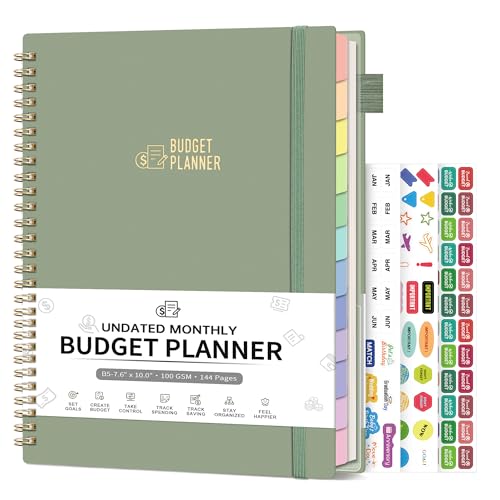
Monthly Budget Planner with Expense Tracker Notebook, B5 (7.3" x 10.15")
- All-in-One Budget Planner: Includes monthly, expense, debt, bill, and savings trackers
- Durable Waterproof Cover: PVC cover with elastic band for protection
- High-Quality Paper: 100GSM thick paper prevents smudges and ghosting
As an affiliate, we earn on qualifying purchases.
As an affiliate, we earn on qualifying purchases.
Frequently Asked Questions
How Do I Adjust My Seasonal Plan for Unexpected Expenses?
You should review your seasonal plan regularly and set aside an emergency fund specifically for unexpected expenses. Use expense tracking to identify where you’re overspending or where surprises pop up. Adjust your budget by reallocating funds from less urgent categories, ensuring your emergency fund covers sudden costs. This proactive approach helps you stay on track, even when surprises happen, making your seasonal plan more flexible and resilient.
Can a Seasonal Plan Work for Irregular Income Sources?
Yes, a seasonal plan can work for irregular income sources. It offers budgeting flexibility by focusing on your income and expenses during peak and off-peak times. You can allocate savings during busy months and stretch funds during lean periods. This approach helps you manage unpredictable income more effectively, giving you control and reducing stress. Adjust your seasonal plan as needed, ensuring it remains aligned with your fluctuating income levels.
How Often Should I Review or Update My Seasonal Spending Plan?
You should review your seasonal spending plan as often as the seasons change, ideally every few months. This keeps your holiday savings and vacation budgeting on track, ensuring you’re not caught in a financial winter or summer storm. Regular check-ins let you adjust for unexpected expenses or income shifts, helping your financial garden grow healthy and strong throughout the year. Keep your plan fresh, just like the seasons themselves.
What Tools or Apps Are Best for Managing a Seasonal Budget?
You should consider apps like YNAB or Mint for managing your seasonal budget, especially for holiday savings and vacation budgeting. These tools help you set aside specific funds, track your spending, and stay on top of seasonal expenses. They automatically categorize your transactions, making it easier to see where your money goes and ensuring you’re prepared for upcoming seasonal costs. This way, you stay financially organized year-round.
How Do I Handle Debt Payments Within a Seasonal Spending Framework?
To handle debt payments within a seasonal spending framework, prioritize credit management by scheduling payments around your seasonal income peaks. Use your savings strategies to set aside extra funds during high-income seasons specifically for debt repayment. This approach guarantees you stay on top of obligations without disrupting your overall budget. Keep track of payment due dates and adjust your seasonal plan as needed to avoid late fees and maintain financial stability.

Taja Budget Planner, Undated Budget Book with Expense Tracker, 6.9" x 9.9"
- Effective Budget Planning: Track income, expenses, savings, goals
- User-Friendly Layout: Easy navigation with dedicated sections
- Undated Monthly Calendar: Flexible calendar for each month
As an affiliate, we earn on qualifying purchases.
As an affiliate, we earn on qualifying purchases.
Conclusion
A seasonal spending plan guides you like a trusted map through the year’s ups and downs, helping you stay on track without feeling overwhelmed. By adjusting your budget with the seasons, you can better manage expenses and save for future needs. It’s like riding a wave—flexible and responsive to change. Embracing this approach means you stay in control, making your financial journey smoother and more predictable all year round.

BAZIC PRODUCTS 65-Piece Middle & High School Kit, Math & Geometry, 65-Case
- Complete 65-Piece School Kit: Includes writing, math, and geometry tools
- Ideal for Students & Programs: Perfect for back-to-school and classroom needs
- Includes Binder & Dividers: Features 3-ring binder with pockets and dividers
As an affiliate, we earn on qualifying purchases.
As an affiliate, we earn on qualifying purchases.

MISSLO 10" Gusseted All Clear Garment Bags for Hanging Clothes 3 Packs 40" Suit Bags for Closet Storage Hanging Clothes Storage Suit Cover for Shirts, Coats, Dresses
- Spacious 10-inch Gusset: Holds up to 30 garments comfortably
- Three-Pack for Full Season: Store entire family's seasonal clothes
- Side Zipper for Easy Access: Quickly retrieve garments without hassle
As an affiliate, we earn on qualifying purchases.
As an affiliate, we earn on qualifying purchases.