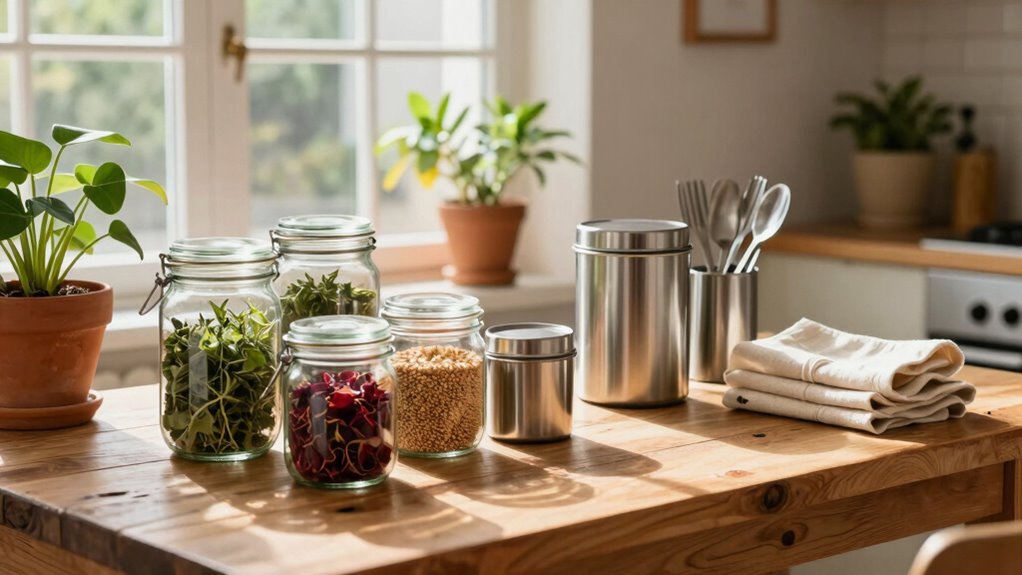

You can easily start a low-waste home by making small swaps like using reusable bags, bottles, and containers. Sort your waste properly and choose products made from sustainable or recycled materials. Join community swap events to extend product life and reduce demand. Focus on simple changes, like DIY cleaning solutions, and gradually replace disposables. Small, consistent efforts add up, creating an eco-friendly home. Keep going, and you’ll discover even more practical tips that make the process smoother.

Get gifts for the two of you delivered free with Prime
- Fast, free delivery on millions of items
- Prime Video, Amazon Music and more included
- Member-only deals all year
Key Takeaways
- Participate in community swap programs to reuse items and extend product lifespans easily.
- Swap disposable products for reusable alternatives like cloth bags and metal straws to reduce waste effortlessly.
- Choose sustainable materials, such as bamboo or reclaimed wood, for a low-waste home upgrade.
- Properly sort waste and learn local recycling practices to prevent contamination and streamline waste management.
- Focus on small, consistent habits that gradually make your home more eco-friendly and waste-conscious.
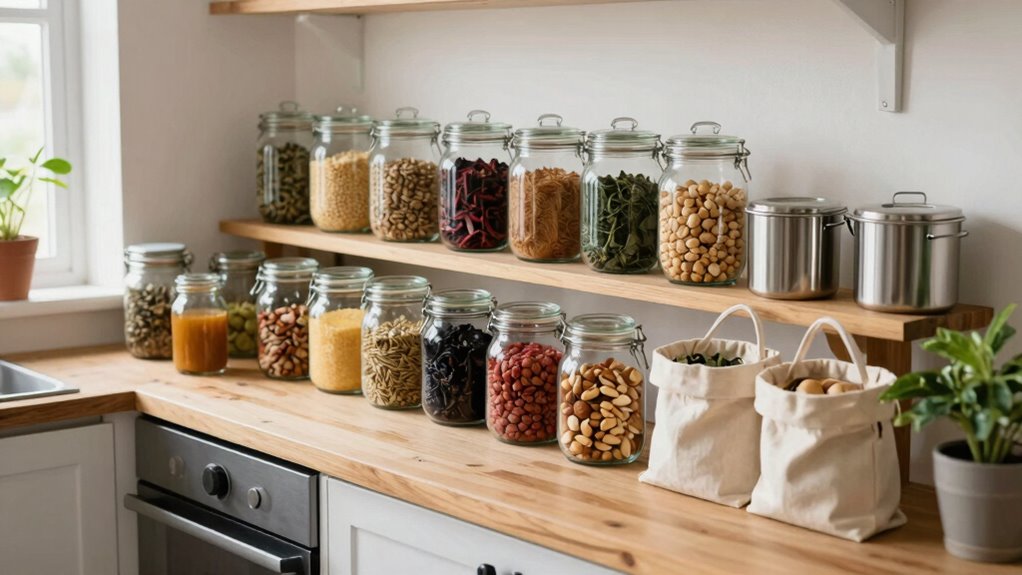
Switching to a low-waste home swap is an effective way to reduce your environmental impact while saving money. It’s simpler than you might think, especially when you start by changing small habits. One of the biggest impacts comes from how you handle your recycling practices. Instead of throwing everything into a single bin, you can sort your waste more intentionally. Use separate containers for plastics, glass, paper, and compostables. Learning what materials are recyclable in your area helps prevent contamination and ensures these items are properly processed. This shift not only cuts down on landfill waste but also encourages you to buy products with minimal packaging, further reducing waste over time. Incorporating biodiversity-friendly choices into your home can also support local ecosystems and promote conservation efforts. Additionally, understanding how your waste is managed can motivate more mindful consumption habits and foster a deeper appreciation for waste management systems. Being aware of local waste management practices can help you make more informed decisions about product purchases and disposal methods. Recognizing how waste management influences environmental health can inspire more sustainable habits in everyday life.
Sorting waste properly reduces landfill, prevents contamination, and encourages minimal packaging for a more sustainable home.
Another key step is to prioritize sustainable materials in your home. When shopping for new items, look for products made from renewable, biodegradable, or recycled resources. For example, opt for bamboo utensils instead of plastic, or choose furniture crafted from reclaimed wood. These sustainable materials are often durable, stylish, and kinder to the planet. Incorporating them into your home makes it easier to sustain a low-waste lifestyle without sacrificing comfort or convenience. Over time, you’ll find that these choices become second nature, and your home’s footprint shrinks significantly.
A low-waste home swap also involves rethinking how you handle everyday items. Instead of disposable products, switch to reusable alternatives like cloth shopping bags, metal straws, and refillable water bottles. These small adjustments can make a big difference, especially when they become habits. You may also want to explore DIY cleaning products using simple, non-toxic ingredients—less packaging, fewer chemicals, and less waste. This not only benefits the environment but also keeps your home healthier. Learning about waste reduction strategies can help you identify additional areas for improvement and inspire creative solutions. Understanding how to reduce waste effectively can lead to innovative ideas that fit your lifestyle and environment. Incorporating community programs or participating in local markets can further enhance your efforts by connecting you with resources and support networks. Knowing how waste diversion works in your community can help you find practical ways to keep more waste out of landfills.
Getting involved with community swap programs or local markets can further support your low-waste goals. Many communities host exchanges for secondhand goods, clothing, and household items, which helps extend the life of products and reduces demand for new manufacturing. By participating, you contribute to a circular economy, where items are reused and repurposed instead of discarded. This approach makes your low-waste home more sustainable and financially efficient, turning waste reduction into a shared effort.
Ultimately, transitioning to a low-waste home swap isn’t about perfection but progress. Small, consistent changes—like refining your recycling practices, choosing sustainable materials, and embracing reusable products—add up. With a little effort, you can create a more eco-friendly home that’s easier on the planet, saves you money, and aligns with your values. It’s easier than you think to make these shifts, and the positive impact will be worth it.
reusable silicone food storage bags
As an affiliate, we earn on qualifying purchases.
As an affiliate, we earn on qualifying purchases.
Frequently Asked Questions
How Do I Find Local Home Swap Programs?
To find local home swap programs, start by searching online for community building groups focused on sustainable living or lifestyle changes in your area. Check social media platforms, community centers, or local bulletin boards for swaps or events. You can also join online forums or apps dedicated to eco-friendly swaps. Participating in these programs helps you connect with neighbors, reduce waste, and make meaningful lifestyle changes through simple home exchanges.
What Costs Are Involved in a Home Swap?
In a home swap, costs mainly involve home exchange logistics, such as cleaning fees or deposits, and sometimes insurance. You should also consider property valuation strategies to guarantee fair trade, which may involve appraisals or market research. While many swaps are cost-effective, unexpected expenses can arise, so it’s wise to clarify all financial aspects upfront and review any agreements thoroughly to avoid surprises.
How Do I Ensure Safety During a Home Swap?
To guarantee safety during a home swap, focus on home security and insurance coverage. Install sturdy locks, use security systems, and inform neighbors or friends about your plans. Check that your insurance policy covers property damage or theft during the swap. Clear any valuables or sensitive information, and create an emergency plan. These steps help protect both your home and belongings, giving you peace of mind throughout the exchange.
Can I Swap Homes Internationally or Only Locally?
You can swap homes internationally, embracing cultural exchange and broadening your horizons. While doing so, prepare for potential language barriers by learning basic phrases or using translation apps. Communicate clearly with your swap partner about expectations, safety, and house rules. International swaps offer unique experiences, but staying open-minded and adaptable helps guarantee a smooth and enriching adventure, making the process both exciting and manageable.
What Items Should I Prepare Before Swapping Homes?
Before swapping homes, you should focus on home preparation and packing essentials. Clean your space thoroughly, organize important belongings, and leave clear instructions for your host. Pack lightweight, eco-friendly packing essentials like reusable bags, toiletries in minimal containers, and versatile clothing. Don’t forget to include any necessary documents, chargers, and local guides. This preparation guarantees a smooth exchange, minimizes waste, and helps you settle in comfortably during your home swap.
As an affiliate, we earn on qualifying purchases.
Conclusion
Imagine swapping your home’s waste for a cleaner, greener space—like exchanging a cluttered closet for a tidy, organized one. Just as small changes can transform a room, simple swaps in your daily routine can make a big impact on reducing waste. You don’t need to overhaul everything overnight; every mindful decision adds up. Embrace the low-waste home swap, and watch your efforts bloom into a more sustainable, revitalizing environment—one step at a time.
As an affiliate, we earn on qualifying purchases.
As an affiliate, we earn on qualifying purchases.
Fall Picks
fall essentials
As an affiliate, we earn on qualifying purchases.