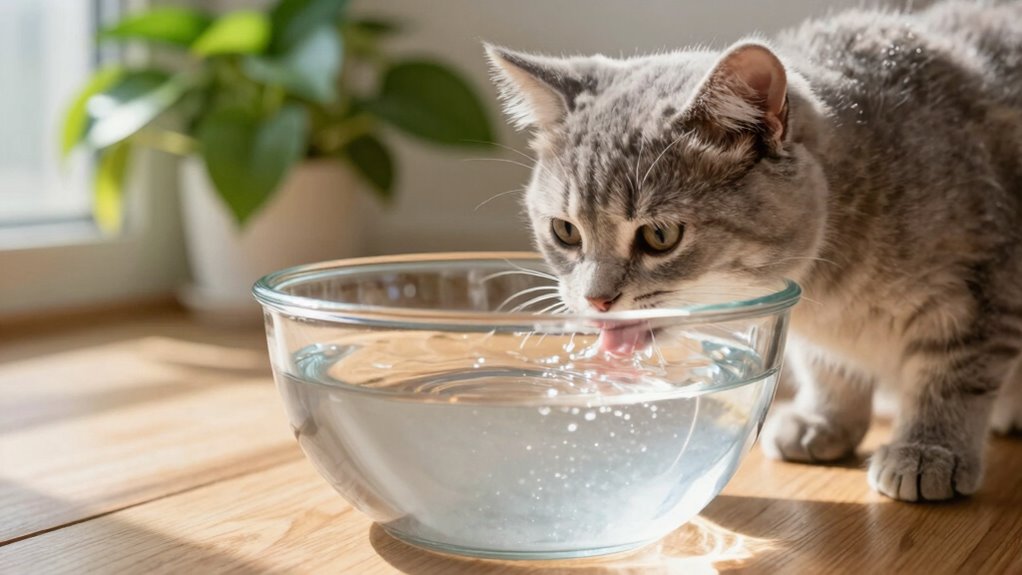

You might not realize how essential water is to your pet’s health. Proper hydration supports digestion, circulation, temperature regulation, and joint health. Without enough water, pets risk dehydration, kidney issues, and urinary infections. Factors like age, activity, and environment influence water needs, so it’s important to monitor intake closely. Ensuring your pet stays well-hydrated keeps them active and vibrant. Keep going to discover key tips on how to meet their hydration needs effectively.
Key Takeaways
- Proper hydration is vital for essential bodily functions like digestion, circulation, and temperature regulation in pets.
- Dehydration can develop quickly, leading to serious health issues such as kidney problems and urinary infections.
- Many owners underestimate their pet’s water needs, risking dehydration or overhydration.
- Regular water intake supports organ health, metabolic processes, and overall vitality.
- Encouraging consistent hydration through various strategies helps prevent health complications and promotes well-being.
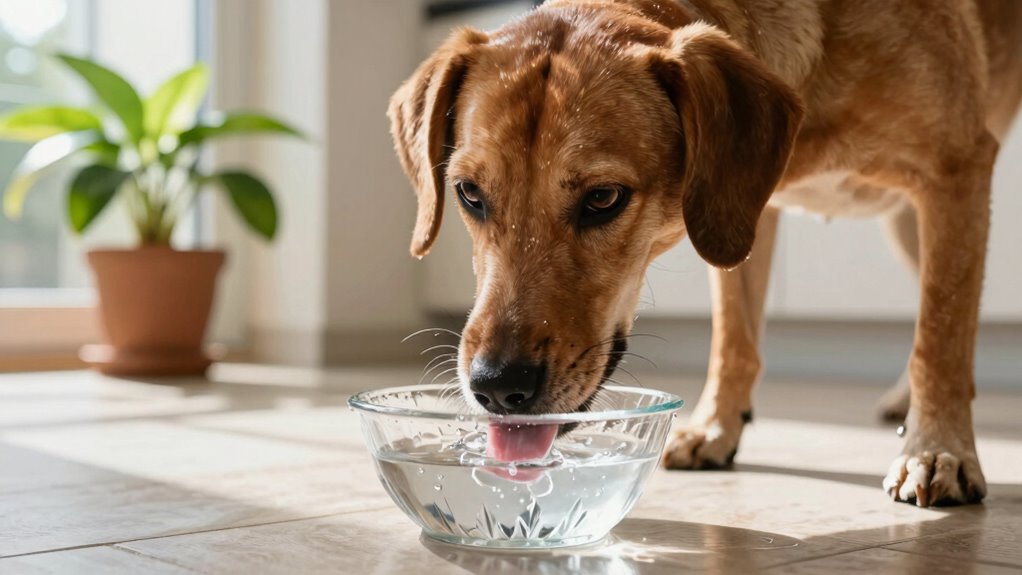
Keeping your pet properly hydrated is essential for their overall health and well-being. Many owners underestimate how crucial water intake is, often focusing on food and exercise but neglecting hydration’s vital role. Hydration and health are closely linked, and maintaining the right fluid balance helps your pet stay vibrant and active. When your pet drinks enough water, it supports every bodily function—from digestion and circulation to temperature regulation and joint lubrication. Without proper hydration, they’re more prone to health problems like kidney issues, urinary tract infections, and dehydration, which can escalate quickly.
Understanding water intake significance means recognizing how much water your pet needs daily. Factors like age, size, breed, activity level, and even the weather influence their hydration needs. For example, a highly active dog or a cat living in a warm climate requires more water than a sedentary one in cooler environments. If you notice your pet isn’t drinking enough, it could signal underlying health concerns, or they simply might not find their water source appealing. Ensuring fresh, clean water is available at all times encourages regular drinking habits. Sometimes, pets prefer running water, so a pet fountain can make a difference. Also, consider their diet—wet food can supplement water intake, making hydration easier for some pets.
You should keep a close eye on your pet’s hydration status. Signs of dehydration include dry gums, lethargy, sunken eyes, and decreased skin elasticity. If you catch these symptoms early, you can intervene before dehydration becomes severe. Conversely, overhydration is rare but possible, especially if your pet drinks excessive amounts of water quickly or has underlying health issues like kidney disease. Regularly monitoring their water intake and physical condition helps you catch problems early and ensure they’re staying properly hydrated. Additionally, understanding the importance of biological processes like kidney function can help you appreciate how hydration supports their health. Recognizing the role of organ function emphasizes how water is essential for their survival. Staying informed about hydration impacts can help you make better choices for your pet’s health and well-being.
Furthermore, providing a variety of hydration options, such as flavored water or ice cubes, can encourage pets who are reluctant to drink enough, especially in hot weather. Paying attention to how your pet responds to their environment is equally important. Hot weather, increased activity, or illness can all increase their need for fluids. Offering water after walks or playtime, especially during warmer months, keeps hydration levels optimal. It’s also beneficial to understand how hydration influences their metabolic processes, which are vital for energy and overall health. Remember, hydration isn’t just about quenching thirst—it’s about supporting their health at every stage of life. When you prioritize your pet’s water intake and understand the importance of hydration, you’re actively safeguarding their future health and happiness. Proper hydration isn’t just a simple routine; it’s a fundamental part of responsible pet ownership that can profoundly impact their longevity and quality of life.
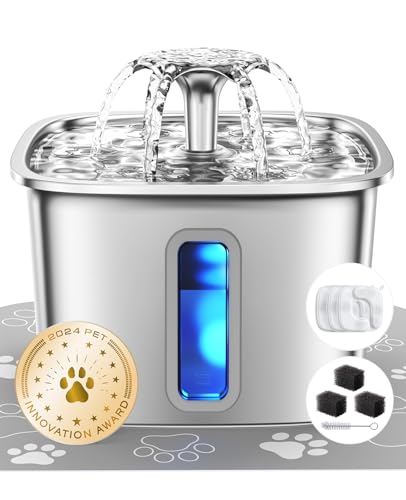
Veken Innovation Award Winner Stainless Steel Cat Water Fountain, 108oz
- Material: Premium 304 stainless steel construction
- Capacity: 108 oz (3.2 L) water capacity
- Maintenance: Dishwasher safe, BPA-free parts
As an affiliate, we earn on qualifying purchases.
As an affiliate, we earn on qualifying purchases.
Frequently Asked Questions
How Can I Tell if My Pet Is Dehydrated?
You can tell if your pet is dehydrated by watching for dehydration symptoms like dry gums, sunken eyes, and lethargy. Check their water intake—if they’re drinking less than usual, that’s a red flag. Gently pinch the skin at the back of their neck; if it doesn’t snap back quickly, dehydration might be setting in. Staying alert helps you catch signs early and keep your pet properly hydrated.
Are Certain Breeds More Prone to Dehydration?
Some breeds are more prone to dehydration, like tiny sponges soaking up water quickly. Breed predispositions play a role, especially in brachycephalic dogs with flat faces and small breeds, which often have lower hydration habits. You should monitor these breeds carefully, ensuring they always have fresh water and stay cool. Regular hydration checks can prevent dehydration, keeping your pet healthy and happy.
Can Dogs and Cats Drink Different Amounts of Water?
Yes, dogs and cats can drink different amounts of water due to dietary influences and environmental factors. For example, cats often get moisture from their food, so they may drink less, while active or outdoor dogs need more water to stay hydrated. Your pet’s age, health, and surroundings also impact their hydration needs. Monitoring their water intake helps make certain they stay healthy and avoids dehydration risks.
What Are Signs of Water Intoxication in Pets?
Did you know that water poisoning, or water intoxication, can occur in less than an hour in pets? Signs include vomiting, lethargy, loss of coordination, and swelling. It disrupts electrolyte balance, which is essential for cell function. If untreated, it can lead to seizures or coma. Always monitor your pet’s water intake, especially during hot weather or vigorous activity, to prevent water poisoning and keep their electrolytes balanced.
How Does Humidity Affect My Pet’s Hydration Needs?
Humidity effects can notably influence your pet’s hydration needs. High humidity makes it harder for pets to cool down through panting, so they may require more water to stay hydrated. Conversely, low humidity can lead to dehydration faster. To adapt, implement hydration strategies like providing fresh water frequently, ensuring proper shade, and monitoring your pet’s behavior, especially in extreme weather. Staying attentive helps prevent dehydration and maintains your pet’s health.

Gardner Pet Automatic Dog Water Dispenser Gravity Stainless Steel Water Waterer Feeder, 100% BPA-Free Large Capacity Water Feeding Bowls for Medium & Large-Sized Dogs Cats Other Pets -(1 Gallon)
- Premium Stainless Steel Bowl: BPA-Free, rust-resistant, durable material
- Large 1-Gallon Capacity: Sustainable water supply for pets
- Gravity-Fed Refill System: Ensures continuous water flow
As an affiliate, we earn on qualifying purchases.
As an affiliate, we earn on qualifying purchases.
Conclusion
Keeping your pet properly hydrated isn’t just a good idea—it’s a lifeline. Dehydration can sneak up faster than you’d imagine, turning a sunny day into a vet visit nightmare. By ensuring fresh water’s always available and watching for signs of thirst, you’re giving your furry friend the superhero strength they need to stay happy and healthy. Remember, a well-hydrated pet isn’t just thriving—they’re practically invincible. Don’t wait for a hydration emergency—act now!

Purina Pro Plan Veterinary Supplements Hydra Care Cat Hydration Supplement, Nutrient-Enriched Water for Cat Health and Urinary Support
- Hydration Support: Promotes increased liquid intake for cats
- Urinary Health: Contains osmolytes to support urinary health
- Easy to Serve: Portion-controlled pouches for convenience
As an affiliate, we earn on qualifying purchases.
As an affiliate, we earn on qualifying purchases.
Veken Innovation Award Winner Stainless Steel Cat Water Fountain, 108oz
- Material: Premium 304 stainless steel construction
- Capacity: 108 oz (3.2 L) water capacity
- Maintenance: Dishwasher safe, BPA-free parts
As an affiliate, we earn on qualifying purchases.
As an affiliate, we earn on qualifying purchases.