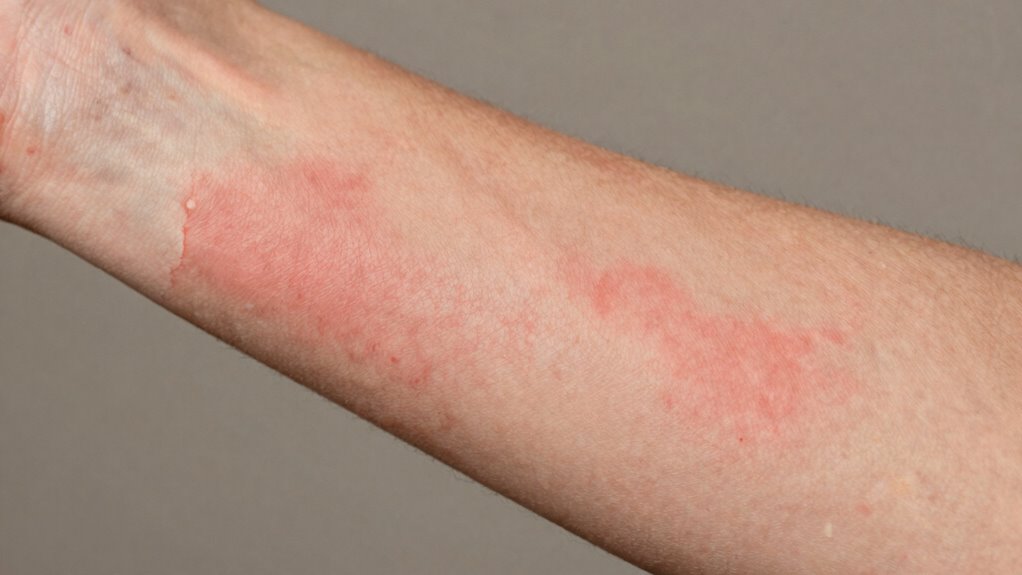

If your skin feels persistently dry, tight, or rough despite moisturizing, it’s a sign your skin barrier might be compromised. Increased redness, sensitivity, or irritation after exposure to wind, cold, or pollution are warning signs you shouldn’t ignore. Breakouts and inflammation can also indicate barrier damage, making your skin more vulnerable to pollutants and bacteria. Addressing these issues early can help protect your skin long-term—continue watching to discover how you can support your skin’s health.

Get gifts for the two of you delivered free with Prime
- Fast, free delivery on millions of items
- Prime Video, Amazon Music and more included
- Member-only deals all year
Key Takeaways
- Persistent dryness, tightness, or roughness despite regular moisturizing indicates a compromised skin barrier.
- Increased redness, sensitivity, or irritation after environmental exposure signals barrier damage.
- Frequent breakouts or inflammation may result from disrupted hydration and weakened barrier function.
- Flaky, dull skin suggests reduced moisture retention and barrier impairment.
- Sudden escalation in skin reactions or discomfort warrants attention to prevent further damage.
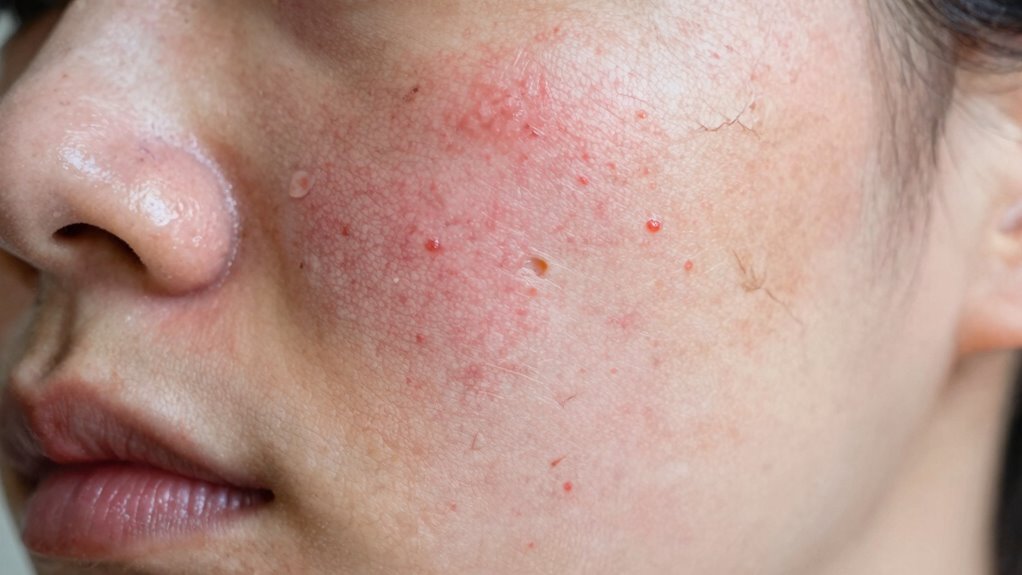
Your skin’s barrier is your first line of defense, protecting against environmental damage, pollutants, and bacteria. When this barrier is compromised, it’s easier for irritants to penetrate your skin, leading to discomfort and visible signs of distress. One of the clearest indicators of a weakened barrier is a persistent feeling of dryness or tightness, regardless of how much moisturizer you apply. This often results from disrupted hydration levels within your skin cells, making it more vulnerable to environmental effects like UV rays, pollution, and harsh weather. If your skin feels rough, flaky, or looks dull, it’s a sign that your barrier isn’t functioning at its best, and you need to pay closer attention to restoring its health.
You might notice increased redness or sensitivity, especially after exposure to certain skincare products or environmental factors. These reactions happen because a damaged barrier allows irritants and allergens to penetrate more easily, triggering inflammation. When your skin’s natural defenses weaken, it becomes more prone to reacting strongly to external stimuli, which can create a cycle of irritation and further barrier damage. Environmental effects, such as wind, cold temperatures, and pollution, exacerbate this problem, stripping away moisture and making your skin more fragile. If you’re experiencing these symptoms, it’s a clear sign that your skin needs support to rebuild its protective layer. It’s also important to consider that pollution can accelerate the breakdown of your skin barrier, making preventative measures even more crucial.
Another sign to watch for is breakouts or skin that frequently feels inflamed. When your barrier is compromised, your skin may overproduce oil to compensate for the dryness, leading to clogged pores and blemishes. Conversely, you might notice that your usual skincare products stop working or cause irritation—this indicates your skin’s altered ability to tolerate certain ingredients due to a weakened barrier. It’s essential to address these issues early, as ignoring them can result in chronic problems that are harder to treat. Additionally, environmental factors such as wind, cold, and pollution can strip away moisture and further weaken your skin’s barrier, making it more susceptible to damage. Protecting your skin from these external influences is key to maintaining its health and resilience. Understanding how external factors impact your skin’s hydration levels can help you better tailor your skincare routine for optimal barrier support. Regularly incorporating hydrating ingredients into your skincare routine can also fortify your skin against environmental stressors.
moisturizer for compromised skin barrier
As an affiliate, we earn on qualifying purchases.
As an affiliate, we earn on qualifying purchases.
Frequently Asked Questions
Can Skin Barrier Issues Be Hereditary?
Yes, skin barrier issues can be hereditary. Your genetic predisposition and hereditary factors influence how your skin responds to environmental stresses, moisture loss, and irritants. If you have a family history of sensitive or problematic skin, you’re more likely to experience barrier problems. Understanding your genetic background helps you take proactive steps, like using gentle skincare and avoiding triggers, to better protect your skin’s health and maintain its protective barrier.
How Long Does It Take to Repair a Damaged Skin Barrier?
It typically takes about 2 to 4 weeks to repair a damaged skin barrier, but it varies based on your skincare routines and product ingredients. Consistently using gentle cleansers, moisturizing with ceramide-rich products, and avoiding harsh chemicals accelerate healing. Stick to a routine that supports barrier repair, and be patient—your skin needs time to restore its protective layer. Proper care and suitable ingredients are key to a healthy, resilient skin barrier.
Are Natural Remedies Effective for Restoring Skin Barrier Health?
Think of natural remedies as gentle guardians for your skin. Herbal remedies and topical oils can be effective in restoring your skin barrier, especially when used consistently. They nourish and soothe, much like a calming lullaby for sensitive skin. While they may not work overnight, their natural healing properties help repair and strengthen your skin over time. Just remember, patience and proper application are key to seeing real results.
Can Diet Influence Skin Barrier Recovery?
Yes, your diet can influence skin barrier recovery. Nutritional impact plays a key role, as eating foods rich in antioxidants, healthy fats, and vitamins supports skin healing. Incorporate dietary supplements like omega-3s and biotin to boost your skin’s resilience. When you focus on a nutrient-rich diet, you give your skin the essential building blocks it needs to repair and strengthen its barrier effectively.
When Should I See a Dermatologist for Skin Barrier Problems?
Imagine your skin as a fortress, and cracks in the walls signal a need for help. You should see a dermatologist if your skincare routine and product ingredients aren’t repairing persistent issues like redness, irritation, or dryness. When over-the-counter products no longer work or your symptoms worsen, it’s time to seek professional advice. A dermatologist can recommend targeted treatments to restore your skin’s barrier and fortify your fortress.
hydrating face serum for sensitive skin
As an affiliate, we earn on qualifying purchases.
As an affiliate, we earn on qualifying purchases.
Conclusion
Ignoring skin barrier signs can lead to more serious issues down the line, so pay attention to your skin’s signals. If you notice dryness, redness, or irritation, take action early. Did you know that over 60% of people experience chronic skin barrier damage at some point? By staying vigilant and caring for your skin, you can prevent future problems and keep your skin healthy and resilient. Don’t overlook these signs—they’re your skin’s way of telling you something’s off.
barrier repair skincare products
As an affiliate, we earn on qualifying purchases.
As an affiliate, we earn on qualifying purchases.
anti-inflammatory skincare for redness
As an affiliate, we earn on qualifying purchases.
As an affiliate, we earn on qualifying purchases.
Halloween Picks
halloween
As an affiliate, we earn on qualifying purchases.