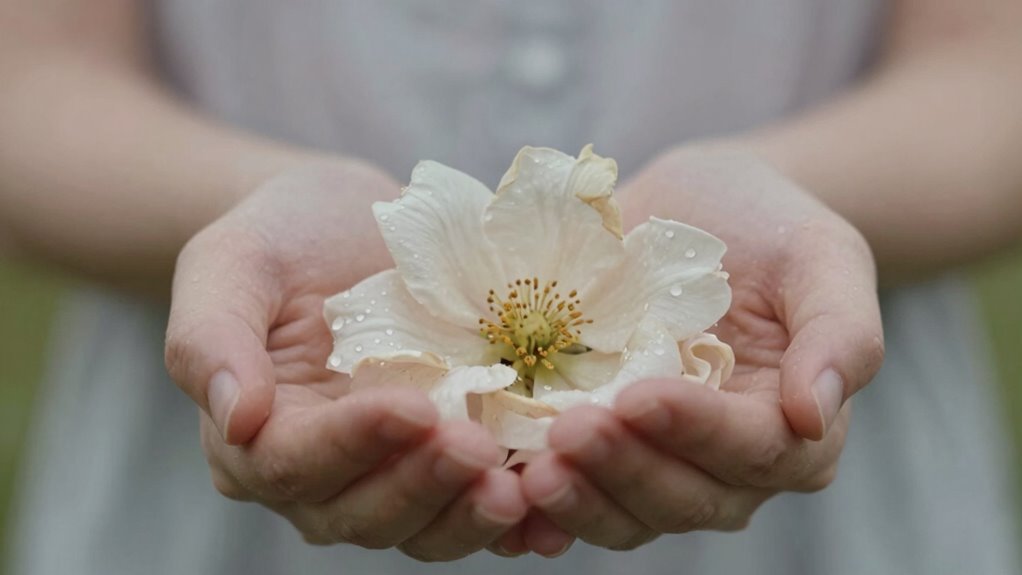

Self-compassion may seem gentle or passive at first, but it’s actually a revolutionary act of kindness that builds deep resilience. By accepting your flaws and embracing shared struggles, you strengthen your inner stability and emotional resilience, helping you bounce back from setbacks. It shifts your self-view from criticism to understanding, creating a safe space for emotions and growth. Keep exploring, and you’ll discover how this gentle approach transforms your ability to handle life’s toughest moments.
Key Takeaways
- Self-compassion appears gentle but actively builds inner strength and emotional resilience, making it a powerful, strategic act.
- It challenges the harsh self-criticism often ingrained in us, transforming vulnerability into a source of resilience.
- By accepting flaws and shared human struggles, it fosters deep self-understanding and reduces shame, which is a radical shift.
- Practicing kindness toward oneself creates a safe emotional space, empowering more effective coping and healing.
- Its paradox lies in being a soft act that fortifies mental health and serves as a revolutionary approach to inner well-being.

Self-compassion might seem gentle or even passive at first glance, but in reality, it’s a radical act of kindness that can transform how you relate to yourself. It’s about giving yourself permission to be imperfect, to accept your flaws without judgment, and to recognize your humanity amid struggles. While it may appear soft, self-compassion actually builds a profound inner strength that fuels emotional resilience. When you treat yourself with kindness during difficult times, you develop a sense of stability that no external circumstance can easily shake. This strength isn’t about suppressing emotions or avoiding pain but about facing them with a steady, caring presence. Over time, this fosters a deep resilience that helps you bounce back quicker from setbacks and challenges.
By practicing self-compassion, you’re investing in your emotional resilience — the ability to withstand stress and recover from adversity. Instead of spiraling into self-criticism or hopelessness when things go wrong, you learn to approach setbacks with understanding and patience. This shift doesn’t weaken you; it empowers you. You recognize that failure and vulnerability are part of being human, which reduces the shame and fear that often accompany mistakes. As a result, you develop a more resilient mindset, one that allows you to navigate life’s ups and downs with grace and confidence. Self-compassion becomes a foundation for inner strength, enabling you to face difficulties without being overwhelmed.
A key part of this process is understanding the concept of emotional resilience, which highlights how kindness and acceptance can actively strengthen your mental health. This radical kindness also encourages you to nurture your emotional well-being actively. It’s about creating a safe space where you can acknowledge your feelings without shame, allowing you to process emotions fully instead of suppressing them. When you’re kind to yourself, you’re more likely to seek help, ask for support, and practice self-care—actions that further reinforce your resilience. Over time, these practices reinforce your inner resources, making you more adaptable and less reactive to external stressors. The paradox is that what seems soft — kindness, understanding, acceptance — actually fortifies your emotional armor, making you more capable of handling life’s inevitable hardships. Self-compassion isn’t just a gentle gesture; it’s a strategic, revolutionary act that nurtures your inner strength and builds lasting emotional resilience.
As an affiliate, we earn on qualifying purchases.
Frequently Asked Questions
How Does Self-Compassion Differ From Self-Indulgence?
Self-compassion differs from self-indulgence because it’s rooted in self-kindness versus self-pity, meaning you treat yourself with understanding without excuses. It’s about recognizing your struggles with compassion versus complacency, which keeps you motivated to grow. Self-compassion nurtures resilience, whereas self-indulgence often leads to avoiding discomfort. You support yourself honestly, balancing care with accountability, making self-compassion a radical act of genuine kindness that strengthens you rather than weakens you.
Can Self-Compassion Improve Mental Health Significantly?
Imagine planting seeds of kindness in your mind’s garden; self-compassion can be that nourishing rain. It boosts your emotional resilience and fosters self-acceptance, which are essential for mental health. By being gentle with yourself during tough times, you build a sturdy inner foundation, making it easier to bounce back from setbacks. So yes, practicing self-compassion can greatly improve your mental well-being, transforming struggles into opportunities for growth.
What Are Common Barriers to Practicing Self-Compassion?
You might struggle with practicing self-compassion because your inner critic constantly judges you harshly, making kindness to yourself feel uncomfortable. Vulnerability barriers also hold you back, as you fear showing weakness or admitting mistakes. These barriers create a mental block, preventing you from embracing self-compassion fully. Overcoming these challenges involves recognizing your inner critic’s voice and gradually allowing yourself to be vulnerable without judgment.
How Can Self-Compassion Be Integrated Into Daily Life?
You can integrate self-compassion into daily life through mindful acceptance, where you acknowledge your feelings without judgment. Practice daily affirmations to reinforce kindness toward yourself, especially during setbacks. Set aside a few moments each day to breathe deeply and accept your emotions, even uncomfortable ones. These small, consistent actions help you cultivate a compassionate mindset, making self-care a natural part of your routine and transforming how you respond to challenges.
Is Self-Compassion Effective Across Different Cultures?
Imagine a universal bridge of compassion, stretching across diverse landscapes of cultural perceptions. Self-compassion is effective worldwide because its core principles—kindness, understanding, acceptance—resonate across cultures, embodying compassion’s universality. While expressions vary, the fundamental need for self-kindness remains constant. By embracing these shared values, you can nurture your well-being regardless of cultural differences, fostering inner peace that transcends borders and unites us all.
emotional resilience self-help book
As an affiliate, we earn on qualifying purchases.
As an affiliate, we earn on qualifying purchases.
Conclusion
Imagine holding a fragile bird in your hands—gentle, attentive, and non-judgmental. That’s what self-compassion feels like: soft on the surface, yet powerful enough to change your entire perspective. When you treat yourself with kindness instead of criticism, you’re nurturing a quiet revolution inside. It might seem gentle, but it’s radically transforming how you see yourself—proving that true strength often begins with a gentle touch.
As an affiliate, we earn on qualifying purchases.
As an affiliate, we earn on qualifying purchases.