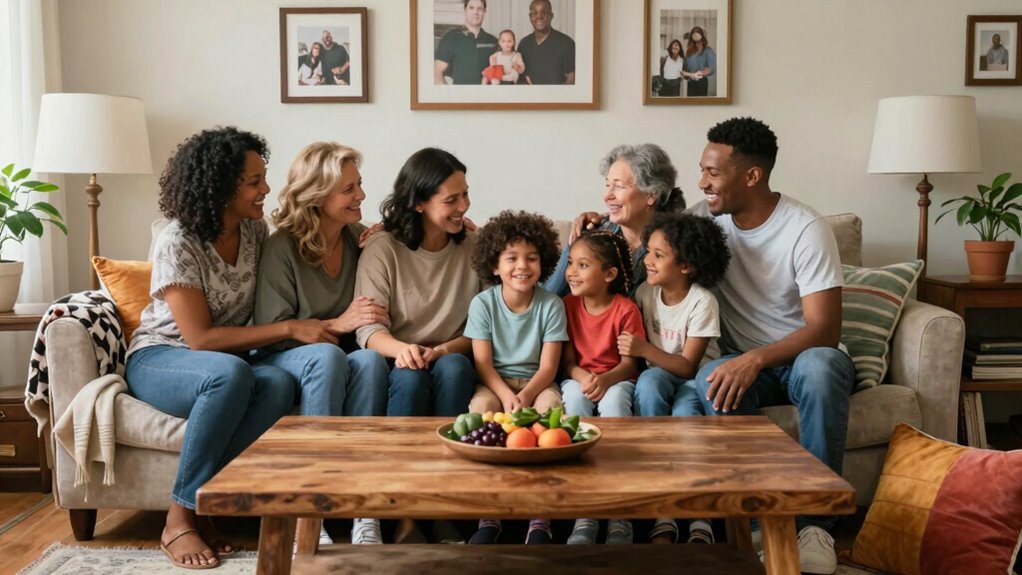

To create more belonging in a blended family, focus on open, honest communication and regular family gatherings where everyone can share feelings and updates. Practice active listening, celebrate small victories, and incorporate routines that provide stability and predictability. Respect each person’s uniqueness and celebrate diverse traditions to foster inclusion. Consistently showing reliability and kindness helps build trust and connection. Keep exploring these strategies, and you’ll discover more ways to strengthen your family bonds.

Get gifts for the two of you delivered free — and shop member deals
- Fast, free delivery on millions of items
- Access to Prime Big Deal Days deals on October 6–7
- Prime Video, Amazon Music and more included
Key Takeaways
- Foster open, honest communication to build trust and understanding among all family members.
- Create routines and shared activities that promote predictability and a sense of belonging.
- Celebrate family diversity by respecting individual traditions and interests.
- Regularly acknowledge small acts of kindness and connection to reinforce bonds.
- Engage in trust-building exercises and team activities to strengthen relationships.
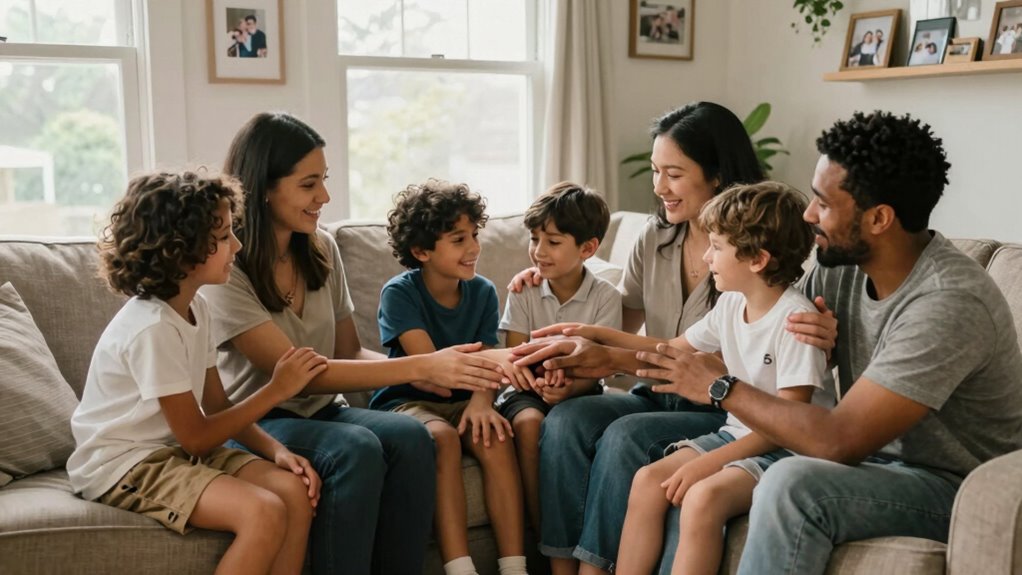
Have you ever wondered how to foster a true sense of belonging in a blended family? It’s a common challenge, but with intentional efforts, you can create an environment where everyone feels valued and connected. One of the most effective ways to do this is by focusing on communication strategies. Open, honest conversations help break down barriers and build understanding. Make space for each family member to express their feelings without fear of judgment. Active listening is key—when you listen attentively, you show that you genuinely care about their experiences and perspectives. Encourage regular family meetings where everyone can share updates, concerns, or successes. This consistency helps normalize talking about feelings and creates a safe space for vulnerability.
Along with communication, trust-building exercises play an essential role. Trust doesn’t develop overnight, but engaging in activities that foster reliability and emotional safety can accelerate the process. For example, simple trust exercises like sharing a personal story or participating in team-building activities can strengthen bonds. These exercises remind family members that they can rely on each other and that their feelings are valid. It’s important to celebrate small victories—acknowledge moments when someone shows kindness or makes an effort to connect. Over time, these small acts build a foundation of trust that can withstand conflicts or misunderstandings. Building trust in a blended family is supported by consistent, intentional efforts that reinforce safety and reliability. Additionally, understanding the importance of family dynamics can help tailor your approach to foster a deeper sense of belonging.
Creating a sense of belonging also involves establishing routines that everyone can look forward to. Whether it’s a weekly game night, a shared meal, or a monthly outing, routine activities provide consistency and a sense of stability. When family members anticipate and enjoy these moments, they start feeling more like a team. Be mindful of individual needs and interests, and try to incorporate them into your routines. This shows respect for each person’s uniqueness and fosters a culture of inclusion. Recognizing the importance of biodiversity within your family environment—such as celebrating diverse traditions or interests—can further enhance the feeling of harmony and connection. Incorporating family diversity into your routines and celebrations can help everyone feel seen and appreciated for who they are. Emphasizing family cohesion through shared experiences can also strengthen the bonds that unite your family.
As an affiliate, we earn on qualifying purchases.
Frequently Asked Questions
How Can I Address Loyalty Conflicts Among Step-Siblings?
You can address loyalty conflicts among step-siblings by fostering open communication and emphasizing individual relationships. Encourage them to share feelings without judgment, and reassure each that their bond is unique. Manage sibling rivalry by promoting fairness and shared activities, helping them see each other as allies rather than competitors. Reinforce that loyalty isn’t about choosing sides but supporting each other’s happiness, nurturing trust and a sense of belonging.
What Are Effective Ways to Introduce New Family Traditions?
You can introduce new family traditions by starting with small, meaningful steps. Imagine creating your own cultural rituals or celebrating unique events together—these become the foundation for lasting bonds. Involve everyone in planning, share stories behind these traditions, and make them special. When your family embraces these new celebratory events, they’ll feel more connected, forging shared memories that honor both your pasts and your future together.
How Do I Handle Differences in Parenting Styles?
You handle differences in parenting styles by practicing open communication strategies, where everyone shares their perspectives calmly and respectfully. Set clear boundaries to guarantee consistency and respect across households, making kids feel secure. Collaborate with your partner to find common ground, and avoid undermining each other’s authority. By showing unity and understanding, you foster a supportive environment that helps your children adjust and feel they truly belong.
What Are Signs of Feeling Excluded in a Blended Family?
You might notice signs of feeling excluded, like emotional withdrawal, silent treatment, or avoiding family activities. You may feel disconnected, unheard, or like your opinions don’t matter. To address this, develop emotional awareness to recognize your feelings and use communication strategies to express yourself openly. By sharing your experiences honestly and listening actively, you can foster understanding, build trust, and create a sense of belonging within your blended family.
How Can Extended Family Members Support the Blended Family?
You can support a blended family by becoming a strong part of their support network, offering encouragement and understanding. Show genuine interest in their experiences, listen actively, and respect boundaries. Your consistent presence helps build emotional resilience, making them feel valued and accepted. Small gestures, like checking in or offering help, foster trust and belonging, letting them know they’re not alone in steering through their unique family dynamics.
trust building team activities for families
As an affiliate, we earn on qualifying purchases.
As an affiliate, we earn on qualifying purchases.
Conclusion
By fostering open communication, patience, and genuine connections, you can turn your blended family into a sanctuary of love and belonging. Remember, your efforts can transform what feels like a chaotic puzzle into a beautiful masterpiece of unity. Stay committed, embrace each moment, and watch as your family blossoms into a bond stronger than steel. With your dedication, creating a sense of belonging isn’t just possible—it’s inevitable. Keep going; your family’s happiness depends on it!
As an affiliate, we earn on qualifying purchases.
diverse family tradition celebration kit
As an affiliate, we earn on qualifying purchases.
As an affiliate, we earn on qualifying purchases.
Halloween Picks
halloween
As an affiliate, we earn on qualifying purchases.