

To handle misunderstood text messages before they escalate, pause before responding and re-read the message carefully. Consider possible misinterpretations, such as typos or tone, and avoid reacting impulsively. If unsure, ask polite follow-up questions like “Can you clarify?” and maintain a neutral tone. Practice patience, empathy, and emotional control to keep the conversation constructive. Staying aware of digital communication limits helps you respond wisely—keep going, and you’ll discover even more effective strategies.

Get gifts for the two of you delivered free with Prime
- Fast, free delivery on millions of items
- Prime Video, Amazon Music and more included
- Member-only deals all year
Key Takeaways
- Re-read the message carefully before reacting to identify possible misunderstandings or typos.
- Avoid immediate responses; take time to process and consider the message’s intent.
- Use polite follow-up questions like “Can you clarify?” to ensure clear communication.
- Maintain a calm, neutral tone to prevent escalation and foster constructive dialogue.
- Recognize emotional triggers and practice patience to manage reactions effectively.
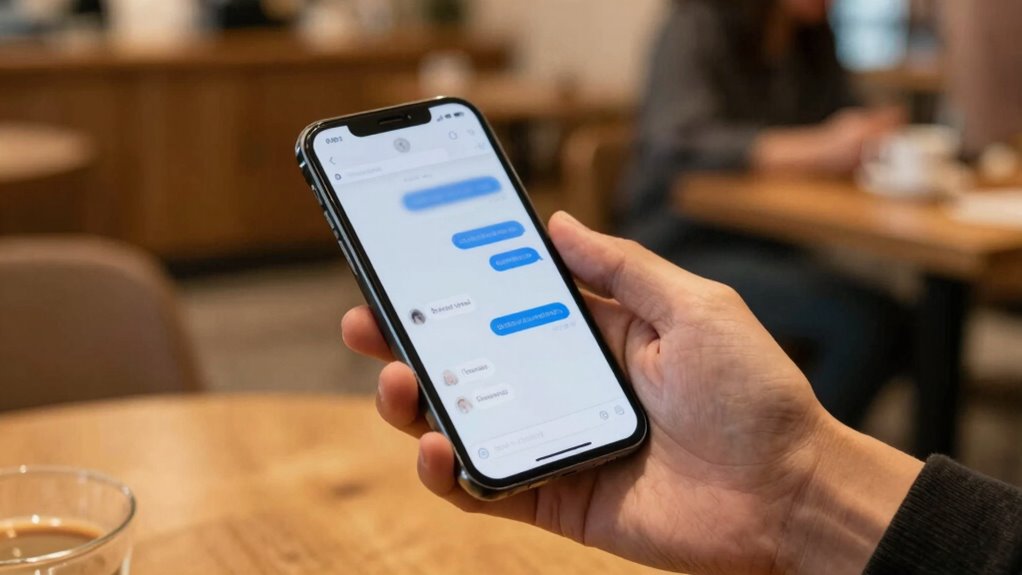
Have you ever received a text message that left you confused or misinterpreted? It’s a common experience in today’s digital communication, where tone and intent can easily get lost in translation. When messages are misunderstood, emotions can run high, making it tempting to react impulsively. That’s where emotional intelligence becomes your best tool. Recognizing your feelings and understanding others’ perspectives can help you navigate these situations calmly and thoughtfully. Instead of jumping to conclusions or responding defensively, take a breath and assess what’s really going on behind the words. Remember, digital communication lacks vocal cues and facial expressions, which can lead to misunderstandings. By acknowledging this, you give yourself a moment to pause and consider the context before reacting, preventing small issues from escalating.
When you receive a confusing message, it’s tempting to respond immediately, but that’s often a mistake. Instead, give yourself time to process what was said. Ask yourself what might have prompted the misunderstanding—was it a typo, a missed joke, or a tone that doesn’t translate well? Sometimes, simply re-reading the message or stepping back for a moment can reveal that the problem isn’t as severe as it seems. If you’re still unsure, don’t hesitate to seek clarification in a respectful way. A polite follow-up, like “Hey, I’m not sure I understood your last message. Can you clarify?” shows maturity and emotional intelligence. It also demonstrates that you value clear communication and want to resolve any confusion quickly. Recognizing and respecting digital communication limitations can help you develop more effective strategies for managing misunderstandings.
Handling misunderstood messages effectively involves managing your own reactions and considering the other person’s perspective. Instead of assuming negativity, approach the situation with curiosity rather than anger. Keep your tone neutral and avoid accusations, which can make the other person defensive. Remember, most misunderstandings are accidental and not meant to hurt you. By practicing patience and empathy, you foster better digital communication and reduce unnecessary conflicts. If the message triggers strong emotions, take a moment to cool down before replying. A calm response not only helps de-escalate the situation but also sets a positive tone for future conversations. Additionally, understanding the limitations of digital communication can help you develop more effective strategies for managing misunderstandings. Developing digital literacy skills can also enhance your ability to interpret messages accurately and respond appropriately. Recognizing emotional intelligence as a key component in digital interactions can further improve how you handle these situations. Being aware of how technology impacts communication can also guide you to communicate more effectively in online interactions.
Products Worth Considering

Oura Ring 4 Smart Ring – Silver – Size 8

Oura Ring 5 Smart Ring, Silver, Size 10

Hyperice Normatec 3 Leg Compression Boots – Standard Size
As an affiliate, we earn on qualifying purchases.
Frequently Asked Questions
How Can I Prevent Misunderstandings in Text Messages?
To prevent misunderstandings in text messages, you should use clear language and include context clues to clarify your meaning. Pay attention to emotional cues, like emoji or tone, to express your feelings accurately. Ask questions if you’re unsure about the message, and encourage the other person to do the same. Taking these steps helps reduce miscommunication and fosters better understanding, preventing potential conflicts from escalating.
What Tone Should I Use to Clarify Without Offending?
Think of clarifying as adjusting your sail to catch the wind smoothly. Use a gentle, friendly tone to prevent offense, like a calm breeze diffusing tension. Incorporate clarification techniques by asking open-ended questions or adding context, ensuring your tone remains respectful and understanding. This tone adjustment shows you’re seeking clarity, not confrontation, helping your message stay constructive and preserving your connection, even amid potential misunderstandings.
When Is It Best to Call Instead of Texting?
You should call instead of texting when tone adjustment is essential, especially if the message might be misunderstood or emotionally charged. Timing considerations also matter; it’s best to call during appropriate hours when the other person is likely available and receptive. A quick phone call can clarify intentions faster and prevent misunderstandings, showing you’re genuinely engaged and willing to address any issues directly.
How Do I Recognize if My Message Was Truly Misunderstood?
You recognize your message was truly misunderstood when context clues and emotional cues don’t align with your intent. If the other person responds with confusion, frustration, or seems upset, it’s a sign. Pay attention to their tone, word choice, and timing—if they seem off or unexpectedly distant, your message might have been misinterpreted. Clarify quickly by asking open-ended questions to guarantee you understand their perspective and clear up any confusion.
What Are the Signs of Escalating a Minor Misunderstanding?
About 70% of miscommunications escalate because of tone sensitivity. If you notice your message sparks defensiveness or impatience, it’s a sign of escalation. You might see more questions, abrupt replies, or emotional reactions. To prevent this, prioritize clarification timing—address misunderstandings early before emotions run high. Respond calmly, ask clarifying questions, and avoid jumping to conclusions, helping to de-escalate potential conflicts before they spiral.
Conclusion
When a misunderstood message threatens to ignite a fire, remember you hold the extinguisher. Take a deep breath, picture the calm surface of a still lake before the storm, and choose your words like gentle ripples. Clarify with kindness, not chaos, and watch as the turbulence subsides. With patience and clear communication, you can turn a brewing storm into a peaceful pond, where understanding flows smoothly and conflicts fade into quiet reflections.