
TL;DR

Get gifts for the two of you delivered free with Prime
- Fast, free delivery on millions of items
- Prime Video, Amazon Music and more included
- Member-only deals all year
A vegetarian woman named June seeks advice on how to get enough iron. Experts confirm that vegetarians can meet iron needs through specific plant-based foods combined with vitamin C, despite absorption challenges. The article offers practical tips and confirms the importance of dietary layering.
A vegetarian woman named June has sought expert advice on how to increase her iron intake, highlighting a common concern among vegetarians about preventing iron deficiency. Nutritionists confirm that it is possible to meet daily iron requirements through plant-based foods combined with vitamin C, despite absorption challenges. This guidance is relevant as iron deficiency remains prevalent among women, including vegetarians.
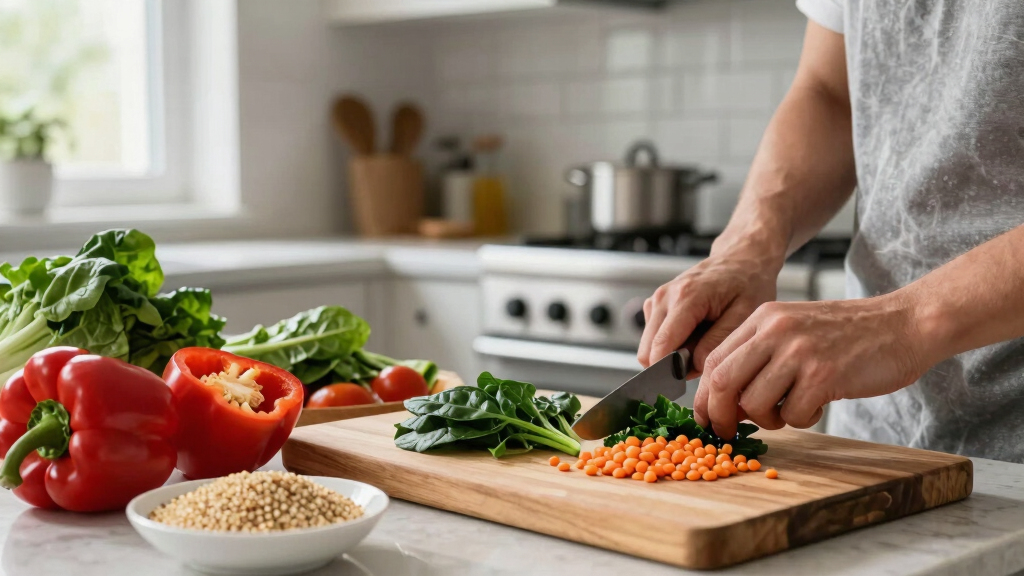
Experts, including nutritionist Dominique Ludwig, confirm that vegetarians can obtain sufficient iron from foods such as beans, lentils, tofu, nuts, seeds, and leafy greens. While non-heme iron from plant sources is less readily absorbed than heme iron from animal products, combining non-heme iron foods with vitamin C-rich foods like peppers, tomatoes, or berries significantly enhances absorption.
Additionally, certain compounds in plant foods, such as phytates in grains and tannins in tea and dairy, can inhibit iron absorption. Therefore, strategic food pairing and timing are important. For example, having oats with berries or a tofu scramble with kale and tomatoes can boost iron intake and absorption. Eggs, which contain about 2mg of iron each, also provide a helpful source for lacto-vegetarians.
Other recommended sources include pumpkin seeds, dried fruits, and nuts. Incorporating these into meals, such as a stir-fry with greens, tofu, and brown rice or adding lentils to pasta, can help vegetarians reach their daily iron goals—14.8mg for women aged 19-49, and around 8.7mg after menopause.
Why It Matters
This guidance matters because iron deficiency affects nearly one in three women in the UK, with vegetarians potentially at higher risk if they are unaware of how to optimize absorption. Adequate iron intake is essential for preventing anemia, maintaining energy levels, and supporting overall health. Clarifying practical dietary strategies helps vegetarians meet their nutritional needs without relying on animal products.
As an affiliate, we earn on qualifying purchases.
Background
Recent studies, including one by Randox Health, indicate a high prevalence of iron deficiency among women, emphasizing the importance of dietary management. Vegetarian diets exclude heme iron sources, which are more easily absorbed, making awareness of plant-based strategies crucial. Nutrition experts have long promoted combining non-heme iron foods with vitamin C to improve absorption, but many remain uncertain about how to implement this effectively in daily meals.
“When we eat non-heme iron and vitamin C together, it increases absorption, so it might be a case for having peppers or tomatoes with your tofu.”
— Dominique Ludwig, nutritionist and author of No-Nonsense Nutrition
“Women aged 19-49 should aim for 14.8mg iron a day, but after menopause that drops to about 8.7mg, which falls in line with men’s requirements.”
— Dominique Ludwig
vitamin C rich foods for iron absorption
As an affiliate, we earn on qualifying purchases.
As an affiliate, we earn on qualifying purchases.
What Remains Unclear
It is not yet clear how individual variations in gut health, dietary habits, or food preparation methods might affect iron absorption among vegetarians. More research is needed on the effectiveness of specific food combinations and timing to optimize iron status in diverse populations.
As an affiliate, we earn on qualifying purchases.
What’s Next
Next steps include developing tailored dietary plans for vegetarians, increasing awareness of food pairing strategies, and conducting further research on absorption enhancers. Healthcare providers may also begin more routinely screening vegetarians for iron deficiency and offering personalized nutritional advice.
As an affiliate, we earn on qualifying purchases.
Key Questions
Can vegetarians get enough iron without supplements?
Yes, with careful dietary planning that includes iron-rich plant foods and vitamin C sources, many vegetarians can meet their daily iron needs without supplements. However, some individuals may still require supplements if absorption issues or deficiencies persist.
Which plant-based foods are the best sources of iron?
Good sources include cooked lentils, chickpeas, tofu, nuts (like cashews), seeds (such as sesame), dried fruits, and dark leafy greens like spinach and kale.
How can I improve iron absorption in my vegetarian diet?
Pair non-heme iron foods with vitamin C-rich foods like peppers, tomatoes, and berries. Avoid consuming tea, coffee, or dairy at the same time as iron-rich meals, as tannins and calcium can inhibit absorption.
Are eggs a good source of iron for vegetarians?
Yes, eggs contain about 2mg of iron per egg and can contribute to daily intake for lacto-vegetarians.
Should I consider iron supplements if I can’t meet my needs through diet?
Consult a healthcare provider for personalized advice. Supplements may be necessary if dietary strategies do not sufficiently raise iron levels or if a deficiency is diagnosed.
Fall Picks
fall essentials
As an affiliate, we earn on qualifying purchases.