

For readers seeking relationship books for young adults, my best overall pick is Relationships Start With You because it connects self-worth, boundaries, and dating choices in a practical format. Attached offers the strongest framework for understanding recurring attachment patterns, while Don’t Rush the Relationship — Teen Edition is the more approachable workbook for younger beginners. The main choice is between learning relationship theory and practicing concrete skills, alongside tradeoffs involving age fit, faith perspective, and current relationship status. Some selections focus on dating, while others suit established couples, personal growth, or recovery after an unhealthy relationship. Keep reading for the full breakdown and recommendations by buyer type.

Get gifts for the two of you delivered free — and shop member deals
- Fast, free delivery on millions of items
- Access to Prime Big Deal Days deals on October 6–7
- Prime Video, Amazon Music and more included
Key Takeaways
- Relationships Start With You earned my top ranking because it turns self-worth and boundary lessons into dating decisions more directly than the theory-focused books.
- Attached provides the clearest explanatory framework, but its attachment labels can feel too tidy for readers whose patterns change across relationships.
- Workbooks serve younger beginners better: Don’t Rush the Relationship offers more guided practice than reflective titles such as How to Be an Adult in Relationships.
- The strongest couple-focused choice is Love More, Fight Less, while most of the lineup is better suited to single readers or people still learning what healthy dating looks like.
- Audience fit separated the middle rankings: faith, gender focus, breakup recovery, and dating stage mattered more than the sheer number of topics covered.
| How to Be an Adult: A Handbook for Psychological and Spiritual Integration |  | Best for Personal Growth | Content type: Personal-development handbook | Primary audience: Adults and emerging adults | Primary focus: Psychological and spiritual growth | VIEW LATEST PRICE | See Our Full Breakdown |
| Don’t Rush the Relationship – Teen Edition: A Workbook for Confidence, Healthy Dating, Boundaries, and Self-Worth |  | Best Guided Workbook | Content type: Interactive workbook | Primary audience: Teens and young adults | Primary focus: Healthy dating and relationship pacing | VIEW LATEST PRICE | See Our Full Breakdown |
| Single, Dating, Engaged, Married: Life and Love in the Modern Age | 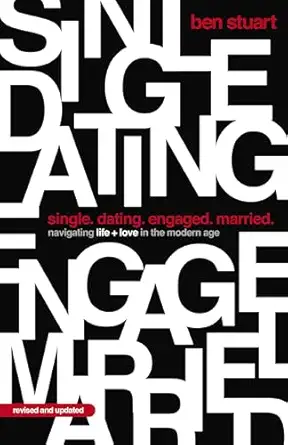 | Best for Relationship Stages | Content type: Relationship guidance book | Primary audience: Singles and couples | Primary focus: Love and commitment across life stages | VIEW LATEST PRICE | See Our Full Breakdown |
| Ultimate Dating Skills For Teens: Step-by-step Guide to Attracting the Right Person and Building Healthy Relationships |  | Best Step-by-Step Dating Guide | Content type: Step-by-step dating guide | Primary audience: Teenagers | Primary focus: Dating skills and healthy relationships | VIEW LATEST PRICE | See Our Full Breakdown |
| Attached: The New Science of Adult Attachment and How It Can Help You Find—and Keep—Love |  | Best Psychology-Based Pick | Content type: Relationship psychology book | Primary audience: Adults and young adults | Primary focus: Adult attachment | VIEW LATEST PRICE | See Our Full Breakdown |
| Navigating Relationships for Young Adults: The Healthy Relationship |  | Best Communication Foundation | Target audience: Young adults | Primary focus: Building and maintaining healthy relationships | Core skill: Communication | VIEW LATEST PRICE | See Our Full Breakdown |
| Teens’ Guide to Dating: Expert Advice & Tips for Building Healthy, Happy Relationships |  | Best for First-Time Daters | Target audience: Teenagers | Primary topic: Dating | Relationship goal: Healthy and happy romantic relationships | VIEW LATEST PRICE | See Our Full Breakdown |
| How to Be an Adult in Relationships: The Five Keys to Mindful Loving |  | Best for Mindful Relationships | Target audience: Adults and older young adults | Core framework: Five keys to mindful loving | Primary focus: Mature relationships | VIEW LATEST PRICE | See Our Full Breakdown |
| Mastering the Art of Letting Go of Emotional Pain and Toxic Relationships |  | Best for Recovering from Toxic Relationships | Target audience: Teens and young adults | Primary focus: Letting go of emotional pain | Relationship focus: Toxic relationships | VIEW LATEST PRICE | See Our Full Breakdown |
| Relationships Start With You: The Teen Guide to Self-Worth, Boundaries, and Dating |  | Best for Boundaries and Self-Worth | Target audience: Teenagers | Primary focus: Healthy relationship development | Personal-growth topic: Self-worth | VIEW LATEST PRICE | See Our Full Breakdown |
| Essential Life Skills Playbook for Teen Girls |  | Best Confidence-and-Boundaries Primer | Product type: Teen life-skills playbook | Primary audience: Teen girls | Core focus: Confidence, relationships, and boundaries | VIEW LATEST PRICE | See Our Full Breakdown |
| Love More, Fight Less: Communication Skills Every Couple Needs | 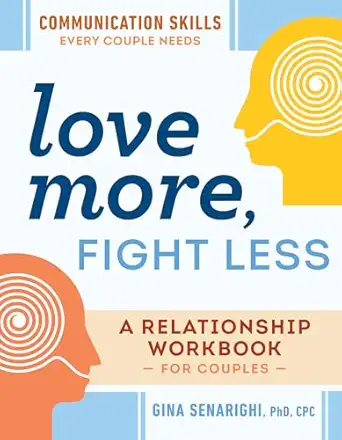 | Best Workbook for Young Couples | Product type: Relationship workbook | Primary audience: Couples | Core focus: Communication and conflict resolution | VIEW LATEST PRICE | See Our Full Breakdown |
| relationship books for young adult | Primary focus | Primary audience |
|---|---|---|
| How to Be an Adult: A Handbook | Psychological and spiritual growth | Adults and emerging adults |
| Don’t Rush the Relationship | Healthy dating and relationship pacing | Teens and young adults |
| Single | Love and commitment across life stages | Singles and couples |
| Ultimate Dating Skills For Tee | Dating skills and healthy relationships | Teenagers |
| Attached: The New Science of A | Adult attachment | Adults and young adults |
| Navigating Relationships for Y | Building and maintaining healthy relationships | — |
| Teens’ Guide to Dating: Expert | — | — |
| How to Be an Adult in Relation | Mature relationships | — |
| Mastering the Art of Letting G | Letting go of emotional pain | — |
| Relationships Start With You: | Healthy relationship development | — |
| Essential Life Skills Playbook | — | Teen girls |
| Love More | — | Couples |
More Details on Our Top Picks
How to Be an Adult: A Handbook for Psychological and Spiritual Integration
How to Be an Adult earns its place because I see it as the lineup’s strongest choice for readers who want to develop the inner maturity that supports healthy relationships. Unlike Don’t Rush the Relationship – Teen Edition, which concentrates on dating exercises and boundaries, this handbook approaches adulthood through psychological and spiritual growth. Its self-awareness framework can help readers recognize emotional habits before those habits affect a partner. The tradeoff is that its relationship advice is indirect: readers seeking scripts for dating, conflict, or communication may find it too reflective. Compared with Attached, it covers a broader view of maturity but provides a less focused model for understanding romantic behavior. I rank it highly for introspective young adults, though it is not the fastest route to concrete dating tactics.
Pros:- Connects personal maturity with healthier relationship behavior
- Blends psychological ideas with spiritual reflection
- Addresses self-awareness beyond dating alone
- Useful across single and partnered life
Cons:- Offers less direct dating instruction than the teen-focused guides
- The spiritual dimension may not suit readers wanting a strictly secular approach
- Reflective material may feel slow to readers seeking immediate solutions
Best for: Reflective young adults who want to strengthen emotional maturity and self-awareness before or during a serious relationship
Not ideal for: Teens seeking worksheets, dating scripts, or quick guidance for a current romantic problem
- Content type:Personal-development handbook
- Primary audience:Adults and emerging adults
- Primary focus:Psychological and spiritual growth
- Relationship emphasis:Indirect, through personal maturity
- Learning approach:Guidance and reflective insights
- Core outcome:Greater maturity and self-awareness
- Scope:Personal development beyond romantic relationships
Our verdict“I recommend this to young adults who want to work on the emotional foundation beneath their relationships rather than collect dating tactics.”
Don’t Rush the Relationship – Teen Edition: A Workbook for Confidence, Healthy Dating, Boundaries, and Self-Worth
I rank Don’t Rush the Relationship – Teen Edition as the most hands-on choice because its workbook structure turns broad relationship advice into personal exercises. It targets confidence, boundaries, and self-worth, making it more participatory than Ultimate Dating Skills For Teens, which follows a step-by-step advice format. That distinction matters for teens who learn by writing, reflecting, and identifying their own limits rather than simply reading rules. It also places less emphasis on attracting a partner, keeping the focus on healthy pacing and personal standards. The drawback is that workbook activities require effort and honest participation; passive readers may leave much of the value on the page. Its supplied description also gives little detail about individual exercises, so buyers cannot readily judge their depth. I favor it for prevention and self-development, not urgent conflict repair.
Pros:- Interactive format encourages active reflection
- Links dating choices to confidence and self-worth
- Gives boundaries a central role
- Tailored to teen and young-adult concerns
Cons:- Requires more participation than a conventional advice book
- The available content description does not reveal the depth of its exercises
- Offers less support for established couples than communication-focused books
Best for: Teens and younger adults who want structured exercises for building boundaries, dating confidence, and self-respect
Not ideal for: Passive readers who dislike written exercises or couples seeking help with an established communication conflict
- Content type:Interactive workbook
- Primary audience:Teens and young adults
- Primary focus:Healthy dating and relationship pacing
- Key topics:Confidence, boundaries, and self-worth
- Learning approach:Exercises supported by guidance
- Relationship stage:Before and during early dating
- Core outcome:Healthier dating habits and stronger self-esteem
Our verdict“I would choose this for a teen who benefits from guided reflection and wants to establish healthy standards before a relationship becomes serious.”
Single, Dating, Engaged, Married: Life and Love in the Modern Age
Single, Dating, Engaged, Married has the widest relationship-stage coverage in this group, so I place it above narrower dating guides for readers who want one book that remains relevant as commitment changes. Its single-to-married structure differs from Attached, which organizes relationship behavior around attachment patterns rather than life stages. That broader scope helps young adults connect current decisions with later commitments, and it can also give couples shared language for discussing where a relationship is headed. Breadth creates the main compromise: readers dealing with one precise issue may receive less depth than they would from a specialized workbook or communication guide. It is also less specifically teen-centered than Don’t Rush the Relationship. I see this as the versatile choice for readers anticipating several stages, not the sharpest tool for boundaries, attachment, or conflict skills.
Pros:- Covers four distinct relationship stages
- Connects early dating choices with later commitment
- Useful for both single readers and couples
- Addresses love within contemporary life
Cons:- Broad coverage may limit depth within each stage
- Less tailored to teenagers than the teen-specific selections
- Does not center on one defined psychological model
Best for: Young adults who want guidance that can follow them from single life through dating, engagement, and marriage
Not ideal for: Readers seeking a detailed therapeutic framework or targeted exercises for one immediate relationship issue
- Content type:Relationship guidance book
- Primary audience:Singles and couples
- Primary focus:Love and commitment across life stages
- Stages covered:Single, dating, engaged, and married
- Learning approach:Insights and practical advice
- Relationship setting:Modern dating and committed relationships
- Core outcome:Better decisions across changing relationship stages
Our verdict“I recommend this to young adults who value long-range relationship guidance more than specialized instruction for a single problem.”
Ultimate Dating Skills For Teens: Step-by-step Guide to Attracting the Right Person and Building Healthy Relationships
Ultimate Dating Skills For Teens is my clearest pick for young readers who want a direct sequence rather than a theory-heavy discussion. Its step-by-step guidance covers attraction and the development of healthy, lasting relationships, giving beginners a more immediate starting point than How to Be an Adult. Compared with Don’t Rush the Relationship – Teen Edition, this guide leans more toward practical dating skills, while the workbook gives greater weight to reflection, pacing, and self-worth. That makes this book easier to approach for a teen asking what to do next, but its focus on attracting the right person may feel too outcome-driven for readers who need deeper work on identity or emotional patterns. The supplied overview also does not indicate how it handles varied personal situations. I rank it as the accessible starting guide, not the most nuanced selection.
Pros:- Uses a beginner-friendly step-by-step structure
- Combines attraction advice with healthy-relationship goals
- Written for teenage social and romantic concerns
- Provides a clear entry point for inexperienced daters
Cons:- The attraction focus may encourage an overly goal-oriented view of dating
- Available information does not show how well it handles varied relationship situations
- Offers less psychological depth than Attached
Best for: Teen dating beginners who want an orderly introduction to attraction, partner selection, and healthy relationship habits
Not ideal for: Young adults seeking deeper psychology, identity-focused exercises, or advice tailored to a complex relationship situation
- Content type:Step-by-step dating guide
- Primary audience:Teenagers
- Primary focus:Dating skills and healthy relationships
- Key topics:Attraction, partner selection, and relationship building
- Learning approach:Sequential practical advice
- Experience level:Beginner
- Core outcome:Stronger social and romantic skills
Our verdict“I would pick this for a teen who wants clear dating direction and finds reflective or research-led books too abstract.”
Attached: The New Science of Adult Attachment and How It Can Help You Find—and Keep—Love
Attached takes the most focused psychological approach in this batch, using adult attachment styles to explain why people seek closeness, pull away, or react differently to uncertainty. I rank it above Single, Dating, Engaged, Married for readers who want a memorable framework for interpreting recurring romantic patterns rather than guidance arranged by commitment stage. It can help young adults name compatibility problems and understand both their own behavior and a partner’s. That clarity comes with limits: one framework can encourage readers to sort complex people into simplified categories, and the adult focus may feel less tailored to teenage dating than Don’t Rush the Relationship – Teen Edition. Readers uninterested in relationship psychology may also prefer a practical skills guide. I see it as the strongest conceptual choice, provided readers treat attachment as a lens rather than a complete explanation.
Pros:- Explains romantic behavior through a clear psychological framework
- Helps readers identify recurring relationship patterns
- Connects self-understanding with partner compatibility
- Offers practical applications for finding and maintaining love
Cons:- Attachment categories can oversimplify complex behavior
- The adult framing is less teen-specific than dedicated youth guides
- Narrower in scope than books covering multiple relationship stages
Best for: Young adults who notice repeated dating patterns and want a psychology-led framework for understanding closeness and compatibility
Not ideal for: Younger teens wanting basic dating instruction or readers who prefer exercises and scripts over behavioral theory
- Content type:Relationship psychology book
- Primary audience:Adults and young adults
- Primary focus:Adult attachment
- Conceptual framework:Attachment styles
- Learning approach:Science-based insights with practical advice
- Relationship stage:Dating and established romantic relationships
- Core outcome:Better understanding of self, partners, and recurring patterns
Our verdict“I recommend this to young adults who want to understand recurring romantic patterns and are comfortable applying a focused psychological model thoughtfully.”
Navigating Relationships for Young Adults: The Healthy Relationship
I place The Healthy Relationship first in this group for readers who want a broad communication foundation rather than advice limited to dating or breakups. Its coverage of emotional understanding and relationship dynamics can support friendships and romantic connections alike. Compared with Teens’ Guide to Dating, it appears better suited to young adults seeking transferable relationship skills, while the teen guide offers more direct help with crushes and heartbreak. The tradeoff is depth: the supplied description mentions no case studies, exercises, or detailed scenarios, which may leave readers wanting help applying the ideas. The absence of author credentials also makes its authority harder to judge. I see it as a sensible starting point, but readers seeking structured boundary work may get more direction from Relationships Start With You.
Pros:- Applies communication principles across several kinds of relationships
- Connects emotional understanding with healthier interactions
- Written specifically for young-adult relationship concerns
- Broader scope than a dating-only guide
Cons:- No detailed examples or case studies are identified
- Author credentials are not supplied
- The available description does not establish how deeply each topic is covered
Best for: Young adults who want an accessible foundation in communication, emotional awareness, and healthy relationship dynamics
Not ideal for: Readers who learn through case studies or want clearly documented professional expertise behind the advice
- Target audience:Young adults
- Primary focus:Building and maintaining healthy relationships
- Core skill:Communication
- Emotional focus:Understanding emotions
- Relationship scope:Positive interpersonal connections
- Content approach:Practical guidance
- Case studies:Not specified
Our verdict“I recommend this as a broad relationship-skills primer for young adults who can work with general guidance rather than detailed exercises.”
Teens’ Guide to Dating: Expert Advice & Tips for Building Healthy, Happy Relationships
I rank Teens’ Guide to Dating as the clearest match for teenagers facing their first romantic experiences. It addresses crushes, healthy dating, and heartbreak in language intended to feel manageable for younger readers. That gives it a more immediate dating focus than The Healthy Relationship, which spreads its attention across communication and broader relationship dynamics. It also differs from Mastering the Art of Letting Go: this book prepares teens for dating before or during a relationship, while that option concentrates on recovery after emotional harm. The weakness is the limited product detail. No chapter outline, sample scenarios, ratings, or reader feedback are supplied, so I cannot tell how specific the advice becomes. Older young adults may also find its teen-centered framing less relevant than How to Be an Adult in Relationships.
Pros:- Directly addresses common first-dating situations
- Includes guidance on both crushes and heartbreak
- Uses an accessible approach intended for teenagers
- Covers healthy relationship habits before problems escalate
Cons:- The available description gives little detail about chapter depth
- No customer ratings or reviews are supplied
- Teen-focused language may feel young for readers in their twenties
Best for: Teenagers handling first crushes, early dates, relationship questions, or an initial breakup
Not ideal for: College-age readers seeking adult relationship psychology or people recovering from severe emotional harm
- Target audience:Teenagers
- Primary topic:Dating
- Relationship goal:Healthy and happy romantic relationships
- Topics covered:Crushes, dating, and heartbreak
- Content style:Practical, easy-to-understand advice
- Reader feedback:Not provided
- Detailed contents:Not provided
Our verdict“I recommend this for teens who want a straightforward first guide to dating, feelings, and early heartbreak.”
How to Be an Adult in Relationships: The Five Keys to Mindful Loving
I give How to Be an Adult in Relationships the mindfulness role because its five-key framework offers a more defined philosophy than the broader advice described for The Healthy Relationship. Its focus on mature loving and emotional growth makes the most sense for older young adults who want to examine how they show up in close relationships, not merely learn dating etiquette. Compared with Teens’ Guide to Dating, it appears more reflective and less tied to first crushes or teenage situations. That maturity is also its main limitation: younger readers wanting concrete scripts, boundary exercises, or immediate breakup support may find Relationships Start With You or Mastering the Art of Letting Go more direct. The supplied data does not clarify the depth of the exercises or chapter coverage, so buyers seeking a highly structured workbook should verify the format before choosing it.
Pros:- Organizes its advice around five memorable principles
- Links mindfulness with mature relationship behavior
- Offers a deeper reflective angle than basic dating guides
- Suited to readers examining their own relationship patterns
Cons:- May feel abstract for readers who want immediate scripts or scenarios
- The supplied data does not identify exercise depth
- Its adult framing is less tailored to early-teen dating
Best for: Older young adults who want a reflective framework for emotional maturity and mindful romantic connection
Not ideal for: Younger teens who need simple dating scenarios, scripts, or workbook-style boundary practice
- Target audience:Adults and older young adults
- Core framework:Five keys to mindful loving
- Primary focus:Mature relationships
- Emotional approach:Mindfulness
- Relationship goal:Healthier connections
- Content style:Practical and reflective guidance
- Content depth:Not specified
Our verdict“I recommend this to older young adults who prefer reflective relationship work over a teen-oriented dating manual.”
Mastering the Art of Letting Go of Emotional Pain and Toxic Relationships
I selected Mastering the Art of Letting Go for readers whose main need is healing after a harmful relationship, not learning how to begin dating. Its combination of emotional recovery, self-love, and inner peace gives it a narrower but more urgent purpose than Teens’ Guide to Dating. Compared with Relationships Start With You, it focuses more on releasing pain after toxicity, while that book centers on building self-worth and boundaries that may prevent unhealthy patterns. This specialization earns it a place in the lineup, though the available information leaves major questions about structure, exercises, and content depth. Readers seeking evidence-based analysis or detailed recovery plans may find the broad description insufficient. I would place it behind the preventive guides for general buyers, yet ahead of them for teens and young adults already dealing with emotional fallout.
Pros:- Targets emotional recovery after unhealthy relationships
- Connects letting go with self-love and self-acceptance
- Addresses both teenagers and young adults
- Offers encouragement alongside practical guidance
Cons:- The supplied data does not clarify content depth or structure
- No format, price, or reader-rating information is provided
- Broad self-help guidance cannot replace professional support for trauma or abuse
Best for: Teens and young adults recovering from a toxic relationship, painful breakup, or damaged sense of self
Not ideal for: Readers seeking preventive dating advice, clinical trauma treatment, or a clearly documented step-by-step workbook
- Target audience:Teens and young adults
- Primary focus:Letting go of emotional pain
- Relationship focus:Toxic relationships
- Personal-growth topics:Self-love and self-acceptance
- Well-being goal:Inner peace
- Content approach:Practical advice and encouragement
- Content depth:Not specified
Our verdict“I recommend this for young readers who need recovery-focused encouragement more than general dating instruction.”
Relationships Start With You: The Teen Guide to Self-Worth, Boundaries, and Dating
I chose Relationships Start With You for teens who need to build a strong personal foundation before concentrating on dating tactics. By linking self-worth, confidence, boundaries, and relationships, it addresses why a teen might accept poor treatment rather than only describing what healthy dating looks like. That makes it more preventive than Mastering the Art of Letting Go, which is aimed at healing after toxic relationships. Compared with Teens’ Guide to Dating, this pick appears less focused on crushes and heartbreak but stronger for boundary-setting and self-respect. Its drawback is uncertainty: the supplied description offers no chapter breakdown, exercises, customer ratings, or reviews. Teens wanting detailed dating scenarios may prefer Teens’ Guide to Dating, while older readers may find How to Be an Adult in Relationships more suited to mature partnership patterns.
Pros:- Connects self-worth directly to healthier dating choices
- Makes boundary-setting a central relationship skill
- Uses an empowering approach tailored to teenagers
- May help readers address unhealthy patterns before dating problems grow
Cons:- No detailed chapter or exercise information is supplied
- No customer ratings or reviews are available
- Offers less stated coverage of crushes and heartbreak than the dedicated teen dating guide
Best for: Teens who struggle with confidence, people-pleasing, unclear boundaries, or self-worth in early dating
Not ideal for: Older young adults seeking mature partnership analysis or teens wanting detailed advice about specific dating situations
- Target audience:Teenagers
- Primary focus:Healthy relationship development
- Personal-growth topic:Self-worth
- Core relationship skill:Boundary-setting
- Dating focus:Healthy teen dating
- Reader outcome:Greater confidence and relationship awareness
- Detailed contents:Not provided
Our verdict“I recommend this for teens who need confidence and boundary skills before they need advanced dating advice.”
Essential Life Skills Playbook for Teen Girls
I rank Essential Life Skills Playbook for Teen Girls as the Best Confidence-and-Boundaries Primer because it connects relationship choices with self-belief and clear personal limits. That wider life-skills frame can help younger teens prepare for dating before a problem appears. Compared with Don’t Rush the Relationship – Teen Edition, this pick appears broader and less dating-centered, making it a better fit for readers who also want help with everyday peer dynamics. The tradeoff is depth: the supplied description does not identify detailed chapters, exercises, or named methods, so buyers cannot easily judge how structured the guidance will be. It also has no available customer ratings, which adds uncertainty. I would place it below more clearly documented workbooks for teens who want step-by-step practice, but above couple-focused books for readers still building foundational skills.
Pros:- Connects confidence and self-belief with healthier relationship choices
- Introduces boundary setting before harmful dating patterns become established
- Covers peer relationships as well as romantic situations
- Uses a practical life-skills approach suited to younger readers
Cons:- The broad scope may provide less dating-specific depth than a dedicated workbook
- The supplied description does not identify chapters, exercises, or named methods
- No customer reviews or ratings are available to indicate reader reception
Best for: Younger teen girls preparing for dating who want introductory help with confidence, peer relationships, and personal boundaries
Not ideal for: Teens seeking a detailed, exercise-heavy dating curriculum or buyers who rely on customer feedback before choosing a book
- Product type:Teen life-skills playbook
- Primary audience:Teen girls
- Core focus:Confidence, relationships, and boundaries
- Guidance style:Practical advice
- Relationship coverage:Romantic and everyday interpersonal situations
- Primary goal:Healthier choices and clearer personal limits
- Customer feedback status:No ratings or reviews available
Our verdict“I would choose this for a teen girl who needs a broad foundation in confidence and boundaries before moving to a more intensive dating workbook.”
Love More, Fight Less: Communication Skills Every Couple Needs
I rank Love More, Fight Less as the Best Workbook for Young Couples because its exercises turn communication advice into shared practice. For young adults already in a relationship, that format can make conflict resolution feel more actionable: both partners work on understanding, closeness, and calmer discussions rather than reading passively. Compared with Attached, which centers on attachment patterns, this book is more practice-led and couple-dependent; compared with Relationships Start With You, it gives less attention to solo self-worth and dating readiness. That focus is also its limit. It asks for active participation from both partners and a real time commitment, so one motivated reader may gain less. The supplied data does not name specific frameworks or tools, making the exercise mix hard to gauge before purchase. I would choose it for cooperative couples, not singles or readers seeking relationship theory.
Pros:- Turns communication guidance into practical couple exercises
- Targets conflict resolution as well as emotional understanding
- Encourages both partners to share responsibility for relationship improvement
- Supports greater closeness through guided discussion
Cons:- Its value depends heavily on active participation from both partners
- Completing the exercises requires more time than reading a conventional advice book
- The supplied description does not identify the specific frameworks or tools used
Best for: Young adult couples who are both willing to complete communication exercises and work on recurring conflict together
Not ideal for: Single readers, people with an unwilling partner, or buyers seeking attachment theory and solo self-development
- Product type:Relationship workbook
- Primary audience:Couples
- Core focus:Communication and conflict resolution
- Learning format:Exercises and guided practice
- Participation model:Shared work by both partners
- Relationship goals:Stronger bond, understanding, and intimacy
- Reader commitment:Active participation and ongoing practice
- Named methods in supplied data:None specified
Our verdict“I would pick this for a cooperative young couple ready to practice new communication habits together, rather than for a reader working alone.”

How We Picked
I ranked these books by developmental fit, practical usefulness, and the clarity of their relationship guidance. I looked at whether each selection translated ideas into recognizable choices involving boundaries, communication, conflict, self-respect, and partner selection. I also weighed how clearly each book identifies its reader, since advice for a fourteen-year-old beginning to date should not read like counseling for a long-term adult couple.
Higher positions went to books with broad relevance, realistic exercises, accessible language, and a clear path from insight to action. More specialized books remained strong picks when they served a defined need better than the general guides, such as attachment patterns, faith-based dating, conflict repair, or breakup recovery. I placed books lower when their scope was narrow, their framing risked oversimplifying people, or substantial sections moved away from relationships. My ranking treats value as useful guidance per book and premium as depth of material, rather than relying on changing retail prices.
Factors to Consider When Choosing Relationship Books For Young Adults
I recommend choosing by the reader’s immediate relationship task rather than by fame or page count. The best match depends on age and maturity, preferred learning format, and whether the goal is dating preparation, couple communication, or recovery. The following factors help separate books that merely sound relevant from those a reader is likely to finish and apply.
Match the Book to the Reader’s Developmental Stage
I start with age fit rather than the word adult, since young adulthood can cover very different levels of independence and dating experience. Teen-focused books usually explain consent, peer pressure, digital communication, and first boundaries in direct language. Books written for readers in their twenties are more likely to address recurring patterns, long-term compatibility, and shared responsibilities. A younger reader may find an adult mindfulness book abstract, while an older reader may outgrow worksheets built around school situations. One common mistake is buying the most famous title even when its examples do not resemble the reader’s life. For a gift, I would choose the book whose examples match the recipient’s daily world and whose tone offers guidance without talking down.
Choose Between Explanation and Guided Practice
Relationship books generally teach through conceptual frameworks, step-by-step exercises, or a blend of both. Theory-led books can give readers language for patterns they have sensed but could not name. Workbooks are better at prompting boundary scripts, self-reflection, and plans for difficult conversations. I favor a blended format when the reader wants both understanding and action, but a focused workbook can be less overwhelming for a beginner. A common mismatch occurs when someone buys a celebrated theory book while actually needing help deciding what to say on the next date. Readers who rarely complete exercises may gain more from short chapters with concrete examples than from pages of blank prompts.
Identify the Relationship Goal Before Buying
The reader’s current goal should shape the choice more than the broad relationship label on the cover. Someone who is not dating may benefit most from self-worth and partner-selection guidance, while a new couple may need communication habits and conflict scripts. A reader in a stable partnership will get less from attraction advice than from material on repair, listening, and recurring disagreements. Someone leaving an unhealthy relationship needs recovery and detachment support, not tips for finding another partner immediately. I suggest naming one problem the book should help clarify before comparing titles. This keeps readers from buying a wide-ranging guide when a narrower book matches the real need.
Check the Book’s Worldview and Audience Assumptions
A book’s advice is shaped by its beliefs about dating, commitment, gender, and sexuality. Single, Dating, Engaged, Married makes the most sense for readers who actively want a Christian framework, but its premises may not fit secular readers. Gender-focused life-skills books can offer relatable examples, though some readers may prefer advice that is less tied to a particular identity. I look for books that distinguish healthy standards from rigid rules and that leave room for different relationship structures. A mismatch in worldview can make otherwise sound exercises feel irrelevant or judgmental. When buying for someone else, a broadly inclusive guide is safer unless the recipient has expressed a preference for faith-based or identity-specific guidance.
Judge Depth, Cost, and Likely Follow-Through Together
Paying more only makes sense when the edition, workbook format, or supporting material improves how the reader will use the book. A dense volume may offer greater long-term depth, but it delivers poor value if the reader abandons it after two chapters. Workbooks can justify repeat use through written exercises, although completed pages also make them harder to share or resell. I judge value by the number of relevant, usable chapters, not by length alone. Borrowing a theory-focused title from a library can be sensible, while owning a workbook gives the reader room to revisit answers over time. I would spend more on strong audience fit and usable structure, not decorative packaging or inflated topic counts.
Frequently Asked Questions
Should I Choose a Teen-Specific Book or a General Adult Relationship Book?
I would choose a teen-specific book when the reader is dealing with first dates, school-based social pressure, parental rules, or uncertainty about basic boundaries. General adult books become more useful when the reader has enough experience to recognize repeated patterns or is building a longer-term partnership. Reading level alone is not the deciding factor; the situations and assumptions matter more. An advanced teenager may appreciate adult theory, but still benefit from examples grounded in early dating. When uncertain, a practical teen guide paired with a deeper framework offers a better sequence than starting with the most abstract option.
Is Attached a Good First Relationship Book for a Young Adult?
Attached is a strong first choice for a reader who keeps encountering uncertainty, distance, or reassurance-seeking in romantic relationships. Its framework makes behavior easier to discuss and can reveal why certain pairings feel unstable. I would not treat its categories as permanent diagnoses or use them to excuse harmful conduct. Younger beginners who need help setting a boundary or recognizing pressure may get more immediate use from Relationships Start With You or a guided workbook. Attached works best as a lens for patterns rather than a rulebook.
Is a Workbook Better Than a Traditional Advice Book?
A workbook is better when the reader wants prompts, scripts, and repeatable practice rather than explanation alone. It can turn vague goals such as stronger boundaries into written standards and planned responses. Traditional advice books suit readers who prefer to absorb a framework before applying it privately. I would avoid a workbook for someone who dislikes writing exercises, since much of its value would remain unused. For active skill-building, Don’t Rush the Relationship offers a more structured starting point than a reflective book, while theory books support broader pattern recognition.
Should I Buy a Faith-Based or Secular Relationship Guide?
I would choose a faith-based guide only when the reader wants religious beliefs to shape dating and commitment advice. Single, Dating, Engaged, Married offers a clear staged framework, but that strength also makes it less flexible for readers who do not share its premises. Secular books usually provide wider compatibility across beliefs, although they may not answer moral or spiritual questions the reader sees as central. The best test is whether the reader wants faith to be the book’s foundation or simply one influence among many. For a gift, match the recipient’s stated values rather than assuming that a relationship-status label is enough.
Can a Relationship Book Help Someone Leave a Toxic Relationship?
A book can help a reader name unhealthy patterns, rebuild self-trust, and plan boundaries, but it should not carry the full burden of safety. Mastering the Art of Letting Go of Emotional Pain and Toxic Relationships is the lineup’s most focused option for emotional separation and recovery. If there is coercion, stalking, threats, or violence, I would pair reading with support from a trusted adult, counselor, advocate, or local emergency service. Couple-communication exercises are not suitable when one person uses fear or control. In that situation, personal safety comes before relationship repair.
Conclusion
For the broadest teen and young-adult starting point, my Best Overall pick is Relationships Start With You because it links internal confidence to concrete dating choices. My Best Value pick is Teens’ Guide to Dating for readers seeking broad, approachable guidance in one volume. Don’t Rush the Relationship is best for beginners who benefit from workbook prompts, while Ultimate Dating Skills for Teens is best for step-by-step dating practice.
Readers ready for more reflective material should choose How to Be an Adult in Relationships as the premium-depth pick. Attached is best for understanding attachment patterns, especially when closeness and distance keep causing confusion. For people already in a relationship, Love More, Fight Less is best for couple communication. Readers who want dating advice grounded in Christianity should choose Single, Dating, Engaged, Married as the faith-based pick.
How to Be an Adult is best for foundational personal growth before or alongside dating, while the Healthy Relationship guide for young adults suits readers wanting a shorter relationship-focused reference. Mastering the Art of Letting Go is best for breakup and toxic-relationship recovery. The Life Skills Playbook for Teen Girls fits readers who want confidence and boundary advice within a wider life-skills book. I would make the final choice by matching the book to the reader’s present task: prepare, understand a pattern, communicate, or recover.
Fall Picks
fall essentials
As an affiliate, we earn on qualifying purchases.