
By embracing circular fashion, you can extend your wardrobe’s life through repairing clothes, recycling old items, and swapping garments with others. These practices reduce waste, prevent items from ending up in landfills, and encourage more sustainable consumption habits. Supporting brands that prioritize eco-friendly methods like zero waste patterns and plant-based dyes further enhances your impact. Continuing along this path helps you build a more conscious, resourceful wardrobe — and there’s much more to discover as you explore sustainable fashion options.

Get gifts for the two of you delivered free — and shop member deals
- Fast, free delivery on millions of items
- Access to Prime Big Deal Days deals on October 6–7
- Prime Video, Amazon Music and more included
Key Takeaways
- Repair garments to extend their lifespan and reduce waste, promoting a circular approach to fashion.
- Recycle old clothes into new products or materials, minimizing landfill contributions and resource consumption.
- Organize or participate in clothing swaps to circulate garments and decrease demand for new fast fashion items.
- Support brands that prioritize sustainable dyeing, zero waste patterns, and eco-friendly manufacturing practices.
- Incorporate sustainable habits like repairing, recycling, and swapping into daily wardrobe routines for a greener fashion system.
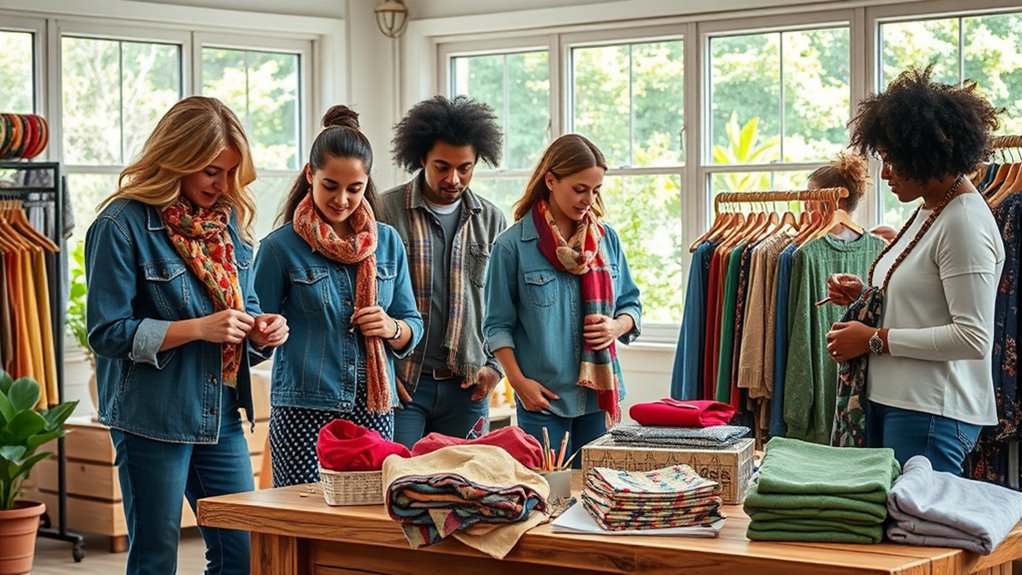
Have you ever wondered how the fashion industry can become more sustainable? One way is by adopting innovative practices like sustainable dyeing and zero waste patterns. Traditional dyeing methods often use harmful chemicals and massive amounts of water, which harm ecosystems and deplete resources. Sustainable dyeing offers eco-friendly alternatives, such as plant-based dyes or waterless dyeing technologies, reducing environmental impact and conserving essential resources. By choosing brands that prioritize these methods, you help promote a cleaner, greener fashion industry. Additionally, zero waste patterns aim to eliminate fabric waste during the design process. Instead of discarding scraps, designers optimize their patterns to utilize every inch of fabric, minimizing landfill waste and maximizing material efficiency. When you support brands that implement zero waste patterns, you contribute to reducing the massive piles of textile waste that end up polluting our environment. Moreover, considering the sustainable materials used in clothing production can further reduce the ecological footprint of your wardrobe.
Supporting brands with sustainable dyeing and zero waste patterns helps reduce environmental impact and promotes a greener fashion industry.
But sustainability isn’t just about production techniques; it also involves how you handle your wardrobe. Repairing clothes is a simple yet powerful way to extend their lifespan. Instead of tossing worn or damaged garments, learn basic sewing skills or find local repair services to mend them. Repairing keeps garments out of landfills longer and reduces demand for new clothing production, which is resource-intensive. Recycling clothes takes this effort even further. Many organizations now accept old garments and transform them into new products—whether turning worn-out t-shirts into cleaning rags or repurposing fabrics into entirely new designs. Recycling closes the loop in the fashion cycle, making your wardrobe more circular and less wasteful.
Swapping clothes is another effective strategy. Instead of buying new items, organize clothing exchanges with friends or participate in community swap events. This not only refreshes your wardrobe without spending money but also keeps garments circulating among different people, extending their usefulness. Swapping helps reduce demand for fast fashion, which often encourages overproduction and waste. Plus, it fosters a sense of community and sustainability consciousness. The more you engage in repairing, recycling, or swapping clothes, the more you actively participate in building a circular fashion system that values durability, resourcefulness, and respect for the planet.
In essence, transforming your wardrobe habits can make a significant difference. By choosing brands committed to sustainable dyeing and zero waste patterns, repairing what you already own, recycling old clothes, and swapping with others, you support a more circular and responsible fashion industry. These small shifts in your behavior challenge the throwaway culture and promote a more sustainable future—one where fashion is less wasteful and more mindful of its environmental footprint.
As an affiliate, we earn on qualifying purchases.
Frequently Asked Questions
How Can I Identify Eco-Friendly Clothing Brands?
You can identify eco-friendly clothing brands by checking if they prioritize sustainable dyeing methods and ethical manufacturing practices. Look for certifications like GOTS or Fair Trade, which indicate responsible sourcing and fair labor conditions. Research the brand’s transparency about their supply chain, and read reviews to see if they actively reduce environmental impact. Supporting brands committed to sustainability helps you make a positive difference in the fashion industry.
What Are Creative Ways to Redesign Old Clothes?
You can get creative with your old clothes by using upcycling techniques like turning jeans into shorts or transforming shirts into tote bags. Try DIY fashion ideas such as adding embroidery, fabric paint, or patches to give garments a fresh look. Experiment with cutting, sewing, or dyeing to personalize your pieces. These methods help you redesign old clothes uniquely while embracing sustainable fashion and reducing waste.
How Does Clothing Recycling Impact the Environment?
You see, recycling clothing helps reduce textile waste, which often ends up in landfills and pollutes the environment. By recycling, you cut down on the carbon footprint associated with producing new garments, saving energy and resources. When you choose to recycle your clothes, you’re actively supporting a more sustainable fashion industry, decreasing environmental harm, and promoting responsible consumption. It’s a simple way to make a positive impact on the planet.
Are There Any Local Clothing Swap Events Near Me?
Think of a community workshop as your modern-day version of a 1960s swap meet. To find local clothing swap events, check online community boards, social media groups, or local bulletin boards. Many cities host swap meet locations or community workshops dedicated to swapping clothes, where you can exchange garments and promote circular fashion. This way, you extend your wardrobe’s life while connecting with others who share your eco-conscious values.
What Materials Are Best for Sustainable Fashion?
You should choose eco-friendly fibers like organic cotton, hemp, and Tencel, which are made from sustainable textiles. These materials reduce environmental impact because they require less water and chemicals. When shopping for sustainable fashion, look for brands that prioritize eco-friendly fibers and sustainable textiles. By selecting these materials, you support a more circular fashion industry, helping to repair, recycle, and swap clothes responsibly.
As an affiliate, we earn on qualifying purchases.
Conclusion
Think of your wardrobe as a garden—you can nurture it by repairing, recycling, and swapping clothes, turning waste into new growth. Every small action you take helps create a vibrant, sustainable cycle that benefits both your style and the planet. When you embrace circular fashion, you’re planting seeds for a greener future, where garments bloom again and again. So, step into this cycle and watch your fashion choices flourish like a well-tended garden.
As an affiliate, we earn on qualifying purchases.
As an affiliate, we earn on qualifying purchases.
Fall Picks
fall essentials
As an affiliate, we earn on qualifying purchases.