
Many clean beauty claims blend science with marketing hype, making it hard to tell fact from fiction. Labels like “natural,” “cruelty-free,” or “safe” often lack regulation or clear definitions. Some products may have hidden synthetic ingredients or undisclosed chemicals. To make smarter choices, investigate brand policies, scrutinize ingredient lists, and look for verified certifications. If you keep exploring, you’ll discover how to spot real transparency and avoid marketing tricks that mislead consumers.

Get gifts for the two of you delivered free with Prime
- Fast, free delivery on millions of items
- Prime Video, Amazon Music and more included
- Member-only deals all year
Key Takeaways
- “Natural” labels are often unregulated; verify ingredients and sourcing for true product transparency.
- Cruelty-free claims require certification (e.g., Leaping Bunny) to confirm no animal testing.
- Many beauty claims are marketing hype; scientific evidence is essential to distinguish facts from fluff.
- Marketing emphasizes purity and safety, but ingredients can still cause allergies or contain undisclosed synthetics.
- Critical evaluation of labels and research on brands ensure informed, ethical, and effective beauty choices.
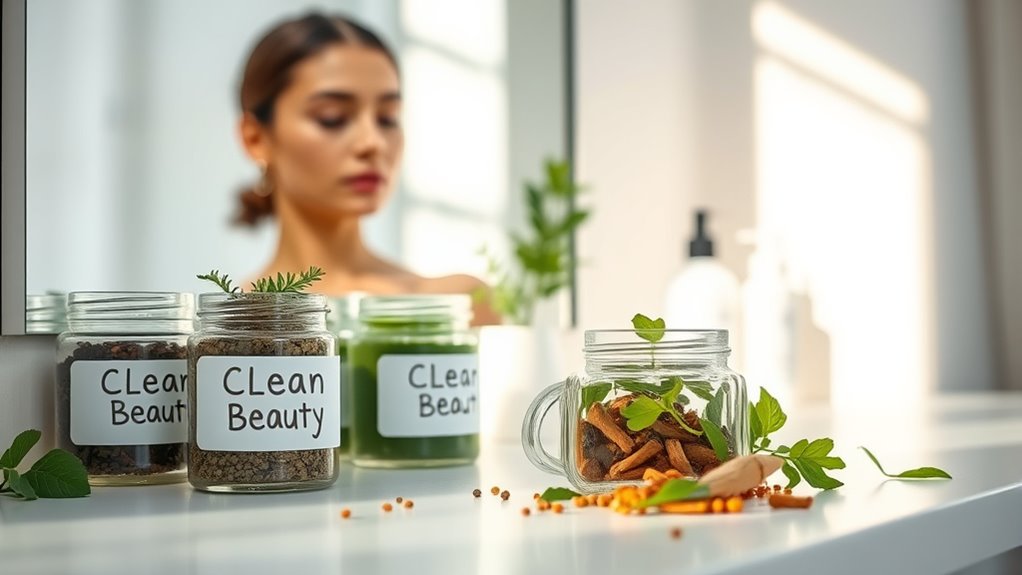
Have you ever wondered if the beauty standards you follow are truly based on facts? In today’s market, it’s easy to get caught up in marketing buzzwords that promise flawless skin and youthful glow. But how much of what you see is rooted in science, and how much is just clever advertising? When it comes to clean beauty, understanding the truth behind claims like natural ingredients and cruelty-free claims can help you make smarter choices. Many products boast about being natural, but that label can be misleading. The term “natural ingredients” isn’t strictly regulated, so what’s considered natural varies between brands. Some products might contain small amounts of plant extracts or minerals but still include synthetic preservatives or fragrances. This means that a product labeled as natural isn’t necessarily free from chemicals that could irritate your skin or cause other concerns. Instead, look for transparency from brands about their ingredients and processes. Companies that genuinely prioritize natural ingredients will often provide detailed ingredient lists and explanations of their sourcing, so you know exactly what you’re putting on your skin.
Cruelty-free claims are another popular marketing point, but they can be tricky to verify. The term generally suggests that no animal testing was involved at any stage of product development. However, some brands may use vague language like “not tested on animals” without clarifying whether their suppliers or ingredients were tested. It’s worth doing a little research into the brand’s policies and certifications. Look for official cruelty-free certifications from organizations like Leaping Bunny or PETA, which require strict standards and regular audits. This way, you can be more confident that the products you buy align with your ethics.
It’s also important to recognize that these labels are often used to appeal to a specific consumer mindset. The marketing surrounding clean beauty frequently emphasizes purity and safety, but the reality can be more complex. Many ingredients considered safe or natural can still cause allergic reactions in some people, and some products may contain undisclosed synthetic compounds. The key is to stay informed and skeptical of sweeping claims. Read ingredient lists carefully, do your research on brands, and don’t be swayed solely by the packaging or buzzwords. Ultimately, understanding what’s behind these claims helps you choose products that genuinely support your skin and values, rather than falling for marketing that plays on your desire for authenticity and responsibility.
cruelty-free skincare products with Leaping Bunny certification
As an affiliate, we earn on qualifying purchases.
As an affiliate, we earn on qualifying purchases.
Frequently Asked Questions
Are Natural Ingredients Always Safer Than Synthetic Ones?
Natural ingredients aren’t always safer than synthetic ones because ingredient safety depends on how they’re processed and sourced. You should consider ingredient sourcing, as natural doesn’t guarantee purity or safety, while synthetic ingredients can be precisely tested and controlled. Always check product labels, research the ingredients, and trust reputable brands. Your safety relies on understanding how ingredients are sourced and tested, rather than assuming natural means safer automatically.
Do Organic Products Last Longer Than Conventional Beauty Items?
Think of organic products like delicate flowers in a garden—they’re beautiful but often more sensitive. You might notice they don’t last as long because of packaging durability and storage longevity. Conventional beauty items often have preservatives that extend their shelf life, making them more resilient over time. So, if you want your organic products to stay fresh, store them carefully and be mindful of their limited shelf life.
Can “Clean” Products Truly Be Completely Free of Chemicals?
No, “clean” products can’t be completely free of chemicals because all ingredients are chemicals, including water and plant extracts. Many chemical misconceptions arise from misunderstandings about ingredient purity, which is key to clean beauty. You should focus on products with transparent ingredient lists and proven safety, rather than expecting zero chemicals. Remember, natural doesn’t always mean better, and every product contains ingredients that serve specific, beneficial purposes.
Is Celebrity Endorsement a Reliable Indicator of Product Safety?
Don’t buy into the hype that celebrity endorsement always guarantees product safety. Celebrity influence can be powerful marketing, but it’s often more about image than facts. Companies may use stars to boost sales, not necessarily to prove safety or efficacy. You should always look for independent research and ingredient transparency instead of relying solely on marketing hype or who endorses the product. Safety comes from facts, not fame.
Do All Affordable Beauty Products Lack Effective Ingredients?
Not all affordable beauty products lack effective ingredients. Many brands prioritize ingredient efficacy and maintain transparency about their formulations, offering quality options at lower prices. You can find products that deliver results without breaking the bank, as long as you check labels and research the brands’ transparency. Don’t assume that price equals quality—seek out brands that are open about their ingredients and focus on proven, effective components.
natural ingredient skincare products
As an affiliate, we earn on qualifying purchases.
As an affiliate, we earn on qualifying purchases.
Conclusion
Now that you know the truth behind clean beauty myths, you can confidently make informed choices without falling for marketing tricks. Remember, not everything that glitters is gold, so do your research and trust reputable sources. By staying curious and skeptical, you’ll avoid being taken for a ride. Keep your eyes open and don’t be afraid to dig deeper—after all, knowledge is power, and in this game, the more you know, the better you’ll look.
clean beauty brands transparent ingredient list
As an affiliate, we earn on qualifying purchases.
As an affiliate, we earn on qualifying purchases.
hypoallergenic natural face moisturizer
As an affiliate, we earn on qualifying purchases.
As an affiliate, we earn on qualifying purchases.
Fall Picks
fall essentials
As an affiliate, we earn on qualifying purchases.