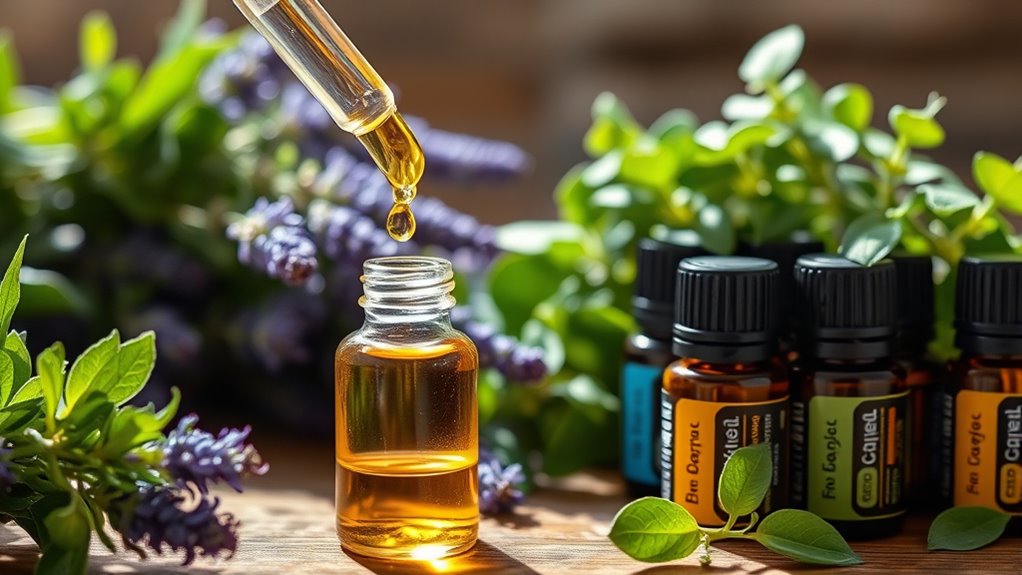

To understand essential oils and their safety, it’s important to choose high-quality oils and use proper diffusion techniques to prevent irritation. Always follow manufacturer instructions and avoid overuse, especially with potent methods like nebulizers. Store oils in dark, airtight bottles away from heat and light to maintain their potency. Being aware of individual sensitivities helps prevent adverse reactions. With careful use, you can enjoy their benefits safely—keep exploring to learn more about how to make the most of your oils.
Open a free Amazon Business account
Business pricing, bulk buying and tax-exempt orders.
As an affiliate, we earn on qualifying purchases.
Key Takeaways
- Use high-quality, pure essential oils to ensure safety and maximize therapeutic benefits.
- Follow recommended diffusion methods and manufacturer instructions to prevent irritation or damage.
- Store oils in dark, airtight bottles in a cool, dry place to maintain potency and avoid degradation.
- Be aware of individual sensitivities and perform patch tests before extensive use.
- Avoid direct skin contact or ingestion unless guided by a qualified aromatherapy professional.
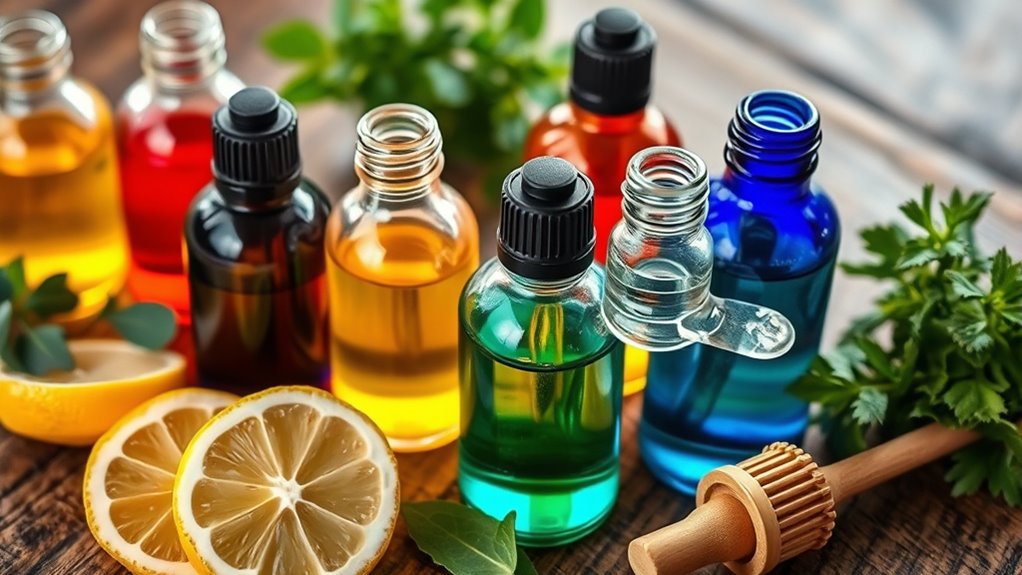
Are you curious about how essential oils work and how to use them safely? If so, understanding the different diffusion methods and proper storage tips is vital. Diffusion methods are among the most popular ways to enjoy essential oils, as they disperse the aromatic molecules into the air, creating a calming or invigorating environment. You can choose from various diffusion options, such as ultrasonic diffusers, which use water and vibrations to spread the scent softly; nebulizers, which break down pure oil into fine mist for a more potent aroma; or heat diffusers, which warm oils to release their fragrance. Each method offers unique benefits and is suitable for different spaces or preferences. For instance, ultrasonic diffusers are quiet and safe, making them ideal for bedrooms or workspaces. Nebulizers are more intense, perfect for quick, effective scent dispersal, but they tend to use more oil. When using any diffuser, always follow the manufacturer’s instructions to avoid overuse or damage. Proper diffusion not only enhances your environment but also helps you experience the therapeutic benefits of the oils without risking irritation or adverse reactions. Additionally, understanding the importance of appropriate essential oil quality can ensure you receive the full benefits and avoid potential safety issues.
Equally important is how you store your essential oils. Proper storage tips can considerably extend their shelf life and preserve their potency. Keep your oils in dark, airtight bottles, preferably made of glass, to prevent exposure to sunlight and air, which can degrade the quality. Store them in a cool, dry place away from heat sources, like radiators or direct sunlight, as heat can alter their chemical composition. Make sure to tightly seal the bottles after each use to prevent evaporation and contamination. Label your oils clearly and organize them systematically so you can easily find what you need without unnecessary shaking or opening multiple bottles. If you have a large collection, consider storing oils in a dedicated box or drawer that maintains a stable temperature. Remember, some oils are more delicate than others; citrus oils, for example, tend to degrade faster when exposed to light and heat. Regularly check your oils for any changes in scent, color, or consistency, and discard any that no longer smell or look right. Proper storage not only maintains the oils’ effectiveness but also keeps your environment safe from accidental spills or misuse.
ultrasonic essential oil diffuser
As an affiliate, we earn on qualifying purchases.
As an affiliate, we earn on qualifying purchases.
Frequently Asked Questions
Can Essential Oils Replace Medical Treatments?
You shouldn’t rely on essential oils as a replacement for medical treatments. While they can be part of alternative health and natural remedies, they aren’t proven to cure serious conditions. Instead, use essential oils to support your well-being alongside professional medical advice. Always consult with a healthcare provider before substituting any medical treatment with natural remedies, ensuring your health stays safe and effective.
Are There Any Age Restrictions for Using Essential Oils?
Pondering pediatric application and senior safety, you’ll want to prioritize precautions. Kids and elders are more sensitive, so age restrictions definitely matter. For children, dilute essential oils heavily and avoid certain potent oils altogether. Seniors should always check for possible interactions with medications. Always consult a healthcare provider before use, follow recommended guidelines, and monitor reactions. Proper precautions help you protect loved ones while enjoying the benefits of essential oils safely.
How Should I Store Essential Oils for Safety?
You should store your essential oils in proper storage containers, ideally dark glass bottles, to safeguard them from light and air. Keep them in a cool, dry place away from direct sunlight and heat sources to maintain their shelf life. Always tightly seal the bottles after use to prevent oxidation and evaporation. Proper storage ensures your oils stay safe, potent, and effective for longer periods.
Can Essential Oils Cause Allergic Reactions?
Yes, essential oils can cause allergic reactions in some people. You might experience allergic symptoms like sneezing, itching, or skin reactions such as redness or swelling. To avoid this, always do a patch test before using a new oil. If you notice any adverse reactions, stop using the oil immediately and consult a healthcare professional. Being cautious helps prevent uncomfortable or serious allergic symptoms.
Are Synthetic Fragrances Safe Compared to Pure Essential Oils?
Synthetic fragrances can seem harmless, but they’re often loaded with chemical additives that might cause irritation or allergies. Unlike pure essential oils, which are natural and generally safer, synthetic fragrances can be an invisible threat lurking in your products. You might not notice the subtle harm until it’s too late, so always check labels and opt for products with natural ingredients to protect your health and well-being.
nebulizer essential oil diffuser
As an affiliate, we earn on qualifying purchases.
As an affiliate, we earn on qualifying purchases.
Conclusion
Now that you understand the power of essential oils, remember that their strength can be both a gift and a risk. While they offer natural healing and relaxation, improper use can cause harm. Embrace their benefits with respect and caution, balancing curiosity with responsibility. The beauty of essential oils lies in their dual nature—potent yet safe when approached wisely. By staying informed, you guarantee your journey with these oils remains both enriching and safe.
dark glass essential oil storage bottles
As an affiliate, we earn on qualifying purchases.
As an affiliate, we earn on qualifying purchases.
As an affiliate, we earn on qualifying purchases.
Flea & tick season Picks
flea and tick prevention
As an affiliate, we earn on qualifying purchases.