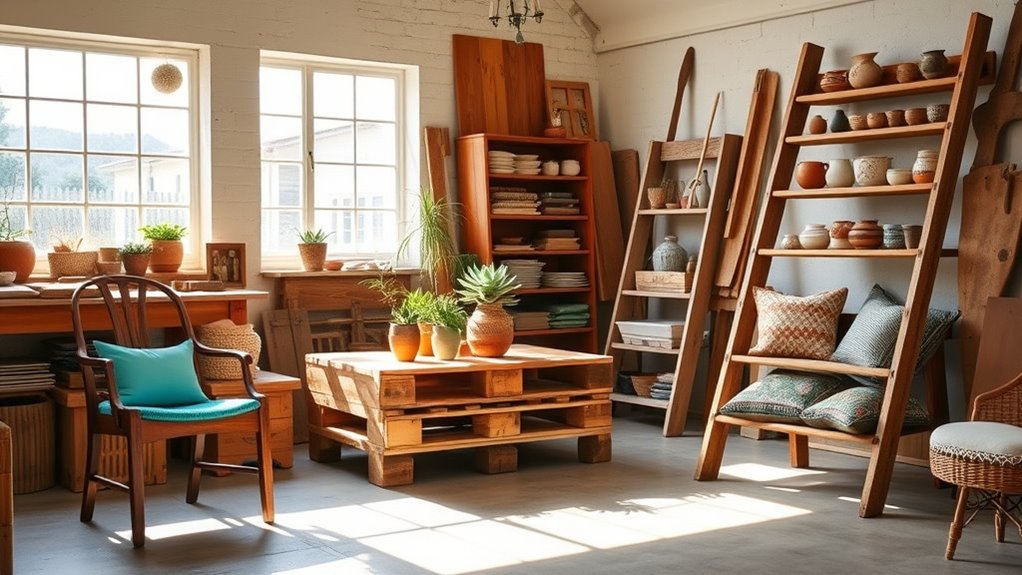

You can embrace sustainable DIY projects by upcycling furniture and decor, turning old items into stylish, eco-friendly pieces. Use techniques like sanding, painting with water-based, low-VOC paints, and sealing with natural products like beeswax. Reuse materials such as reclaimed wood, glass jars, and fabric scraps for creative decor. Choosing recycled materials and natural finishes helps reduce waste and your ecological footprint. Keep exploring to discover inspiring ideas and methods to make your home both beautiful and environmentally responsible.
Key Takeaways
- Use reclaimed materials like pallets, glass jars, and fabric scraps to create unique, eco-friendly furniture and decor items.
- Apply non-toxic, water-based paints and natural finishes such as beeswax or plant oils for sustainable surface treatments.
- Transform old furniture with sanding, eco-friendly painting, and natural sealants to give new life while minimizing environmental impact.
- Incorporate creative techniques like mosaicking broken ceramics or repurposing discarded items for functional decor.
- Source materials from thrift stores, garage sales, or curbside pickups to reduce waste and promote resourcefulness.
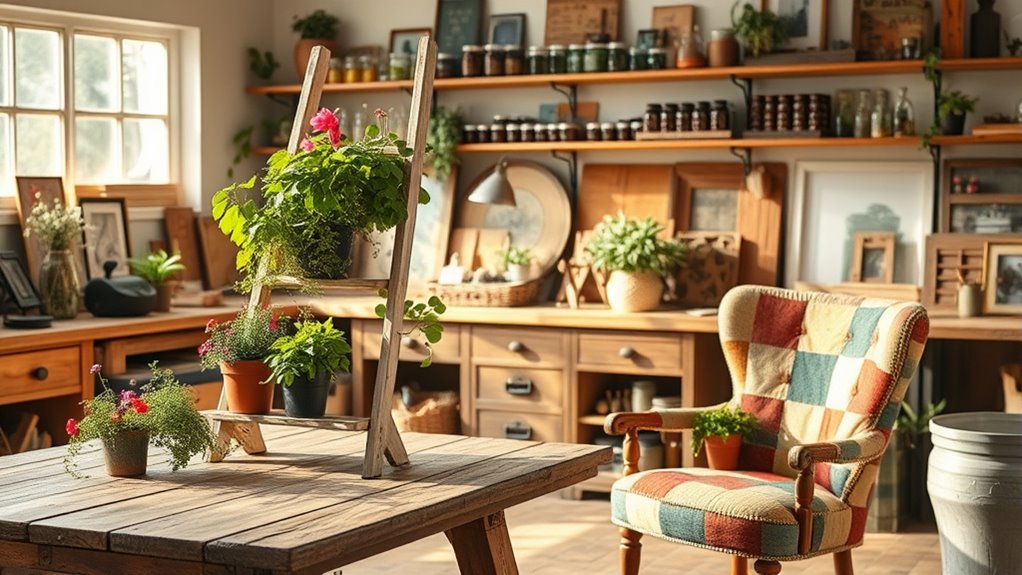
Have you ever wondered how you can make a positive impact on the environment from your own home? One way is by exploring sustainable DIY projects, especially upcycling furniture and decor. It’s easier than you think to give old items new life, and in doing so, you help reduce waste and minimize your ecological footprint. The key is recycling old materials, transforming clutter into creative, functional pieces that add character to your space. Instead of discarding worn-out furniture, consider sanding down and repainting it using eco friendly painting techniques. These methods avoid toxic fumes and harsh chemicals, making your project safer for both you and the environment.
Upcycling is all about seeing potential where others see trash. For example, an old wooden pallet can become a chic coffee table or a garden planter with a bit of effort. You can strip off old paint or finishes, then sand the surface smooth, preparing it for a fresh coat. When choosing paint, opt for non-toxic, water-based options that are low in volatile organic compounds (VOCs). These eco friendly painting techniques not only protect your health but also lessen air pollution. Using recycled materials like glass jars, tin cans, or reclaimed wood to craft planters, storage containers, or decorative accents is another smart way to repurpose old items.
Transform old wooden pallets into stylish coffee tables or garden planters with eco-friendly finishes.
The process of recycling old materials doesn’t end with just furniture. You can create unique decorative elements by repurposing leftover tiles, fabric scraps, or broken ceramics. For example, broken plates can be mosaicked into a vibrant tabletop or wall art, giving broken items a second chance. When you combine this with eco friendly painting techniques, you ensure that your projects are sustainable from start to finish. Paint with natural dyes or plant-based stains whenever possible, and always prioritize environmentally friendly finishes like beeswax or plant oils to seal and protect your creations.
Getting creative with upcycling also means keeping an eye out for discarded treasures at thrift stores, garage sales, or curbside pickups. With a little imagination, you can turn these finds into stunning, eco-conscious decor. Remember, the goal is to extend the life of materials and reduce waste, which makes every project a small but meaningful step toward sustainability. Additionally, learning about celebrity transformations and their innovative approaches can inspire your own eco-friendly projects, demonstrating that sustainability can be stylish and trendy. By recycling old materials and using eco friendly painting techniques, you’re not just beautifying your home—you’re actively contributing to a healthier planet. It’s a rewarding process that combines creativity with responsibility, proving that sustainability can be both practical and inspiring.

Jolie Finishing Wax – Protective topcoat Paint – Use on interior furniture, cabinets, walls, home decor and accessories – Odor-Free, Non-Hazardous – White – 120 ml
- Type: Finishing Wax for protection
- Application: Interior furniture, cabinets, walls
- Odor: Odor-Free and Non-Hazardous
As an affiliate, we earn on qualifying purchases.
As an affiliate, we earn on qualifying purchases.
Frequently Asked Questions
What Are the Best Eco-Friendly Paints for Furniture Upcycling?
You should choose eco-friendly paints like those made with natural pigments and low VOC paints for your furniture upcycling. Natural pigments, derived from minerals, plants, and other sustainable sources, provide vibrant colors without harmful chemicals. Low VOC paints emit fewer volatile organic compounds, making them safer for you and the environment. These options help you achieve beautiful, sustainable finishes while reducing your ecological footprint, perfect for eco-conscious DIY projects.
How Can I Ensure Safety When Using Upcycling Tools?
To guarantee safety when using upcycling tools, follow essential safety precautions like wearing protective gear and working in a well-ventilated area. Always check your tools for proper maintenance before use, such as inspecting for damage or dull blades. Keep your workspace organized to prevent accidents, and unplug tools when not in use. Staying mindful of safety precautions and maintaining your tools helps you work efficiently while avoiding injuries.
What Are Cost-Effective Sources for Sustainable Materials?
You can find cost-effective sustainable materials at recycling centers and thrift stores, which often offer unique, affordable items perfect for upcycling. Recycling centers are great for sourcing discarded wood, metal, and glass that you can repurpose, while thrift stores provide furniture and decor with potential for creative transformation. Both options save money and reduce waste, making your DIY projects eco-friendly and budget-conscious.
How Do I Choose the Right Finishing for Upcycled Furniture?
Imagine revealing the furniture’s true beauty — your choice of finishing makes all the difference. To select the right finishing, consider your piece’s use and style. Opt for eco-friendly sealants that safeguard without harming the environment. Explore finishing techniques like staining, painting, or sealing, and match them to your desired look. By choosing sustainable options, you guarantee your upcycled piece remains beautiful and eco-conscious for years to come.
Are There Any Certifications to Look for in Eco-Friendly Craft Supplies?
You should look for eco labels that meet recognized standards, ensuring your craft supplies are genuinely eco-friendly. Be aware of recycling myths that can lead you astray, and rely on certifications like Green Seal or FSC. These labels follow strict eco label standards, guaranteeing that your materials are sustainable and non-toxic. Always verify the certification to avoid false claims and make environmentally responsible choices for your DIY projects.
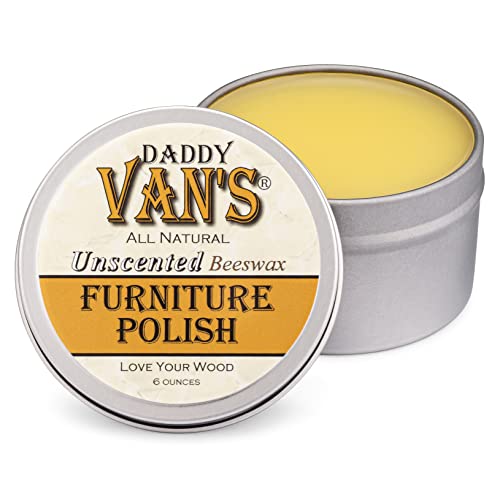
Daddy Van's All Natural Beeswax Furniture Polish, Unscented
- All-Natural Beeswax and Carnauba: Nourishes and protects wood surfaces
- Food-Safe and Non-Toxic: Safe for kitchen and food-contact surfaces
- Restores and Enhances Wood: Brings out natural shine and repairs damage
As an affiliate, we earn on qualifying purchases.
As an affiliate, we earn on qualifying purchases.
Conclusion
By choosing to upcycle furniture and decor, you not only give old items new life but also reduce waste and your environmental impact. Some skeptics believe eco-friendly projects aren’t practical or stylish enough, but evidence shows sustainable DIY can be both beautiful and functional. When you invest time in these projects, you’re supporting a healthier planet. So, trust in the power of upcycling—your efforts truly make a difference, proving sustainability can be both stylish and impactful.

Wood Pallet DIY Projects: 20 Building Projects to Enrich Your Home, Your Heart & Your Community (Fox Chapel Publishing) Make One-of-a-Kind Useful Items for Your Home and Garden from Reclaimed Wood
As an affiliate, we earn on qualifying purchases.
As an affiliate, we earn on qualifying purchases.

Glass Bottles with Cork,Decorative Glass Bottles with Cork Lids for DIY Art Crafts,Spell Jar,Small Glass Jars.
- Perfect for DIY Crafts: Small glass bottles with cork lids
- Secure Seal for Contents: Cork lids keep items fresh and safe
- Versatile Decorative Use: Ideal for storing herbs, oils, or trinkets
As an affiliate, we earn on qualifying purchases.
As an affiliate, we earn on qualifying purchases.