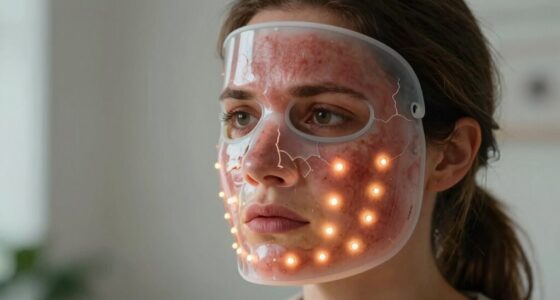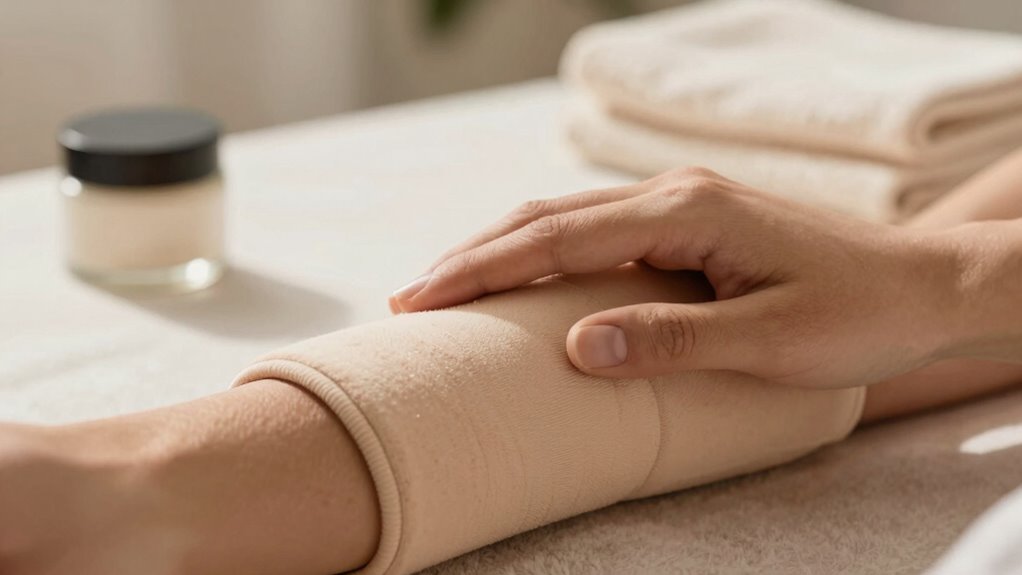

The compression recovery trend has shifted from clinical and athletic use into everyday self-care, making it easier for you to boost circulation and improve muscle health daily. More people now use compression garments for wellness and discomfort relief, not just sports or post-surgery recovery. Advances in comfort and customization are making these solutions more accessible and effective. If you stay curious, you’ll discover how this trend can benefit your overall energy and everyday well-being.

Get gifts for the two of you delivered free with Prime
- Fast, free delivery on millions of items
- Prime Video, Amazon Music and more included
- Member-only deals all year
Key Takeaways
- Compression therapy has shifted from medical and athletic settings to daily wellness routines for improved circulation and muscle health.
- Advances in garment design now prioritize comfort and customization, making compression accessible for everyday use.
- Scientific research increasingly supports compression’s role in enhancing energy, recovery, and overall vitality in routine self-care.
- Consumers use compression wear at home for non-invasive recovery, injury prevention, and proactive health management.
- The trend reflects a broader integration of compression into modern self-care, emphasizing convenience, comfort, and health benefits.
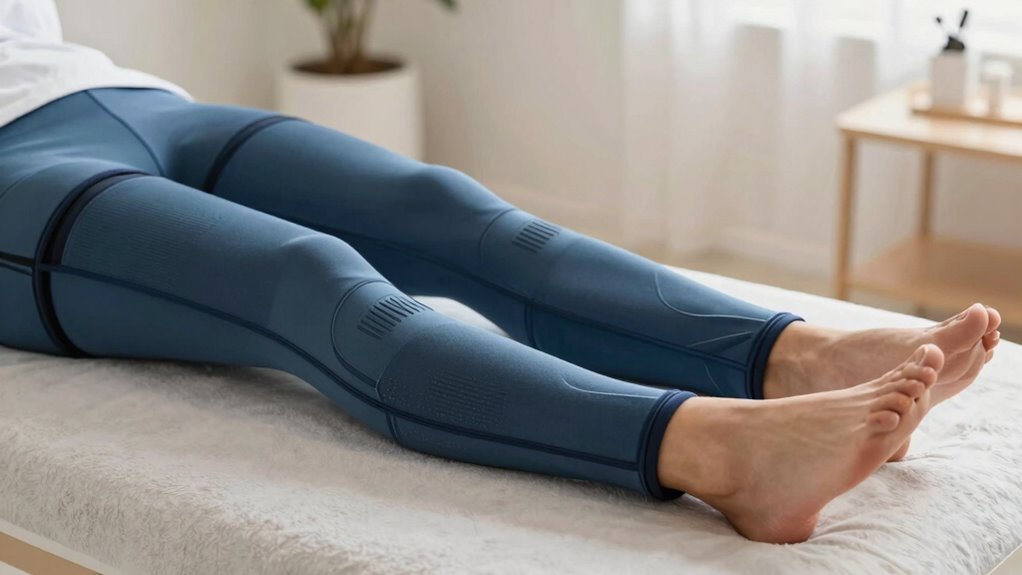
Have you noticed how compression recovery techniques are transforming industries today? What once was confined to sports medicine or clinical settings is now a staple in everyday self-care routines. This shift is driven by a growing understanding of how compression can enhance athletic performance and aid post-surgery therapy, making it accessible and practical for anyone looking to improve their health and well-being. You’re probably already familiar with compression garments for sports; these help reduce muscle fatigue and speed up recovery after intense workouts. But now, the benefits extend far beyond the gym. More people are turning to compression as a way to manage daily discomfort, improve circulation, and boost overall vitality.
In the domain of athletic performance, compression gear has become almost indispensable. Athletes wear compression sleeves or tights to keep muscles warm, prevent injuries, and recover faster. The active compression stimulates blood flow, decreasing muscle soreness and reducing downtime. It’s not just for professionals—many fitness enthusiasts use it to get the most out of each workout and recover more efficiently. The technology behind compression is advancing, making garments more comfortable and tailored to individual needs. This means you can incorporate compression into your routine without sacrificing comfort, whether you’re running, cycling, or doing yoga.
Post-surgery therapy is another area where compression has made a significant impact. Medical professionals now recommend compression stockings and sleeves to patients recovering from surgeries like varicose vein treatments, liposuction, or joint replacements. The goal is to prevent swelling, promote blood flow, and reduce the risk of complications. What used to require extensive medication or prolonged rest now often involves a simple, non-invasive approach. You might find yourself using compression therapy at home, especially during the early stages of recovery, to support the healing process and regain mobility faster.
This trend is crossing into everyday self-care because it’s both effective and easy to integrate into daily routines. People are realizing that maintaining good circulation and muscle health isn’t just for athletes or post-surgical patients—it’s a proactive way to stay energized and comfortable. Whether you’re looking to improve your athletic performance, recover from surgery, or simply feel better throughout the day, compression offers a versatile solution. As research continues to validate its benefits, it’s clear that compression recovery techniques are no longer just medical tools but essential parts of modern self-care.
Products Worth Considering

Hyperice Normatec Elite Wireless Compression Boots Recovery – Standard Size

Hyperice Normatec 3 Leg Compression Boots – Standard Size

BowFlex Results Series SelectTech Dumbbells
As an affiliate, we earn on qualifying purchases.
Frequently Asked Questions
How Long Should I Wear Compression Gear Daily?
You should typically wear compression gear for about 6 to 8 hours daily, depending on your needs and comfort. The compression duration varies based on your activity level and goals, so listen to your body. If you’re using it for recovery or circulation, it’s best to wear it during the day and remove it at night. Always follow the manufacturer’s guidelines or consult a healthcare professional for personalized advice.
Are Compression Recovery Products Suitable for All Ages?
Compression recovery products aren’t suitable for all ages; age considerations are important. Younger children and older adults may have sensitive skin or medical conditions that affect compatibility. Always check product labels for age recommendations and consult a healthcare professional if you’re unsure. Ensuring product compatibility with your age and needs helps prevent discomfort or potential health issues, making compression gear safe and effective for the right individuals.
Can Compression Therapy Replace Traditional Rest and Recovery?
Did you know that 70% of athletes report improved recovery with compression therapy? While it’s a popular recovery tool, it can’t fully replace traditional rest and recovery. Compression myths suggest it’s a magic solution, but recovery science shows it complements, not replaces, proper rest. Use compression therapy as part of your recovery routine, but prioritize sleep, hydration, and active rest for best results.
What Are the Potential Risks of Improper Compression Use?
Improper compression use can cause skin irritation and circulation issues. If you wear compression garments too tightly or for too long, you might experience redness, itching, or swelling. Poor fit or excessive pressure can restrict blood flow, leading to discomfort or even nerve damage. Always follow guidelines, guarantee proper sizing, and consult a healthcare professional if you notice skin irritation or circulation problems to avoid these risks.
How Does Compression Aid in Muscle Recovery?
They say, “A stitch in time saves nine,” and compression helps you recover faster. By improving circulation, compression reduces muscle soreness and flushes out lactic acid buildup. This increased blood flow delivers oxygen and nutrients more efficiently, speeding up recovery. As a result, your muscles heal quicker, soreness diminishes, and you can get back to your routine sooner, feeling refreshed and ready to go.
Conclusion
As you embrace the compression recovery trend, you’re not just improving your self-care routine—you’re revolutionizing it. These innovative garments have the power to transform your recovery process into something almost miraculous, turning fatigue into energy with astonishing speed. By integrating compression wear into your daily life, you’re stepping into a world where your well-being reaches new heights, proving that self-care today is more dynamic and impactful than ever before.