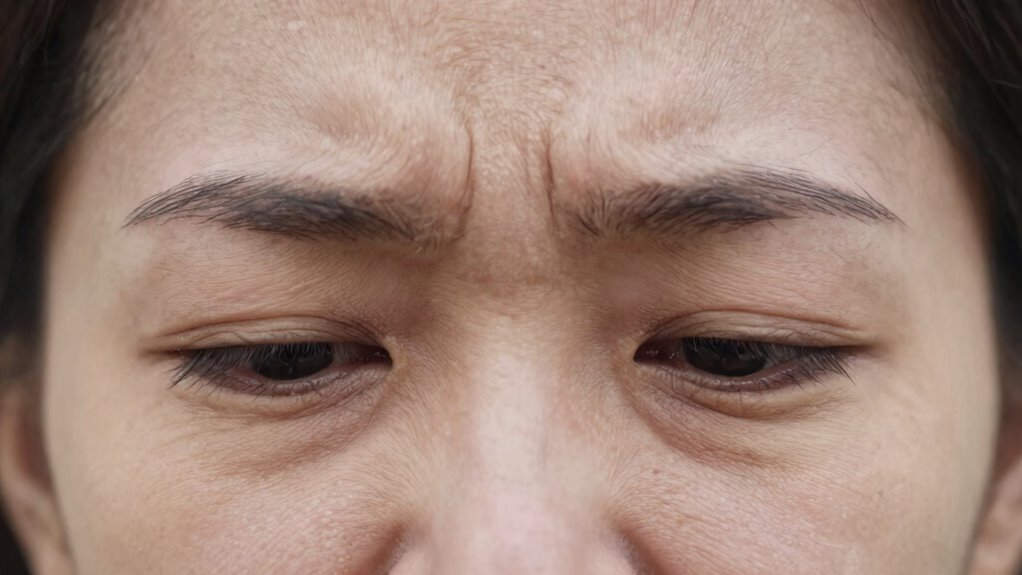

Stress impacts your skin quickly because it triggers hormone releases like cortisol and adrenaline, which can cause inflammation, redness, and breakouts almost overnight. Your skin’s immune response overreacts to internal chaos, leading to irritation and dullness, especially when the skin barrier weakens. Hormonal shifts also affect oil production, making you more prone to acne or dryness. If you want to understand how stress shows up so fast and what to do about it, keep exploring.

Get gifts for the two of you delivered free with Prime
- Fast, free delivery on millions of items
- Prime Video, Amazon Music and more included
- Member-only deals all year
Key Takeaways
- Stress triggers hormone release like cortisol, which weakens the skin barrier and causes visible reactions quickly.
- Elevated cortisol increases inflammation, leading to redness, puffiness, and breakouts within a short period.
- Hormonal fluctuations from stress influence oil production, causing acne or dryness that manifests rapidly.
- Stress-induced immune response overreacts, resulting in inflammation and skin irritation visible sooner.
- The skin reflects internal stress levels promptly, showing signs like redness, dullness, or irritation almost immediately.
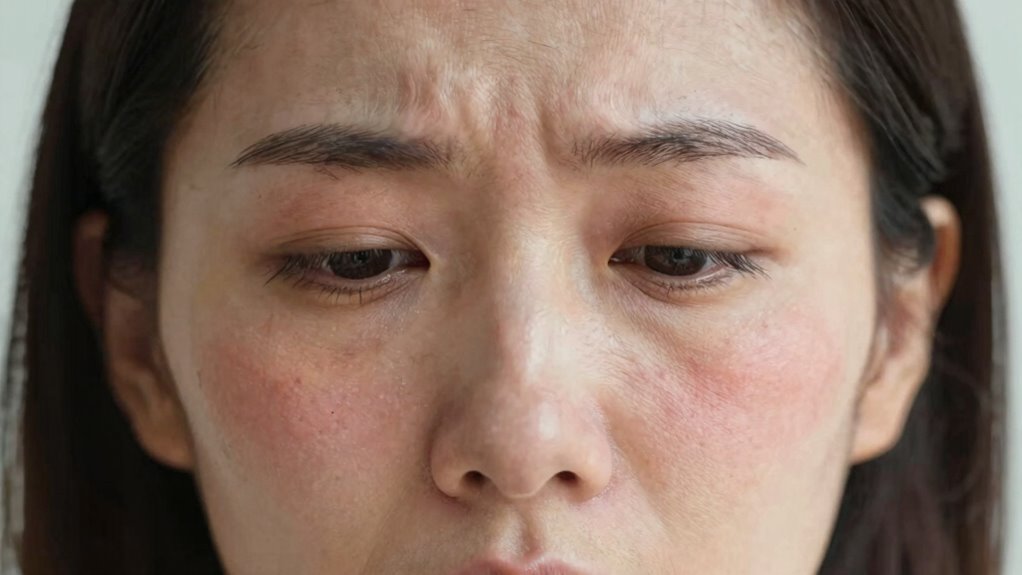
Stress often makes its mark on your skin faster than you realize, acting as an immediate warning sign of your body’s internal struggles. When you’re stressed, your body releases hormones like cortisol and adrenaline, which directly affect your skin’s health. These hormonal fluctuations can trigger breakouts, redness, and even dullness, revealing your stress levels more quickly than you might expect. Your skin is highly sensitive to these internal changes, and it responds by signaling that something’s off.
One of the key ways stress impacts your skin is by weakening the skin barrier function. The skin barrier acts as your first line of defense against environmental irritants, bacteria, and moisture loss. When you’re under stress, elevated cortisol levels can compromise this barrier, making your skin more vulnerable to pollutants, harsh weather, and allergens. As a result, you may notice increased dryness, irritation, or sensitivity. The weakened barrier also hampers your skin’s ability to retain moisture, leading to a dull, flaky appearance and even exacerbating conditions like eczema or dermatitis. Recognizing skin barrier health as a critical factor can help you better protect your skin from internal and external stressors. Additionally, understanding how stress affects hormonal fluctuations can guide you in developing strategies to maintain balanced hormones and healthier skin. It’s also important to note that stress management techniques can play a vital role in supporting your skin’s resilience.
Hormonal fluctuations caused by stress don’t just affect the skin’s surface; they also influence how your skin produces oil. Increased cortisol can stimulate excess oil production, clogging pores and leading to acne or breakouts. Conversely, prolonged stress can suppress certain hormones that keep your skin hydrated, making it dry and flaky. This hormonal imbalance creates a cycle where your skin constantly reacts to internal turmoil, showing signs of stress faster than you might realize.
You might notice that even minor stressors can cause your skin to react suddenly — a breakout appearing overnight or redness flaring up unexpectedly. That’s because your skin is intimately connected to your nervous system and hormonal health. When your stress levels spike, your skin’s immune response can become overactive, leading to inflammation. This inflammation manifests as redness, puffiness, or irritation that you see on the surface.
In essence, your skin acts as a mirror to your emotional and hormonal state. Stress triggers a cascade of hormonal changes that impact your skin barrier function and oil regulation, making the effects visible much sooner than you might think. Recognizing these early signs can help you intervene, whether by managing stress better, adjusting your skincare routine, or seeking professional advice. Your skin isn’t just about appearance; it’s a clear indicator of your overall health and well-being, responding quickly to the internal chaos that stress brings. Understanding hormonal impact is crucial for effective skin care and stress management.
As an affiliate, we earn on qualifying purchases.
Frequently Asked Questions
Can Skincare Products Help Reduce Stress-Related Skin Issues?
Yes, skincare products can help reduce stress-related skin issues. By practicing mindful skincare, you focus on gentle, calming routines that soothe your skin and mind simultaneously. Incorporating relaxation techniques like deep breathing or meditation during your skincare routine enhances its stress-relieving effect. This approach not only helps manage skin problems but also promotes overall well-being, making your skincare routine a peaceful, rejuvenating experience.
How Long Does It Take for Stress to Appear on Skin?
Stress triggers can manifest on your skin surprisingly swiftly—sometimes within just a few days. You’ll notice redness, breakouts, or dullness as your skin’s resilience weakens under pressure. Because stress impacts skin quickly, you should prioritize proper skincare and relaxation routines. The sooner you address stress triggers, the faster your skin can bounce back, restoring its natural glow and resilience. Remember, proactive care prevents persistent skin problems.
Are Certain Skin Types More Prone to Stress-Induced Problems?
Yes, certain skin types are more prone to stress-induced problems. If you have genetic predispositions or sensitive skin, stress can cause more noticeable issues like breakouts, redness, or irritation. Your skin’s sensitivity makes it harder to cope with stress, leading to quicker and more visible reactions. Being aware of your skin type helps you better manage stress-related skin concerns and adopt targeted skincare routines to protect your skin.
Can Diet Influence Stress-Related Skin Conditions?
Think of your skin as a mirror reflecting your diet impact—what you eat directly influences how stress shows up. Nutrition strategies like adding antioxidants, omega-3s, and staying hydrated can help reduce inflammation and calm skin. A balanced diet supports your body’s ability to handle stress better, preventing breakouts and irritation. Yes, your diet has a powerful role in managing stress-related skin conditions, so choose nourishing foods wisely.
Is Stress-Related Skin Damage Reversible?
Yes, stress-related skin damage is often reversible. When you reduce stress, hormonal fluctuations stabilize, allowing your skin’s immune response to improve. This helps diminish inflammation, redness, and breakouts caused by stress. Consistent self-care, such as proper skincare, healthy diet, and relaxation techniques, supports healing. Over time, your skin can regain its natural glow, showing that managing stress not only benefits your mind but also restores your skin’s health.
hyaluronic acid moisturizer for dry skin
As an affiliate, we earn on qualifying purchases.
As an affiliate, we earn on qualifying purchases.
Conclusion
Remember, your skin’s subtle signals are like gentle whispers from within, hinting at the stress you might not even realize you’re carrying. When you ignore these signs, it’s as if you’re letting small cracks deepen unnoticed. Taking time to relax and care for yourself can keep those whispers from becoming louder echoes. By tending to your inner peace, you help your skin stay vibrant and resilient, turning down the volume on stress’s quiet but persistent song.
anti-inflammatory skincare products
As an affiliate, we earn on qualifying purchases.
As an affiliate, we earn on qualifying purchases.
As an affiliate, we earn on qualifying purchases.
Fall Picks
fall essentials
As an affiliate, we earn on qualifying purchases.