

TL;DR

Get gifts for the two of you delivered free with Prime
- Fast, free delivery on millions of items
- Prime Video, Amazon Music and more included
- Member-only deals all year
Donald Trump has displayed unexpectedly shy and reactive behavior recently, avoiding public statements and showing signs of uncertainty. This shift comes amid complex international and domestic issues, including Iran negotiations and political setbacks.
Donald Trump has exhibited a marked decrease in his typical assertiveness, appearing more reserved and reactive in recent public statements and actions. This shift in demeanor is notable given his historically combative and outspoken style, and it occurs amid mounting political and international pressures. Did Trump actually help Venezuela?
Over the past week, Trump has shown reluctance to publicly endorse or aggressively pursue certain foreign policy initiatives, such as the Iran negotiations. He has made conflicting statements about whether talks are ongoing, at one point claiming he doesn’t care if negotiations end, and shortly afterward suggesting they are still active. Additionally, his administration’s efforts on domestic projects, including the 250th anniversary celebrations and the Kennedy Center overhaul, have faced setbacks, with Trump expressing frustration and uncertainty about their future. Experts suggest this change in tone may reflect internal doubts, strategic recalibration, or a reaction to increased scrutiny and opposition from both political parties and international actors.
Why It Matters
This shift in Trump’s behavior is significant because it may indicate a broader change in his approach to leadership, diplomacy, and political strategy. His apparent reluctance to assert dominance or engage aggressively could influence upcoming negotiations and domestic initiatives. It also raises questions about his mental and emotional state, and whether this indicates a retreat from previous confrontational tactics. For supporters and opponents alike, understanding this change is crucial for predicting future actions and assessing the stability of his political posture.
Products Worth Considering
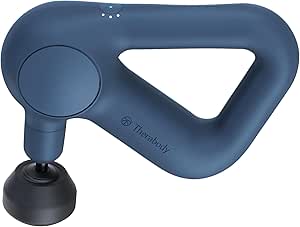
Therabody Theragun Relief Massage Gun, 3-Speed, Navy

TheraGun Therabody PRO Plus 6-in-1 Deep Tissue Massage Gun, Black

Therabody Theragun Mini 3rd Generation Massage Gun, Black
As an affiliate, we earn on qualifying purchases.
Background
Historically, Donald Trump has been characterized by his outspoken, often confrontational style, especially in foreign policy and domestic politics. Recent weeks have seen a series of setbacks, including failed negotiations with Iran, internal disputes over national celebrations, and legal challenges to his initiatives. These developments, combined with increased criticism from both sides of the political spectrum, may be contributing to his more cautious demeanor. The international context, such as Iran’s recent escalation and the uncertainty surrounding negotiations, further complicates his decision-making environment. Did Trump actually help Venezuela?
“Trump’s recent behavior suggests a rare moment of self-doubt or strategic retreat, possibly driven by the mounting pressures he faces from multiple fronts.”
— Political analyst Jane Smith
“The shift might be temporary, or it could signal a deeper change in how Trump approaches leadership, especially when faced with complex international and domestic crises.”
— Former advisor John Doe
What Remains Unclear
It is still unclear whether Trump’s shyness is a temporary response to current pressures or indicative of a longer-term strategic shift. The reasons behind his reduced assertiveness—whether emotional, political, or strategic—remain uncertain. Additionally, how this change will impact upcoming negotiations and policies is yet to be seen.
What’s Next
Next steps include monitoring Trump’s public statements and actions, particularly regarding Iran negotiations, domestic initiatives, and legal developments. Did Trump actually help Venezuela? Observers will also watch for any signs of renewed assertiveness or further retreat, which could signal shifts in his political strategy or personal state.
Key Questions
Why is Donald Trump acting more reserved lately?
While the exact reasons are not confirmed, analysts suggest it may be due to mounting political and international pressures, legal challenges, or strategic recalibration in response to setbacks and criticism.
Does this mean Trump is losing influence?
Not necessarily. Despite his more cautious tone, recent primaries indicate his grip on the GOP remains strong, though his reaction to opposition shows some vulnerabilities.
Could this shift affect upcoming negotiations or policies?
Yes, a more reserved approach may influence how aggressively he pursues negotiations, potentially leading to more cautious or delayed actions on issues like Iran or domestic projects.
Is this behavior permanent or temporary?
It is currently unclear whether this is a temporary response to current pressures or a sign of a longer-term change in his leadership style.
Source: The Atlantic