
To stop musty smells with a dehumidifier, set it between 40-50% humidity. This range prevents mold growth and reduces moisture that causes odors. Regularly monitor the humidity levels and adjust accordingly, avoiding continuous mode unless necessary. Proper airflow and filter maintenance also improve performance. If odors persist, there are common mistakes you might be making. Keep going to discover how to optimize your settings for a fresher, healthier home.
Key Takeaways
- Set your dehumidifier to maintain indoor humidity between 45-50% to inhibit mold and eliminate musty odors.
- Avoid continuous mode; instead, use a target humidity setting for effective moisture control.
- Regularly clean filters and check water bins to ensure optimal dehumidifier performance.
- Ensure proper airflow and ventilation in your space to enhance odor removal.
- Monitor humidity levels with a sensor and adjust settings accordingly for consistent odor prevention.

1500 Sq. ft Dehumidifier for Basement and Large Room, 21 Pints Dehumidifiers for Home with Drain Hose, Intelligent Humidity Control, 3 Modes, 24H Timer, Ideal for RV, Bathroom, Bedroom
1500 Sq. ft High Efficient Dehumidifier — Equipped with a high-performance compressor, the AIUSEVO dehumidifier is engineered to…
As an affiliate, we earn on qualifying purchases.
As an affiliate, we earn on qualifying purchases.
How Humidity Levels Influence Musty Odors in Your Home
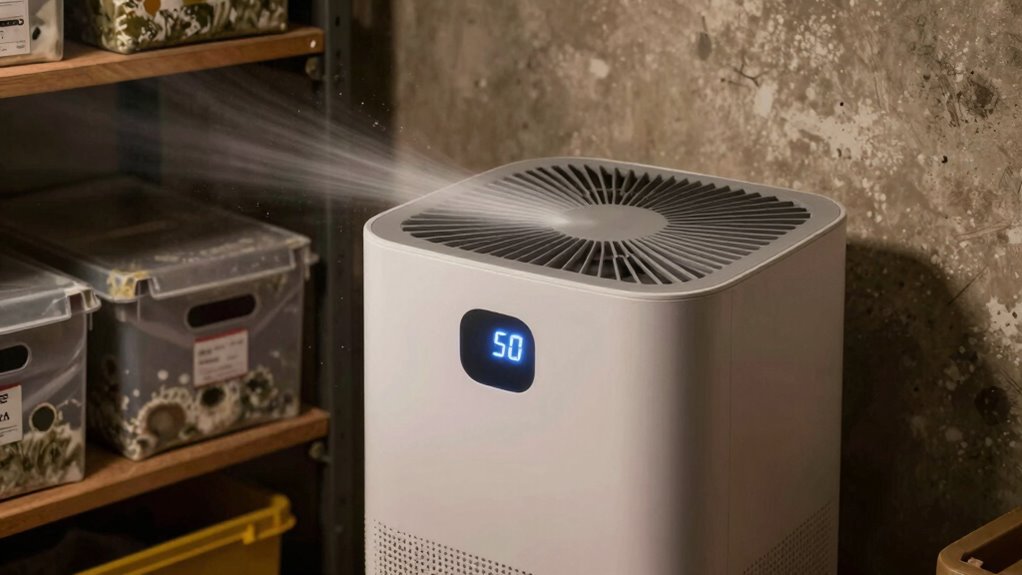
High humidity levels in your home create the perfect environment for musty odors to develop. When the air is too moist, it reduces air quality and encourages mold growth on surfaces like walls, ceilings, and furniture. Mold spores thrive in damp conditions, releasing musty smells that linger and diminish comfort. By maintaining ideal humidity, you can prevent mold from forming and improve overall air quality. Controlling moisture levels helps keep your living space fresh and healthy, reducing the risk of allergy triggers and respiratory issues. Proper humidity balance is essential for mold prevention because it inhibits the damp environment mold needs to grow. Additionally, maintaining optimal humidity levels can help reduce dust mites, which are also sensitive to moisture. Keeping humidity in check safeguards both your home’s air quality and your health, making it a vital step in odor control. When humidity is properly managed, it also helps prevent mold spores from settling and proliferating, further protecting indoor air quality.

ZSZMFH 6 Pack Moisture Absorber & Max Odor Eliminator Hanging Bag, Charcoal Smell Remove Damp Musty Smell,Hanging Closet Dehumidifier Bags with 25g of Activated Charcoal (220g/pack)…
🌱Absorb Excess Moisture(Calcium chloride):Our hanging moisture absorber packets are made using an advanced formula.Spherical calcium chloride enlarges the…
As an affiliate, we earn on qualifying purchases.
As an affiliate, we earn on qualifying purchases.
Finding the Perfect Humidity Setting to Eliminate Musty Smells
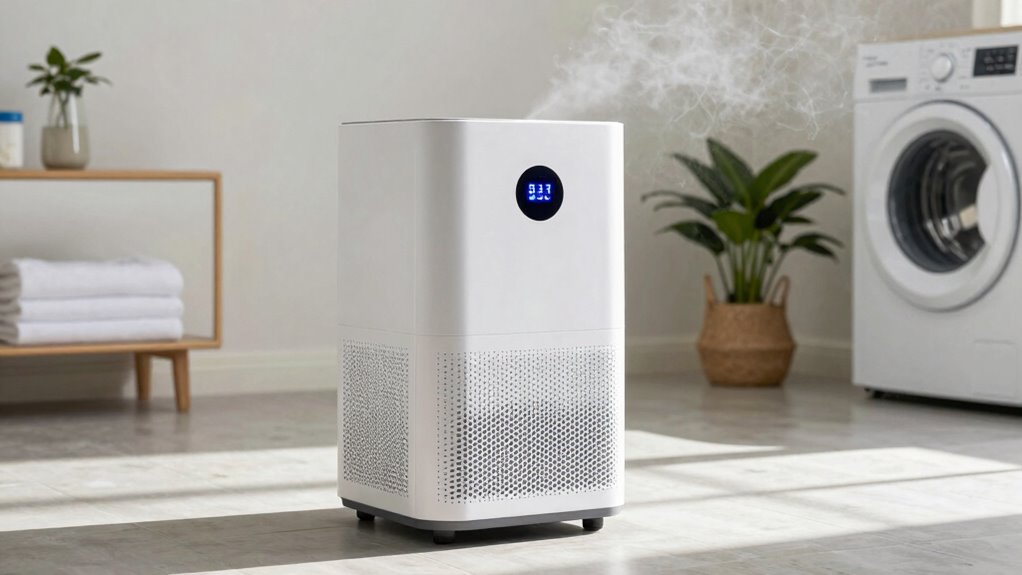
Finding the right humidity setting on your dehumidifier is essential for eliminating musty smells effectively. Keep your indoor environment dry enough to prevent mold growth and odors without over-drying your space. To achieve this, consider these factors:
- Regular dehumidifier maintenance to ensure peak performance
- Maintaining humidity levels between 30-50% for odor control
- Monitoring the impact on indoor plants, which can suffer from overly dry air
- Using eco-friendly disposal methods for your dehumidifier when it’s time for replacement or repair to minimize environmental impact recycling pots/pans
- Understanding how contrast ratio influences the perception of your home’s overall cleanliness and freshness, which can indirectly affect odor perception
- Ensuring your dehumidifier is properly power protected, especially during adverse weather, to prevent damage and maintain consistent operation
- Adjusting your dehumidifier’s settings based on humidity levels to optimize moisture removal without over-drying the space
- Regularly checking and replacing filters to maintain air quality, which directly impacts odor control and overall home freshness
Adjusting the humidity setting to this range helps control moisture without harming your plants or other household elements. Remember, maintaining proper humidity can also reduce excess moisture that fuels musty smells. Proper use and maintenance of your dehumidifier are key to keeping your home fresh and odor-free.

AprilAire 35 Water Panel Humidifier Filter Replacement for AprilAire Whole-House Humidifier Models 300, 350, 360, 560, 560A, 568, 600, 600A, 600M, 700, 700A, 700M, 760, 760A, 768 (Pack of 1)
BUY WITH CONFIDENCE This genuine replacement water panel was designed and manufactured in the USA by AprilAire –…
As an affiliate, we earn on qualifying purchases.
As an affiliate, we earn on qualifying purchases.
How to Adjust Your Dehumidifier to Stop Musty Odors

To effectively eliminate musty odors, you need to adjust your dehumidifier to maintain the ideal humidity level. Set it between 40-50% to prevent mold growth, a common cause of musty smells. Confirm your dehumidifier is working properly and empty the water bin regularly. Regular maintenance ensures optimal performance and odor control. For added freshness, use an air purifier with a HEPA filter to capture airborne mold spores and allergens. Keep your space well-ventilated, especially in damp areas like basements or bathrooms. Proper humidity levels are essential; too high invites mold, while too low can dry out the air. Adjusting your dehumidifier correctly creates an environment inhospitable to mold growth and helps keep your space smelling fresh. Maintaining appropriate moisture control also supports air quality and overall health in your home. Additionally, monitoring your home environment can help identify persistent sources of dampness that contribute to musty odors. Implementing humidity monitoring devices can provide real-time data to help maintain optimal conditions and prevent odor issues.

TempPro TP50 Digital Hygrometer Indoor Thermometer Room Thermometer and Humidity Gauge with Temperature Humidity Monitor(Previously ThermoPro)
Wellness Indicator: This humidity meter with humidity level icon indicates air conditions – DRY/COMFORT/WET, allowing this humidity sensor…
As an affiliate, we earn on qualifying purchases.
As an affiliate, we earn on qualifying purchases.
Common Mistakes When Using a Dehumidifier for Odor Control
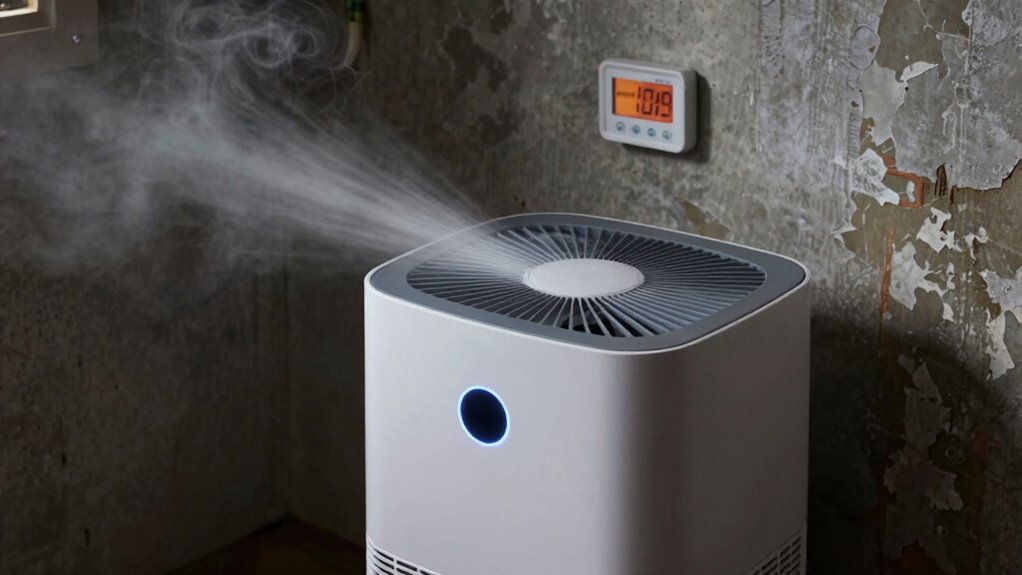
Many people forget to monitor humidity levels, which can prevent their dehumidifier from effectively controlling odors. Additionally, ignoring airflow efficiency can leave some areas under-treated and still smelly. Paying attention to these details helps you get the best results from your dehumidifier. Ensuring proper airflow management can significantly enhance the device’s performance in odor control. Regularly inspecting and adjusting ventilation pathways can further improve overall effectiveness and prevent lingering musty smells. Proper humidity control is essential to maintaining a fresh environment and avoiding mold growth that contributes to odors. Incorporating smart humidity sensors can provide real-time feedback and help maintain optimal conditions for odor prevention. Maintaining consistent air circulation throughout the space can prevent pockets of moisture that lead to odors.
Ignoring Humidity Levels
Ignoring humidity levels can substantially undermine your efforts to control odors with a dehumidifier. If you don’t monitor humidity control, you risk leaving the air too damp or too dry, which hampers odor prevention. Without proper humidity management, musty smells persist or worsen over time. To optimize odor control, consider these points:
- Set your dehumidifier to the ideal humidity level (around 50%) for effective odor prevention.
- Regularly check the humidity sensor to ensure accurate readings.
- Adjust settings based on seasonal changes and room conditions.
- Understanding trusted resources can help you choose the right settings and maintain your dehumidifier effectively.
- Being aware of environmental factors such as ventilation and temperature can further improve odor control efforts.
- Proper maintenance, including cleaning the filters and coils, is essential to ensure the dehumidifier functions at its best for odor control.
- Maintaining consistent humidity levels can prevent moisture buildup, which often leads to musty odors and mold growth.
- Additionally, understanding humidity measurement techniques can help you better monitor and control moisture levels in your space.
Failing to maintain the correct humidity levels means your dehumidifier isn’t working as efficiently as it should, allowing odors to linger. Proper humidity control is key to keeping your space fresh and odor-free.
Overlooking Airflow Efficiency
Proper humidity levels help your dehumidifier work efficiently, but overlooking airflow can still undermine its odor control capabilities. Poor airflow efficiency prevents the unit from circulating air evenly, creating stagnant spots where moisture and odors can build up. To maintain humidity balance and prevent musty smells, make certain vents are unobstructed and the unit is positioned correctly. Regularly clean filters and check for blocked intakes or exhausts that restrict airflow. When airflow is compromised, the dehumidifier struggles to remove excess moisture effectively, allowing odors to persist. Ensuring proper airflow is essential for optimal dehumidifier performance. Optimizing airflow efficiency not only enhances odor control but also helps the device operate smoothly and prolongs its lifespan. Additionally, understanding air circulation principles can further improve your dehumidifier’s effectiveness. Don’t ignore these details—they’re vital for a fresh, odor-free environment.
Additional Tips to Prevent Musty Smells Beyond Dehumidifier Settings
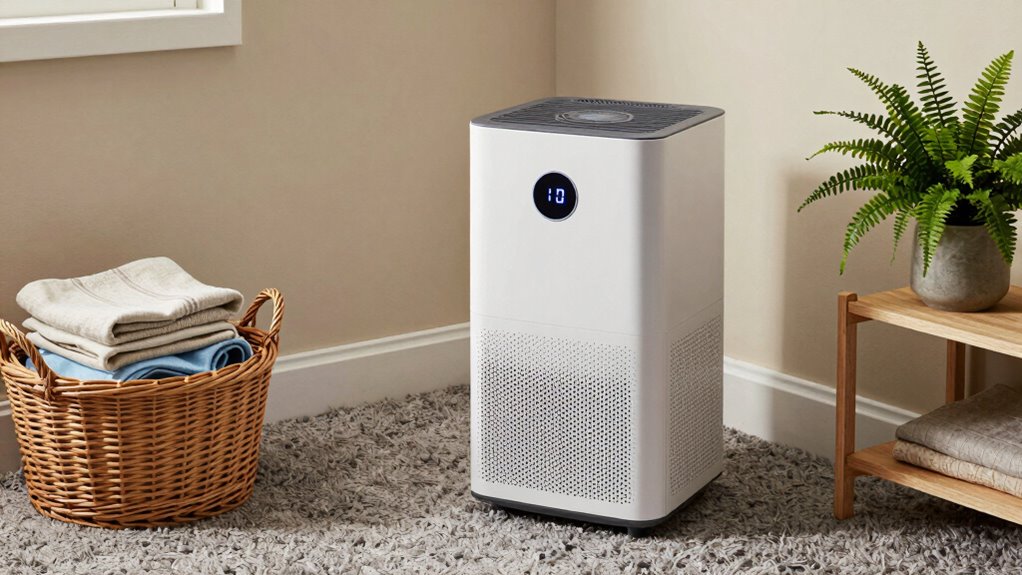
Even with your dehumidifier set correctly, musty smells can persist if you don’t address other sources of moisture and mold. To improve air quality, consider using an air purifier with a mold-resistant filter, which helps remove airborne spores that cause odors. Keep humidity levels consistent and avoid excess moisture by fixing leaks and drying wet areas promptly. Regularly clean and mold-proof surfaces prone to dampness, like basements and storage areas. Additionally, ensure proper ventilation to reduce stale, damp air. These steps create a less hospitable environment for mold growth and odor development. Combining dehumidifier settings with these practices effectively prevents musty smells, keeping your space fresh and healthier.
Troubleshooting Persistent Musty Odors Despite Adjustments

If musty odors persist even after adjusting your dehumidifier, start by checking its settings to make certain it’s operating correctly. Next, inspect ventilation pathways to confirm they’re clear and allowing proper airflow. Addressing these areas can often eliminate lingering smells and improve overall air quality.
Check Dehumidifier Settings
When persistent musty odors remain despite making adjustments, it’s vital to check your dehumidifier’s settings. Incorrect or inconsistent settings can prevent proper moisture control, leading to lingering smells. Make sure your device’s humidity level is set correctly—ideally between 45-50%. Also, verify it’s not in “continuous” mode unless necessary, as this can over-dry the air. Regular humidifier maintenance is essential for peak performance, preventing mold growth that causes odors. Remember, using an air purifier benefits your space by capturing airborne mold spores and allergens. To troubleshoot effectively:
- Confirm the humidity level is appropriate
- Reset or recalibrate your dehumidifier if needed
- Keep filters clean for efficient operation
These steps can help eliminate musty smells and improve overall air quality.
Inspect Ventilation Pathways
Persistent musty odors often persist despite adjusting your dehumidifier settings because moisture can become trapped due to poor airflow. To address this, inspect your ventilation pathways. Start by checking for blocked or clogged air ducts, as debris or dust buildup can hinder airflow and trap moisture. Consider scheduling air duct cleaning to improve circulation. Additionally, ensure proper window ventilation—opening windows periodically allows fresh air to replace stale, moist air that fosters mold and odors. Proper ventilation helps reduce indoor humidity and prevents moisture from lingering in hidden corners or behind walls. By maintaining clear air ducts and promoting regular window ventilation, you’ll help eliminate moisture pockets, making your dehumidifier more effective and reducing persistent musty smells.
When to Consider Professional Help for Odor Problems
Are you noticing stubborn odors that refuse to go away despite your efforts? If odors persist, it’s time to contemplate professional help. Lingering smells can signal underlying issues like mold growth or poor air quality that you might not see or smell easily. Seek expert assistance if:
- Mold prevention measures haven’t stopped the odors
- The smell worsens despite dehumidifier adjustments
- You experience health symptoms like allergies or respiratory problems
Professionals can identify hidden mold, assess your indoor air quality, and recommend advanced solutions. Addressing the root cause early prevents mold from spreading and ensures your home stays fresh. Don’t ignore persistent odors—they could be signs of more serious problems that need expert attention.
Choosing the Best Dehumidifier Setting for Your Space
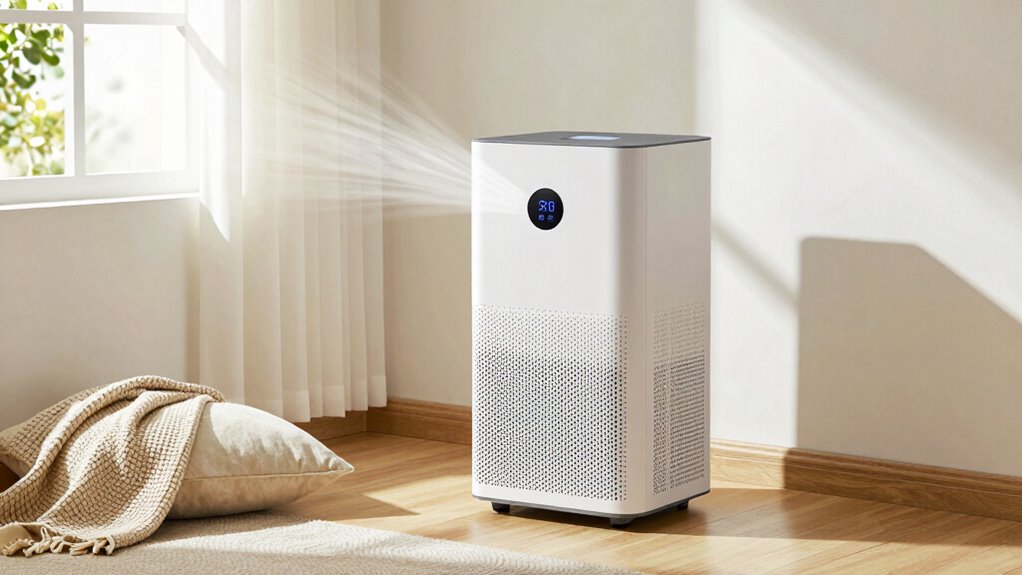
Choosing the right dehumidifier setting is essential to maintaining a comfortable and healthy indoor environment. You want to balance humidity levels to prevent mold growth and reduce musty odors. For spaces prone to dampness, set your dehumidifier between 50-60% humidity. This range helps mold prevention and keeps air fresh. If your home has an air purifier, use it alongside the dehumidifier to improve air quality further. In basements or areas with persistent moisture, consider a higher setting around 50%. For bedrooms and living spaces, aim for 55-60% to ensure comfort without over-drying the air. Regularly monitor humidity levels with a hygrometer, adjusting the dehumidifier as needed to maintain ideal conditions and keep musty smells at bay.
Frequently Asked Questions
Can Dehumidifiers Completely Eliminate All Types of Household Odors?
Yes, dehumidifiers can substantially improve your air quality and help eliminate many household odors, especially those caused by mold growth. By reducing excess moisture, they inhibit mold and mildew, which are common sources of musty smells. However, they might not remove all odors, like pet smells or smoke. For complete odor control, consider combining a dehumidifier with proper cleaning and air purifiers.
How Often Should I Clean My Dehumidifier to Prevent Odors?
Maintaining your dehumidifier promptly prevents persistent, pesky odors. You should clean it regularly—ideally once a month—based on your maintenance schedule. Use simple cleaning techniques like rinsing the water tank and wiping filters with a damp cloth. Regular cleaning keeps your device performing properly, prevents mold buildup, and maintains fresh air. Don’t delay—sticking to this schedule guarantees your dehumidifier stays clean, efficient, and odor-free.
Are There Specific Dehumidifier Features Best for Mold Prevention?
Yes, look for dehumidifiers with humidity sensors and adjustable settings. Humidity sensors automatically monitor moisture levels, ensuring the air stays dry enough to inhibit mold growth. Adjustable settings let you customize the humidity level, preventing excess moisture that fosters mold. By maintaining ideal humidity and using these features, you create an environment less prone to mold and musty odors, keeping your space healthier and fresher.
Can Dehumidifiers Help With Allergy-Related Musty Smells?
Think of your home as a garden, where airborne allergens and mold spores can grow and cause allergy symptoms. A dehumidifier helps by reducing humidity, limiting mold growth, and clearing musty smells. It’s like trimming back overgrown plants—making the air cleaner. By maintaining ideal humidity levels, you’ll notice fewer allergy triggers and fresher, more comfortable indoor air. It’s a simple step toward healthier, allergy-free living.
What Climate Conditions Affect Dehumidifier Effectiveness for Odor Control?
High humidity levels, especially above 60%, make dehumidifiers less effective at controlling odors because excess moisture promotes mold and mildew growth. In humid climates, airflow efficiency becomes vital; make certain your dehumidifier is properly positioned to maximize air circulation. Lower humidity levels and good airflow help the dehumidifier remove moisture more efficiently, reducing musty smells. Regular maintenance and appropriate settings enhance odor control regardless of climate conditions.
Conclusion
By setting your dehumidifier just right, you create a dry haven where musty odors can’t thrive. Imagine a fresh breeze sweeping through your home, banishing dampness and leaving behind a clean, inviting scent. With the right adjustments, you’ll turn your space into a crisp oasis—free from that stubborn, lingering smell. Trust your dehumidifier as your ally, transforming moisture into comfort and freshness with every breath you take.