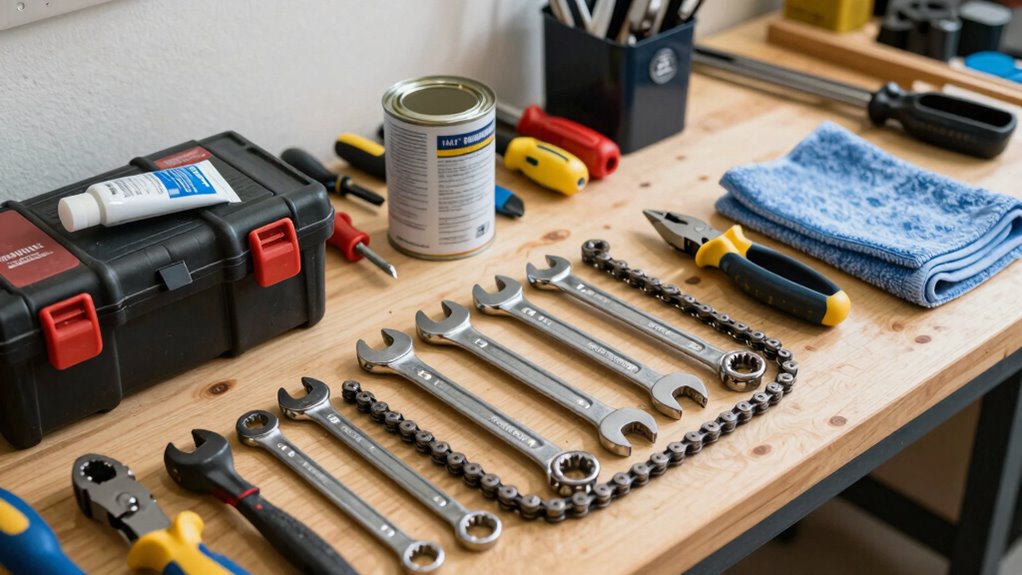

Establish simple habits like inspecting your roof, plumbing, and electrical systems regularly to catch small issues early. Keep up with routine cleaning, such as gutter cleaning and appliance wiping, to prevent bigger problems like leaks or mold. Educate yourself about your home systems and perform basic maintenance tasks, like changing filters or tightening fixtures, each month. Consistent small efforts build a proactive approach that safeguards your home and saves you money—if you keep at it, you’ll discover even more effective tips.

Get gifts for the two of you delivered free with Prime
- Fast, free delivery on millions of items
- Prime Video, Amazon Music and more included
- Member-only deals all year
Key Takeaways
- Perform regular inspections of roof, plumbing, and electrical systems to catch issues early.
- Keep gutters clean and free of debris to prevent water damage and foundation problems.
- Change HVAC filters monthly to maintain efficiency and prevent system breakdowns.
- Check for leaks, mold, or pests regularly to avoid costly repairs and health hazards.
- Develop a consistent home maintenance routine to address minor issues before they escalate.
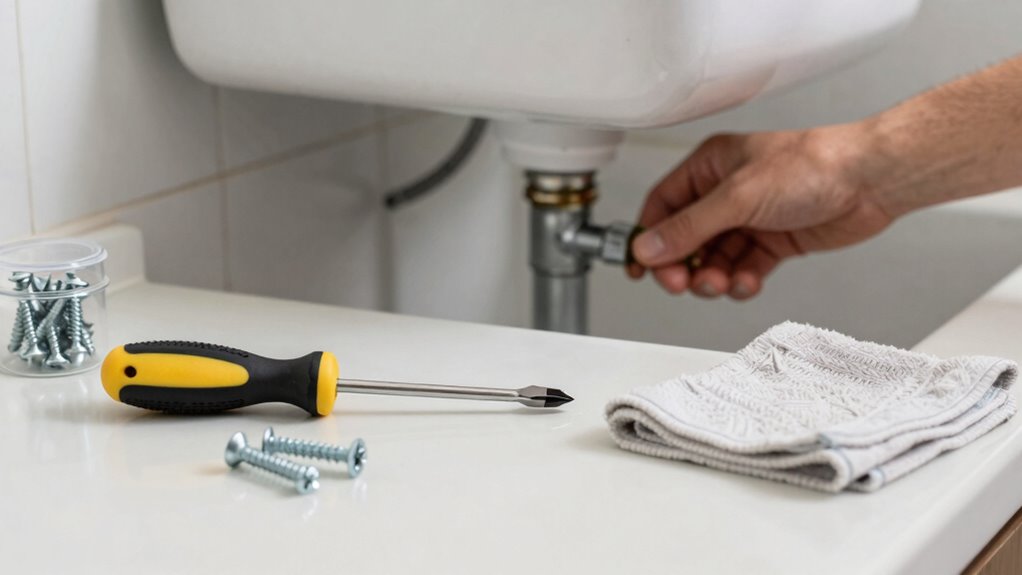
Maintaining your home doesn’t have to be complicated or costly if you develop simple DIY habits. By dedicating a little time regularly, you can catch small issues before they turn into expensive repairs. One of the most effective habits is performing preventive inspections. These involve checking key areas like the roof, plumbing, electrical systems, and appliances to spot signs of wear or damage early on. For example, inspecting your roof for loose shingles or leaks can prevent water damage. Similarly, examining pipes for corrosion or leaks helps avoid costly plumbing repairs later. Preventive inspections are about staying proactive—regular checks save you money and stress in the long run.
Alongside inspections, routine cleaning plays a vital role in home maintenance. Keeping your home tidy isn’t just about aesthetics; it helps you identify potential problems early. Cleaning gutters regularly prevents blockages that could cause water overflow and damage. Wiping down appliances and fixtures reduces dust buildup, which can impair their function over time. Cleaning around your HVAC filters ensures proper airflow and efficiency, prolonging the lifespan of your system. Routine cleaning also includes checking for mold, mildew, or pests, which could pose health risks or structural issues if ignored. Developing a cleaning schedule and sticking to it allows you to maintain a safe, efficient, and comfortable living space. Regular inspections can also help you learn more about home systems, making it easier to diagnose issues when they arise. Incorporating preventive maintenance practices into your routine can further extend the lifespan of key components of your home. Additionally, understanding the importance of home safety measures can help prevent accidents or emergencies that may cause damage or injury. Regularly educating yourself about home maintenance tips can empower you to address issues promptly and effectively.
Combining preventive inspections with routine cleaning creates a solid foundation for your home maintenance routine. When you routinely check for issues, you’re more likely to notice minor problems early, such as loose wiring or small cracks, that could escalate if left unaddressed. Cleaning helps prevent deterioration caused by dirt, debris, or moisture, which can accelerate damage. These habits also give you peace of mind, knowing that you’re actively caring for your home rather than waiting for something to break. It’s about creating a proactive mindset—taking small steps now to avoid big headaches later. Developing a home maintenance plan helps you stay organized and consistent with these habits, making maintenance more manageable and less stressful.
You don’t need special tools or extensive skills to get started. Simple tasks like tightening loose doorknobs, changing air filters, or inspecting caulking around windows can make a big difference. Set aside a little time each month for these activities, and over time, they become second nature. Not only will these habits help prevent bigger problems later, but they also foster a sense of ownership and confidence in your ability to care for your home. With consistent effort, you’ll maintain a safe, efficient, and well-preserved home environment that saves you money and stress in the future.
Products Worth Considering

Levoit Vital 100S-P Air Purifier with Washable Pre-Filter

LEVOIT Vital 200S-P Smart Air Purifier for Large Rooms up to 1875 ft², Quiet 27 dB Operation, AHAM Verifide, HEPA Sleep Mode, White

Levoit Core 400S-P Smart Air Purifier for Large Rooms
As an affiliate, we earn on qualifying purchases.
Frequently Asked Questions
How Often Should I Perform Basic Home Inspections?
You should perform basic home inspections at least twice a year, aligning with seasonal checklists and your maintenance schedule. In spring and fall, check for leaks, inspect gutters, test smoke detectors, and examine HVAC systems. Regular inspections help catch small issues early, preventing costly repairs later. Make it a habit to document your findings and schedule repairs promptly, keeping your home safe, efficient, and well-maintained year-round.
What Tools Are Essential for DIY Home Maintenance?
You need a basic set of tools like a hammer, screwdrivers, pliers, a wrench, and a tape measure for DIY home maintenance. Safety is essential, so always follow tool safety guidelines. Keep these tools organized and check them regularly to make certain they’re in good condition. Establish maintenance schedules to perform routine checks and repairs, preventing bigger problems. Having the right tools and staying consistent makes home upkeep safer and more efficient.
When Is It Necessary to Hire a Professional Instead?
When a project feels like trying to fix a spaceship, it’s time to call in a pro. If you’re unsure about cost estimation or if an issue could turn into an emergency, don’t jeopardize it. Professionals have the skills to handle complex problems safely and efficiently. Hiring experts guarantees your home stays safe, saving you money and stress in the long run, especially when emergencies strike.
How Can I Safely Troubleshoot Electrical Issues Myself?
To safely troubleshoot electrical issues, prioritize electrical safety by turning off power at the breaker before inspecting any components. Use proper troubleshooting techniques, such as testing circuits with a multimeter and checking for loose connections. Avoid working on live circuits and never bypass safety devices. If you’re unsure or uncomfortable, it’s best to call a professional. Always follow safety guidelines to prevent shocks or further damage.
What Are Common Signs of Plumbing Problems to Watch For?
Like a whisper in a silent room, plumbing leaks hint at hidden trouble, so watch for sudden drops in water pressure or damp spots on walls. Pipe corrosion often shows as discoloration or rust, signaling deterioration beneath the surface. Ignoring these signs is like ignoring the faint creak of a building about to settle—eventually, it leads to bigger, costly problems. Stay vigilant, and catch issues early before they escalate.
Conclusion
By adopting simple DIY maintenance habits, you’re proactively preventing bigger, costlier problems down the road. For instance, regularly checking your roof for loose shingles could save you from a major leak during a storm. Think of it as giving your home regular health check-ups—small, consistent efforts keep everything running smoothly and save you money in the long run. Start today, and enjoy the peace of mind that comes with being proactive.