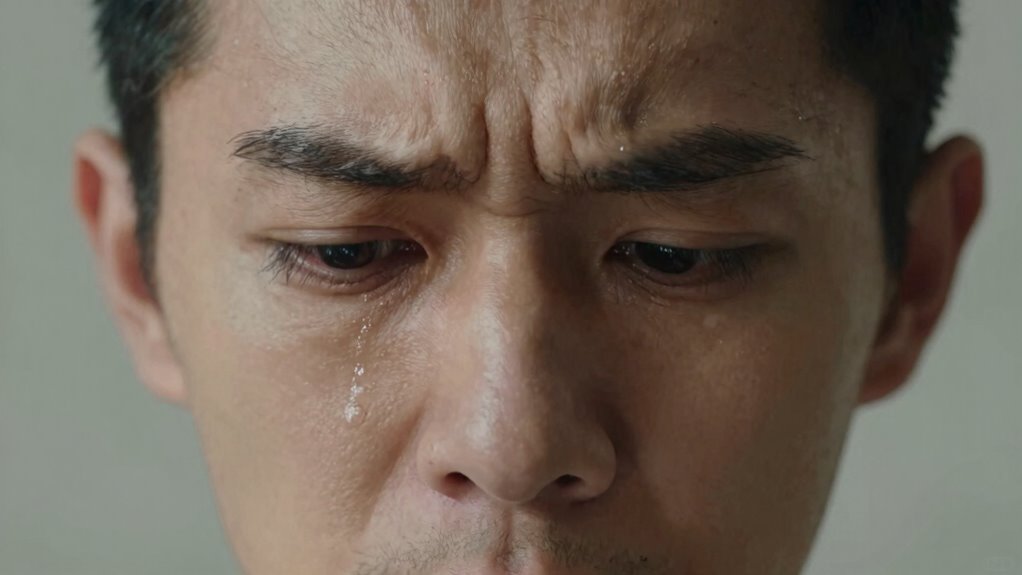

You might not realize you’re overwhelmed when you notice fatigue, irritability, or tight shoulders. Shallow breathing, disrupted sleep, and sudden mood shifts are also signs that stress is mounting. You may unconsciously turn to comfort foods or withdraw socially without understanding why. Pay close attention to these subtle cues; addressing them early can prevent stress from taking over. If you keep observing these signals, you’ll uncover more ways to manage and ease your hidden stress.

Get gifts for the two of you delivered free with Prime
- Fast, free delivery on millions of items
- Prime Video, Amazon Music and more included
- Member-only deals all year
Key Takeaways
- You may experience physical symptoms like muscle tension, headaches, or shallow breathing without realizing they’re stress signals.
- Emotional shifts such as irritability, feeling overwhelmed, or social withdrawal can indicate hidden stress.
- Unconscious habits like comfort eating or avoiding social interactions often serve as stress responses.
- Changes in sleep patterns, energy levels, or mood fluctuations can subtly reveal underlying stress.
- Mindfulness and paying attention to bodily cues help identify early signs before stress escalates.

Stress often shows up in ways you might not immediately notice, affecting your body and mind beneath the surface. You might brush off feelings of fatigue or irritability, but these subtle signals can be signs that you’re carrying too much stress. One of the early hints is how your body reacts to daily pressures—tight shoulders, headaches, or a racing heart. These aren’t just minor inconveniences; they’re your body’s way of telling you that stress triggers are taking a toll.
Stress subtly impacts your body and mind, with signs like fatigue, irritability, tight shoulders, headaches, or a racing heart.
You may also find yourself breathing shallowly or holding your breath during tense moments. Practicing mindful breathing can be a powerful tool to recognize these signs early. When you focus on slow, deliberate breaths, you tap into your body’s natural relaxation response, helping to reduce the impact of stress triggers. If you notice your thoughts racing or feeling overwhelmed easily, it’s another sign that stress is accumulating beneath your awareness. Additionally, understanding the connection between bodily responses and stress can help you better interpret these signals.
Another hidden sign is how your sleep gets disrupted, even if you don’t feel overtly anxious. You might wake up frequently or have trouble falling asleep, which only worsens your stress levels during the day. Over time, this can lead to a cycle of exhaustion that’s hard to break. Additionally, you may start craving comfort foods or find yourself eating more than usual, often as an unconscious attempt to soothe your mood. These emotional eating patterns are common responses to unrecognized stress. Incorporating mindfulness practices can help you become more aware of these emotional cues and better manage your reactions.
Your mood can also be a subtle indicator—feeling more irritable, impatient, or withdrawn than usual. Small frustrations might seem amplified, and you might isolate yourself without realizing it. This emotional shift is a sign that your body and mind are under strain. Recognizing these signs early allows you to address stress before it escalates into more serious health issues. Being mindful of body signals like muscle tension or sudden changes in energy levels can also provide early clues that stress is building up.
Ultimately, paying close attention to your body’s signals—such as tension, breathing patterns, sleep quality, and emotional shifts—can help you catch the hidden signs of excess stress. Incorporating mindful breathing into your daily routine acts as both a preventative and a calming strategy. When you tune into these subtle cues, you empower yourself to manage stress effectively, preventing it from sneaking into your life unnoticed. Being aware of these signs means you’re better equipped to respond with healthy habits before stress takes a deeper hold. Recognizing the importance of biodiversity and sustainable living practices can also enhance your overall well-being, as a balanced environment supports mental health and resilience.
mindfulness meditation for stress relief
As an affiliate, we earn on qualifying purchases.
As an affiliate, we earn on qualifying purchases.
Frequently Asked Questions
Can Stress Affect My Long-Term Mental Health?
Yes, stress can impact your long-term mental health if left unmanaged. Chronic stress may lead to anxiety, depression, and difficulty concentrating. To protect your mental well-being, you should adopt effective coping strategies and prioritize stress management. Regular exercise, mindfulness, and seeking support can help reduce stress levels, preventing long-term mental health issues. Taking proactive steps now guarantees you maintain a healthier, more balanced mental state over time.
How Does Stress Impact My Immune System?
Stress impacts your immune system by releasing stress hormones like cortisol, which can suppress your immune response. When these hormones stay elevated, your body becomes less effective at fighting off infections and illnesses. Over time, this weakened immune response makes you more vulnerable to colds, flu, and other health issues. Managing stress helps regulate stress hormones, supporting a stronger immune system and better overall health.
Are There Hidden Physical Symptoms of Stress?
Yes, there are hidden physical symptoms of stress that you might not notice right away. You could experience stress-related fatigue, feeling unusually tired even after rest. Other hidden signs include headaches, muscle tension, stomach issues, or changes in appetite. These symptoms often develop gradually, making them easy to overlook. Recognizing these hidden physical signs can help you address stress early and prevent it from worsening.
Can Stress Cause Changes in Appetite or Weight?
Stress can cause changes in appetite or weight, affecting your digestion and leading to appetite fluctuations. When you’re stressed, your body reacts by releasing hormones that can suppress or increase hunger, making you crave comfort foods or lose your appetite altogether. These stress-related changes in digestion and appetite fluctuations can result in weight gain or loss. Recognizing these signs helps you better understand how stress impacts your overall health and encourages healthier coping strategies.
How Quickly Can Stress Symptoms Resolve With Treatment?
With effective stress management and appropriate treatment, your stress symptoms can improve within a few weeks. Treatment effectiveness varies based on individual circumstances, but consistent efforts like therapy, relaxation techniques, and lifestyle changes often lead to noticeable relief sooner. You might start feeling calmer and more balanced in just a few sessions, though full recovery can take longer depending on your stress levels and commitment to managing it.
As an affiliate, we earn on qualifying purchases.
Conclusion
Remember, carrying too much stress is like holding a heavy, unseen anchor. It drags you down, unseen but felt in every step. Recognize the signs before the weight becomes too much to bear. Release the anchor—let go of what no longer serves you. Only then can you sail freely toward calmer waters, where your mind and body can find their true balance. Don’t let stress sink your spirit; lighten your load and find your way back to peace.
As an affiliate, we earn on qualifying purchases.
sleep aid for stress and anxiety
As an affiliate, we earn on qualifying purchases.
As an affiliate, we earn on qualifying purchases.
Columbus Day / Indigenous Peoples' Day Picks
long weekend sales
As an affiliate, we earn on qualifying purchases.