
TL;DR

Get gifts for the two of you delivered free with Prime
- Fast, free delivery on millions of items
- Prime Video, Amazon Music and more included
- Member-only deals all year
This article explains how yoga practitioners can use walls to enhance stability and alignment in poses such as headstand, shoulderstand, twists, and seated positions. Experts affirm that wall support aids safety and technique, especially for beginners and those with physical limitations.
Yoga practitioners are using walls as props to improve stability, alignment, and safety in various poses, according to recent expert guidance. This technique is especially beneficial for beginners and those working on specific postural corrections, and it continues to gain popularity as a practical aid in yoga practice.
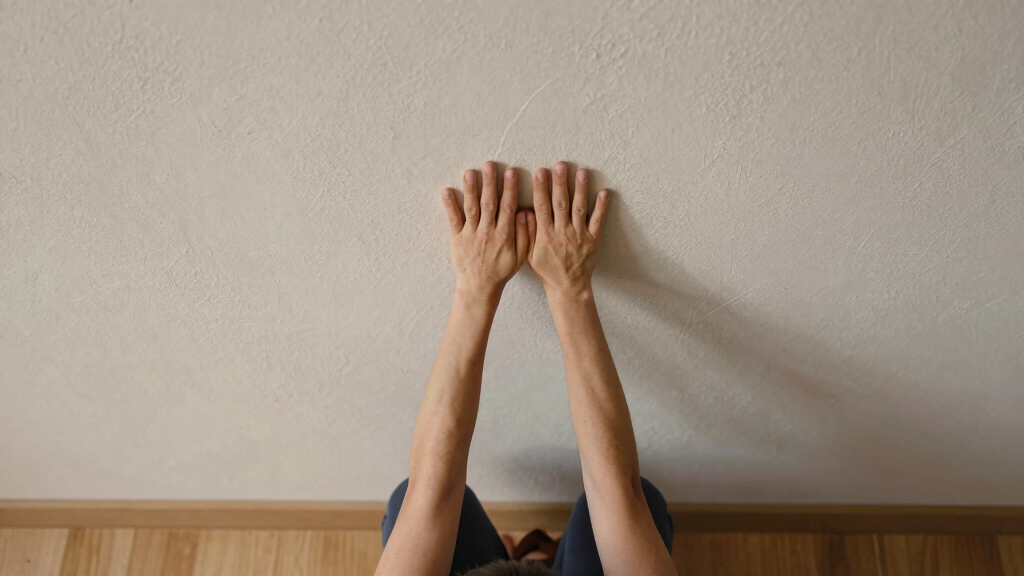
Walls are a common and accessible yoga prop that can support a range of poses, including headstands, shoulderstands, twists, and seated stretches. Experts from Yoga Journal note that using walls helps maintain proper alignment, enhances stability, and reduces the risk of falls or injury. For example, in headstands, supporting the legs against a wall allows practitioners to extend the spine and develop confidence before balancing independently. Similarly, in shoulderstands, pressing the feet into the wall and rolling the spine off the ground helps straighten the back and improve posture. Wall support in twists, such as Parivrtta Trikonasana, assists in achieving deeper rotations and better spinal alignment by providing a fixed point of contact, which prevents over-rotation or loss of balance. Seated poses like Baddha Konasana or forward bends also benefit from wall support, helping maintain an erect spine and proper leg positioning. Additionally, using the wall to elevate legs in poses like Navasana reduces strain on weak abdominals and enhances stability. Experts emphasize that while wall practice is valuable, it should complement, not replace, free-standing poses as practitioners gain confidence and strength.
Why It Matters
Incorporating walls into yoga practice offers a practical method to improve pose accuracy, safety, and confidence. This approach can help prevent injuries, especially for beginners or individuals with limited flexibility or strength. As yoga continues to grow in popularity, accessible modifications like wall-supported poses enable more people to experience the benefits of yoga safely and effectively, fostering better posture, alignment, and overall physical health.
As an affiliate, we earn on qualifying purchases.
Background
Using walls as yoga props is a practice rooted in traditional and modern yoga teachings. Historically, props have been used to assist alignment and deepen poses. The current trend reflects a broader emphasis on safety and accessibility in yoga, with many teachers advocating for supportive modifications. The technique was notably discussed in the May-June 1981 issue of Yoga Journal, highlighting its longstanding relevance and evolving application in contemporary practice.
“Walls are a wonderful yoga prop because they are so commonplace. Of course, there are a few drawbacks, but they’re not that serious.”
— Yoga Journal
“Using a wall helps maintain proper alignment and provides stability, especially for beginners working on headstands and shoulderstands.”
— Yoga expert
As an affiliate, we earn on qualifying purchases.
What Remains Unclear
It is not yet clear how widespread the adoption of wall-supported yoga has become among different practice levels, or how long practitioners should rely on walls before transitioning to free-standing poses. Further research may clarify optimal usage durations and techniques.
As an affiliate, we earn on qualifying purchases.
What’s Next
Next steps include more widespread integration of wall-supported techniques in yoga classes, along with studies on their long-term benefits and best practices. Yoga instructors may develop specific protocols for transitioning from wall-supported to independent poses, and practitioners are encouraged to consult with teachers to tailor wall use to their individual needs.
As an affiliate, we earn on qualifying purchases.
Key Questions
Can using a wall in yoga improve my balance?
Yes, using a wall provides support that can help improve balance, especially for beginners or those working on challenging poses like headstands or twists.
How long should I practice poses with a wall before trying them without support?
There is no fixed timeframe; it depends on individual progress. Generally, practitioners should aim to develop confidence and proper alignment before transitioning to free-standing poses, ideally under guidance from a qualified instructor.
Are there any risks associated with using walls in yoga?
When used appropriately, walls are a safe support. However, over-reliance without progressing to independent poses may limit development. It is important to use walls as a temporary aid and consult with a teacher for personalized guidance.
Halloween Picks
halloween
As an affiliate, we earn on qualifying purchases.