
TL;DR
Princeton University has voted to require instructor proctoring for all in-person exams, ending 133 years of a tradition that relied solely on student accountability. The change aims to address rising concerns over AI tools and cheating, with implementation starting July 1.
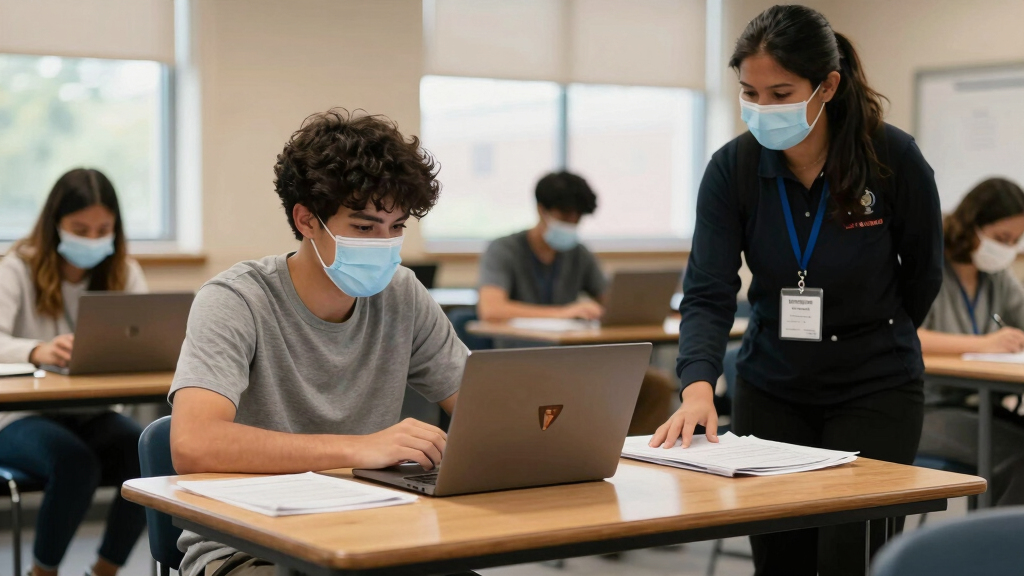
Princeton University will require instructor proctoring for all in-person exams starting July 1, marking the first time in 133 years that the institution has mandated proctor supervision during examinations.
The faculty approved the proposal unanimously at a Monday meeting, with only one opposing vote. The policy was developed in response to increasing concerns over academic integrity violations, particularly related to the use of AI tools and electronic devices that make cheating harder to detect.
Under the new policy, instructors will remain present in exam rooms as witnesses but will not interfere with students. They will document any suspected violations and report them to the Honor Committee, which will handle adjudication. Details such as proctor-to-student ratios and monitoring procedures are still being finalized in consultation with faculty and student representatives.
This change ends a long-standing tradition rooted in the Honor Code, established in 1893, which relied on students’ individual accountability and explicitly banned proctoring. The move comes amid a broader effort to adapt Princeton’s honor system to modern challenges, including AI and electronic device misuse.
Why It Matters
This development is significant because it marks a fundamental shift in Princeton’s approach to academic integrity, ending a 133-year-old tradition. It reflects broader concerns about cheating facilitated by technology and the limitations of peer enforcement of honor standards. The change could influence other institutions considering similar reforms.
For students and faculty, the move raises questions about the impact on trust and the culture of honor that has historically defined Princeton. It also signals a recognition that existing peer-reporting mechanisms may no longer be sufficient to maintain academic integrity.
As an affiliate, we earn on qualifying purchases.
Background
Princeton’s honor system was established in 1893, following a student petition to eliminate proctoring, relying instead on students’ personal pledges and peer reporting. Over time, the system has faced challenges due to technological advances, especially the rise of AI tools that can facilitate cheating undetectably. Recent surveys indicate that a significant portion of students have cheated or witnessed violations but are reluctant to report peers, citing fears of doxxing or shaming.
The university’s move to introduce proctoring follows a November policy change that mandated proctoring for all small-group and individual exams. The current proposal was motivated by concerns over the effectiveness of the honor system in the current environment and the need for additional safeguards.
“Instructor supervision will be in place during exams as a witness, but will not interfere with students.”
— Dean Michael Gordin
“The time has come to incorporate proctors as additional witnesses, especially given the recent strains on our procedures.”
— Honor Committee Chair Emerita Nadia Makuc ’26
As an affiliate, we earn on qualifying purchases.
What Remains Unclear
It is not yet clear how the final details of proctoring ratios and monitoring practices will be implemented or how students and faculty will adapt to the change. The impact on campus culture and trust remains to be seen.
As an affiliate, we earn on qualifying purchases.
What’s Next
Princeton will finalize specific monitoring procedures and ratios in consultation with faculty and students before July 1. The university will monitor the policy’s effectiveness and community response, potentially leading to further adjustments.
As an affiliate, we earn on qualifying purchases.
Key Questions
Why is Princeton changing its honor system after 133 years?
The change is driven by concerns over academic dishonesty, especially related to AI tools and electronic devices, which have made cheating harder to detect under the traditional peer-reporting system.
Will proctors interfere with students during exams?
No, instructors will remain present as witnesses but are instructed not to interfere with students unless a violation is suspected, in which case they will document observations for the Honor Committee.
How might this affect Princeton’s academic culture?
It could shift the culture from one based on peer accountability to a system with more formal oversight, potentially impacting trust and the tradition of honor that has defined Princeton for over a century.