
To improve your mental health through better sleep, establish consistent sleep routines by going to bed and waking up at the same times daily. Create a relaxing bedroom environment by keeping it dark, quiet, and cool, and remove distractions like electronics. Avoid stimulating activities before bed and wind down with calming habits. These habits support restful sleep, which in turn boosts your mood, reduces stress, and enhances overall well-being. Keep exploring ways to optimize your sleep for long-term mental health benefits.
Key Takeaways
- Maintain a consistent sleep schedule to regulate your internal clock and improve sleep quality.
- Create a relaxing bedroom environment with darkness, quiet, and a comfortable temperature to support restful sleep.
- Avoid stimulating activities and screens before bed to help your body wind down naturally.
- Establish calming bedtime routines like reading or gentle stretches to signal your body it’s time to rest.
- Prioritize good nutrition and avoid stressors to enhance overall wellness and support better mental health through quality sleep.

Have you ever wondered why some nights you fall asleep easily and wake up feeling refreshed, while others leave you tossing and turning? The secret often lies in your sleep hygiene—your habits and environment that influence how well you rest. Two key aspects are your sleep routines and bedroom environment. When your sleep routines are consistent, your body learns to recognize signals that it’s time to wind down, making it easier to drift off. Going to bed and waking up at the same time each day, even on weekends, helps regulate your internal clock. This consistency signals your brain that it’s time to sleep, which can reduce the time it takes to fall asleep and improve overall sleep quality. Avoiding stimulating activities close to bedtime, such as intense workouts or screen time, also reinforces your sleep routine. Instead, try winding down with relaxing activities like reading or gentle stretches. Over time, these habits become cues for your body to prepare for rest, making sleep more natural and restorative.
Your bedroom environment plays an equally essential role. Creating a space that’s conducive to sleep involves paying attention to lighting, noise, temperature, and comfort. A dark room signals to your brain that it’s time to sleep, so consider blackout curtains or an eye mask if streetlights or electronic glow interfere. Noise can be disruptive, so using earplugs or a white noise machine can help drown out disturbances. The ideal temperature for sleep is generally cool—around 60 to 67 degrees Fahrenheit (15.5 to 19.5 degrees Celsius)—so adjusting your thermostat or using breathable bedding can make a big difference. Comfort is fundamental; invest in a supportive mattress and pillows that suit your preferred sleeping position. Removing clutter and electronics from your bedroom can also promote relaxation and reduce distractions, making it easier to unwind. Additionally, understanding how juice cleansing affects your body can help you maintain healthy habits that support restful sleep, as good nutrition and detoxification practices contribute to overall wellness.
Incorporating these elements into your sleep hygiene routine can dramatically improve your sleep quality. When your sleep routines are consistent and your bedroom environment is optimized, your body and mind can relax more fully, leading to deeper, more restorative sleep. Better sleep, in turn, supports your mental health by reducing stress, improving mood, and enhancing cognitive function. Remember, small changes in your habits and surroundings can have a profound impact on how well and how long you sleep. Prioritize these aspects, and you’ll find yourself waking up feeling more refreshed and ready to face the day. Sleep isn’t just about quantity; it’s about quality, and your environment and routines are the foundation for truly restful nights.
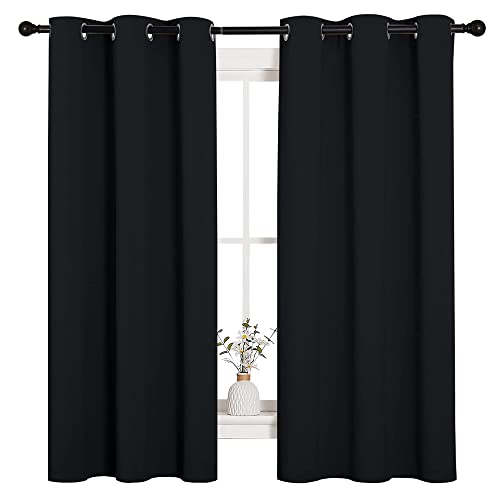
NICETOWN Pitch Black Solid Thermal Insulated Grommet Blackout Curtains/Drapes for Bedroom Window (2 Panels, 42 inches Wide by 63 inches Long, Black)
READY MADE: Package only includes 2 blackout curtain panels, each 42" wide x 63" long when fully spread,…
As an affiliate, we earn on qualifying purchases.
As an affiliate, we earn on qualifying purchases.
Frequently Asked Questions
Can Sleep Hygiene Practices Help With Anxiety and Depression?
Yes, good sleep hygiene practices can help with anxiety and depression. By establishing healthy sleep habits, you improve your overall sleep quality, which supports better anxiety management and mood stability. Consistently sticking to a sleep schedule, avoiding screens before bed, and creating a relaxing environment make it easier to fall asleep and stay asleep. These habits reduce stress and help regulate your emotions, making it easier to handle anxiety and depressive symptoms.
How Do Sleep Hygiene Tips Vary for Shift Workers?
As a shift worker, your sleep hygiene tips should include flexible schedules and workplace adjustments to improve sleep quality. You might use blackout curtains or earplugs to block out daytime light and noise, and create a consistent sleep routine, even with irregular hours. Prioritize sleep by communicating your needs with your employer, and consider strategic naps. These adjustments help your body adapt and promote better mental health despite shift work challenges.
Are There Specific Foods That Improve Sleep Quality?
Think of your body as a garden that needs specific nutrients to bloom. You can boost your sleep quality by eating nutrient-rich foods packed with sleep-promoting nutrients like magnesium, tryptophan, and melatonin. Incorporate foods such as almonds, bananas, cherries, and oats into your diet. These foods help relax your mind and body, making it easier to drift into restful sleep and wake up feeling refreshed.
How Does Screen Time Before Bed Affect Sleep Hygiene?
Screen exposure before bed, especially from devices emitting blue light, disrupts your sleep hygiene. Blue light suppresses melatonin, the hormone that helps you fall asleep. When you spend more time on screens, your sleep quality decreases, making it harder to fall asleep and stay asleep. To improve your sleep, limit screen time at least an hour before bed and consider using blue light filters or glasses.
Can Sleep Hygiene Routines Be Effective for Children and Teens?
Yes, sleep hygiene routines can be effective for children and teens. You just need to get the ball rolling with consistent bedtime routines and a sleep-friendly environment. Establish calming activities before bed and keep the room dark and cool. When you set a regular schedule, it helps their bodies know when to wind down. Over time, these habits can improve sleep quality, boosting mental health and overall well-being.
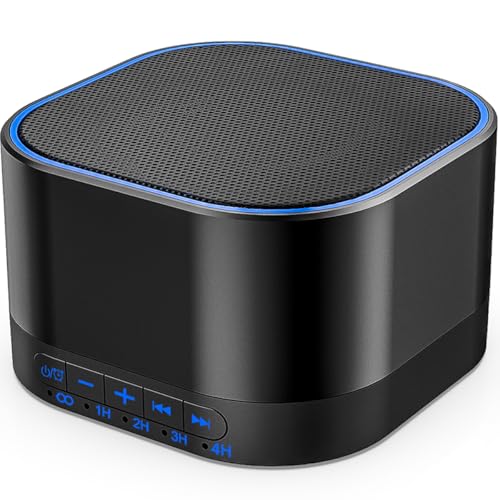
Magicteam Sound White Noise Machine with 20 Non Looping Natural Soothing Sounds and Memory Function 32 Levels of Volume Powered by AC or USB and Sleep Sound Timer Therapy for Baby Kids Adults
❤20 Non-Looping Sleep Sounds: White noise ,Brown noise, pink noise, blue noise, fan,brook, rain, ocean,bird and Bonfire,suitable for…
As an affiliate, we earn on qualifying purchases.
As an affiliate, we earn on qualifying purchases.
Conclusion
Prioritizing good sleep hygiene can substantially boost your mental health, helping you feel more alert and resilient. Did you know that poor sleep affects about 30% of adults worldwide, increasing risks of depression and anxiety? By establishing a consistent sleep schedule and creating a relaxing bedtime routine, you can improve your overall well-being. Remember, better sleep isn’t just about rest—it’s an essential step toward a healthier, happier you. Start today for a brighter tomorrow.

EGOHOME Cooling Gel Memory Foam Pillow – Reversible Cooling Cover, Neck Support for Side, Back and Stomach Sleepers, Removable & Machine Washable, All-Season Comfort, Standard Size, Blue
REVERSIBLE DESIGN: This gel pillow features cooling fabric on one side for an unrivaled cooling sensation upon contact,…
As an affiliate, we earn on qualifying purchases.
As an affiliate, we earn on qualifying purchases.

Amazon Basics Oscillating Ceramic Portable Indoor Space Heater, Fast Heating Technology, Overheat and Tip-Over Protection, Adjustable Thermostat, 1500W, 7.52"D x 6.34"W x 9.45"H, Silver
EVEN HEAT DISTRIBUTION: The heater's 45-degree oscillation function ensures even heat distribution across the room, warming a wider…
As an affiliate, we earn on qualifying purchases.
As an affiliate, we earn on qualifying purchases.