
To help your dogs and cats make friends, focus on socialization from a young age by gradually introducing them to new people, animals, and environments. Use positive reinforcement to encourage calm and friendly behavior during these interactions, including leash training and vet visits. Be patient and consistent, making each experience positive and stress-free. If you keep practicing these strategies, you’ll set your pets up for confident, well-adjusted lives and smooth social encounters.
Key Takeaways
- Gradually introduce pets to new animals and people using positive reinforcement and controlled settings.
- Use leash training to explore new environments calmly and promote confident social behavior.
- Expose pets to different sights, sounds, and smells during vet visits to reduce anxiety and build familiarity.
- Maintain patience and consistency, reinforcing calm, friendly interactions over time.
- Provide regular socialization sessions to help dogs and cats develop confidence and positive relationships.

Introducing your pet to new people, animals, and environments is essential for fostering confident and well-behaved companions. Proper socialization helps your dog or cat develop positive behaviors and reduces fear or aggression in unfamiliar situations. One of the key ways you can facilitate this process is through leash training. When your pet is comfortable walking on a leash, they’re more likely to explore new environments calmly, which makes introductions to other animals and people much smoother. Start leash training early, using positive reinforcement to encourage good behavior. Keep walks short and gradually increase the distance as your pet becomes more confident. This preparation not only helps in social settings but also makes routine activities like vet visits less stressful. When your pet is leash-trained, they’re less likely to pull or panic when you arrive at the vet, turning what could be a traumatic experience into a manageable one. Regular vet visits are an important part of socialization because they expose your pet to different people, smells, and sounds, all within a controlled environment. These visits give your pet a chance to associate the vet’s office with positive experiences, especially if you reward calm behavior and provide treats or praise. Ensuring your pet is comfortable during these visits is crucial; it’s about creating a routine that minimizes anxiety. You can also practice gentle handling and expose your pet to various stimuli at home, so they’re less overwhelmed when they visit the vet. Additionally, fostering positive associations with new environments can significantly enhance your pet’s confidence and reduce anxiety during social interactions. Socialization isn’t just about encounters outside your home; it’s also about helping your pet feel at ease around new people and animals in everyday situations. When introducing your pet to friends or other pets, do so gradually and in a controlled manner. Use positive reinforcement to reward calm, friendly interactions. Remember, patience is vital—rushing these introductions can backfire, leading to fear or aggression. Consistency is key: keep these socialization sessions regular and positive. If your pet shows signs of stress or fear, take a step back and revisit the training at a slower pace. Over time, your pet will learn to navigate new environments confidently and calmly, making outings and social gatherings more enjoyable for everyone. Ultimately, effective socialization requires ongoing effort and patience, but the reward is a well-adjusted, friendly companion who’s comfortable in diverse settings.

PetSafe Easy Walk No-Pull Dog Harness – The Ultimate Harness to Help Stop Pulling – Take Control & Teach Better Leash Manners – Helps Prevent Pets Pulling on Walks, Medium/Large, Raspberry/Gray
HELPS STOP PULLING: Patented Martingale loop design puts gradual pressure on your dog’s shoulders to safely and effectively…
As an affiliate, we earn on qualifying purchases.
As an affiliate, we earn on qualifying purchases.
Frequently Asked Questions
How Early Should I Start Socializing My Puppy or Kitten?
You should start socializing your puppy or kitten as early as 3 to 4 weeks old. During this time, gentle puppy play and positive kitten interactions help them become comfortable around others. Early socialization reduces fear and aggression later. Keep introductions calm, brief, and positive, gradually increasing exposure to new people, animals, and environments. Consistency and patience are key to helping your pet develop confident, friendly behavior.
What Are Signs My Pet Is Overwhelmed During Socialization?
Imagine your pet’s social world as a delicate dance—if they stumble or retreat, it’s a sign they’re overwhelmed. Watch for pet anxiety cues like flattened ears, avoiding eye contact, or lip licking. If they show these signs, slow down and give them space. Recognizing social cues early helps prevent stress and keeps their socialization journey positive, turning each interaction into a confident, happy step forward.
Can Socialization Help With Aggressive Behaviors in Pets?
Yes, socialization can help reduce aggressive behaviors in pets. It promotes behavior modification by exposing your pet to controlled interactions, which gradually build their confidence. As your pet becomes more comfortable around other animals and people, their anxiety and fear decrease, leading to less aggression. Consistent socialization sessions, patience, and positive reinforcement are key to helping your pet develop calmer, more confident behavior.
How Do I Socialize a Rescue or Traumatized Animal?
Did you know that 70% of traumatized pets show significant improvement with proper socialization? To help a rescue or traumatized animal, start with patience and gentle interactions. Focus on trauma recovery through gradual exposure to new experiences, sounds, and environments. Use positive reinforcement to build trust, and never rush the process. Consistency and calm reassurance will help your pet feel safe as they learn to socialize at their own pace.
Are There Specific Toys or Activities That Aid Socialization?
You can use interactive toys and social games to help your pet socialize. Toys like puzzle feeders or tug-of-war ropes encourage play and bonding. Social games such as fetch or hide-and-seek promote positive interactions with other animals and people. These activities help your pet build confidence, reduce anxiety, and improve social skills, making it easier for them to make friends and enjoy new environments.

Sentry Calming Chews for Cats, Calming Aid Helps to Manage Stress & Anxiety, With Pheromones That May Help Curb Destructive Behavior & Separation Anxiety, Calming Health Supplement for Cats, 4 oz.
Supports Cats During Stressful Situations: Whether your cat copes with stress daily or is triggered occasionally by external…
As an affiliate, we earn on qualifying purchases.
As an affiliate, we earn on qualifying purchases.
Conclusion
By socializing your pets, you’re opening the door to a world where they can truly thrive. Think of it as planting seeds of friendship that grow into lifelong bonds, transforming your furry friends into confident, happy companions. Remember, your patience and effort are the sunlight and water that nurture this growth. With each positive encounter, you’re weaving a tapestry of trust and joy—making your pet’s world brighter, one friendship at a time.
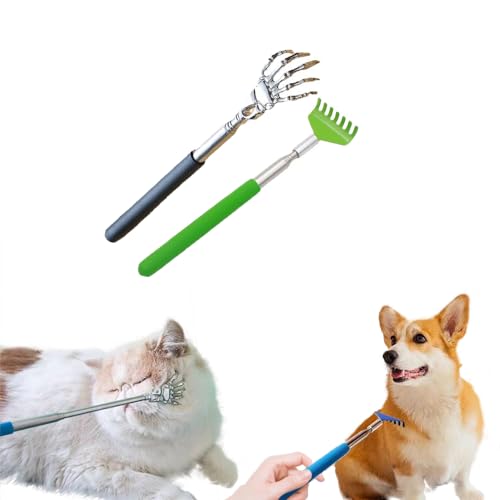
2-Pack Pet Interactive Touch Therapy Toys for Cats & Dogs, Telescopic Pet Massage Stick for Training, Bonding, Socialization, Retractable 22 Inch Skeleton Hand & Rake Shaped Teaser Wand
Interactive Fun: Engage your cat in playful interactions with this telescopic teaser wand; a retractable and handy toy…
As an affiliate, we earn on qualifying purchases.
As an affiliate, we earn on qualifying purchases.

Retractable Dog Gate with Cat Door 55" Wide Retractable Pet Gate with Cat Door Mesh Dog Gate Retractable Baby Gates for Doorway Retractable Puppy Gate for The House Retractable Outdoor Gate for Deck
Small Pet Door Design : Our retractable baby gates has a cat door, the size of the cat…
As an affiliate, we earn on qualifying purchases.
As an affiliate, we earn on qualifying purchases.