

To master balancing work and family, start by using flexible schedules to better fit your personal needs and reduce stress. Prioritize quality time by setting dedicated, distraction-free moments for loved ones. Plan your tasks using calendars or apps, and clearly communicate your availability. Regularly evaluate and adjust your routines to adapt to changing priorities. Creating a comfortable environment also helps strengthen bonds. Keep exploring these strategies to develop a game plan that works best for you.
Key Takeaways
- Implement flexible work hours to align with family needs and reduce stress.
- Schedule dedicated, distraction-free blocks for quality family interactions.
- Use digital calendars to plan and visualize daily commitments, avoiding conflicts.
- Establish clear boundaries to separate work time from family time effectively.
- Regularly review and adjust routines to accommodate evolving family and work priorities.

Balancing work and family can be challenging, especially in today’s fast-paced world where demands from both sides often collide. One of the most effective ways to manage this balancing act is by embracing flexible schedules. When you have the ability to adjust your work hours, you can better accommodate family needs and personal priorities. For instance, shifting your work hours to start earlier or later allows you to spend more quality time with your loved ones during critical moments, like school pickups or family dinners. Flexibility also reduces stress, giving you the freedom to handle unexpected events without feeling overwhelmed or falling behind. When you’re not bound to a strict 9-to-5, you can plan your day more efficiently, making space for both work commitments and family activities.
Flexible schedules help balance work and family by reducing stress and increasing quality time.
Prioritizing quality time becomes essential once you’ve adopted flexible schedules. It’s not just about being physically present but making sure that your interactions with family are meaningful. You can set aside dedicated blocks of time where you focus solely on your loved ones, free from work distractions. Even short periods of undistracted attention can strengthen your relationships and create lasting memories. For example, turning off your phone during dinner or dedicating weekends to family outings helps reinforce bonds and shows your loved ones they’re valued. By intentionally carving out quality time, you ensure that work doesn’t overshadow your family life, making those moments more impactful and fulfilling. Additionally, understanding the importance of contrast ratio in projectors can help you create a comfortable environment for family movie nights, enhancing the overall experience.
To maximize your time, consider planning ahead. Use calendars or digital apps to schedule work tasks and family activities clearly. This proactive approach helps you visualize your day and avoid conflicts. When you know your commitments in advance, you can better allocate time for work and family, reducing last-minute stress. Setting boundaries is equally crucial—communicate your availability to colleagues and family members so they understand when you’re focused and when you’re off-duty. This clarity prevents interruptions and helps you switch seamlessly between work and family modes.
Finally, don’t forget to regularly evaluate your schedule and routines. Life is constantly evolving, and what worked last month might need adjusting now. Be flexible in your approach, and don’t hesitate to make changes that better serve your family’s needs and your professional responsibilities. By leveraging flexible schedules and intentionally creating quality time, you can navigate the complexities of work and family with greater ease, fostering stronger relationships and a healthier work-life balance.

Dragon Touch 10.1 inch Digital Calendar Chore Chart – Interactive Touchscreen, Smart Family Planner, Hearth Display Desk Digital Calendar Best Gifts for Christmas, Wedding, Mom
【All-In-One Smart Family Calendar】: Dragon Touch digital frame effortlessly organizes and tracks every family schedule with the crystal-clear…
As an affiliate, we earn on qualifying purchases.
As an affiliate, we earn on qualifying purchases.
Frequently Asked Questions
How Can I Handle Unexpected Work Emergencies Without Neglecting Family?
When unexpected work emergencies arise, you can handle them without neglecting family by using flexible scheduling and emergency preparedness. Communicate openly with your family about potential work demands, so they understand when you might need to focus on urgent tasks. Adjust your schedule when necessary, prioritize critical work, and plan ahead for emergencies. This way, you stay committed to both your job and family, minimizing stress and maintaining balance effectively.
What Are Effective Ways to Delegate Household Responsibilities?
Imagine your household as a well-oiled machine, where sharing chores keeps everything running smoothly. You can assign tasks by involving everyone, turning responsibilities into a team effort. Use clear communication, set expectations, and create a chore chart to visualize roles. By sharing chores, you lighten your load and foster a sense of teamwork, making household management more efficient and less stressful for everyone involved.
How Do I Maintain Personal Well-Being Amidst Busy Schedules?
To maintain your well-being amidst busy schedules, prioritize self-care routines like regular exercise, proper sleep, and healthy eating. Incorporate stress reduction techniques such as meditation or deep breathing into your day, even if only for a few minutes. Remember to set boundaries, take breaks, and schedule time for activities you enjoy. Doing so helps you recharge, stay resilient, and handle daily pressures more effectively.
What Technology Tools Can Help Improve Time Management?
Ever wondered how to stay on top of your busy schedule? Digital calendars like Google Calendar help you organize appointments and deadlines, while task management tools like Trello or Asana keep your projects on track. These apps send reminders, prioritize tasks, and streamline your day. By leveraging technology, you can manage your time more effectively, reducing stress and ensuring nothing slips through the cracks. Isn’t it time to make your schedule work for you?
How Can I Communicate Work-Family Boundaries to My Employer?
You can effectively communicate work-family boundaries to your employer through clear workplace communication. Start by setting boundaries through boundary setting discussions, explaining your needs politely but firmly. Be specific about your availability and preferred work hours, and suggest ways to accommodate both responsibilities. Consistently reinforce these boundaries, and if needed, revisit the conversation to ensure mutual understanding and respect, helping you maintain a healthy work-life balance.

Soundcore by Anker Q20i Hybrid Active Noise Cancelling Headphones, Wireless Over-Ear Bluetooth, 40H Long ANC Playtime, Hi-Res Audio, Big Bass, Customize via an App, Transparency Mode
Block the World, Keep the Music: Four built-in mics work together to filter out background noise — whether…
As an affiliate, we earn on qualifying purchases.
As an affiliate, we earn on qualifying purchases.
Conclusion
Balancing work and family is like walking a tightrope—you’ll sway and wobble, but with steady steps and mindful timing, you can keep your balance. Remember to prioritize, set boundaries, and stay flexible. Each effort you make is a step forward on this delicate line. Embrace the challenge, knowing that with patience and focus, you’ll navigate your busy life smoothly, creating harmony where work and family meet in perfect rhythm.
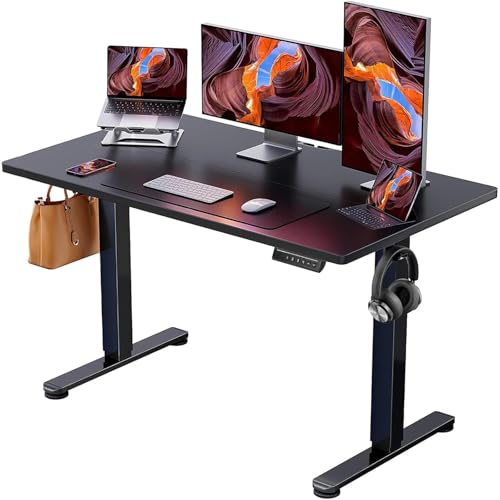
ErGear Height Adjustable Electric Standing Desk, 48 x 24 Inches Sit Stand up Desk, Memory Computer Home Office Desk, Black
Electric Height Adjustable Standing Desk for Comfortable Work – Switch effortlessly between sitting and standing with this electric…
As an affiliate, we earn on qualifying purchases.
As an affiliate, we earn on qualifying purchases.

Native 1080P 5G WiFi Bluetooth Projector, AILESSOM 20000LM 450" Display Support 4K Movie Projector, High Brightness for Home Theater and Business, Compatible with iOS/Android/TV Stick/PS4/HDMI/PPT/USB
🥂🍷【20000LM & Native 1080P & 12000:1 Contrast Ratio】The Ailessom video projector with 20000LM brightness, contrast ratio of 12000:…
As an affiliate, we earn on qualifying purchases.
As an affiliate, we earn on qualifying purchases.