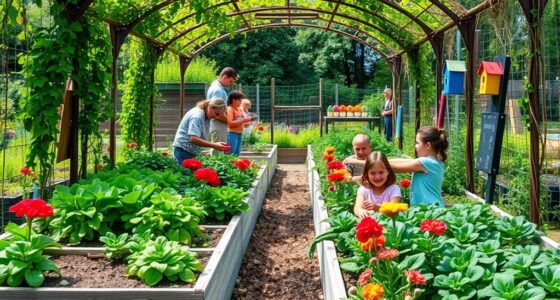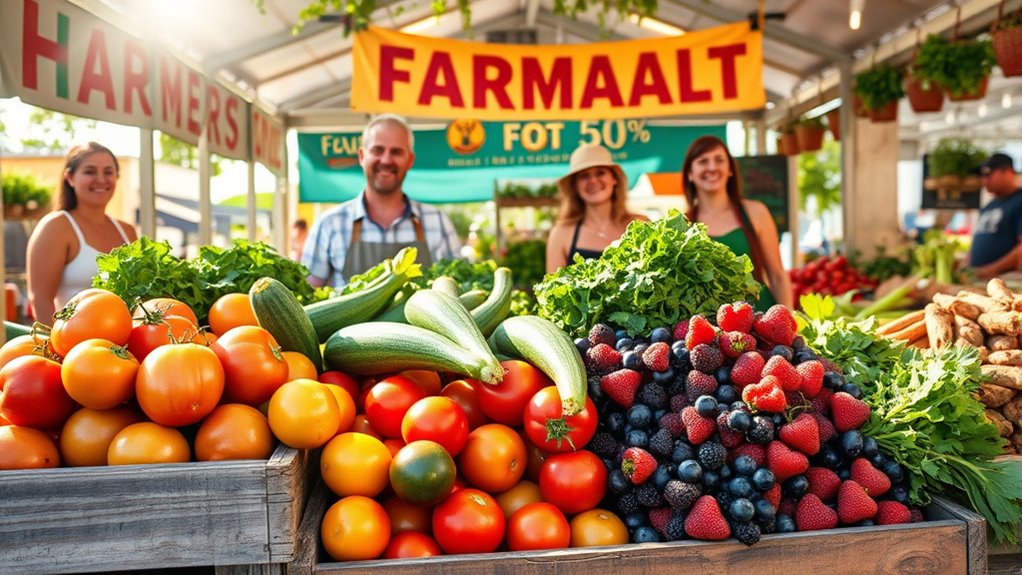

Choosing local and seasonal foods benefits the environment by reducing transportation emissions and supporting sustainable farming practices. It also means you get fresher, tastier produce packed with more nutrients, enhancing your meals. Supporting small farms strengthens your community and boosts the local economy. Additionally, eating seasonally encourages variety in your diet and reduces food waste. If you’d like to discover more about how these choices can positively impact your health and the planet, keep exploring.
Key Takeaways
- Supports sustainable farming practices that protect land, water, and community health.
- Ensures fresher, more flavorful, and nutrient-rich fruits and vegetables.
- Boosts local economies and strengthens community connections to food sources.
- Promotes dietary diversity and reduces food waste through seasonal consumption.
- Contributes to environmental conservation by reducing transportation emissions and carbon footprint.
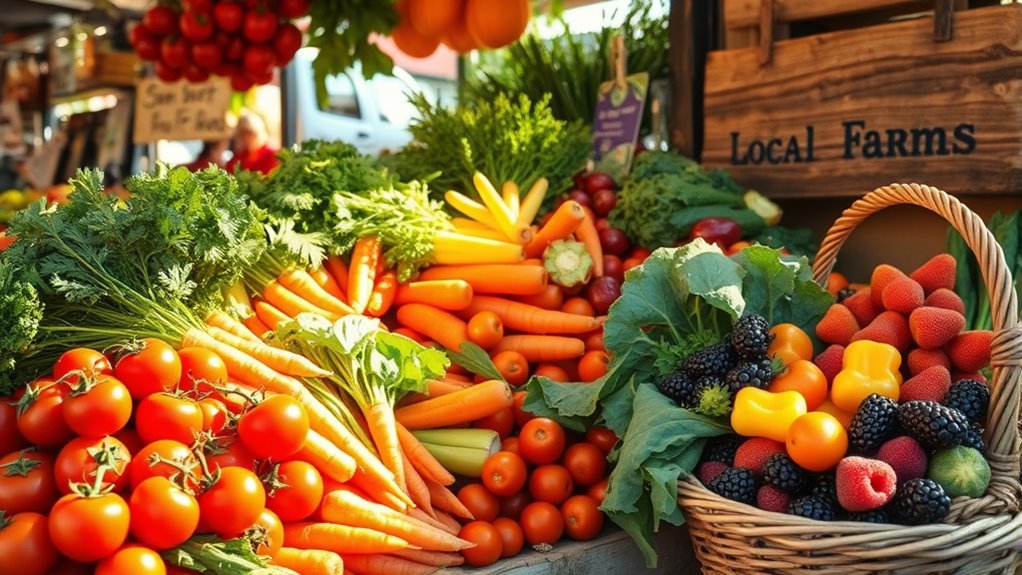
Eating local and seasonal food offers numerous benefits that go beyond just taste. When you choose to support local farmers and eat seasonally, you’re contributing to sustainable farming practices that prioritize the health of the land, water, and communities. These practices often involve crop rotations, reduced use of chemicals, and soil conservation techniques that keep the environment in better shape for future generations. By aligning your eating habits with the natural growing cycles, you help promote seasonal eating habits that are better for both the planet and your well-being.
Supporting local farms and eating seasonally benefits land, water, communities, and your health.
When you buy seasonal produce, you’re getting food at its peak flavor and nutritional content. Fruits and vegetables harvested during their natural growing season are fresher because they haven’t traveled long distances, which means they retain more vitamins, minerals, and antioxidants. This not only boosts your health but also enhances your dining experience. Plus, seasonal foods tend to be more affordable because they are produced in abundance and require less energy-intensive methods to grow and transport. When you prioritize local and seasonal foods, you’re making smarter choices that support a resilient and sustainable food system.
Supporting local farmers through your food choices encourages a community-oriented approach to agriculture. Instead of relying on large-scale industrial farms that often prioritize mass production over sustainability, you’re helping to sustain small-scale farms that use environmentally friendly practices. This creates a positive ripple effect, strengthening local economies and fostering a connection between you and the food source. It also reduces the carbon footprint associated with food transportation, which is a significant contributor to climate change. When you make these choices, you’re actively participating in a movement that values ecological balance and long-term food security.
Adopting seasonal eating habits means you’re more in tune with the natural rhythms of the land. It encourages variety in your diet, exposing you to different foods throughout the year rather than relying on the same produce year-round. This diversity not only keeps your meals interesting but also ensures you’re consuming a broad spectrum of nutrients. Plus, by eating foods when they’re naturally available, you’re less likely to waste food or rely heavily on artificial methods like refrigeration and preservatives.
In essence, choosing local and seasonal foods helps you lead a more sustainable lifestyle. It fosters a connection with your community, supports environmentally friendly farming, and promotes a diet that’s both nutritious and delicious. Supporting these practices can also enhance your understanding of the importance of ecological balance and the impact of food choices on climate change. Making these choices might seem small, but collectively, they contribute to a healthier planet and a better future for everyone.

5 PCS Large Fruit Containers for Fridge – Leakproof Food Storage Containers with Removable Colander – Dishwasher & microwave safe Produce Containers Keep Fruits, Vegetables, Berry, Meat Fresh longer
5 packs : You will get 5 fridge storage containers with colander size from 300 ml to 4200…
As an affiliate, we earn on qualifying purchases.
As an affiliate, we earn on qualifying purchases.
Frequently Asked Questions
How Does Buying Local Food Reduce Carbon Footprints?
When you buy local food, you reduce transportation emissions because the food doesn’t have to travel long distances, which cuts down on fuel use and pollution. Additionally, local sourcing often leads to a more efficient supply chain, meaning less energy is wasted during distribution. By choosing local, you help lower your carbon footprint, support your community, and enjoy fresher, seasonal produce.
Are Seasonal Foods More Affordable Than Imported Options?
Did you know that seasonal foods are often 20-30% cheaper than imported options? When you compare prices, seasonal produce usually costs less due to availability fluctuations—farmers can harvest more efficiently without extra costs for storage or transportation. So, you often get better deals on seasonal foods, making them a more affordable choice. Plus, buying locally guarantees fresher produce, which adds to the value and quality of your meals.
How Can Consumers Identify Truly Local and Seasonal Produce?
To identify truly local and seasonal produce, you should visit farmers’ markets, where vendors often clearly label their products as local and seasonal. Look for seasonal indicators like specific fruits or vegetables that align with the current time of year, and ask farmers directly about their harvests. This way, you guarantee you’re buying fresh, local, and seasonal produce, supporting your community and enjoying the best flavors.
What Are the Environmental Impacts of Supporting Local Farms?
Imagine supporting farms that prioritize sustainable farming practices; you help reduce carbon emissions from long-distance transportation. By choosing local, you’re encouraging biodiversity preservation and eco-friendly methods that protect soil health and wildlife. Your support helps farms minimize chemical use and conserve resources. This positive impact on the environment stems from your choice to buy local, ensuring healthier ecosystems and a more sustainable future for everyone.
Can Buying Local Food Improve Community Health and Economy?
When you buy local food, you boost community engagement and strengthen food sovereignty. Your choices support local farmers and encourage healthier, diverse food options. This creates a more resilient economy, keeping money within the community. By participating in local markets, you foster stronger connections and empower residents to take control of their food systems. Ultimately, your support helps build a healthier, more vibrant community for everyone.
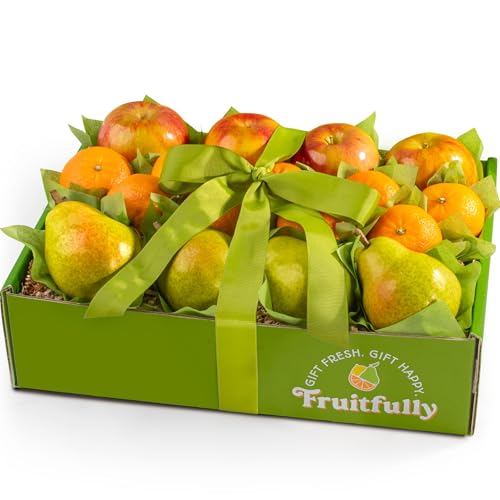
Fruitfully Trio Fruit Gift Box
A trio of harvest fresh seasonal fruits
As an affiliate, we earn on qualifying purchases.
As an affiliate, we earn on qualifying purchases.
Conclusion
By choosing local and seasonal foods, you support your community, enjoy fresher flavors, and reduce your environmental impact. You strengthen local economies, promote sustainable farming, and cultivate a healthier lifestyle. When you buy local and seasonal, you connect with your food, appreciate its journey, and make mindful choices. So, embrace the benefits, celebrate the seasons, and take a step toward a better future—because your choices matter, your health matters, and your world matters.

12" X 16" Plastic Produce Bag on a Roll, Bread and Grocery Clear Bag, 350 Bags/Roll
Size: 12" X 16" (30cm x 40cm)
As an affiliate, we earn on qualifying purchases.
As an affiliate, we earn on qualifying purchases.

Backyard Farming: Canning & Preserving: Over 75 Recipes for the Homestead Kitchen
As an affiliate, we earn on qualifying purchases.
As an affiliate, we earn on qualifying purchases.