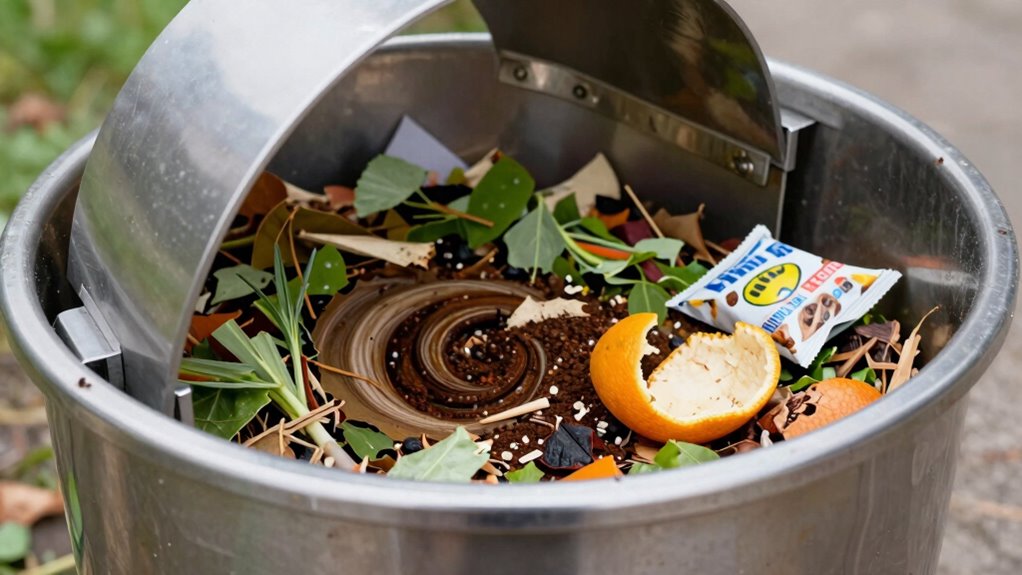

To keep your compost tumbler healthy, add kitchen scraps like vegetables, fruit peels, coffee grounds, and eggshells (greens), along with yard waste such as leaves, grass clippings, and shredded paper (browns). Avoid adding meat, dairy, greasy foods, pet waste, plastics, or weeds with seeds, as these attract pests or disrupt decomposition. Properly managing moisture and aeration is key—stick to the right ingredients, and you’ll produce rich compost faster. Keep going to learn more essential tips.
Key Takeaways
- Add greens like vegetable scraps, coffee grounds, and eggshells, balanced with browns such as leaves, paper, and small branches.
- Never add meat, dairy, greasy foods, plastics, pet waste, or treated wood to avoid pests and odors.
- Maintain proper moisture, aeration, and temperature by regular turning and monitoring to ensure efficient composting.
- Avoid overloading the tumbler and adding diseased plants or weeds with seeds to prevent pest attraction and spread of pathogens.
- Place the tumbler in a well-drained, shaded spot and adjust practices based on climate to optimize decomposition.

EPICA Countertop Compost Bin Kitchen | 1.3 Gallon | Odorless Composting Bin with Carbon Filters | Indoor Compost Bin with Lid | Stainless Steel Kitchen Composter for Food Scraps & Waste Recycling
FEATURED IN BON APPETIT & FORBES: Recognized by renowned magazines, EPICA’s compost bin is a perfectly sized marvel…
As an affiliate, we earn on qualifying purchases.
As an affiliate, we earn on qualifying purchases.
What Are the Key Ingredients for a Healthy Compost Tumbler?
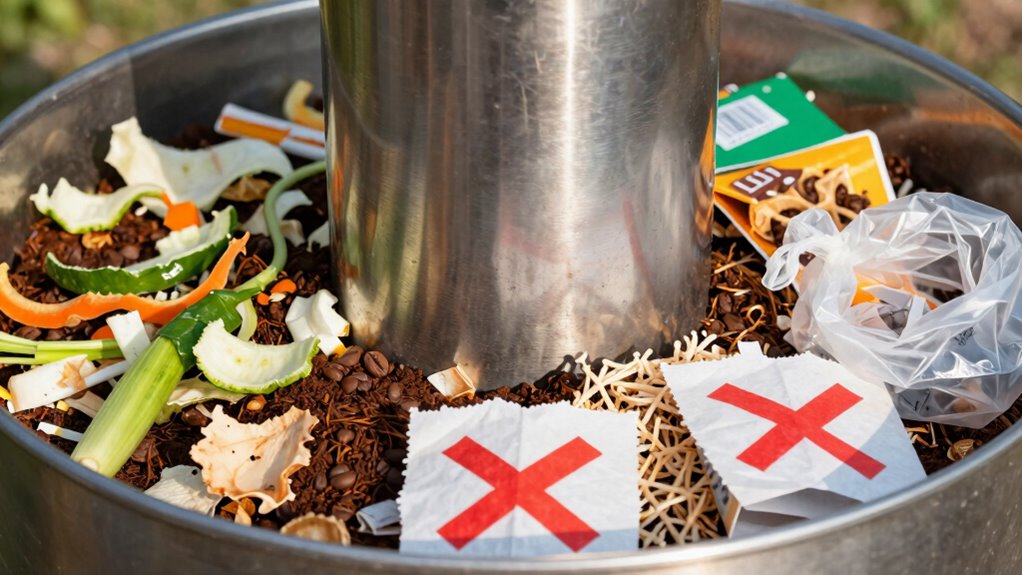
A healthy compost tumbler relies on a balanced mix of ingredients to break down efficiently. To achieve this, you need the right soil amendments, such as composted manure or garden soil, which introduce beneficial microbes and nutrients. These amendments help activate decomposition and improve aeration. Additionally, adding natural materials like grass clippings or kitchen scraps can boost microbial activity. Moisture control is equally important; your compost should be moist but not soggy. If it’s too dry, add water or moist materials like grass clippings. If it’s too wet, incorporate dry materials such as shredded leaves or paper to soak up excess moisture. Proper moisture levels promote microbial activity, speeding up composting. Maintaining the correct moisture balance ensures optimal conditions for decomposition. Regularly monitoring your compost and adjusting moisture levels as needed helps maintain a healthy environment for microbial activity, which is essential for efficient composting. To optimize the process, understanding and managing temperature fluctuations can significantly influence the speed of compost breakdown. Keep a close eye on your tumbler’s contents, adjusting soil amendments and moisture as needed. This balance guarantees a healthy, efficient composting process.

VIVOSUN Outdoor Tumbling Composter Dual Rotating Batch Compost Bin, 43 Gallon Black Door
Twin chambers: Two separate chambers allow one side to finish composting while leaving the other side available to…
As an affiliate, we earn on qualifying purchases.
As an affiliate, we earn on qualifying purchases.
Which Kitchen Scraps and Yard Waste Should You Add?

When choosing kitchen scraps and yard waste for your compost tumbler, focus on balancing greens and browns to guarantee ideal decomposition. Kitchen compost includes vegetable peels, fruit scraps, coffee grounds, and eggshells, providing nitrogen-rich materials that energize the composting process. Yard waste, such as leaves, grass clippings, small branches, and shredded paper, acts as carbon-rich browns that help maintain the right moisture and aeration levels. Aim for a mix of these materials to promote healthy microbial activity and prevent odors. Properly selecting kitchen compost and yard waste ensures your compost tumbler produces rich, nutrient-dense soil efficiently and safely. Incorporating cultural influences and traditional methods can further enhance the flavor and quality of your compost. Additionally, understanding composting best practices can optimize decomposition and reduce waste. Being aware of aerobic versus anaerobic decomposition helps in managing the compost environment effectively.
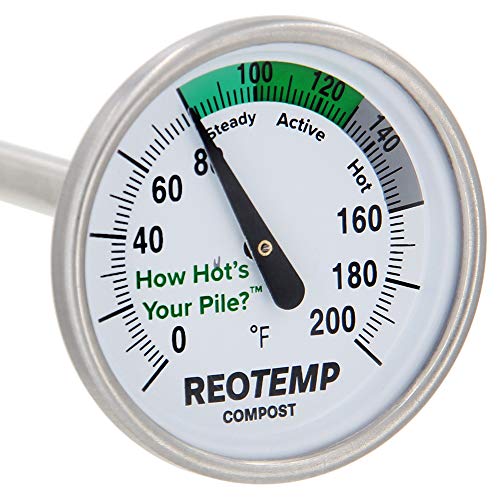
Reotemp 16 Inch Fahrenheit Backyard Compost Thermometer with Digital Composting Guide
Perfect for the Beginner Composter – Free Digital Compost Guide Included – Expert instructions on how to get…
As an affiliate, we earn on qualifying purchases.
As an affiliate, we earn on qualifying purchases.
What Items Can Damage Your Compost Tumbler, and How Can You Prevent It?
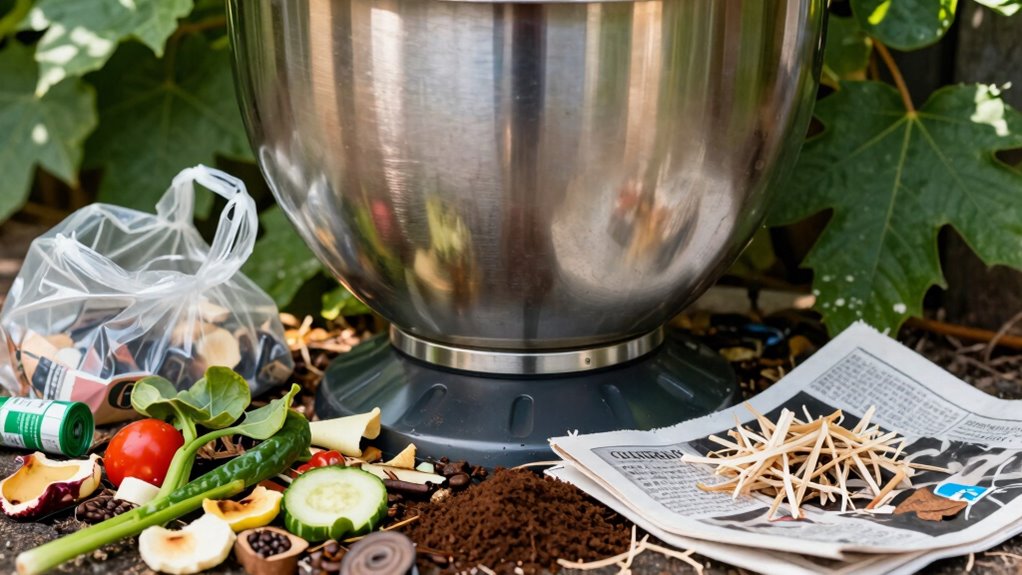
Adding the wrong items to your compost tumbler can cause serious problems, damaging the equipment and slowing down the composting process. Certain items attract pests and produce unpleasant odors, making your compost less efficient. To prevent this, avoid adding:
- Meat, dairy, and greasy foods – these cause pest attraction and foul smells.
- Bread and baked goods – they decompose slowly and attract rodents.
- Diseased plants or weeds with seeds – they can spread pests or unwanted plants.
Sticking to compost-safe materials helps maintain proper airflow and reduces pests and odors. Always cover food scraps with yard waste to minimize smell and pest issues. Properly managing what you add protects your tumbler and keeps your compost healthy.

EJWOX Stainless Steel Compost Aerator Tool – Manual Turner & Mixer for Compost Tumblers and Bins | Faster Decomposition, Rust-Proof
Speed Your Compost Pile – Using this compost starter can add air to your bin full of grass…
As an affiliate, we earn on qualifying purchases.
As an affiliate, we earn on qualifying purchases.
What Common Composting Mistakes Should You Avoid?
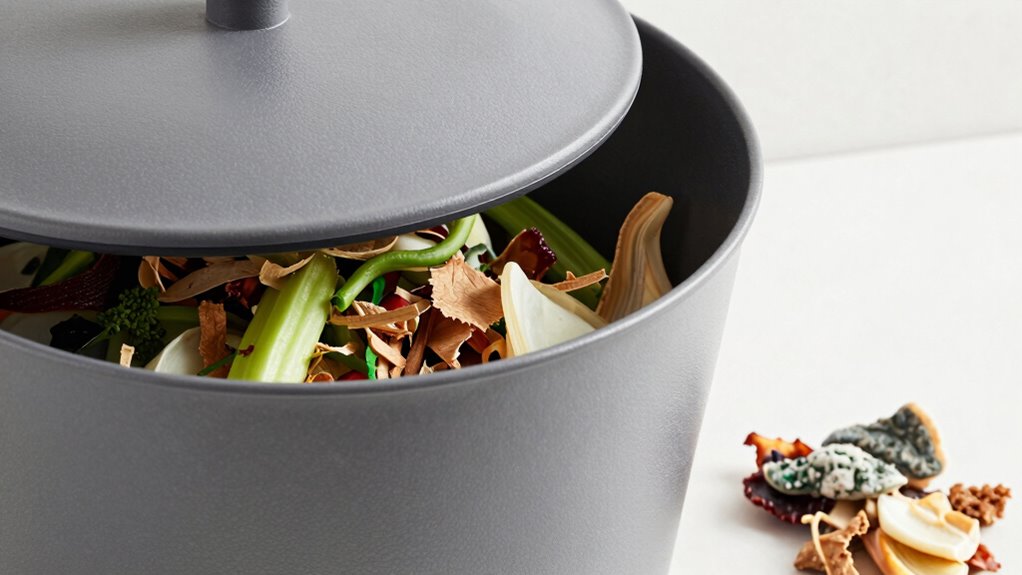
Avoid overloading your compost tumbler, as it can slow down the process and cause odors. Be sure to add the right mix of greens and browns; too much of one can disrupt decomposition. Ignoring proper balance and placement often leads to inefficient composting—pay attention to these key mistakes to keep things running smoothly. Additionally, understanding composting materials helps optimize the process and prevent common issues. Incorporating sustainable waste management practices can also promote environmentally friendly composting techniques. To further enhance your composting, consider proper aeration techniques, which are essential for maintaining healthy microbial activity and preventing odors. Using multi-unit setups can improve airflow and efficiency, especially in larger composting operations.
Overloading the Tumbler
Overloading your compost tumbler can hinder the entire composting process and lead to issues like bad odors or slow decomposition. When you pack it too full, airflow decreases, trapping moisture and creating anaerobic conditions. This is a common mistake rooted in composting myths that more material equals faster composting. To avoid this, keep these tips in mind:
- Never fill the tumbler beyond its recommended capacity—overloading can disrupt airflow and slow down decomposition.
- Regularly turn or rotate the tumbler to prevent compacting and ensure even breakdown.
- Address tumbler troubleshooting issues promptly—clogged vents or uneven material distribution can cause problems.
Adding Wrong Materials
One of the most common mistakes in composting is including inappropriate materials that can disrupt the process. Avoid adding types of plastics, as they don’t break down and can contaminate your compost. Never put pet waste into your tumbler, since it can contain harmful bacteria and parasites that pose health risks. Other unsuitable materials include greasy foods, dairy products, and meat scraps, which attract pests and create odors. Be cautious about adding treated wood or plant materials with chemical residues, as they can introduce toxins. Sticking to compost-friendly items like fruit scraps, coffee grounds, and yard waste ensures your compost stays healthy and efficient. Remember, adding the wrong materials can slow decomposition and compromise the quality of your finished compost. Additionally, understanding the importance of indoor air quality and proper humidity levels can help maintain a healthier environment around your composting area.
Ignoring Proper Balance
Maintaining the right balance of green and brown materials is essential for efficient composting, yet it’s a mistake many beginners overlook. Ignoring proper balance can slow decomposition and cause odors. Common errors include:
- Overloading with greens, which creates excess moisture and attracts pests.
- Using too many browns, resulting in slow breakdown and dry compost.
- Neglecting moisture levels, leaving your tumbler too dry or too wet, disrupting microbial activity.
Failing to monitor these factors hampers compost quality. Proper balance ensures airflow and microbial health, speeding up the process. Remember, neglecting moisture levels and ignoring proper balance can turn your composting effort into a smelly, ineffective mess. Stay attentive to these aspects, and your tumbler will produce rich, healthy compost faster.
How Can You Fine-Tune Your Compost for Faster, Better Results?
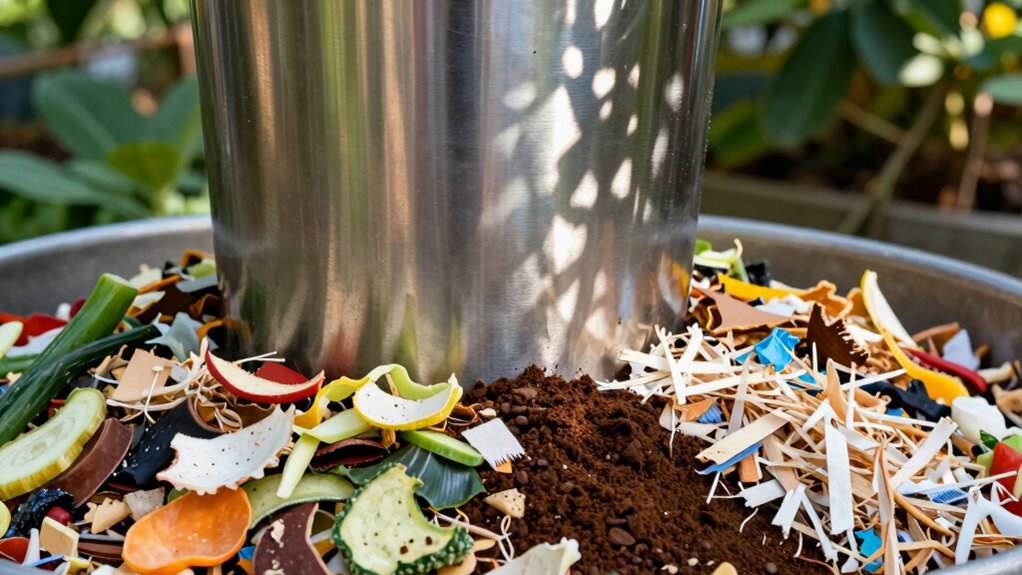
To achieve faster and more efficient composting, you need to fine-tune your process by paying attention to key factors like moisture, aeration, and the balance of green and brown materials. Proper moisture control is essential—keep the compost damp but not soaked to promote microbial activity and prevent pests. Too much moisture attracts pests and causes odors, so monitor regularly and add dry materials if needed. Aeration is equally important; turn or shake your tumbler frequently to ensure oxygen reaches the microbes, accelerating decomposition. Maintaining the right balance of greens and browns also helps prevent pest problems by avoiding excess nitrogen-rich materials that attract pests. Additionally, understanding how regional climate influences composting can help you adjust your practices for optimal results. Recognizing the impact of climate-specific challenges, such as high humidity or drought conditions, can further improve your composting efficiency. Incorporating climate-adapted techniques can help you overcome these challenges and produce high-quality compost more quickly. Being aware of microbial activity in composting can also guide you in creating the ideal environment for decomposition. When you understand the environmental factors that affect microbial growth, you can better manage your composting process. By managing these factors, you’ll see faster, healthier compost with fewer pest issues.
Getting Started: Tips for Setting Up and Maintaining Your Compost Tumbler
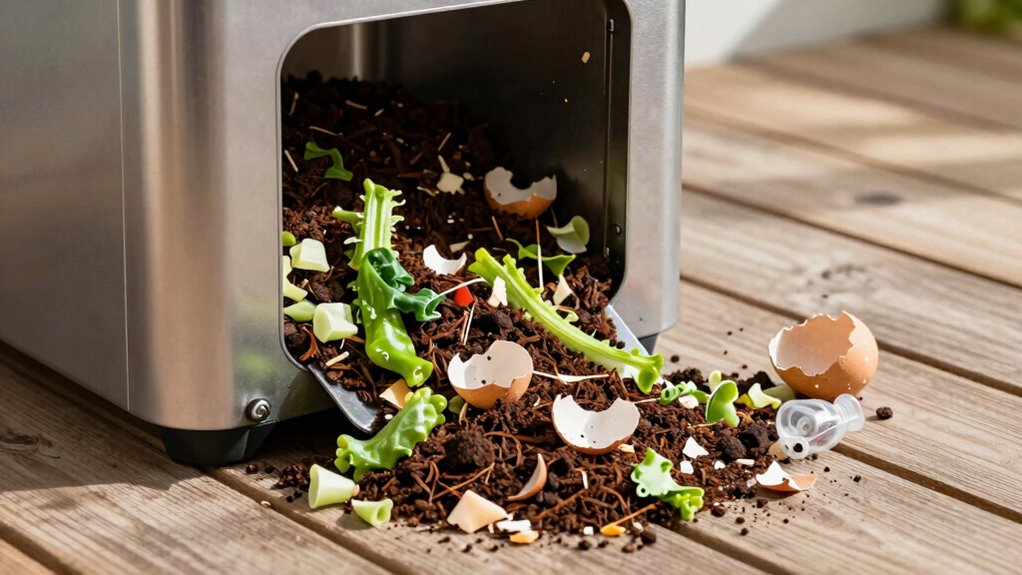
To get your compost tumbler working effectively, start by placing it in a well-drained, shaded spot away from extreme weather. Regularly check and rotate the tumbler to keep the compost aerated and monitor moisture levels to prevent it from drying out or becoming too wet. Keeping up with proper maintenance guarantees quick, healthy composting results. Additionally, incorporating proper aeration techniques can significantly improve the decomposition process and overall efficiency. Be mindful of seasonal temperature variations, which can influence the microbial activity and composting speed. Incorporating sustainable textile care practices, such as avoiding contaminated or synthetic materials, can help maintain the quality of your compost. Remember to use safety precautions when handling compost or operating your tumbler to prevent accidents and ensure a safe composting environment.
Proper Placement Tips
Choosing the right spot for your compost tumbler is essential to guarantee it functions efficiently and stays odor-free. When selecting your garden placement, consider environmental considerations like sunlight, shade, and airflow. Proper placement helps regulate temperature and prevents odors from escaping. To maximize effectiveness, keep these tips in mind:
- Place your tumbler on level ground to ensure smooth tumbling and avoid tipping.
- Position it in a spot with good airflow but away from your home or neighbors to minimize smells.
- Choose a location with partial sunlight to help with composting temperature without overheating the contents.
Maintenance and Monitoring
Regular maintenance and careful monitoring are key to keeping your compost tumbler functioning efficiently. Check your compost regularly to maintain proper moisture levels—neither too wet nor too dry—by adding water or dry materials as needed. Proper moisture control speeds up decomposition and prevents odors. To prevent pests, ensure the tumbler lid fits tightly and avoid adding meat, dairy, or oily foods that attract critters. Rotate the tumbler consistently to aerate the compost and distribute heat evenly. Keep an eye out for foul smells or pests, which indicate imbalance or contamination. Regularly clean the exterior and inspect the hinges and locking mechanisms to guarantee smooth operation. Staying attentive to these aspects keeps your compost healthy, pest-free, and ready for use.
Frequently Asked Questions
How Often Should I Turn My Compost Tumbler for Optimal Results?
You should turn your compost tumbler every 1 to 3 days for ideal results. This keeps the mix aerated and speeds up decomposition. Place your compost bin in a shaded spot, considering your garden layout, to prevent overheating. Regular turning ensures even breakdown of materials, so adjust frequency based on weather and the amount of waste. Keep it consistently aerated for rich, healthy compost faster.
Can I Add Pet Waste to My Compost Tumbler Safely?
You can add pet waste to your compost tumbler, but you need to consider pet waste safety carefully. Composting pet waste is possible if you reach high temperatures that kill pathogens, typically above 140°F. Use a dedicated, heavy-duty tumbler and turn it regularly to ensure proper composting. Avoid adding pet waste from sick animals or waste that contains medications. Always follow guidelines for composting pet waste safely to prevent health risks.
What Are Signs That My Compost Is Not Decomposing Properly?
If your compost isn’t decomposing properly, you might notice it remains too wet or dry, indicating improper moisture levels. Also, temperature fluctuations can slow down the process or cause it to stall altogether. You may see a lack of heat or inconsistent warmth, which signals microbial activity is waning. To fix this, adjust moisture by adding water or dry materials and verify your tumbler is in a stable, warm spot to maintain consistent temperatures.
How Do I Troubleshoot Foul Odors in My Compost Tumbler?
Imagine opening your compost tumbler to a foul, rotting smell that hits you like a punch. To fix this, focus on odor control by aerating your compost and ensuring proper moisture balance—neither too wet nor too dry. Turn the tumbler regularly to allow air in and break down materials evenly. Removing excess wet or smelly waste also helps, preventing foul odors from taking over your composting space.
Is It Okay to Add Compost Starter or Activators, and When?
Yes, you can add compost accelerators or starter cultures to boost decomposition. It’s best to add them when you’re starting your compost or if it’s slowing down. Just sprinkle a small amount of compost starter over the materials and mix it in. This helps introduce beneficial microbes, speeding up the process and reducing odors. Be sure to follow the product instructions for the best results and avoid overuse.
Conclusion
Mastering your compost tumbler takes patience and practice. By balancing beneficial bits with beware-worthy waste, you’ll foster faster, fuller fermentation. Keep it consistent, control the clumps, and avoid common errors to enhance your eco-effort. With mindful management, your compost transforms into rich, robust humus, helping your garden grow glorious. Remember, tending to your tumbler with time, tact, and TLC turns trash into treasure, transforming your outdoor space into a sustainable sanctuary.