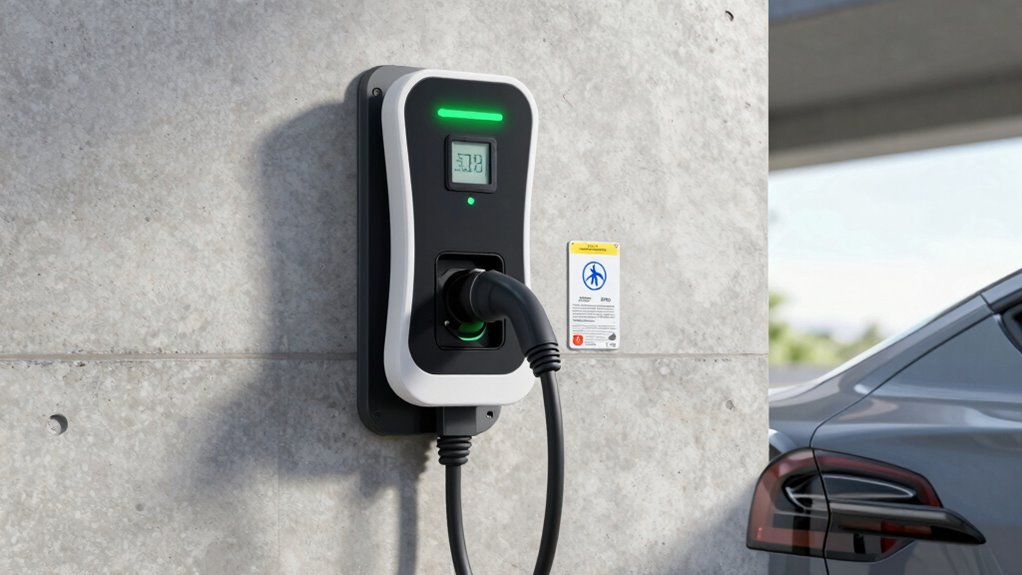

Setting up your home EV charger is straightforward when you understand outlets, amps, and safety. Choose the right outlet type and confirm it matches your vehicle’s charging needs, with dedicated 240-volt outlets supporting faster charging. Always verify your electrical system’s capacity and hire qualified electricians for installation. Regular safety checks and proper grounding protect your home and vehicle. Want to learn how to optimize your setup safely? Keep exploring for essential tips and advice.
Key Takeaways
- Proper placement near the driveway or garage ensures safe, convenient access and weather protection for your charging station.
- Matching outlet type and amperage to your vehicle’s needs prevents overheating and maximizes charging efficiency.
- Hiring qualified electricians for installation guarantees grounding, proper wiring, and compliance with electrical safety standards.
- Regular inspections and using surge protection protect your system from damage, overloads, and safety hazards.
- Ensuring electrical capacity and adherence to local codes minimizes risks and supports safe, reliable EV charging at home.

NEMA 14-50 Outlet for EV Charging,50 Amp EV Charging Receptacle,14-50R EV Outlet,50 Amp Straight Blade Device Receptacle,3-Pole 4-Wire,125/250V,for Electric Vehicles RVs Large Appliance,ETL Listed.
ETL Listed: 50 Amp EV outlet, NEMA 14-50R receptacle 125/250 VAC, 3 pole 4 wire, straight blade, heavy…
As an affiliate, we earn on qualifying purchases.
As an affiliate, we earn on qualifying purchases.
What Do You Need to Know About Home EV Charging?
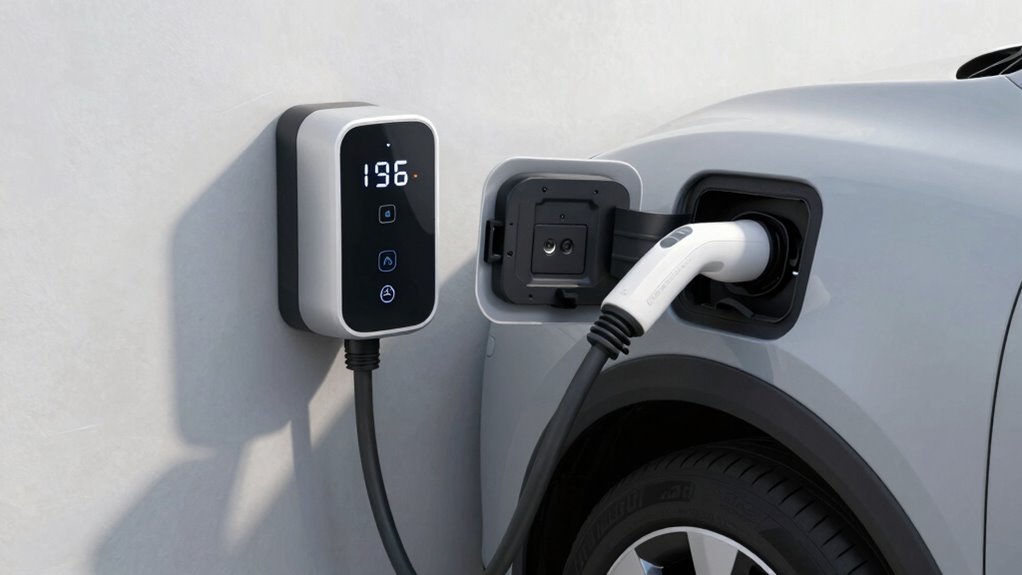
What do you need to know about home EV charging? First, consider where you’ll place your charging station. Ideal placement is near your driveway or garage, making it convenient and safe to connect your vehicle. Think about accessibility for daily use and protection from weather elements. Next, explore your energy billing options. Some utility providers offer special plans for EV owners, which can lower costs during off-peak hours. Installing a dedicated charging station might also impact your energy bills, so understanding these options helps you budget effectively. Proper placement ensures safety and convenience, while knowing your billing options can save you money over time. Understanding your electrical capacity is also important to ensure your home wiring can safely support your EV charger. Additionally, proper wiring can improve the overall efficiency and lifespan of your charging station. Knowing your energy provider’s plans can help you optimize costs and maximize savings with your EV charging setup. Ensuring your home’s electrical system is compatible is a crucial step in home EV charger installation, which helps prevent potential electrical issues and enhances safety. Being aware of electrical capacity considerations can prevent overloads and ensure reliable charging.

FSPD140 Level 2 Whole House Surge Protection Device – 140,000A Rated for EV Charging, Storm Zones, and Grid Surges, Upgraded Replacement for Siemens FS140, Includes Wiring & Locknut
Surge Current Capacity – The FSPD140 offers a significant surge protection capacity of 140,000 Amps, making it ideal…
As an affiliate, we earn on qualifying purchases.
As an affiliate, we earn on qualifying purchases.
What Are Amps, and Why Do They Matter for Safe Charging?
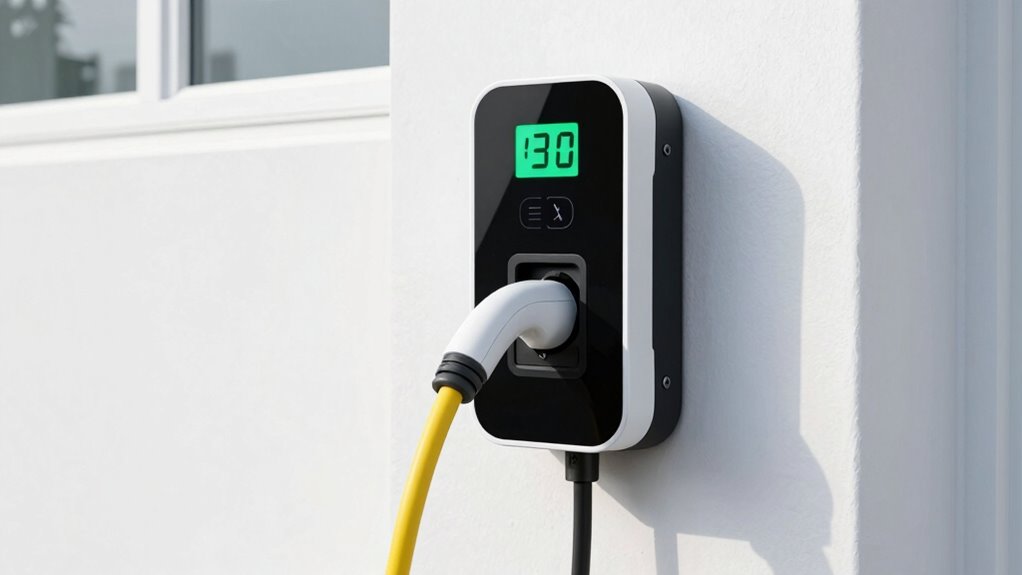
Have you ever wondered how the electrical current in your home affects your EV charging? Amps measure the flow of electrical current, which directly impacts your vehicle’s charging speed and safety. Knowing the amps helps guarantee your home’s electrical capacity can support your charger without overloads. Too many amps can overload circuits, risking damage or fire, so circuit protection devices are essential. Proper understanding of electrical capacity is crucial for designing a safe and efficient charging setup.
Understanding your home’s amps ensures safe, efficient EV charging without overload risks.
Additionally, the type of outlet and wiring gauge are vital considerations, as they determine the maximum current your system can handle safely, preventing potential hazards. Understanding electrical standards ensures your charging station complies with safety regulations. Being aware of circuit breakers and their ratings can further help prevent overloads and protect your home’s electrical system.
Key points to contemplate:
- The amperage of your outlet determines safe charging levels
- Higher amps mean faster charging but require proper wiring
- Your home’s electrical capacity limits how much current you can safely draw
- Circuit protection prevents overloads and ensures safe operation
Understanding amps helps you choose the right outlet and charger, keeping your home safe during EV charging.
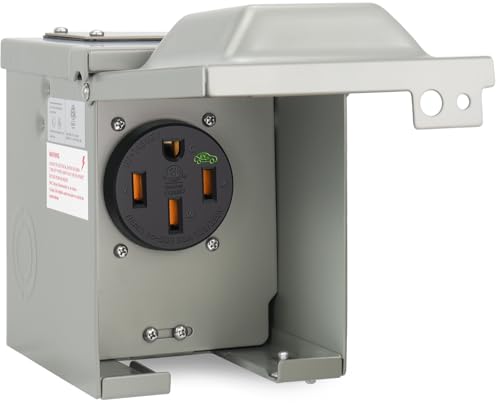
50 Amp 125/250 Volt EV Power Outlet Box, NEMA 14-50R 50 Amp EV Charging Receptacle Outlet Box, Enclosed Lockable Weatherproof Outdoor Electrical NEMA 14-50R Receptacle Panel, Heavy Duty, ETL Listed
ETL Listed: NEMA 14-50R receptacle 125/250V, 50 Amp EV outlet with rainproof type 3R enclosure, designed for plug-in…
As an affiliate, we earn on qualifying purchases.
As an affiliate, we earn on qualifying purchases.
How Do You Pick the Best Outlet and Charger for Your EV?
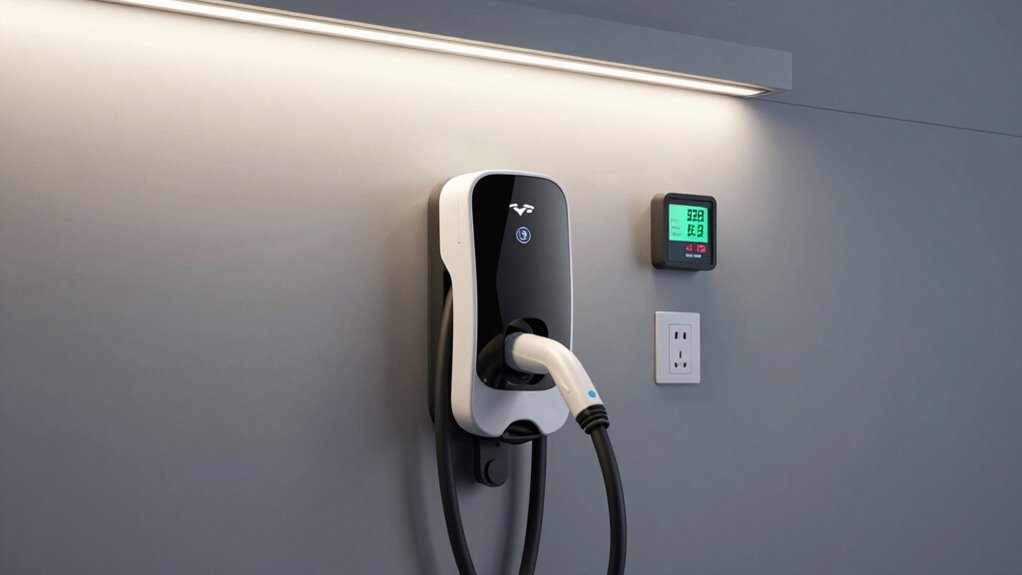
Choosing the right outlet and charger for your EV depends on understanding your home’s electrical setup and your driving needs. First, consider charger compatibility; not all chargers work with every EV, so check your vehicle’s requirements. If you mainly drive short distances, a Level 1 charger plugged into a standard outlet might suffice. For faster charging, a Level 2 charger is ideal, but it requires proper outlet installation—usually a dedicated 240-volt outlet. Evaluate your home’s electrical capacity to ensure it can support the charger’s amperage without overload. Consulting an electrician can help determine the best outlet installation options and prevent future issues. Additionally, understanding extension cord standards can help ensure safe power delivery if temporary or supplemental wiring is needed. Properly assessing your electrical system ensures that your home can safely handle the additional load of an EV charger. Knowing your home’s electrical capacity can also help you plan for potential upgrades and avoid costly repairs. Being aware of traditional Indonesian home decor principles can also inspire aesthetic choices for your charging area, creating a harmonious space. Conducting a thorough electrical assessment can help identify any necessary upgrades before installing your charger. By matching your charger type with your outlet, you’ll ensure safe, efficient, and reliable home charging tailored to your lifestyle.

ChargePoint HomeFlex Level 2 EV Charger J1772 – Fast Smart Battery Power Charging at Home for Electric Automobile Vehicles – Hardwired for Electric Car
Charge with Confidence: ChargePoint builds reliable, flexible EV charging stations for home, business, and fleets. Get 24/7 support…
As an affiliate, we earn on qualifying purchases.
As an affiliate, we earn on qualifying purchases.
What Are the Key Safety Tips for Installing and Using Your EV Charger?
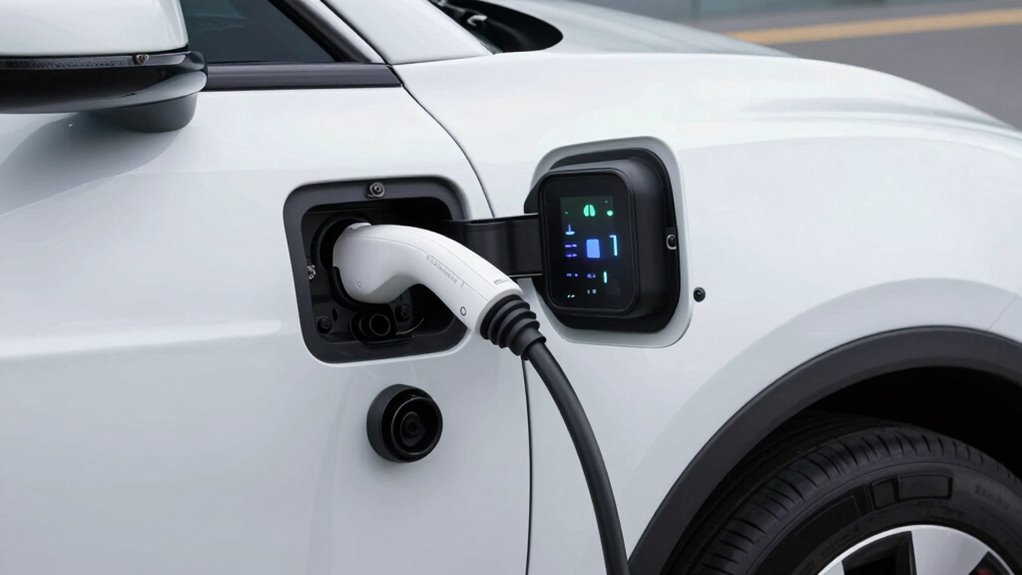
Ever wondered how to keep yourself safe when installing and using your EV charger? Safety is vital, so follow these key tips. First, verify proper grounding safety to prevent electrical shocks. Always hire a qualified electrician to check your home’s wiring before installation. Use surge protection devices to guard against voltage spikes that can damage your charger or vehicle. Regularly inspect cords and outlets for damage or wear. Keep the charger dry and away from water sources to avoid hazards. In the end, follow manufacturer instructions carefully for installation and operation. By prioritizing grounding safety and installing surge protection, you reduce risks and guarantee your charging experience is both safe and reliable. Also, ensure your cables are rated to handle the heat generated during charging to prevent heat buildup and related hazards. Additionally, considering the HVAC electrical requirements can help ensure your charging station is integrated safely with your home’s electrical system. Proper adherence to electrical safety standards is essential for a secure installation process. Incorporating grounding integrity checks during setup further enhances safety and minimizes the risk of electrical faults. Understanding electrical load capacity can also help prevent overloads that may compromise safety and system performance.
Troubleshooting Common Home EV Charging Problems
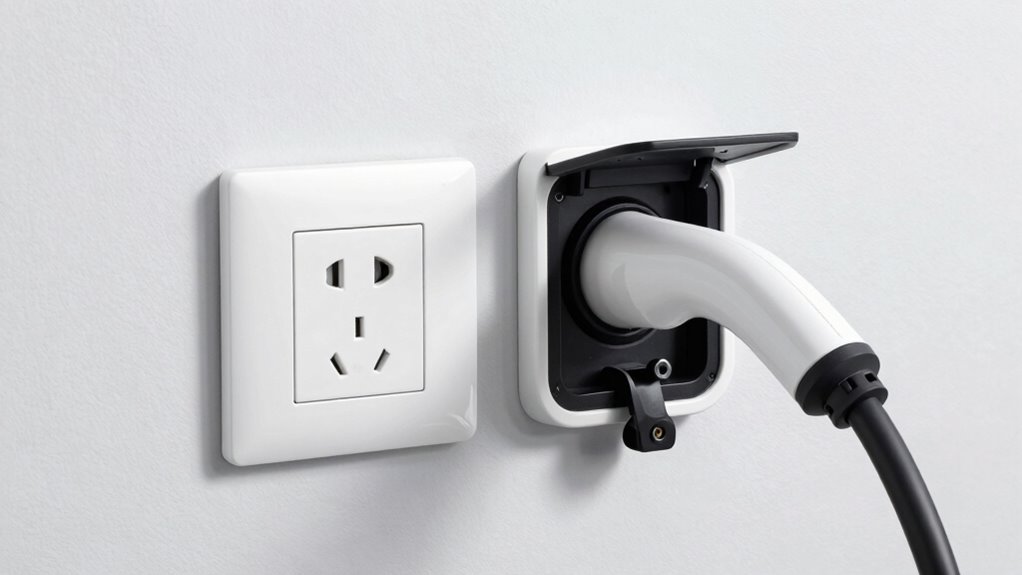
When your home EV charger isn’t working properly, identifying the root cause can save you time and frustration. Start by checking the charging station maintenance—ensure connections are secure, cables aren’t damaged, and the outlet is functioning correctly. Verify that your charger complies with electrical code requirements, as non-compliance can cause operational issues or safety hazards. Reset any circuit breakers or GFCIs associated with your charging setup, and look for tripped safety devices. If the charger still doesn’t work, examine the electrical wiring for signs of wear or loose connections. Regularly scheduled maintenance and inspections can prevent many common problems. Ensuring proper household electrical safety practices is essential for safe EV charging. Additionally, filter maintenance and replacing worn components can help prevent electrical issues that may affect your charger’s performance. Remember, troubleshooting issues promptly helps ensure your charger remains safe, reliable, and compliant with local electrical standards. Conducting proper electrical inspections can further help identify potential hazards before they cause problems. Keeping an eye on electrical code compliance is important to avoid future safety hazards and ensure smooth operation.
Frequently Asked Questions
Can I Upgrade My Existing Outlets for Faster EV Charging?
Yes, you can upgrade your existing outlets for faster EV charging, but you’ll need to verify outlet compatibility first. Upgrading typically involves installing a dedicated higher-amp outlet, like a Level 2 charger. The upgrade cost varies depending on the wiring and outlet type, so get a professional assessment. Keep in mind, the right upgrade ensures safety and faster charging, making it a worthwhile investment.
Are There Specific Electrical Codes I Should Be Aware of Locally?
Yes, you should definitely check your local electrical codes and regional requirements before upgrading your outlets for EV charging. These codes make sure safety and compliance, and they can vary depending on where you live. Contact your local building department or a licensed electrician to verify the specific regulations in your area. Following these guidelines helps you avoid potential issues and guarantees your charging setup is safe and up to code.
How Does Ambient Temperature Affect EV Charging Safety?
Think of ambient temperature as the weather’s mood swing—hot days can turn your EV charging setup into a sizzling challenge, while cold snaps might slow things down. Higher ambient temperatures can compromise thermal safety, increasing risks of overheating and electrical faults. Conversely, cold weather can affect battery performance but generally poses less thermal safety risk. Always monitor your charging environment to keep it safe and efficient, regardless of the temperature outside.
What Are the Signs of a Faulty EV Charging Outlet?
You should watch for signs of a faulty EV charging outlet like visible outlet damage, such as burn marks or cracks, which indicate overheating or wear. Wiring issues might cause frequent trips or inconsistency in charging. If you notice sparks, strange smells, or the outlet feels hot to touch, stop using it immediately and have a professional inspect for damage or wiring problems. Safety always comes first with electrical outlets.
Is Professional Installation Necessary for All Home EV Chargers?
You definitely don’t want to gamble with just any setup, so professional installation is a smart move for your home EV charger. It guarantees charger compatibility, meets safety standards, and minimizes risks like power surges. While some might think they can DIY, experts prevent costly mistakes and ensure your charger works smoothly. After all, a little extra effort now keeps your EV charging safe, reliable, and hassle-free.
Conclusion
By understanding outlets, amps, and safety, you’ll navigate home EV charging like a seasoned sailor steering through calm waters. With the right charger and precautions, your EV’s power source becomes a trusted partner rather than a stormy obstacle. Stay informed, follow safety tips, and troubleshoot confidently—your journey to smooth, worry-free charging is well within reach. Remember, a well-charged home is the anchor that keeps your electric adventures steady and secure.